

Please note: a valid prescription is required for all prescription medication.
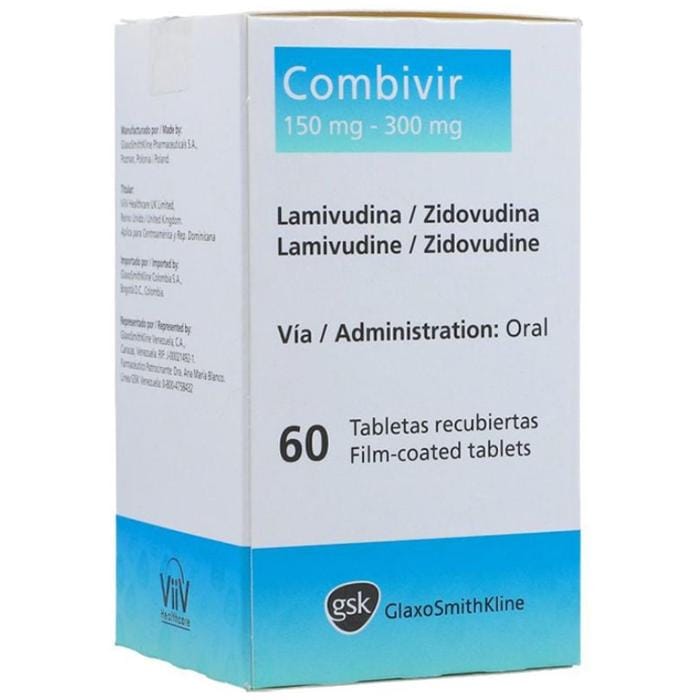
Combivir
Buy Combivir Online
Secure Encrypted Payments
Combivir is a fixed-dose HIV medicine that combines lamivudine and zidovudine in one tablet. It can be bought online through Border Free Health, with the strength shown during ordering matched to the directions from your HIV care team. Combivir tablets 150 mg/300 mg are used with other antiretroviral medicines to help treat HIV-1 infection.
This medicine is not a complete HIV regimen by itself for many people. Your clinician decides how it fits with other active agents, your prior treatment history, resistance testing, blood counts, liver health, kidney function, and other medicines you take.
Combivir Price, Strength, and Online Ordering
Combivir price can vary by manufacturer, supply source, quantity, and the exact tablet strength selected during checkout. The commonly referenced strength is lamivudine 150 mg and zidovudine 300 mg in a fixed-dose tablet. If your treatment plan calls for Combivir 150/300 mg tablets, match the strength and quantity to your clinician’s instructions before completing an online purchase.
People paying out of pocket often want to understand the Combivir cost before they commit to a refill. Border Free Health provides cash-pay product information so you can see current tablet choices and plan refills around your ongoing HIV care. We may review order details for accuracy before the medicine is supplied through licensed pharmacies.
US delivery from Canada is available for this product. Border Free Health uses prompt, express shipping as part of the order process, but HIV therapy should be planned with enough refill time so you do not run short between shipments, clinic visits, or lab monitoring.
Quick tip: Keep the medicine name, strength, and quantity consistent with your clinic medication list before paying for a refill.
What Combivir Tablets Are Used For
Combivir is used as part of antiretroviral combination therapy for HIV-1 infection. HIV-1 is the most common type of human immunodeficiency virus, and treatment aims to reduce viral replication so the immune system can recover or stay protected. For condition background, see the HIV condition section.
The two active ingredients are lamivudine and zidovudine. Both are nucleoside reverse transcriptase inhibitors, often called NRTIs. They block reverse transcriptase, an enzyme HIV uses to copy its genetic material and make more virus.
Because HIV treatment requires a full regimen, Combivir is usually paired with another antiretroviral class when clinically appropriate. Your clinician may consider viral load, CD4 count, resistance results, previous side effects, pregnancy plans, hepatitis B status, and other health conditions when deciding whether this combination still makes sense for you.
Brand and Generic Lamivudine/Zidovudine
Combivir is the brand name for the lamivudine/zidovudine fixed-dose combination. Generic lamivudine zidovudine products may also be available, depending on manufacturer and supply. The customer-facing question is practical: choose the medicine, strength, and quantity that match the treatment plan your HIV care team has documented.
Availability of brand and generic names can differ between countries. A U.S. reference may discuss brand status or generic labeling, while Canadian-supplied pharmacy products may use different packaging, manufacturer names, or market status. That difference does not change the need to match the active ingredients and strength carefully.
If you are switching between Combivir and a generic lamivudine/zidovudine tablet, ask your clinician or pharmacist to confirm that the active ingredients and strength are appropriate. Do not substitute single-ingredient lamivudine or zidovudine tablets for the fixed-dose combination unless your care team has changed the regimen.
How This Combination Works in HIV Treatment
Lamivudine and zidovudine work inside infected cells after the body converts them to active forms. They interfere with the viral copying process, which helps lower the amount of HIV in the blood when combined with other effective medicines. Viral load testing shows whether the regimen is controlling HIV over time.
Fixed-dose tablets can make a regimen easier than taking the two ingredients separately. A simpler schedule may support adherence, but it does not remove the need for regular lab monitoring. HIV can become harder to treat if doses are missed often or if the virus develops resistance to one or more medicines.
Combivir does not cure HIV and does not prevent transmission by itself. Staying on an effective regimen, maintaining an undetectable viral load when possible, and following prevention guidance from your care team are important parts of long-term care.
How to Take Combivir
Standard adult dosing in many references is one tablet twice daily, with or without food. Follow the dosing schedule your clinician gives you, because kidney function, liver disease, blood counts, other medications, and treatment goals can affect the best plan. Swallow tablets with water unless your care team gives different instructions.
Take doses at the same times each day. Consistency helps keep medicine levels steady and supports viral suppression. If nausea occurs, some people find that taking the tablet with food is easier, but persistent or severe symptoms should be discussed with a healthcare professional.
Do not take Combivir with other products that also contain lamivudine or zidovudine unless your clinician specifically instructs you to do so. Duplicate therapy can increase side effect risk without improving HIV control.
Missed Dose and Refill Planning
If you miss a dose and remember soon afterward, take it when you remember. If it is almost time for the next dose, skip the missed dose and return to the regular schedule. Do not double up to make up for a missed tablet.
Missed doses matter in HIV treatment because repeated gaps can reduce regimen effectiveness. Use phone alarms, a medication app, a weekly organizer, or a refill calendar if your schedule is busy. If vomiting occurs shortly after a dose, contact your healthcare team for guidance rather than guessing whether to repeat it.
Plan refills before travel, holidays, or clinic visits. If you use cash-pay ordering, align refill quantities with lab follow-up and your clinician’s expected treatment plan so you do not build a supply of medicine that may change after test results.
Storage, Travel, and Handling
Store Combivir tablets at room temperature in the original container with the cap tightly closed. Keep them away from excess heat, moisture, and direct light. Bathrooms, cars, and windowsills can expose tablets to changing temperature and humidity.
Keep the container out of reach of children and pets. If you use a pill organizer, keep the original labeled bottle available so the medicine can be identified during travel, clinic appointments, or emergency care.
When flying, pack HIV medicines in carry-on luggage rather than checked bags. Carry extra tablets if your clinician approves, and keep a current medication list with the active ingredients lamivudine and zidovudine. Time zone changes can make twice-daily schedules confusing, so ask your clinic how to handle timing before long trips.
Side Effects, Warnings, and Monitoring
Common side effects can include nausea, headache, fatigue, diarrhea, cough, trouble sleeping, and rash. Some effects improve as the body adjusts, but new, severe, or persistent symptoms should be discussed with a healthcare professional. Side effects can also come from the other HIV medicines used with Combivir.
Zidovudine can affect bone marrow, which may lead to anemia or low neutrophil counts. Contact your healthcare team promptly if you develop unusual tiredness, shortness of breath, pale skin, frequent infections, fever, or easy bruising. Blood count monitoring is especially important if you already have anemia, neutropenia, advanced HIV disease, or take other medicines that suppress bone marrow.
Serious but less common risks include lactic acidosis and severe liver enlargement with fat buildup. Warning signs can include deep or rapid breathing, severe weakness, unusual muscle pain, stomach pain with nausea or vomiting, dizziness, feeling cold, yellowing of the skin or eyes, or dark urine. These symptoms need urgent medical attention.
Other important cautions include pancreatitis, muscle disease, and worsening liver problems. People with hepatitis B need careful planning because stopping lamivudine can cause hepatitis B to flare. Your clinician may monitor liver enzymes, kidney function, viral load, CD4 count, and blood counts during treatment.
Interactions and Who Should Use Extra Caution
Tell your healthcare team about all prescription medicines, non-prescription products, vitamins, supplements, and recreational substances. Interactions matter because some medicines can increase zidovudine toxicity, reduce lamivudine exposure, or add strain to the liver and blood cell production.
Avoid duplicating lamivudine or zidovudine from other HIV or hepatitis B products unless your clinician has intentionally designed that regimen. Sorbitol-containing liquid medicines may reduce lamivudine levels. Ribavirin, interferon, ganciclovir, certain chemotherapy medicines, and other bone marrow-suppressing drugs may increase blood-related risks. Methadone can affect zidovudine levels in some people.
People with significant anemia, neutropenia, advanced liver disease, kidney impairment, hepatitis B coinfection, or a history of pancreatitis may need closer monitoring or a different regimen. Pregnancy and breastfeeding decisions should be reviewed with an HIV specialist, because treatment decisions must balance viral control, maternal health, and infant safety.
What to Expect After Starting or Continuing Therapy
Many people do not feel immediate day-to-day changes from HIV medicine. Response is measured mainly through lab results, especially viral load and CD4 count. If the full regimen is working and taken consistently, viral load should decline or remain suppressed over time.
Do not stop Combivir suddenly without medical guidance. Stopping any antiretroviral can allow HIV to rebound, and stopping lamivudine can be risky for people who also have hepatitis B. If side effects, cost, pill burden, or lab changes become difficult, your clinician can discuss safer changes rather than an unplanned interruption.
For general testing background, your care team may discuss viral load, CD4 count, resistance testing, and hepatitis screening. Treatment decisions are individualized, so lab trends matter more than how you feel on a single day.
How Combivir Compares With Other HIV Options
Combivir provides two NRTIs in one tablet. Some modern regimens use different NRTI backbones, integrase inhibitors, NNRTIs, protease inhibitors, or single-tablet combinations. The right choice depends on resistance, previous treatment, kidney and liver health, cardiovascular risk, pregnancy considerations, and drug interactions.
If your clinician is considering an alternative HIV medicine, browsing the antivirals category can help you understand how products are grouped. This does not replace a regimen decision, because HIV therapy must combine compatible active agents in a way that fully suppresses the virus.
Country of origin can also matter for packaging and supply planning. Products sourced from Canada may be grouped under the Canada origin section, which can help you identify Canadian-supplied medicines while keeping your clinical decision focused on active ingredients and strength.
Questions to Ask Your HIV Care Team
- Does lamivudine/zidovudine still fit my current viral resistance results?
- Which other antiretroviral medicine completes my regimen?
- How often should my viral load, CD4 count, blood counts, and liver tests be monitored?
- What symptoms of anemia, neutropenia, liver problems, or lactic acidosis should I report?
- Do I need hepatitis B testing or dedicated hepatitis B treatment?
- Could any of my medicines, supplements, or liquid products containing sorbitol interfere?
- Is this combination appropriate for pregnancy planning or breastfeeding discussions?
- When would you consider switching me to a different NRTI backbone?
Authoritative Sources
Official U.S. prescribing information
NIH lamivudine/zidovudine patient drug record
European Medicines Agency medicine summary
This content is for informational purposes only and is not a substitute for professional medical advice.
Creatinine Clearance Calculator
Estimate creatinine clearance using the Cockcroft-Gault equation.
CrCl
-
mL/min estimate
These calculations are for education only and do not replace clinical advice, diagnosis, or treatment. Always confirm medical decisions with a qualified healthcare professional.
eGFR Calculator
Estimate kidney filtration using the 2021 CKD-EPI creatinine equation.
eGFR
-
mL/min/1.73 m2
G category
-
requires clinical context
These calculations are for education only and do not replace clinical advice, diagnosis, or treatment. Always confirm medical decisions with a qualified healthcare professional.
Absolute Neutrophil Count Calculator
Calculate ANC from white blood cell count, neutrophil percentage, and optional band percentage.
ANC-cells/uL
ANC-10^9/L
These calculations are for education only and do not replace clinical advice, diagnosis, or treatment. Always confirm medical decisions with a qualified healthcare professional.
Express Shipping - from $29.99
Shipping with this method takes 3-5 days
Prices:
- Dry-Packed Products $29.99
- Cold-Packed Products $39.99
Shipping Countries:
- United States (all contiguous states**)
- Worldwide (excludes some countries***)
Standard Shipping - $19.99
Shipping with this method takes 5-10 days
Prices:
- Dry-Packed Products $19.99
- Not available for Cold-Packed products
Shipping Countries:
- United States (all contiguous states**)
- Worldwide (excludes some countries***)
What are Combivir tablets used for?
Combivir tablets are used with other antiretroviral medicines to treat HIV-1 infection. They contain lamivudine and zidovudine, two NRTIs that help block HIV from copying itself.
Is Combivir the same as lamivudine/zidovudine?
Combivir is the brand name for a fixed-dose combination of lamivudine and zidovudine. Generic lamivudine/zidovudine tablets may be available, but any switch should match the active ingredients, strength, and clinical plan.
How much does Combivir cost?
Combivir cost depends on the current tablet supply, quantity, manufacturer, and cash-pay terms shown during ordering. View the current product price and make sure the strength matches your clinic directions.
What is the mechanism of action of Combivir?
Lamivudine and zidovudine are nucleoside reverse transcriptase inhibitors. They interfere with reverse transcriptase, an enzyme HIV needs to copy its genetic material and produce more virus.
What are common Combivir side effects?
Common side effects can include nausea, headache, fatigue, diarrhea, cough, trouble sleeping, and rash. Zidovudine can also cause anemia or low neutrophil counts, so lab monitoring may be needed.
Can Combivir be taken alone for HIV?
Combivir is generally used as part of a complete antiretroviral regimen. Your HIV care team decides which other medicine or medicines are needed based on resistance testing, lab results, and treatment history.
How should Combivir be stored?
Store Combivir tablets at room temperature in the original tightly closed container. Keep them away from heat, moisture, direct light, children, and pets.
Rewards Program
Earn points on birthdays, product orders, reviews, friend referrals, and more! Enjoy your medication at unparalleled discounts while reaping rewards for every step you take with us.
You can read more about rewards here.
POINT VALUE
How to earn points
- 1Create an account and start earning.
- 2Earn points every time you shop or perform certain actions.
- 3Redeem points for exclusive discounts.
You Might Also Like
Select options
This product has multiple variants. The options may be chosen on the product page
Select options
This product has multiple variants. The options may be chosen on the product page
Select options
This product has multiple variants. The options may be chosen on the product page
Select options
This product has multiple variants. The options may be chosen on the product page