
Please note: a valid prescription is required for all prescription medication.
Dabigo
Buy Dabigo Online
Secure Encrypted Payments
Dabigo is an anticoagulant blood thinner containing dabigatran etexilate, used to help prevent and treat harmful blood clots. You can buy Dabigo online, view the current price, and choose the available strength that matches your clinician’s directions. It may be used for adults with nonvalvular atrial fibrillation, deep vein thrombosis, or pulmonary embolism when a healthcare professional determines it is appropriate.
Dabigo works by reducing thrombin activity, a key step in clot formation. Because anticoagulants can increase bleeding risk, safe use depends on consistent dosing, careful medicine checks, and prompt attention to symptoms such as unusual bruising, black stools, or vomiting blood.
Dabigo Price, Strengths, and Ordering Details
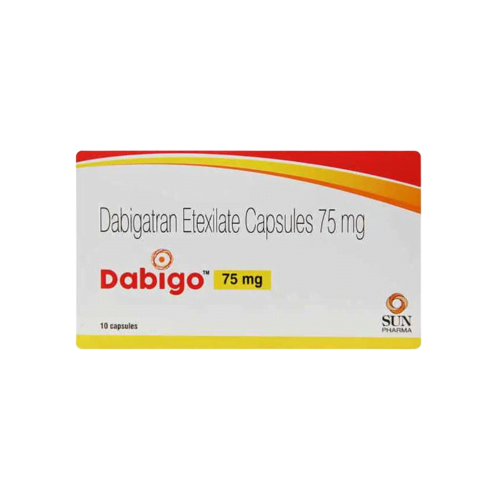
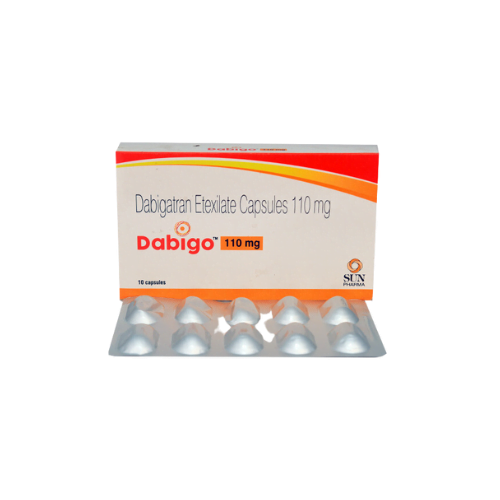
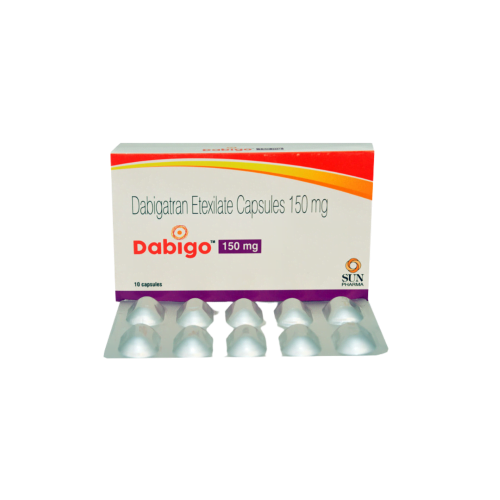
Dabigo price can vary by strength, quantity, supply source, and whether you are paying without insurance. Current ordering choices may include capsule strengths such as 75 mg, 110 mg, and 150 mg, depending on supply. Choose the dose and quantity shown during checkout only if they match the directions from your healthcare professional.
People often compare Dabigo 150 mg price, Dabigo 110 mg price, and Dabigo cash price when planning ongoing anticoagulant therapy. If your treatment is long term, ask your clinician whether a longer supply is suitable, because refill timing matters with blood thinners. Running out or stopping suddenly can leave you without clot protection.
US delivery from Canada may be available for personal-use orders, with prompt, express shipping used when appropriate for the order. Keep your medication plan steady while you wait for a refill; do not skip doses to stretch supply unless your clinician specifically tells you to stop.
What Dabigo Is Used For
Dabigo is used to reduce the risk of stroke and systemic embolism in adults with nonvalvular atrial fibrillation. Atrial fibrillation is an irregular heart rhythm that can allow clots to form in the heart and travel to the brain or other parts of the body. Anticoagulation lowers that clotting risk when the expected benefit outweighs bleeding risk.
Dabigo is also used in the treatment of deep vein thrombosis and pulmonary embolism, and may be used to reduce the risk of these clots coming back after initial treatment. Deep vein thrombosis, often called DVT, is a clot in a deep vein, commonly in the leg. Pulmonary embolism, or PE, occurs when a clot travels to the lungs.
For more condition context, see our sections on atrial fibrillation and blood clots, DVT, and PE. These condition pages can help you prepare questions for your clinician without replacing individualized medical guidance.
Active Ingredient and How It Works
Dabigo contains dabigatran etexilate. After you swallow the capsule, your body converts it to dabigatran, a direct thrombin inhibitor. Thrombin is an enzyme that helps turn clotting proteins into a clot. By blocking thrombin, dabigatran helps reduce the formation and growth of unwanted clots.
This medicine is different from warfarin because it does not work through vitamin K. It also has fewer food-related restrictions than warfarin and does not usually require routine INR testing. Your clinician may still monitor kidney function, bleeding risk, and other medicines, especially if your health status changes.
Dabigatran and Dabigo are closely related terms, but they are not always used the same way. Dabigatran is the active anticoagulant ingredient. Dabigo is a product name for a medicine containing dabigatran etexilate. Labels, capsule appearance, and available strengths can vary by manufacturer and country of origin.
How to Take Dabigo Capsules
Take Dabigo exactly as directed by your clinician and the medicine label. It is commonly taken twice daily for many adult uses, but the exact regimen depends on the condition being treated, kidney function, age, other medicines, and overall bleeding risk. Do not adjust the dose or stop therapy on your own.
Swallow capsules whole with water. Do not open, crush, split, or chew them, because that can increase drug exposure and may raise bleeding risk. Food does not meaningfully reduce absorption, but taking a capsule with a small meal may help if you develop stomach upset.
If you are switching from another anticoagulant, follow the transition plan from your clinician. Gaps can increase clot risk, while overlapping blood thinners incorrectly can increase bleeding risk. Carry a medical ID or wallet card stating that you take an anticoagulant, especially if you travel or receive emergency care.
Missed Dose and Timing Basics
If you miss a dose, follow the instructions from your clinician or product label. In general, missed-dose guidance for dabigatran depends on how close you are to the next scheduled dose. Do not take extra capsules to make up for a missed dose unless a healthcare professional has told you to do so.
Consistent timing helps maintain steady anticoagulation. A phone alarm, calendar reminder, or daily medication log can reduce missed doses. Refill planning is especially important because sudden interruption may increase the chance of clot-related events in people who still need anticoagulation.
Quick tip: Set a refill reminder 7 to 10 days before your supply runs out.
Storage and Travel Handling
Store Dabigo capsules in the original package to help protect them from moisture. Keep the container tightly closed, away from excessive heat and humidity, and out of reach of children and pets. If a bottle contains a desiccant, leave it inside the bottle and do not swallow it.
Do not transfer capsules into a weekly pill organizer unless your pharmacist confirms that your packaging and label allow it. Some dabigatran capsules are moisture sensitive, and improper storage can affect the medicine. If you need help organizing doses, ask a pharmacist about safe methods that preserve dryness.
For travel, keep your medication in carry-on luggage with the pharmacy label visible. Bring enough supply for the trip plus extra in case of delays. If you cross borders, keep a copy of your medication instructions and allow additional time for security screening.
Benefits and Practical Treatment Expectations
Dabigo helps lower the risk of serious clot-related outcomes in approved use contexts such as nonvalvular atrial fibrillation, DVT, and PE. You should not expect to feel it working day to day. The benefit comes from maintaining anticoagulant effect over time as directed.
Many people value that dabigatran is taken by mouth and usually does not require routine INR monitoring. However, this does not mean monitoring is unnecessary. Kidney function, bleeding symptoms, upcoming procedures, and medicine interactions still matter.
Your clinician may reassess anticoagulant therapy periodically. Some people need long-term treatment, while others use anticoagulation for a defined period after a clot. The right duration depends on diagnosis, recurrence risk, bleeding risk, and other health factors.
Side Effects, Warnings, and Monitoring
Common side effects can include indigestion, stomach discomfort, heartburn, nausea, abdominal pain, easy bruising, or minor bleeding such as nosebleeds. Tell your clinician if stomach symptoms persist, become severe, or make it difficult to take the medication consistently.
Serious bleeding can occur and may be life-threatening. Seek urgent care for black or tarry stools, red or brown urine, coughing up blood, vomiting blood, severe headache, fainting, unusual weakness, heavy bleeding that will not stop, or symptoms of stroke. Bleeding risk may be higher in older adults, people with kidney impairment, those with a history of gastrointestinal bleeding, and people taking other medicines that affect clotting.
Dabigo should not be used by people with active pathological bleeding. It is not appropriate for people with mechanical prosthetic heart valves. Spinal or epidural anesthesia and spinal puncture can carry a risk of spinal or epidural hematoma in anticoagulated patients, which may cause long-term or permanent paralysis. Tell surgeons, dentists, and procedural teams that you take an anticoagulant before any planned care.
Important interactions include other anticoagulants, antiplatelet drugs, NSAIDs, and certain medicines that affect P-glycoprotein, often called P-gp. Strong P-gp inducers such as rifampin may reduce dabigatran effect. Some P-gp inhibitors may increase exposure, especially when kidney function is reduced. Always discuss medicines, vitamins, and herbal products with your healthcare professional.
Who May Need Extra Caution
Kidney function is central to dabigatran use because the drug is cleared substantially through the kidneys. People with reduced kidney function may need closer evaluation, a different regimen, or another anticoagulant. Kidney function can also change during dehydration, acute illness, or treatment with certain medicines.
People with recent major surgery, frequent falls, stomach ulcers, previous serious bleeding, certain liver problems, or planned invasive procedures should review risks carefully with a clinician. Pregnancy and breastfeeding require individualized discussion because anticoagulant selection may differ during these periods.
Before starting or continuing Dabigo, ask what bleeding signs should prompt urgent care, how often kidney function should be checked, and how to handle dental work or surgery. If your clinician changes you from or to another blood thinner, follow the timing instructions closely.
How Dabigo Compares With Other Anticoagulants
Dabigo belongs to a group of direct oral anticoagulants, but it has a distinct mechanism because it directly inhibits thrombin. Other oral anticoagulants may block factor Xa instead, while warfarin works through vitamin K pathways. The best choice depends on kidney function, clotting indication, bleeding history, interactions, dosing preference, and procedure plans.
Some patients use different anticoagulants because of clinician preference or specific health factors. Warfarin may be chosen when close INR monitoring is desired or when a direct oral anticoagulant is not appropriate. Factor Xa inhibitors may be considered for other patients. Browse related items within our cardiovascular medicines category when discussing alternatives with your clinician.
You can also review broader cardiovascular education in our cardiovascular articles. Internal education can support informed conversations, but anticoagulant changes should always be directed by a healthcare professional.
Country of Origin and Product Identification
Dabigo may be supplied from different manufacturers or countries depending on the strength and current supply. Capsule color, imprint, bottle style, and packaging language may vary. Always rely on the pharmacy label and clinician directions rather than capsule appearance alone.
If product origin matters to you, our India country-of-origin section can help identify medicines associated with that attribute when applicable. Product origin does not replace medical suitability, dose confirmation, or interaction screening.
When your order arrives, confirm the name, strength, quantity, and directions before taking the first dose. Contact a pharmacist or clinician if anything looks different from what you expected, especially after a refill or manufacturer change.
Questions to Ask Before Using Dabigo
- Is dabigatran appropriate for my diagnosis and kidney function?
- Which strength should I use, and how often should I take it?
- What side effects or bleeding symptoms should prompt urgent care?
- Do any of my current medicines increase bleeding risk?
- How should I manage this medicine before dental work or surgery?
- How long do I need anticoagulation for my condition?
- Should my kidney function or blood counts be checked during therapy?
Authoritative Sources
Manufacturer medicine information | Health Canada product record
This content is for informational purposes only and is not a substitute for professional medical advice.
eGFR Calculator
Estimate kidney filtration using the 2021 CKD-EPI creatinine equation.
eGFR
-
mL/min/1.73 m2
G category
-
requires clinical context
These calculations are for education only and do not replace clinical advice, diagnosis, or treatment. Always confirm medical decisions with a qualified healthcare professional.
Creatinine Clearance Calculator
Estimate creatinine clearance using the Cockcroft-Gault equation.
CrCl
-
mL/min estimate
These calculations are for education only and do not replace clinical advice, diagnosis, or treatment. Always confirm medical decisions with a qualified healthcare professional.
Body Surface Area Calculator
Calculate body surface area from height and weight using the Mosteller equation.
BSA
-
m2, Mosteller equation
These calculations are for education only and do not replace clinical advice, diagnosis, or treatment. Always confirm medical decisions with a qualified healthcare professional.
Ideal & Adjusted Body Weight Calculator
Estimate ideal body weight with the Devine equation and adjusted body weight when actual weight is above the estimate.
Ideal body weight
-
Devine equation
Adjusted body weight
-
IBW + 0.4 x excess weight
Difference from IBW
-
actual minus ideal
These calculations are for education only and do not replace clinical advice, diagnosis, or treatment. Always confirm medical decisions with a qualified healthcare professional.
Express Shipping - from $29.99
Shipping with this method takes 3-5 days
Prices:
- Dry-Packed Products $29.99
- Cold-Packed Products $39.99
Shipping Countries:
- United States (all contiguous states**)
- Worldwide (excludes some countries***)
Standard Shipping - $19.99
Shipping with this method takes 5-10 days
Prices:
- Dry-Packed Products $19.99
- Not available for Cold-Packed products
Shipping Countries:
- United States (all contiguous states**)
- Worldwide (excludes some countries***)
What is Dabigo used for?
Dabigo is used to help prevent and treat harmful blood clots. It may be used to reduce stroke and systemic embolism risk in adults with nonvalvular atrial fibrillation, and for deep vein thrombosis or pulmonary embolism treatment or recurrence prevention when clinically appropriate.
Are dabigatran and Dabigo the same?
Dabigatran is the active anticoagulant ingredient. Dabigo is a product name for a medicine containing dabigatran etexilate, which the body converts to dabigatran after the capsule is swallowed.
What are the common side effects of Dabigo 150 mg?
Common side effects can include indigestion, stomach discomfort, heartburn, nausea, abdominal pain, easy bruising, or minor bleeding such as nosebleeds. Serious bleeding symptoms need urgent medical attention.
Can Dabigo capsules be opened or crushed?
No. Dabigo capsules should be swallowed whole with water. Opening, crushing, chewing, or splitting capsules can increase drug exposure and may raise bleeding risk.
How should Dabigo be stored?
Keep Dabigo in its original packaging, tightly closed, and protected from moisture. Store it at room temperature, away from excess heat and humidity, and keep it out of reach of children and pets.
Who should not use Dabigo?
Dabigo should not be used by people with active bleeding and is not appropriate for people with mechanical prosthetic heart valves. Kidney impairment, prior serious bleeding, surgery, procedures, pregnancy, breastfeeding, and interacting medicines require clinician review.
Rewards Program
Earn points on birthdays, product orders, reviews, friend referrals, and more! Enjoy your medication at unparalleled discounts while reaping rewards for every step you take with us.
You can read more about rewards here.
POINT VALUE
How to earn points
- 1Create an account and start earning.
- 2Earn points every time you shop or perform certain actions.
- 3Redeem points for exclusive discounts.
You Might Also Like
Select options
This product has multiple variants. The options may be chosen on the product page
Select options
This product has multiple variants. The options may be chosen on the product page
Select options
This product has multiple variants. The options may be chosen on the product page
Select options
This product has multiple variants. The options may be chosen on the product page