
Please note: a valid prescription is required for all prescription medication.
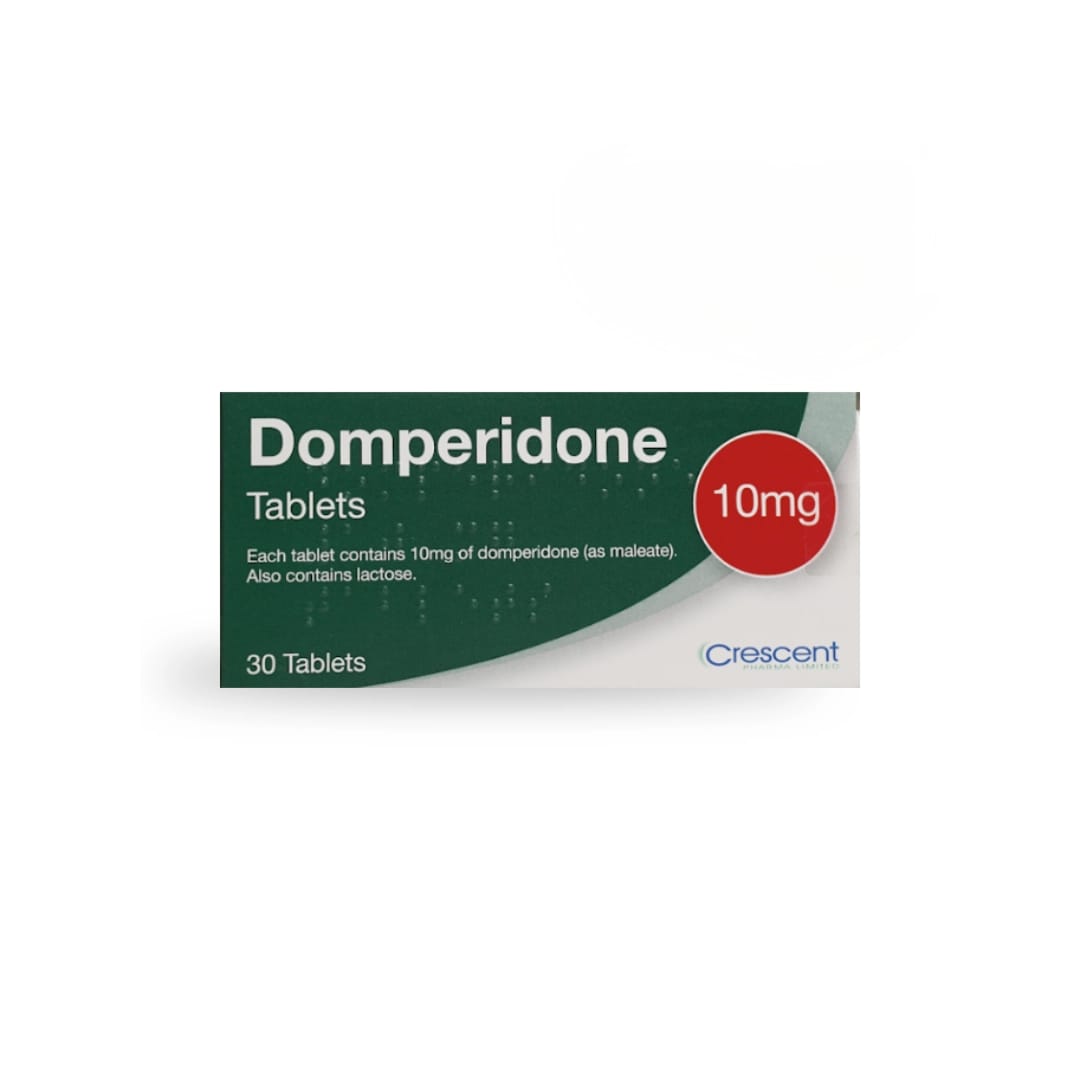
Domperidone
Buy Domperidone Online
Secure Encrypted Payments
Domperidone is a gastrointestinal medication used for nausea, vomiting, and symptoms related to slow stomach movement. You can buy Domperidone online, view current price information during ordering, and choose the dose or strength available for the product that matches the directions from your clinician. It may be supplied under names such as Motilium in some markets, so the active ingredient and strength are the most important details to match.
This medicine is a dopamine antagonist with prokinetic action, meaning it can help the upper digestive tract move food forward while also reducing nausea signals. Safety matters because Domperidone can affect heart rhythm in some people, especially when combined with certain medicines or used by someone with existing cardiac risk factors. U.S. delivery from Canada may be a practical service route for some customers, but the medication should still be chosen around the intended use, medical history, and full medication list.
Price, Strength Selection, and Online Ordering
Domperidone price can vary by the quantity selected, the available strength, the manufacturer, and the product presentation shown during ordering. Rather than relying on a brand name alone, match the active ingredient, dose or strength, and directions to the medication plan you were given. If you have used Motilium, Domperon, Peridone, or another international name before, compare the label carefully because naming can differ by country.
Many customers search for domperidone 10mg or a domperidone tablet because 10 mg tablets are common in some markets. The exact product shown during ordering controls what you are selecting, so use the available strength and quantity information to avoid confusion. If the appearance of the tablet differs from a previous package, that may reflect a different manufacturer rather than a different active ingredient.
Before placing an order, gather the reason for use, your current medication list, and any recent heart rhythm or liver concerns you have been told about. That information is useful because this medicine has important interaction and cardiac safety considerations. We may help review order details, and products are supplied through licensed pharmacies.
Quick tip: Keep the medication name, strength, and directions together so the order matches your intended treatment plan.
What Domperidone Is Used For
Domperidone is used for nausea and vomiting and may be considered when upper digestive symptoms suggest delayed stomach emptying. These symptoms can include early fullness, bloating after meals, post-meal discomfort, nausea, and vomiting. People looking into treatment for nausea and vomiting or gastroparesis often need both symptom relief and a clear safety discussion.
The medication works mainly by blocking dopamine receptors outside the brain and by promoting movement in the stomach and upper intestine. In plain terms, it may help food move through the stomach more normally while also reducing the urge to vomit. It is not a general cure for every cause of nausea, and ongoing or unexplained symptoms may need evaluation for infection, obstruction, medication side effects, migraine, pregnancy, ulcers, gallbladder disease, or other causes.
Domperidone is also discussed online in relation to lactation, but that use has special safety and regulatory concerns. Anyone considering it for that reason should speak with a qualified clinician and use official medical guidance rather than treating it as a routine stomach medicine. The same active ingredient can have different risk considerations depending on why it is being used.
U.S. Status, Motilium Names, and Generic Labels
Domperidone is familiar in many countries, but it is not generally marketed as an FDA-approved human medicine in the United States. That U.S. regulatory status is separate from whether a regulated product may be supplied through licensed pharmacy channels in another country. For U.S. customers using cross-border service, the practical task is to make sure the active ingredient, strength, and directions are appropriate for the intended use.
Motilium is a common brand name for domperidone in some markets. Generic products may also be labeled as domperidone tablets, domperidone medication, domperidone pills, Domperon, Peridone, or another market-specific name. Those names can make browsing confusing, but the reliable comparison is the active ingredient on the label.
| Name or label | What to focus on |
|---|---|
| Domperidone | Active ingredient name used for generic identification. |
| Motilium | Brand name used in some international markets. |
| Domperon or Peridone | Market-specific names that may still refer to the same active ingredient. |
| Tablet appearance | Color, shape, and packaging can differ by manufacturer. |
When switching between a branded pack and a generic pack, do not rely on tablet appearance alone. The label should show the active ingredient and strength, and the directions should match the plan you were given. If anything looks inconsistent, ask for clarification before taking the medicine.
Who It May Suit and When Symptoms Need Care
Domperidone may be considered for adults with nausea, vomiting, or upper digestive symptoms linked to slowed stomach movement. It may be relevant when symptoms overlap with functional dyspepsia, gastroparesis, or other motility-related concerns. The best fit depends on the cause of symptoms, other medicines being used, and personal risk factors.
Some warning signs should not be masked with an anti-nausea or motility medicine. Vomiting blood, black stools, severe dehydration, fainting, new chest pain, severe abdominal pain, persistent fever, or unexplained weight loss need prompt medical evaluation. Nausea that starts suddenly after a new medicine, a possible pregnancy, or a severe headache also deserves careful assessment.
People with a history of abnormal heart rhythm, unexplained fainting, significant liver disease, low potassium, low magnesium, or known QT prolongation may face higher risk. Older adults and people taking several interacting medicines also need a more careful medication review. The question is not only whether Domperidone can help symptoms, but whether the overall risk profile supports using it.
How Domperidone Is Usually Taken
Domperidone is usually taken on a regular schedule rather than used casually whenever symptoms appear. Many directions place doses before meals because food can change how quickly the medicine is absorbed, but the written directions you receive should control timing. Do not increase the amount or frequency to chase faster relief.
If a dose is missed, follow the directions provided with the medication rather than doubling the next amount. Taking extra can increase side effect risk without guaranteeing better symptom control. If symptoms persist despite regular use, the underlying cause may need reassessment rather than a higher dose.
- Use the strength shown during ordering that matches your directions.
- Take it at consistent times if that is part of your plan.
- Do not combine it with other nausea medicines without checking interaction risk.
- Seek help for palpitations, fainting, chest discomfort, or severe dizziness.
Response expectations vary. Some people use a medicine like this for short-term nausea, while others have a motility condition that needs follow-up. A useful plan includes when to reassess symptoms, what side effects would mean stopping, and what to do if vomiting prevents fluids from staying down.
Storage, Travel, and Handling
Store Domperidone in its original package unless a pharmacist gives different directions. A dry place at normal room temperature is typical for many tablets, while bathrooms, hot cars, direct sunlight, and damp areas are poor storage choices. Keep the package away from children and pets.
When traveling, keep the labeled container or blister pack with your medication list. International brand names can differ, and a clear label helps avoid confusion about the active ingredient and strength. If you are carrying medicine across borders, keep any relevant paperwork with the original packaging.
Do not use tablets from a damaged, wet, partly opened, or unreadable package. Crumbling, discoloration, or a missing expiry date are reasons to ask a pharmacist before use. For broader digestive medicine reading, the gastrointestinal articles section can help you understand common medication and symptom topics.
Orders may use prompt, express shipping, but timing can still depend on order details and documentation needs.
Side Effects, Warnings, and Monitoring
Common Domperidone side effects can include dry mouth, headache, dizziness, stomach cramps, diarrhea, or changes in bowel habits. Some people may notice breast tenderness or hormonal effects because dopamine-blocking medicines can influence prolactin. Mild side effects still matter if they keep returning or interfere with daily activities.
The most important serious concern is heart rhythm disturbance, including QT prolongation. QT prolongation is a delay in the heart’s electrical reset between beats, and in susceptible people it can raise the risk of dangerous arrhythmias. Seek urgent help for fainting, a racing or irregular heartbeat, chest discomfort, severe dizziness, or shortness of breath.
Risk is higher when Domperidone is used with other QT-prolonging medicines or drugs that increase Domperidone levels. Certain antibiotics, antifungals, antiarrhythmics, antidepressants, antipsychotics, HIV medicines, and some other drugs may require extra caution. Low potassium or magnesium, dehydration from vomiting, and significant liver disease can also increase concern.
- Tell a clinician about any prior abnormal ECG or unexplained fainting.
- Ask whether new antibiotics or antifungals interact before combining them.
- Report palpitations, fainting, or chest discomfort promptly.
- Watch dehydration risk if vomiting continues.
Why it matters: A medicine used for symptom relief can still carry meaningful cardiac risk in the wrong setting.
Medicine Interactions and Cautions
A full medication review is important before using Domperidone. The highest-priority interactions include medicines that prolong the QT interval and medicines that strongly inhibit CYP3A4, a liver enzyme involved in drug breakdown. When CYP3A4 is blocked, Domperidone levels may rise and side effects may become more likely.
Examples that often need careful review include macrolide antibiotics such as erythromycin or clarithromycin, azole antifungals, some heart rhythm medicines, certain antidepressants, antipsychotics, and some HIV therapies. Over-the-counter products and supplements should also be included because they may affect heart rhythm, electrolyte balance, or dizziness risk. Diuretics and severe vomiting can contribute to low potassium or magnesium, which matters for rhythm safety.
Alcohol may worsen dizziness or stomach upset for some people. Other nausea medicines may overlap in side effects or heart rhythm concerns. If you are starting, stopping, or changing another medication, reassess whether Domperidone still fits safely.
Related Digestive Treatment Choices
Domperidone is not interchangeable with every nausea or digestive medicine. Some alternatives mainly reduce nausea signals, while others affect stomach movement. The right choice depends on the suspected cause of symptoms, heart rhythm risk, neurologic side effect risk, and whether the treatment goal is short-term relief or motility support.
| Option | How it differs | When it may be discussed |
|---|---|---|
| Metoclopramide | Supports stomach emptying and nausea control, but has neurologic side effect concerns. | Often discussed when motility is the main issue and local treatment pathways matter. |
| Ondansetron | Targets nausea and vomiting but does not directly improve slow stomach movement. | Often used when anti-nausea relief is the main goal. |
| Erythromycin | May stimulate stomach movement in selected cases, but interactions and fading effect can be issues. | Sometimes considered for motility problems under close guidance. |
Non-drug steps may also be part of a plan, such as reviewing medicines that slow the gut, adjusting meal size, improving hydration, or investigating reflux, ulcer disease, gallbladder problems, migraine, or bowel obstruction. To browse the wider treatment area, visit gastrointestinal products. Category browsing can help you understand nearby options, but a clinician should guide which medicine matches your symptoms and risks.
Questions to Ask Before Using Domperidone
Before using Domperidone, ask what symptom pattern it is meant to treat and how long you should continue before reassessment. Clarify whether the goal is nausea relief, improved stomach emptying, or both. Also ask what warning signs should lead you to stop the medicine or seek urgent care.
Bring a current medication list, including supplements, recent antibiotics, heart rhythm medicines, mood medicines, and over-the-counter nausea or cold products. Mention any history of fainting, abnormal ECG, electrolyte problems, liver disease, or heart disease. If vomiting is frequent, dehydration itself can change the risk picture.
It is also reasonable to ask how this medicine compares with alternatives for your situation. A person with gastroparesis may need a different plan than someone with short-term nausea from an acute illness. The safest choice is the one that fits the diagnosis, the medication list, and the monitoring plan.
Authoritative Sources
These references provide regulatory and patient-safety context for Domperidone and should be used alongside professional guidance.
For U.S. regulatory context and safety concerns, see the FDA information about Domperidone.
For a patient-friendly explanation of uses, precautions, and common questions, review the NHS Domperidone overview.
For a clinical summary of oral Domperidone use and adverse effects, the Mayo Clinic oral monograph provides useful background.
This content is for informational purposes only and is not a substitute for professional medical advice.
QTc Calculator
Calculate corrected QT interval from measured QT and heart rate.
QTc
-
milliseconds
RR interval
-
seconds
These calculations are for education only and do not replace clinical advice, diagnosis, or treatment. Always confirm medical decisions with a qualified healthcare professional.
Customer Reviews
5.0
Based on 3 Reviews
Write a Review
Ask a Question
- Reviews
- Questions
Filter Reviews:
SW
08/15/2026
Shiela W.  US
USCall for help
Slower than we would like due to up customs
08/17/2026
borderfreehealth.com
Hi Shiela!We understand that customs delays can sometimes make the process slower than expected, and we truly appreciate your patience and understanding. We are always working to make the process as smooth and efficient as possible. If you ever need assistance or have any questions about your order, please do not hesitate to reach out. We are always here to help.Thank you for choosing Border Free Health!
Q
03/27/2025
qeNtfPNC 1
1
VG
07/19/2024
Virginia G. USDomperidone
My overall experience was good. The pills are helping me.
07/22/2024
borderfreehealth.com
Hi Virginia,Thank you for your feedback! We're glad to hear that Domperidone is helping you and that you had a positive overall experience. If you have any questions or need further assistance, please don't hesitate to reach out. We're here to support you.Thank you for choosing Border Free Health. Have a great day!
Express Shipping - from $29.99
Shipping with this method takes 3-5 days
Prices:
- Dry-Packed Products $29.99
- Cold-Packed Products $39.99
Shipping Countries:
- United States (all contiguous states**)
- Worldwide (excludes some countries***)
Standard Shipping - $19.99
Shipping with this method takes 5-10 days
Prices:
- Dry-Packed Products $19.99
- Not available for Cold-Packed products
Shipping Countries:
- United States (all contiguous states**)
- Worldwide (excludes some countries***)
What is Domperidone used for?
Domperidone is used for nausea and vomiting and may be considered for symptoms linked to slow stomach emptying, such as early fullness, bloating after meals, and post-meal discomfort. The cause of symptoms should still be evaluated, especially if vomiting is severe, persistent, or unexplained.
Can I get Domperidone in the US?
Domperidone is not generally marketed as an FDA-approved human medicine in the United States, but some U.S. customers look to licensed Canadian pharmacy channels for cross-border service. The active ingredient, strength, intended use, and safety factors should be checked carefully before use.
Is Motilium the same as Domperidone?
Motilium is a brand name for domperidone in some markets. Generic packs may use the active ingredient name or other market-specific names, so compare the active ingredient and strength rather than relying only on the brand name or tablet appearance.
Who should not take Domperidone?
Domperidone may not be suitable for people with certain heart rhythm problems, known QT prolongation, unexplained fainting, significant liver disease, low potassium or magnesium, or interacting medicines. A clinician or pharmacist should review individual risk factors and the full medication list.
What are the serious side effects of Domperidone?
The key serious concern is an abnormal heart rhythm, especially in people with cardiac risk factors or interacting medicines. Seek urgent help for fainting, a racing or irregular heartbeat, chest pain, severe dizziness, shortness of breath, or signs of an allergic reaction.
What is an alternative to Domperidone?
Alternatives depend on the treatment goal. Metoclopramide may be discussed for motility and nausea but has neurologic side effect concerns, while ondansetron is often used for nausea without directly improving stomach movement. A clinician should match the option to the symptom pattern and risk profile.
Rewards Program
Earn points on birthdays, product orders, reviews, friend referrals, and more! Enjoy your medication at unparalleled discounts while reaping rewards for every step you take with us.
You can read more about rewards here.
POINT VALUE
How to earn points
- 1Create an account and start earning.
- 2Earn points every time you shop or perform certain actions.
- 3Redeem points for exclusive discounts.
You Might Also Like
Select options
This product has multiple variants. The options may be chosen on the product page
Select options
This product has multiple variants. The options may be chosen on the product page
Select options
This product has multiple variants. The options may be chosen on the product page
Select options
This product has multiple variants. The options may be chosen on the product page