
Please note: a valid prescription is required for all prescription medication.
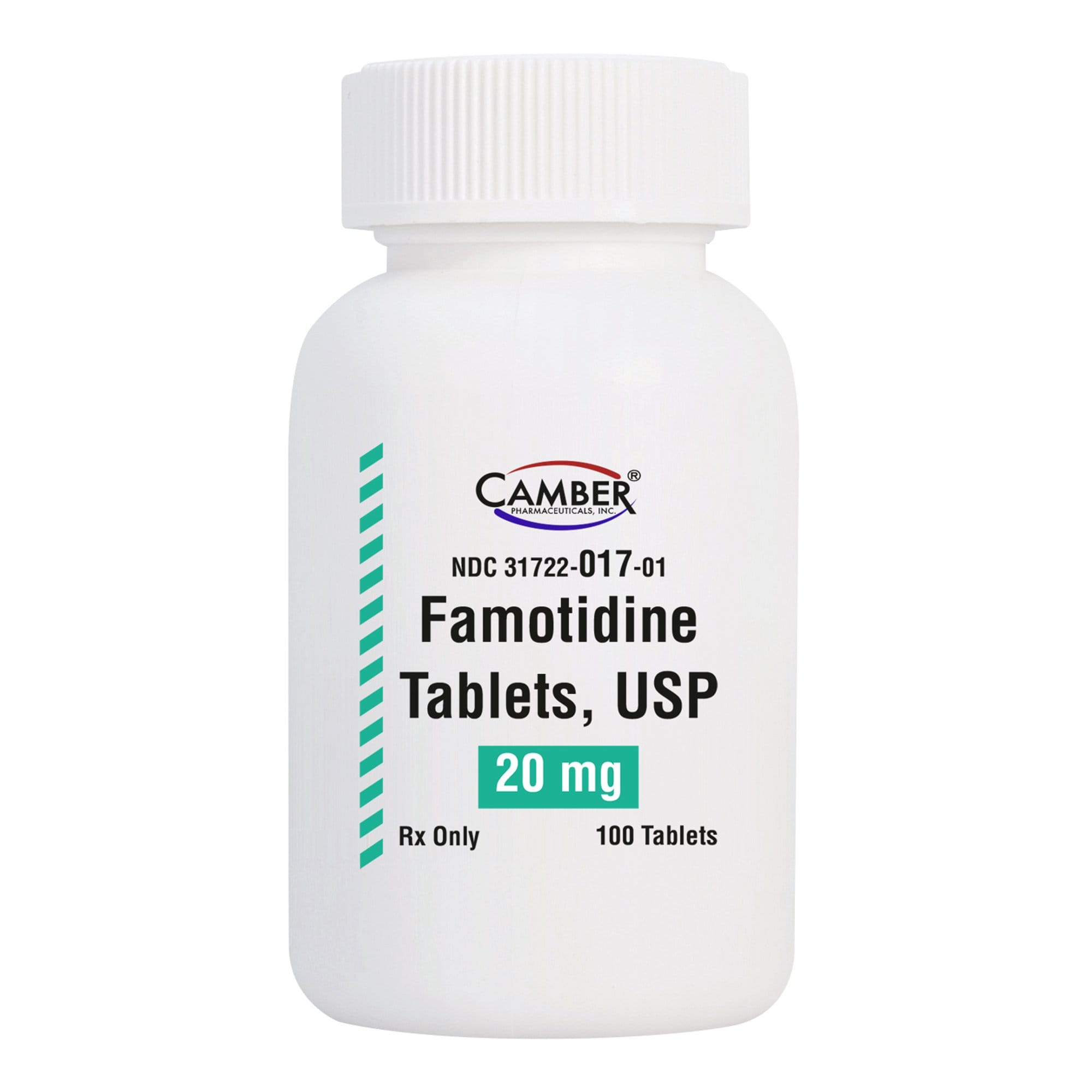
Famotidine
Buy Famotidine Online
Secure Encrypted Payments
Famotidine is an acid-reducing medicine used for heartburn, acid reflux, gastroesophageal reflux disease, and ulcer-related conditions. You can buy Famotidine online and choose the dose or strength shown during ordering, then match it to the directions from your healthcare professional or the product label.
Famotidine belongs to a group of medicines called H2 blockers, also known as histamine-2 receptor antagonists. It lowers the amount of acid made in the stomach, which can help reduce burning discomfort, sour taste, nighttime reflux, and acid-related irritation when the medicine is suitable for your situation.
Price, Strengths, and Ordering Choices
Current pricing is shown during ordering, so you can evaluate the quantity, strength, and form that fit your treatment plan. Many people look for famotidine 20 mg, famotidine 40 mg, or lower-strength acid reducer choices; select the strength displayed for the product and follow the directions that apply to your use.
Commonly referenced oral strengths include famotidine 10 mg, 20 mg, and 40 mg tablets. Some markets also offer famotidine liquid or clinical-use injectable forms, but the exact presentation you receive depends on the item selected and pharmacy supply. If swallowing tablets is difficult, ask a healthcare professional whether a liquid, chewable acid reducer, or another gastrointestinal treatment is appropriate.
Cash-pay customers can use the displayed cost to plan refills and avoid surprises. If you are comparing Canadian pricing famotidine with local pharmacy costs, keep the comparison practical: look at strength, quantity, form, and how often you will need refills rather than tablet price alone.
Orders may be supported with US delivery from Canada, and products are supplied through licensed pharmacies. Choose your needed strength carefully, keep your medication list handy, and ask your clinician or pharmacist if you are unsure whether a tablet, liquid, or different acid-reducing approach best fits your symptoms.
What Famotidine Treats
Famotidine is used to prevent and relieve heartburn caused by acid indigestion or sour stomach. It is also used for gastroesophageal reflux disease, often called GERD, and for certain stomach or intestinal ulcers. GERD occurs when stomach acid frequently flows back into the esophagus, causing symptoms such as burning, regurgitation, cough, or throat irritation.
Clinicians may also use this medicine for active duodenal ulcers, active gastric ulcers, ulcer maintenance in selected patients, and conditions involving excess stomach acid. Zollinger-Ellison syndrome is one example of a hypersecretory condition, meaning the stomach produces too much acid due to an underlying disorder.
For condition background and treatment discussions, see gastroesophageal reflux disease, peptic ulcer disease, and Zollinger-Ellison syndrome. These condition pages can help you prepare more focused questions about symptom patterns, long-term management, and when stronger acid suppression may be needed.
How This Acid Reducer Works
Famotidine blocks H2 receptors on stomach cells called parietal cells. When these receptors are blocked, the stomach releases less acid. Lower acid levels can reduce irritation of the esophagus and stomach lining, which may support symptom control and ulcer healing when the medicine is used as directed.
Famotidine is the generic name of the active ingredient found in familiar branded products such as Pepcid and Pepcid AC. Generic famotidine and branded famotidine products may differ in inactive ingredients, tablet appearance, flavor, or dosage form, but the acid-reducing ingredient is the same active medicine.
H2 blockers are different from proton pump inhibitors, also called PPIs. H2 blockers reduce acid by blocking histamine signals, while PPIs reduce acid through a different stomach-acid pathway. This difference matters when symptoms are frequent, severe, or linked to erosive esophagitis, because a clinician may recommend one class over the other based on diagnosis and treatment goals.
How to Take Famotidine Safely
Use Famotidine exactly as directed on the product label or by your healthcare professional. For occasional heartburn, many famotidine products are taken before a meal or drink that commonly triggers symptoms. For GERD, ulcer treatment, or acid hypersecretion, the schedule may be more structured and should not be changed without medical guidance.
Famotidine tablets are usually swallowed with water. If you use a liquid form, measure each dose with an oral syringe or dosing cup rather than a kitchen spoon. Shake the bottle only if the label instructs you to do so, and follow the stated storage and beyond-use directions.
Quick tip: Keep a simple symptom log with meal timing, bedtime symptoms, and breakthrough heartburn so your clinician can evaluate whether timing or treatment needs adjustment.
If you miss a scheduled dose, take it when remembered unless it is close to the next dose. Skip the missed dose if the next dose is near, and do not double doses to catch up. For as-needed heartburn relief, follow the Drug Facts or package directions for timing and daily limits.
Daily Use, Duration, and When to Get Medical Help
Some people use famotidine occasionally, while others use it daily for a defined treatment period. Daily use is not automatically harmful, but it should match the reason you are taking it, your kidney function, other medicines, and the duration recommended for your condition.
Persistent heartburn can sometimes signal a condition that needs evaluation rather than longer self-treatment. Contact a healthcare professional if symptoms continue, return quickly after stopping, worsen despite therapy, or require frequent acid reducers. Seek urgent care for trouble swallowing, chest pain, black stools, vomiting blood, unexplained weight loss, or severe persistent vomiting.
Older adults and people with reduced kidney function may need closer review because famotidine is cleared partly through the kidneys. Confusion, unusual agitation, or rhythm symptoms should be discussed promptly, especially if they occur after starting or increasing acid-reducing therapy.
Side Effects, Warnings, and Interactions
Most people tolerate famotidine well, but side effects can occur. Commonly reported effects include headache, dizziness, constipation, diarrhea, nausea, and fatigue. These effects are often mild, yet they still matter if they interfere with driving, work, hydration, or daily routines.
Serious allergic reactions are uncommon but need urgent attention. Get emergency help for swelling of the face, lips, tongue, or throat; trouble breathing; severe rash; or sudden widespread hives. Rare nervous system effects such as confusion or hallucinations have been reported, especially in patients with kidney impairment or advanced age.
Famotidine can affect the absorption of medicines that need stomach acid to work properly. Examples may include certain antifungals, some HIV medicines, and other acid-sensitive treatments. Share all prescription medicines, over-the-counter products, vitamins, and supplements with a healthcare professional before combining acid reducers.
Avoid assuming that stronger acid reduction is always better. Taking famotidine with antacids, PPIs, or other H2 blockers may be reasonable in some plans, but the combination should be intentional. Alcohol, large late meals, smoking, peppermint, fried foods, and spicy meals can still trigger reflux even when medication helps reduce acid.
Pregnancy, Breastfeeding, Children, and Kidney Concerns
If you are pregnant, planning pregnancy, or breastfeeding, ask a healthcare professional before starting or continuing famotidine. The decision depends on symptom severity, other medical conditions, and whether non-drug measures are enough. Heartburn is common during pregnancy, but persistent symptoms still deserve individualized guidance.
Children should use age-appropriate products and dosing directions. Do not adapt an adult tablet routine for a child unless a pediatric clinician has given clear instructions. Pediatric reflux, vomiting, poor weight gain, feeding difficulty, or abdominal pain may need evaluation before acid suppression is used.
Kidney function is an important safety factor. People with moderate to severe kidney impairment may need a different schedule or closer monitoring. Tell your clinician if you have chronic kidney disease, dialysis, a recent kidney injury, or new confusion after starting the medicine.
Storage, Travel, and Handling
Store tablets in a dry place at typical room temperature with the container closed tightly. Keep the medicine away from excess heat, direct light, bathrooms, sinks, and other humid areas. Store all acid reducers out of reach of children and pets, including chewable or flavored products that may look appealing.
Liquid famotidine may have different storage instructions depending on the formulation. Read the bottle label for refrigeration, shaking, and discard-after dates. Do not use liquid that has changed color, developed particles, leaked, or passed its beyond-use date.
For travel, keep Famotidine in its original container and place it in carry-on luggage. Bring a copy of the medication label or health record if you are carrying larger quantities. Orders may be handled with prompt, express shipping, but plan refills early so travel, weekends, or holidays do not interrupt your routine.
Comparing Famotidine With Related Acid-Reducing Options
Famotidine may be a practical choice for short-term heartburn control, nighttime symptoms, or ulcer-related acid reduction. It is often considered when a person wants an H2 blocker rather than a PPI, or when a clinician wants to reduce acid without using a stronger or longer-acting acid-suppression plan.
Other gastrointestinal medicines may be more suitable when symptoms are frequent, erosive, complicated, or linked to another diagnosis. Browse the gastrointestinal medicines category for related treatments that may be discussed with a healthcare professional. Category browsing is most useful when you already know whether your symptoms are occasional heartburn, diagnosed GERD, ulcer disease, or another condition.
Famotidine and cimetidine are both H2 blockers, but they are not identical. Cimetidine has a different interaction profile and may be less suitable for some medication lists. PPIs such as omeprazole or pantoprazole reduce acid through a separate mechanism and may be chosen for different clinical goals.
Why it matters: Matching the medicine class to the diagnosis helps avoid undertreating serious reflux or overtreating occasional heartburn.
Lifestyle Measures That Support Acid Control
Medication often works best when common triggers are addressed. Smaller evening meals, avoiding late-night snacks, elevating the head of the bed, and leaving time between dinner and lying down may reduce reflux episodes. Weight changes, pregnancy, certain medicines, and smoking can also influence symptom frequency.
Food triggers vary. Some people react to coffee, chocolate, citrus, tomato, peppermint, fried foods, carbonated drinks, or alcohol, while others do not. Instead of eliminating many foods at once, track patterns and discuss meaningful changes with a clinician, especially if symptoms are frequent or nutrition becomes restricted.
For broader digestive-health topics, the gastrointestinal articles section can help you prepare questions about reflux habits, ulcer symptoms, and medication timing. Educational reading should support, not replace, individualized medical care.
Questions to Ask Before Choosing a Strength
Before selecting famotidine 20 mg, famotidine 40 mg, or another strength, clarify the purpose of treatment. Occasional heartburn, GERD, ulcer healing, and acid hypersecretion may require different schedules and follow-up. The right strength is the one that matches your label directions or clinician-guided plan.
- Is this medicine intended for occasional heartburn or a diagnosed condition?
- Which strength and timing should I follow?
- How long should I use it before reassessing symptoms?
- Do any of my medicines need stomach acid for absorption?
- Should I avoid combining it with antacids, PPIs, or another H2 blocker?
- Do my kidney function, age, pregnancy status, or breastfeeding plans affect use?
- Which symptoms mean I should seek urgent medical care?
If you are self-paying, ask whether a larger quantity, different strength, or alternative acid reducer is reasonable for your situation. Do not split, crush, or change tablets unless the product label or a pharmacist says it is acceptable.
Authoritative Sources
MedlinePlus drug information: Famotidine
Health Canada product record: Famotidine
This content is for informational purposes only and is not a substitute for professional medical advice.
Express Shipping - from $29.99
Shipping with this method takes 3-5 days
Prices:
- Dry-Packed Products $29.99
- Cold-Packed Products $39.99
Shipping Countries:
- United States (all contiguous states**)
- Worldwide (excludes some countries***)
Standard Shipping - $19.99
Shipping with this method takes 5-10 days
Prices:
- Dry-Packed Products $19.99
- Not available for Cold-Packed products
Shipping Countries:
- United States (all contiguous states**)
- Worldwide (excludes some countries***)
What is Famotidine usually used for?
Famotidine is used to reduce stomach acid. It may be used for heartburn, acid indigestion, GERD, gastric or duodenal ulcers, and certain excess-acid conditions when appropriate for the patient.
Is it harmful to take Famotidine every day?
Daily use is not automatically harmful, but it should match the reason for treatment and your health profile. Ask a healthcare professional if you need it often, have kidney disease, or symptoms keep returning.
What is the biggest side effect of Famotidine?
Common side effects include headache, dizziness, constipation, diarrhea, nausea, and fatigue. Serious allergic reactions are rare but need urgent care if breathing trouble, facial swelling, or severe rash occurs.
Can Famotidine interact with other medicines?
Yes. By lowering stomach acid, Famotidine can affect absorption of medicines that need an acidic stomach environment. Share your full medication and supplement list with a clinician or pharmacist.
How should Famotidine tablets be stored?
Store tablets in a dry place at typical room temperature, away from heat, light, and moisture. Keep the container closed and out of reach of children and pets.
Rewards Program
Earn points on birthdays, product orders, reviews, friend referrals, and more! Enjoy your medication at unparalleled discounts while reaping rewards for every step you take with us.
You can read more about rewards here.
POINT VALUE
How to earn points
- 1Create an account and start earning.
- 2Earn points every time you shop or perform certain actions.
- 3Redeem points for exclusive discounts.
You Might Also Like
Select options
This product has multiple variants. The options may be chosen on the product page
Select options
This product has multiple variants. The options may be chosen on the product page
Select options
This product has multiple variants. The options may be chosen on the product page
Select options
This product has multiple variants. The options may be chosen on the product page