

Please note: a valid prescription is required for all prescription medication.
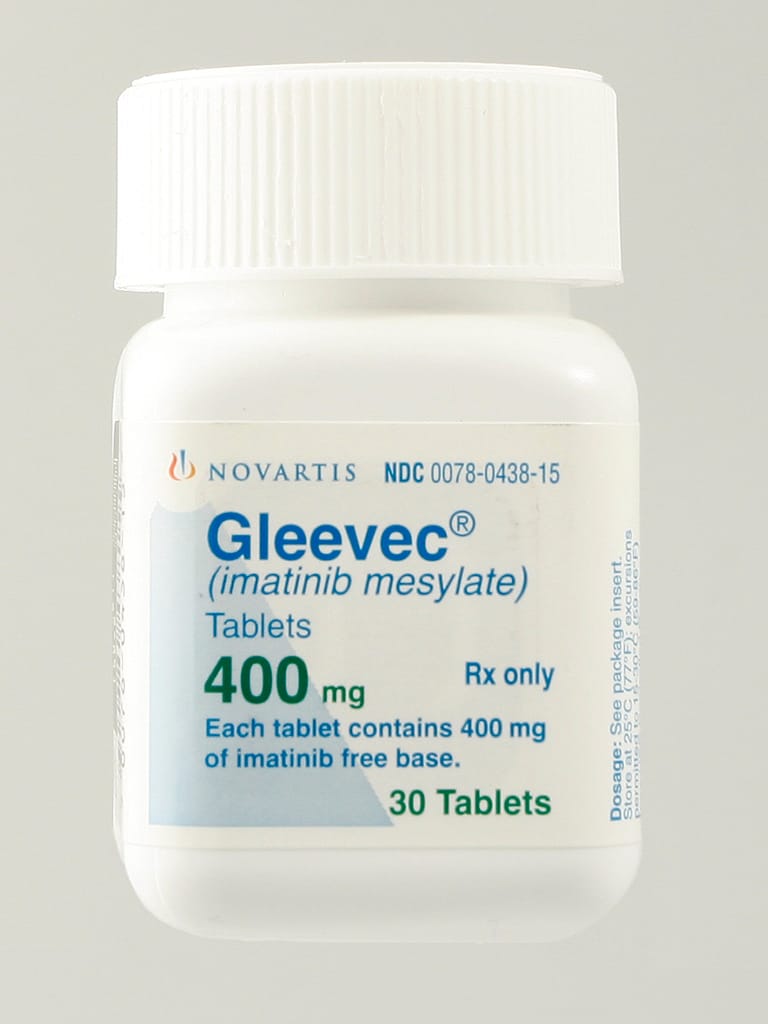
Gleevec
Gleevec (imatinib)
Price:
$4,059.99
Secure Encrypted Payments
Gleevec is a prescription cancer medicine containing imatinib, a targeted therapy used for certain blood cancers and specific tumors. This page summarizes how the treatment works, what conditions it may be prescribed for, and practical basics like dosing patterns, interactions, and storage. It also explains access steps on BorderFreeHealth so it’s easier to prepare paperwork and plan refills when using cash pay without insurance.
What Gleevec Is and How It Works
Imatinib belongs to a class called tyrosine kinase inhibitors (signal-blocking cancer medicines). It works by blocking specific enzymes (kinases) that help cancer cells grow and divide. For example, in some leukemias it targets the abnormal BCR-ABL signal created by the Philadelphia chromosome (a gene change that can drive disease). On BorderFreeHealth, medications Ships from Canada to US through partner dispensing channels, which can affect how refills are timed.
Dispensing is coordinated through licensed Canadian partner pharmacies.
Imatinib also blocks other kinases such as KIT and PDGFR that can be involved in certain tumors. By focusing on these signals, the therapy aims to slow or stop growth of cells that depend on them. Effects vary by diagnosis, prior treatment history, and how the disease responds over time.
Why it matters: Targeted treatments rely on the right diagnosis and testing, not symptoms alone.
For broader context about cancer medicines offered across the site, the Cancer Category hub is a browseable list of related therapies.
Who It’s For
Gleevec may be prescribed for adults or children (depending on indication) with specific cancers where imatinib has an approved role. Common examples include chronic myeloid leukemia, some cases of Philadelphia chromosome–positive acute lymphoblastic leukemia, and gastrointestinal stromal tumors. Condition hubs such as Chronic Myeloid Leukemia and Gastrointestinal Stromal Tumor help organize related options, but they do not replace individualized clinical guidance.
Whether this therapy is appropriate depends on lab results, pathology findings, and prior treatment. It is not used for every leukemia or every solid tumor. People with a known allergy to imatinib or certain inactive ingredients generally should not take it. Prescribers also weigh factors like pregnancy potential, liver or kidney concerns, heart history, and fluid retention risk before choosing a tyrosine kinase inhibitor.
Some conditions use imatinib in an adjuvant (after-surgery) role, while others use it for active disease control. The intended goal and duration can differ greatly, so the safest reference point is the current prescribing information for the specific diagnosis being treated.
Dosage and Usage
Gleevec is taken by mouth and is commonly scheduled once daily, though some regimens divide the total daily amount into two doses. The exact dose and schedule are condition-specific and may change based on response, side effects, and lab monitoring. This medicine is usually taken with food and a large glass of water to reduce stomach upset, and tablets are typically swallowed whole unless a clinician provides another method.
Because dosing is individualized, it is important not to change the number of tablets or timing without the prescriber’s direction. If a dose is missed, many labels advise taking it as soon as remembered unless it is close to the next dose; doubling up can raise side-effect risk. Clinics often order routine bloodwork to watch blood counts and organ function, especially during initiation and any dose adjustments.
Keeping a written medication list helps reduce confusion when multiple drugs are involved. Include over-the-counter items and supplements, since some can affect imatinib levels.
Strengths and Forms
Gleevec is supplied as oral tablets, and strength availability can vary by market and supplier. Imatinib tablets are commonly seen in strengths such as 100 mg and 400 mg, including imatinib tablets 400 mg that may be used when higher daily totals are prescribed. Some people also receive a generic version (generic imatinib), which contains the same active ingredient but may differ in tablet appearance and inactive ingredients.
Brand names can vary internationally; for example, “glivec” may be used in some regions for the same active ingredient. If a switch occurs between brand and generic of Gleevec, clinicians and pharmacists typically confirm the strength, the daily total, and any special handling instructions so the regimen stays consistent.
| Form | Common presentation | Notes |
|---|---|---|
| Tablet | Oral solid dose | Strength and markings can vary |
When comparing products, focus on the active ingredient name (imatinib) and the prescribed strength on the label. That reduces errors when packaging or tablet color changes between fills.
Storage and Travel Basics
Store imatinib tablets at controlled room temperature, away from excess heat and moisture. Keep the medicine in its original container when possible, with the label intact for identification. As with many cancer therapies, it should be kept out of reach of children and pets, and unused tablets should be disposed of through a pharmacy take-back program when available.
For travel, carry the medication in a personal item rather than checked luggage, since temperature swings can be unpredictable. Bring enough doses for the full trip plus a small buffer in case of delays. If a dose schedule crosses time zones, many clinics suggest planning ahead with a written schedule so doses aren’t accidentally clustered too close together.
Quick tip: Take a clear photo of the pharmacy label before traveling.
If nausea is an issue, prescribers often recommend taking the dose with a meal and water. Any persistent vomiting, dehydration, or inability to keep doses down should be reported, because it can affect drug exposure and safety monitoring plans.
Side Effects and Safety
Gleevec can cause side effects that range from mild to serious, and tolerability varies. Commonly reported issues include nausea, diarrhea, muscle cramps, fatigue, rash, and swelling (edema), especially around the eyes or ankles. Some people notice weight gain related to fluid retention. These effects can often be managed with supportive care, schedule adjustments, or dose changes directed by the prescriber.
Prescriptions are verified with prescribers before dispensing.
More serious risks can include low blood cell counts (which may raise infection or bleeding risk), liver injury, severe fluid retention, heart problems in susceptible individuals, and gastrointestinal bleeding. Because these risks are not always obvious early on, routine lab tests and symptom check-ins are part of safe use. Contact the treating team promptly if unusual bruising, black stools, yellowing of the skin, severe shortness of breath, chest pain, or fainting occurs.
When to seek urgent care
Seek urgent evaluation if there are signs of a severe allergic reaction (such as facial swelling, trouble breathing, or widespread hives) or symptoms suggesting a serious complication. Examples include sudden severe abdominal pain, vomiting blood, confusion, severe weakness, or rapidly worsening swelling with breathing difficulty. For people at higher risk of infection, fever can be an emergency sign, especially if blood counts are low. Even if symptoms seem unrelated, sharing that imatinib is part of the medication list helps emergency teams interpret labs and drug interactions.
Monitoring plans differ by condition and medical history. Clinics may track complete blood counts, liver enzymes, kidney function, weight changes, and symptoms of fluid retention. If pregnancy is possible, discuss contraception and pregnancy planning early, since fetal risk considerations may apply.
Drug Interactions and Cautions
Imatinib is processed by liver enzymes (including CYP3A4), so certain medicines and supplements can raise or lower its levels. Strong enzyme inhibitors (some antifungals or antibiotics) may increase exposure and side effects, while strong inducers (such as St. John’s wort) may reduce effectiveness. Grapefruit and grapefruit juice can also affect drug metabolism for some people, so many labels recommend avoiding them while on therapy.
Other interaction concerns include anticoagulants, some seizure medications, and drugs that may affect liver function. If pain relievers are needed, clinicians often review acetaminophen and nonsteroidal anti-inflammatory drug use because of liver, kidney, or bleeding considerations. Always provide a complete medication list, including supplements, so the prescriber can screen for conflicts and decide if extra monitoring is needed.
For additional background on related medicines in the same treatment area, site resources such as Dasatinib Mechanism Of Action can help explain why interaction screening matters across tyrosine kinase inhibitors.
Compare With Alternatives
Gleevec is one option within a broader set of targeted therapies used for similar conditions. Depending on the diagnosis and treatment stage, alternatives may include other tyrosine kinase inhibitors such as dasatinib, nilotinib, bosutinib, or newer agents. The best choice is not only about diagnosis; it can also depend on prior resistance patterns, heart rhythm history, lung or pleural effusion risk, liver function, and the person’s full medication list.
When clinicians compare options, they often review practical differences like dosing schedule, food requirements, lab monitoring, and interaction profiles. For readers looking to understand other therapies commonly discussed alongside imatinib, see Nilotinib Uses And Precautions and How Bosulif Treats CML. Product references are also available for Dasatinib Details and Tasigna Details to help confirm names and forms discussed by a clinic.
- Diagnosis match: confirmed target mutation
- Safety fit: comorbidities and labs
- Interactions: prescription and nonprescription items
- Practicality: schedule and food rules
Switching therapies, using combinations, or planning adjuvant treatment should always be directed by the oncology team. If a change is proposed, asking how monitoring will differ can make the transition less stressful.
Pricing and Access
Gleevec costs can vary based on strength, daily dose, brand versus generic availability, and the days’ supply dispensed. Some people may be prescribed generic imatinib, which can change out-of-pocket spending compared with the brand product. Coverage terms differ across plans, so gleevec cost with insurance may look very different from cash-pay arrangements when coverage is limited or absent.
BorderFreeHealth facilitates cross-border access by coordinating with Canadian dispensing partners and confirming prescription validity before fill. Cash-pay access is available for those without insurance.
For planning purposes, it can help to confirm the exact strength, quantity, and refill count on the prescription. That information influences supply length and refill timing. If savings opportunities are available, they are listed on Current Promotions, which may change over time and may not apply to every medicine.
To submit a request, upload a valid prescription and complete the required patient details; choose prompt, express shipping when it’s offered at checkout.
Authoritative Sources
For the most reliable details on indications, dosing by condition, contraindications, and boxed or serious warnings, refer to official labeling and trusted medical references. These sources are also useful when comparing brand and generic formulations, since they list the clinically relevant safety information that does not change between manufacturers.
Neutral references include:
- FDA drug labeling database (search imatinib)
- MedlinePlus patient information for imatinib
- NCI overview of cancer treatment drugs
This content is for informational purposes only and is not a substitute for professional medical advice.
Express Shipping - from $25.00
Shipping with this method takes 3-5 days
Prices:
- Dry-Packed Products $25.00
- Cold-Packed Products $35.00
Shipping Countries:
- United States (all contiguous states**)
- Worldwide (excludes some countries***)
Standard Shipping - $15.00
Shipping with this method takes 5-10 days
Prices:
- Dry-Packed Products $15.00
- Not available for Cold-Packed products
Shipping Countries:
- United States (all contiguous states**)
- Worldwide (excludes some countries***)
What is imatinib and what is it used to treat?
Imatinib is a targeted cancer medicine in the tyrosine kinase inhibitor class. It is used for specific cancers where certain abnormal cell signals are known to drive growth, such as some forms of chronic myeloid leukemia (CML), Philadelphia chromosome–positive acute lymphoblastic leukemia (Ph+ ALL), and gastrointestinal stromal tumors (GIST). Whether it is appropriate depends on diagnosis, lab or genetic testing, and prior treatments. A clinician uses these details to match the drug to the condition and to plan monitoring.
Is there a generic version of Gleevec?
Yes. The generic of Gleevec is imatinib (often listed as imatinib mesylate). Generic imatinib contains the same active ingredient and is expected to work the same way in the body, but the tablet appearance, inactive ingredients, and packaging can differ by manufacturer. If a switch happens between brand and generic, it is important to confirm the strength (for example, 100 mg vs 400 mg tablets) and the total daily amount on the prescription label to avoid dosing errors.
What monitoring is usually needed while taking imatinib?
Monitoring commonly includes blood tests to follow complete blood counts and organ function, especially liver enzymes. Clinicians may also track weight changes and swelling because fluid retention can occur. The exact schedule depends on the condition being treated, baseline health, and any symptoms that develop. People are usually advised to report fever, unusual bruising or bleeding, shortness of breath, severe fatigue, or yellowing of the skin promptly, since these can signal complications that need urgent evaluation.
Can imatinib interact with grapefruit, supplements, or other medicines?
Imatinib can interact with medicines and supplements that affect liver enzymes such as CYP3A4. Some drugs may increase imatinib levels and side effects, while others may reduce levels and potentially reduce effectiveness. St. John’s wort is a common example of a supplement many labels advise avoiding. Grapefruit or grapefruit juice may also affect metabolism for some people. Because interaction risks depend on the full medication list, it is best to review prescriptions, over-the-counter products, and supplements with a pharmacist or prescriber.
Why might a clinician change an imatinib dose or schedule?
Dose or schedule changes can happen for several reasons, including side effects (such as significant swelling, rash, or gastrointestinal intolerance), lab changes (like low blood counts or elevated liver enzymes), or an assessment of how well the disease is responding. Some regimens use once-daily dosing, while others divide the daily amount into two doses to improve tolerability. Adjustments should always be guided by the prescriber, since changes can affect both safety and disease control.
What should I ask my clinician before starting imatinib?
It can help to ask what diagnosis-specific test results support imatinib use, how success will be measured, and what symptoms should prompt an urgent call. Also ask about expected lab monitoring, interaction precautions (including supplements and grapefruit), and how to handle missed doses. If pregnancy is possible, discuss contraception and pregnancy planning early. Bringing a complete medication list, including nonprescription items, makes it easier for the care team to screen for interactions and tailor a safe monitoring plan.
Rewards Program
Earn points on birthdays, product orders, reviews, friend referrals, and more! Enjoy your medication at unparalleled discounts while reaping rewards for every step you take with us.
You can read more about rewards here.
POINT VALUE
How to earn points
- 1Create an account and start earning.
- 2Earn points every time you shop or perform certain actions.
- 3Redeem points for exclusive discounts.
How to book an appointment
- 1Create Begin by completing a profile or log into your existing account. This step ensures we have the necessary information to provide you with a service that's tailored to your needs. account and start earning.
- 2Scheduling an appointment with our online booking system is easy. Pick a day and time that suits you. You’ll receive an immediate confirmation, without the wait.
- 3Discuss your concerns and symptoms and receive a thorough diagnosis from one of our licensed doctors during a confidential video appointment.
- 4If you've been prescribed medication, your Rx is sent directly to one of our licensed pharmacies and delivered right to your door.
Get Started
To book an online doctor appointment, register for an account or login. After doing so, you can book your visit on this page.
You Might Also Like
Select options
This product has multiple variants. The options may be chosen on the product page
Select options
This product has multiple variants. The options may be chosen on the product page
Select options
This product has multiple variants. The options may be chosen on the product page
Select options
This product has multiple variants. The options may be chosen on the product page