
Please note: a valid prescription is required for all prescription medication.


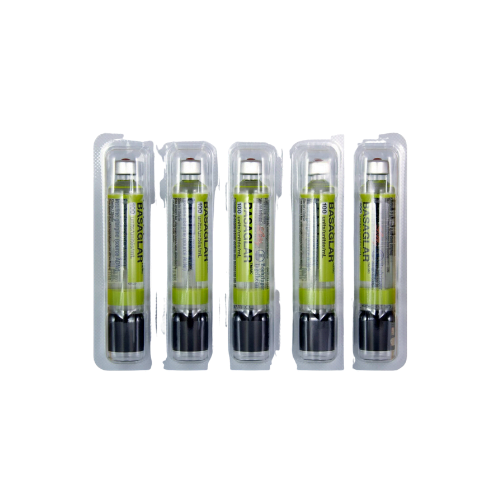
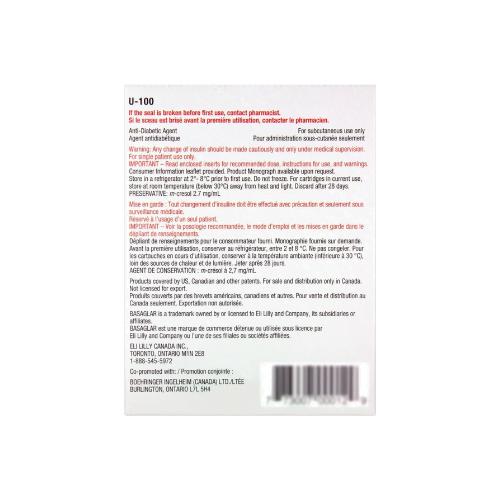
Basaglar Cartridge
Buy Basaglar Cartridge Online
Secure Encrypted Payments
Basaglar Cartridge is an insulin glargine cartridge used as a long-acting basal insulin for diabetes management. It can be ordered online, with current price details shown during checkout, and you should choose the strength and quantity that match your clinician’s directions. This cartridge format is intended for people whose treatment plan includes background insulin coverage across the day and night.
Basaglar insulin glargine cartridge supplies are used with compatible reusable insulin pen systems rather than as stand-alone syringes or disposable prefilled pens. Because basal insulin is a high-alert medicine, the label, device instructions, glucose-monitoring plan, and dose schedule should all align before use. If you are switching from another basal insulin, replacing a cartridge, or restarting after a gap, confirm the plan with your diabetes care team.
Basaglar Cartridge Price, Strength, and Ordering
Basaglar Cartridge price can vary by cartridge quantity, supply size, and the details shown at checkout. The product is commonly searched as Basaglar Cartridge 100 units/mL or Basaglar Cartridge 3 mL because the cartridge contains U-100 insulin glargine solution. U-100 means 100 units of insulin per 1 mL of solution, so the concentration must match the instructions used for your pen device and dose plan.
When ordering, select the Basaglar Cartridge strength and quantity displayed for the medication and match them to your treatment instructions. Do not substitute a vial, disposable pen, or different insulin cartridge unless your clinician has specifically directed that change. Small differences in delivery device, cartridge fit, and insulin type can affect how the dose is prepared and delivered.
Many people compare Basaglar Cartridge cost with other basal insulin formats when paying out of pocket. A cash-pay order can be useful when coverage is limited, but insulin choice should still be based on the active ingredient, device compatibility, glucose pattern, and the dosing plan. US shipping from Canada may be available as part of the order process, with prompt, express shipping shown when offered at checkout.
| Attribute | What it means | Why it matters |
|---|---|---|
| Active ingredient | Insulin glargine | Provides long-acting basal insulin coverage |
| Concentration | 100 units/mL (U-100) | Must match the dose instructions and device setup |
| Cartridge format | 3 mL cartridge presentation | Used with a compatible reusable insulin pen system |
| Role in therapy | Basal insulin | Helps cover background insulin needs, not meal spikes |
What Basal Insulin Is Used For
Basaglar Cartridge is used in diabetes mellitus when long-acting insulin is part of the glucose-lowering plan. In type 1 diabetes, basal insulin is usually paired with mealtime insulin because the body needs insulin for both background and meal-related glucose control. In type 2 diabetes, basal insulin may be used alone or with other diabetes medicines when glucose goals are not being met with the current regimen.
Insulin glargine is designed to release slowly after injection under the skin. It helps reduce fasting and between-meal glucose rises, but it does not replace rapid-acting insulin when meal coverage is required. For broader background on insulin categories, the diabetes articles under type 1 diabetes education and type 2 diabetes education can help you discuss basal and mealtime roles more clearly with your care team.
Basal insulin is not used to treat diabetic ketoacidosis, a medical emergency that needs urgent care and different insulin management. It should also not be used during an episode of low blood sugar. If readings are unexpectedly low, food intake has changed, or illness is affecting your glucose pattern, follow the plan provided by your clinician or seek medical help when symptoms are severe.
Why it matters: Basal insulin supports background control, but rapid glucose changes may need a different response.
How the Cartridge Format Is Typically Used
Basaglar Cartridge is made for subcutaneous injection, meaning it is injected into the fatty tissue under the skin. The cartridge must be placed into a compatible reusable pen device that is designed for insulin cartridges. It should not be used if the cartridge does not fit securely, if the pen device does not advance properly, or if the dose display does not match the intended dose.
Common safe-use steps include attaching a new needle for each injection, priming the pen according to device directions, injecting at the recommended site, and keeping the needle in place for the instructed amount of time. Rotate injection sites within recommended areas such as the abdomen, thigh, or upper arm to lower the chance of lipodystrophy, which means thickened or pitted fatty tissue from repeated injections in the same spot.
Never share insulin pens, cartridges, or needles, even if a new needle is used. Sharing injection equipment can transmit infections. People with vision or dexterity challenges may need help choosing a device setup that allows accurate dose selection and safe handling. The product should look clear and colorless before use; cloudiness, particles, or a damaged cartridge are reasons to pause and ask a pharmacist or clinician for guidance.
Dose Timing, Monitoring, and Daily Routine
Basaglar Cartridge is commonly used once daily at the same time each day, although individual instructions may differ. Your dose is based on glucose readings, meals, activity, other medicines, kidney or liver function, illness patterns, and risk of hypoglycemia. Do not adjust the dose, timing, or frequency unless your clinician has told you how to do so.
Glucose monitoring is central to safe insulin use. Fasting readings, bedtime readings, meal patterns, and symptoms can all help your care team understand whether basal insulin is covering the right part of the day. Some people also use continuous glucose monitoring, which can show overnight lows, early-morning rises, and trends that fingerstick readings may miss.
A common diabetes question is whether there is a simple “3-hour rule.” The phrase can mean different things in different diabetes plans, such as spacing correction doses of rapid-acting insulin to avoid stacking. It is not a universal Basaglar Cartridge rule. Basal insulin works slowly and should be managed according to the written plan for your specific regimen.
- Keep the dosing time consistent unless instructed otherwise.
- Track low blood sugar episodes and likely causes.
- Bring glucose logs or device reports to follow-up visits.
- Ask what to do during illness, reduced appetite, or unusual activity.
- Know when ketone testing or urgent care is needed.
Storage, Handling, and Travel
Basaglar Cartridge should be stored according to the package insert and pharmacy instructions. In general, unopened insulin is kept refrigerated and protected from light. Insulin should not be frozen, exposed to direct heat, or left in a hot car. If freezing is suspected, the cartridge is usually discarded rather than used.
Once a cartridge is in use, follow the labeled in-use time and temperature instructions for that presentation. Keep the pen device and cartridge away from dust, moisture, and direct sunlight. Do not store the pen with a needle attached, because this can allow leakage, air entry, or contamination. Inspect the cartridge before each use and avoid shaking it.
Travel is easier when insulin, pen devices, needles, glucose-monitoring supplies, and written medication information stay together in a carry-on bag. Use an insulated case when temperature control is needed, but do not place the cartridge directly against ice or a frozen gel pack. Time-zone changes can affect daily insulin timing, so ask for a travel plan before long trips.
Quick tip: Carry extra pen needles and glucose treatment in a separate pocket from the insulin.
Side Effects, Warnings, and Interactions
The most important safety risk with Basaglar Cartridge is hypoglycemia, or low blood sugar. Symptoms may include shakiness, sweating, hunger, headache, fast heartbeat, irritability, confusion, blurred vision, or weakness. Severe hypoglycemia can cause seizures, loss of consciousness, or the need for another person’s help. Keep a fast-acting carbohydrate available if your care team has recommended one.
Other possible side effects include injection-site redness, itching, swelling, discomfort, skin thickening or pitting from repeated injections in one area, weight gain, and fluid retention. Allergic reactions can occur and may be serious if there is widespread rash, swelling of the face or throat, wheezing, or trouble breathing. Insulin can also contribute to low potassium levels, especially in people who are already at risk or taking medicines that affect potassium.
Certain medicines can change blood sugar or make lows harder to recognize. Corticosteroids, some diuretics, thyroid medicines, and sympathomimetics may raise glucose. Other glucose-lowering therapies can increase hypoglycemia risk when combined with insulin. Beta-blockers may hide warning signs such as tremor or rapid heartbeat, while alcohol can make glucose responses less predictable.
Do not use insulin glargine during a low blood sugar episode. People with known hypersensitivity to insulin glargine or inactive ingredients should avoid it. Extra caution is often needed during illness, vomiting, reduced food intake, kidney or liver changes, major routine shifts, or increased physical activity. Contact a clinician urgently for severe lows, repeated unexplained lows, signs of allergy, or symptoms of very high blood sugar with ketones.
How It Compares With Other Diabetes Options
Basaglar Cartridge is one insulin glargine cartridge choice among several diabetes treatment formats. It may be compared with disposable insulin glargine pens, insulin vials, other long-acting insulins, or non-insulin diabetes medicines. The right comparison depends on whether you need basal coverage, mealtime coverage, device convenience, or a different drug class.
Basaglar and Lantus both contain insulin glargine, but device formats, cartridge compatibility, country-specific naming, and supply pathways can differ. Levemir contains insulin detemir, another long-acting insulin with its own dosing and duration considerations. A switch between basal insulins should not be treated as a simple brand swap unless your clinician has given clear instructions.
Some people with type 2 diabetes also use tablets or non-insulin injectable medicines that lower A1C through different mechanisms. A pill that lowers A1C is not automatically a replacement for basal insulin, especially when insulin is needed for fasting glucose control. For condition-focused browsing, see type 2 diabetes treatment topics or type 1 diabetes treatment topics. The diabetes care category groups related medicines and supplies by use.
Questions to Ask Before Refilling
A Basaglar Cartridge refill is a good time to confirm that your insulin routine still matches your glucose pattern. Ask whether your fasting readings, overnight trends, meal schedule, and recent low blood sugar episodes suggest any follow-up is needed. Bring your pen device name if you are unsure whether it is compatible with the cartridge format.
Ask how to handle missed or delayed doses, sick days, travel across time zones, and changes in activity. These situations can affect insulin needs quickly, and a written plan can reduce confusion. If you use rapid-acting insulin too, ask how correction doses should be spaced and when you should avoid stacking insulin.
Review storage time limits when you receive new cartridges, especially if you alternate between refrigerated and in-use supplies. Also ask what the insulin should look like and when to discard it. Clear, colorless solution is expected for insulin glargine; visible particles, discoloration, or a damaged cartridge should be checked before use.
Authoritative Sources
Official labeling and patient medication information provide the most reliable details on insulin glargine use, storage, contraindications, and safety monitoring. These sources can support conversations with your clinician or pharmacist.
This content is for informational purposes only and is not a substitute for professional medical advice.
Blood Glucose Unit Converter
Convert glucose readings between mg/dL and mmol/L without changing the clinical value.
mg/dL
-
US reporting unit
mmol/L
-
International reporting unit
These calculations are for education only and do not replace clinical advice, diagnosis, or treatment. Always confirm medical decisions with a qualified healthcare professional.
HbA1c & eAG Calculator
Convert between HbA1c percentage and estimated average glucose using the ADAG relationship.
HbA1c
-
percentage
eAG mg/dL
-
estimated average glucose
eAG mmol/L
-
estimated average glucose
These calculations are for education only and do not replace clinical advice, diagnosis, or treatment. Always confirm medical decisions with a qualified healthcare professional.
CGM Time-in-Range Summary
Summarise CGM percentages across very low, low, in-range, high, and very high glucose bands.
Entered total
-
should equal 100%
Below range
-
very low plus low
Above range
-
high plus very high
Summary
-
common adult CGM targets vary by patient
These calculations are for education only and do not replace clinical advice, diagnosis, or treatment. Always confirm medical decisions with a qualified healthcare professional.
HOMA-IR Calculator
Estimate insulin resistance from fasting glucose and fasting insulin values collected from the same blood draw.
HOMA-IR
-
screening estimate, not a diagnosis
Formula used
-
depends on glucose unit
These calculations are for education only and do not replace clinical advice, diagnosis, or treatment. Always confirm medical decisions with a qualified healthcare professional.
Express Shipping - from $29.99
Shipping with this method takes 3-5 days
Prices:
- Dry-Packed Products $29.99
- Cold-Packed Products $39.99
Shipping Countries:
- United States (all contiguous states**)
- Worldwide (excludes some countries***)
Standard Shipping - $19.99
Shipping with this method takes 5-10 days
Prices:
- Dry-Packed Products $19.99
- Not available for Cold-Packed products
Shipping Countries:
- United States (all contiguous states**)
- Worldwide (excludes some countries***)
What is a Basaglar Cartridge used for?
Basaglar Cartridge contains insulin glargine, a long-acting basal insulin used in diabetes management. It helps provide background insulin coverage between meals and overnight, but it is not used for diabetic ketoacidosis or as rapid meal-time insulin.
What pen is used with Basaglar Cartridge?
Basaglar Cartridge is intended for use with a compatible reusable insulin pen device designed for cartridges. Check the device name and instructions before use, and ask a pharmacist or clinician if you are unsure whether your pen is compatible.
Is Basaglar Cartridge the same as Lantus?
Basaglar and Lantus both contain insulin glargine, but product formats, pen systems, and country-specific supply details may differ. Do not switch between basal insulins or devices unless your clinician has given instructions.
What are common Basaglar Cartridge side effects?
The most important risk is low blood sugar. Other possible effects include injection-site reactions, skin thickening or pitting from repeated injections in one area, weight change, fluid retention, allergic reactions, and low potassium in some people.
How should Basaglar Cartridge be stored?
Follow the package and pharmacy instructions. Unopened insulin is generally refrigerated and protected from light. Do not freeze insulin, expose it to high heat, or use a cartridge that looks cloudy, discolored, or contains particles.
Rewards Program
Earn points on birthdays, product orders, reviews, friend referrals, and more! Enjoy your medication at unparalleled discounts while reaping rewards for every step you take with us.
You can read more about rewards here.
POINT VALUE
How to earn points
- 1Create an account and start earning.
- 2Earn points every time you shop or perform certain actions.
- 3Redeem points for exclusive discounts.
You Might Also Like
Select options
This product has multiple variants. The options may be chosen on the product page
Select options
This product has multiple variants. The options may be chosen on the product page
Select options
This product has multiple variants. The options may be chosen on the product page
Select options
This product has multiple variants. The options may be chosen on the product page