
Please note: a valid prescription is required for all prescription medication.
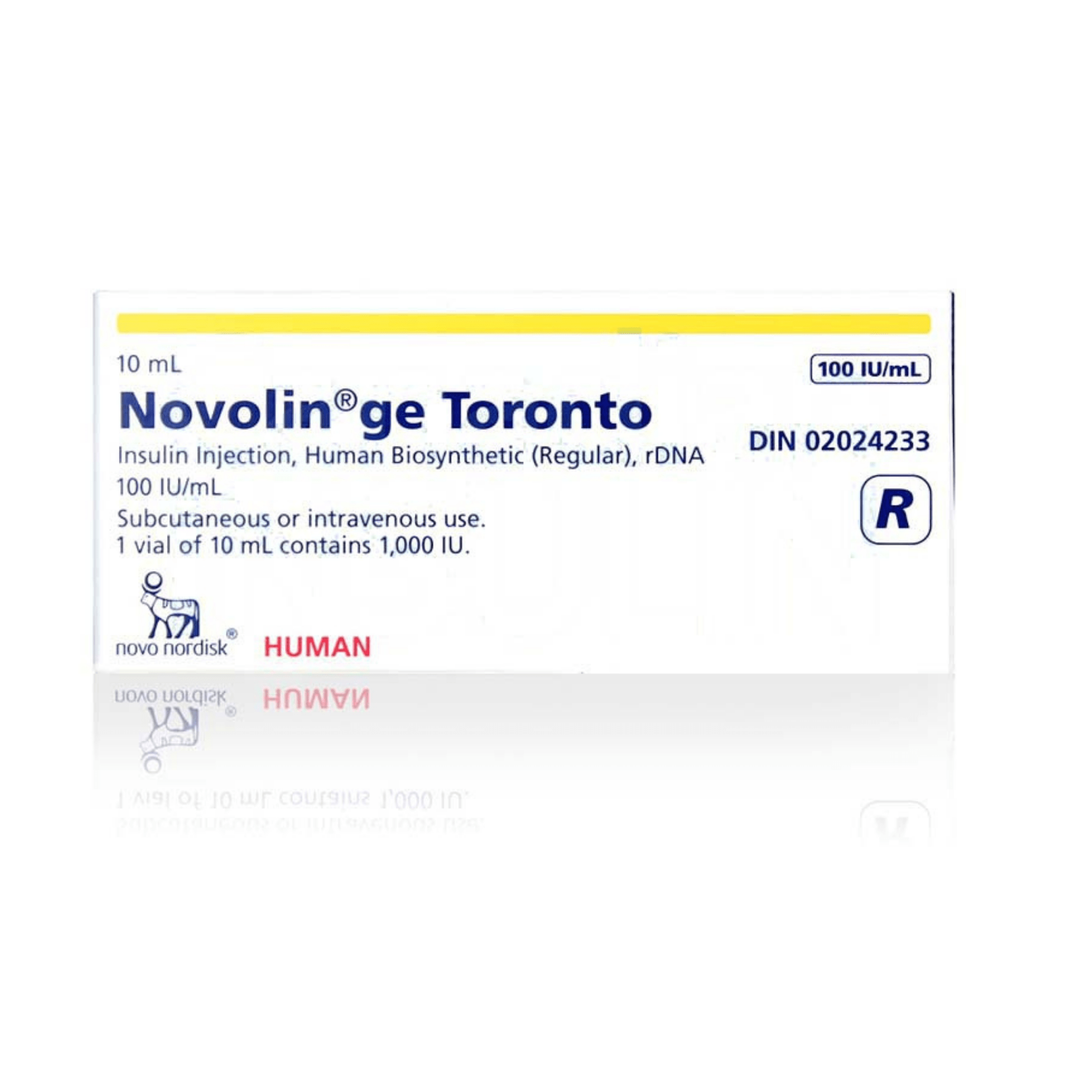
Novolin ge Toronto Vial
Buy Novolin ge Toronto Vial Online
Secure Encrypted Payments
Novolin ge Toronto Vial is a short-acting human insulin used to help control blood sugar in people with diabetes. It can be ordered online with US delivery from Canada, and you can choose the vial strength shown during ordering to match your clinician’s directions. This regular insulin is commonly used around meals and may be paired with longer-acting insulin when a diabetes care plan calls for both meal-time and background coverage.
Price, Strength, and Ordering Details
Novolin ge Toronto price can vary by quantity, supply source, and the vial format currently shown during checkout. The commonly referenced vial format is regular human insulin U-100, meaning 100 units of insulin per mL, in a 10 mL vial. Always match the selected strength and quantity to the directions you already use, because insulin products are not interchangeable unless a clinician provides a clear switching plan.
People paying without insurance often look at Canadian pricing for short-acting insulin because out-of-pocket costs can differ from local retail costs. If you are comparing an insulin vial cash price, look at the total quantity, storage needs, syringes, and refill timing rather than the vial price alone. Insulin gaps can lead to unsafe high blood sugar, so plan refills before your current supply runs low.
Quick tip: Keep the product name, concentration, and vial quantity with your diabetes records so every refill matches your treatment plan.
What Type of Insulin It Is
Novolin ge Toronto is human insulin regular, a short-acting insulin. It helps move glucose from the bloodstream into cells, which lowers blood sugar after food intake and during periods when additional insulin coverage is needed. Regular insulin has a slower start than many rapid-acting analog insulins, so meal timing matters.
Many people use regular insulin before meals because it begins working in about 30 minutes, peaks several hours later, and continues working for several hours. Your clinician may combine it with a basal insulin or an intermediate-acting insulin if your blood sugar pattern requires both meal-time and background insulin. People living with type 1 diabetes generally require insulin every day, while some people with type 2 diabetes add insulin when other treatments do not provide enough glucose control.
This product is injected under the skin using an insulin syringe marked for U-100 insulin. It may be used intravenously in monitored clinical settings, but home use is typically subcutaneous injection. Do not change insulin type, concentration, timing, or dose based on price or availability without clinical direction.
How Meal-Time Use Usually Fits a Diabetes Plan
Regular insulin is often taken before eating so its action lines up with the glucose rise from a meal. Many instructions use a pre-meal interval of about 30 minutes, but your timing can depend on blood sugar readings, meal composition, activity, illness, and whether other insulin is being used. Follow the plan provided by your clinician, especially if you count carbohydrates or use a correction scale.
People often ask what foods spike insulin or blood sugar the most. Foods rich in rapidly absorbed carbohydrates, such as sugary drinks, sweets, white bread, and large portions of refined starches, can raise blood glucose quickly. Protein, fat, fiber, and meal size can change how quickly glucose rises. Those differences are one reason insulin timing and blood glucose monitoring remain important.
Another common question is whether showering after insulin is a problem. A normal shower is not automatically unsafe, but heat, massage, or vigorous rubbing near an injection site may affect how quickly insulin is absorbed. Avoid injecting into irritated skin, and be cautious with hot tubs, saunas, or intense heat soon after dosing because faster absorption may increase the risk of low blood sugar.
Injection Technique and Vial Handling
Use only syringes designed for U-100 insulin when drawing from a Novolin ge Toronto Vial. Using the wrong syringe can cause a serious dosing error. Inspect the solution before each use; regular insulin should look clear and colorless. Do not use the vial if the solution appears cloudy, thickened, discolored, or contains particles.
General injection steps include cleaning the rubber stopper, drawing air into the syringe, injecting that air into the vial, and withdrawing the directed number of units. Clean the skin and allow alcohol to dry before injection. Inject into subcutaneous tissue in the abdomen, thigh, upper arm, or buttock as instructed. Rotate within the same general area to reduce lumps, dents, and thickened skin.
- Confirm the insulin name and concentration before each injection.
- Use a new sterile syringe and needle for every dose.
- Do not share vials, needles, or syringes with anyone.
- Keep a fast sugar source nearby in case blood sugar drops.
- Record readings, meals, activity, and doses if your care team requests logs.
If your clinician has instructed you to mix regular insulin with an intermediate-acting insulin, follow the specific mixing order and timing. Many instructions advise drawing the clear insulin first, but mixing should only be done when your diabetes plan specifically includes it.
Storage, Travel, and Shipping
Unopened insulin vials are generally stored in the refrigerator and protected from freezing. Do not use insulin that has been frozen, overheated, or left in direct sunlight. Once a vial is in use, the patient leaflet should be followed for room-temperature limits and discard timing. Keep insulin away from children and pets.
For travel, carry insulin with you rather than packing it in checked luggage. Bring syringes, glucose monitoring supplies, low-blood-sugar treatment, and a copy of your medication information. Temperature swings can damage insulin, so use an insulated case when needed and avoid direct contact with ice packs. Orders may use prompt, express shipping with temperature-conscious handling when appropriate.
Diabetes supplies can be planned together so you are not managing insulin without the tools needed to use it safely. The diabetes care category can help you browse related products used in day-to-day glucose management.
Side Effects, Warnings, and Monitoring
The most important risk with any insulin is hypoglycemia, or low blood sugar. Symptoms can include shaking, sweating, hunger, headache, dizziness, mood changes, blurred vision, confusion, or weakness. Severe hypoglycemia can cause seizure, loss of consciousness, injury, or death. Carry a fast-acting carbohydrate source and make sure people close to you know how to respond to severe lows.
Other possible side effects include injection-site redness, swelling, itching, bruising, weight gain, and fluid retention. Repeated injections into the same spot can cause lipodystrophy, which means fatty tissue changes under the skin. Those changes can make insulin absorption less predictable, so site rotation is part of safe long-term use.
Serious allergic reactions are uncommon but require urgent help. Seek immediate care for widespread rash, trouble breathing, swelling of the face or throat, rapid heartbeat, or fainting. Insulin can also lower potassium levels, especially in clinical situations or when used with other medicines that affect potassium. Low potassium may affect heart rhythm.
Monitoring helps make insulin safer. Check blood glucose as directed and pay closer attention during illness, skipped meals, extra exercise, travel, alcohol use, or medication changes. Contact a healthcare professional if you have repeated lows, high readings that do not respond as expected, vomiting, signs of dehydration, or symptoms of ketoacidosis such as fruity breath, deep breathing, or severe fatigue.
Interactions and When to Be Cautious
Many medicines can change insulin needs. Steroids, some diuretics, thyroid medicines, certain antipsychotics, oral contraceptives, and some HIV medicines may raise blood glucose. Other drugs, including some blood pressure medicines, salicylates, and certain antidepressants, may increase the risk of low blood sugar. Beta-blockers can also mask warning signs such as a racing heartbeat or tremor.
Alcohol can raise or lower blood sugar depending on timing, food intake, and amount consumed. Kidney or liver problems may change how insulin works in the body, and insulin requirements can shift during pregnancy, breastfeeding, acute illness, or major changes in activity. Review all prescription medicines, non-prescription products, and supplements with a healthcare professional before making changes to an insulin routine.
People who use diabetes medicines in addition to insulin may need extra monitoring. For broader treatment context, the type 2 diabetes article category includes education on common medication and lifestyle questions, while the type 1 diabetes category focuses on insulin-centered care topics.
How It Compares With Nearby Insulin Choices
Novolin ge Toronto is regular insulin, not NPH and not a premixed insulin. Regular insulin is usually used for meal-time or correction coverage because it works over a shorter period than basal insulin. NPH is intermediate-acting and is generally used for longer background coverage. Premixed insulin combines fixed proportions of short- or rapid-acting insulin with intermediate-acting insulin, which can reduce flexibility but may simplify some schedules.
People also compare Novolin ge Toronto with Humulin R because both are regular human insulin products. Even when products share a class, switching should be guided by a clinician because timing, labeling, sourcing, and individual response can differ. A Novolin R vial alternative may not fit every routine, especially if your meal schedule, glucose monitoring plan, or mixing instructions are specific.
Rapid-acting analog insulins are another nearby category. They usually start faster than regular insulin and are often taken closer to mealtime. That difference can matter for people who have unpredictable eating schedules. Regular insulin may still be appropriate when its onset and duration match the prescribed plan and the person can time meals consistently.
Patient Suitability and Practical Cost Planning
This insulin may suit people who need structured meal-time blood sugar coverage and are comfortable using vials and syringes. It may be less convenient for someone who has difficulty seeing syringe markings, has dexterity challenges, frequently misses meals, or cannot reliably recognize low blood sugar. In those cases, additional training, caregiver support, or a different delivery format may be considered.
Cost planning should include more than the vial. Syringes, test strips or sensors, sharps containers, travel storage, and backup supplies all affect the real cost of insulin use. People searching for regular insulin without insurance may also benefit from synchronizing refills, asking about multi-month supplies when appropriate, and keeping a written plan for sick days and travel.
Why it matters: A lower vial cost does not help if the insulin is used with the wrong syringe, stored incorrectly, or taken at the wrong time.
Questions to Discuss Before Switching or Refilling
Insulin routines are personal, and small changes can affect blood sugar. Before switching from another regular insulin, changing vial quantity, or altering meal timing, ask how your current readings should guide the plan. Bring recent glucose logs, meal patterns, activity notes, and information about lows to appointments.
- How long before meals should I inject this insulin?
- What blood sugar range should prompt a call for help?
- Should I use a correction dose, and how is it calculated?
- Can this insulin be mixed with NPH in my routine?
- What should I do if I eat less than planned?
- How should I adjust during illness, travel, or unusual activity?
- Which injection areas are best for reliable absorption?
People who manage several diabetes products should keep an updated medication list. Include insulin names, concentrations, usual timing, devices or syringes used, allergies, and emergency contacts. This information can reduce confusion during travel, urgent care visits, or pharmacy communications.
Related Diabetes Care Topics
Understanding the difference between diabetes types can help make insulin decisions clearer. In type 1 diabetes, the body makes little or no insulin, so insulin replacement is essential. In type 2 diabetes, insulin resistance and declining insulin production can lead to insulin use when other measures are not enough. The medical condition pages for type 1 diabetes and type 2 diabetes provide broader background on how treatment goals differ.
Country of origin may also matter to people planning cross-border purchases. Products associated with Canada can be reviewed alongside storage and handling needs so the insulin you choose aligns with your routine. Keep the focus on the active ingredient, concentration, and clinician instructions rather than assuming every insulin with a similar name is the same.
Authoritative Sources
For official product status and safety context, consult regulator or manufacturer materials. Useful sources include the Health Canada drug product record and the manufacturer consumer information. These sources can help confirm product identity, concentration, handling instructions, and patient safety warnings.
This content is for informational purposes only and is not a substitute for professional medical advice.
Research & Education Tool
Novolin ge Toronto Vial Dosage Calculator
Enter the vial amount, diluent volume, and target amount to estimate concentration, draw volume on a 1 mL U-100 syringe, and approximate vial yield.
For research and educational use only. Check all values against the product label, certificate of analysis, and any applicable professional guidance before relying on the result.
mg
Concentration
-
mcg / mL
Volume per Dose
-
-
Estimated Draws / Vial
-
rounded down to whole draws
Draw Reference
Enter values to estimate the syringe mark.
0
-
-
-
-
Blood Glucose Unit Converter
Convert glucose readings between mg/dL and mmol/L without changing the clinical value.
mg/dL
-
US reporting unit
mmol/L
-
International reporting unit
These calculations are for education only and do not replace clinical advice, diagnosis, or treatment. Always confirm medical decisions with a qualified healthcare professional.
HbA1c & eAG Calculator
Convert between HbA1c percentage and estimated average glucose using the ADAG relationship.
HbA1c
-
percentage
eAG mg/dL
-
estimated average glucose
eAG mmol/L
-
estimated average glucose
These calculations are for education only and do not replace clinical advice, diagnosis, or treatment. Always confirm medical decisions with a qualified healthcare professional.
Carb Serving Calculator
Convert total carbohydrate grams into carb choices for meal planning and diabetes education.
Carb choices
-
total carbs divided by choice size
Rounded choices
-
nearest half choice
Carb calories
-
4 kcal per gram
These calculations are for education only and do not replace clinical advice, diagnosis, or treatment. Always confirm medical decisions with a qualified healthcare professional.
Express Shipping - from $29.99
Shipping with this method takes 3-5 days
Prices:
- Dry-Packed Products $29.99
- Cold-Packed Products $39.99
Shipping Countries:
- United States (all contiguous states**)
- Worldwide (excludes some countries***)
Standard Shipping - $19.99
Shipping with this method takes 5-10 days
Prices:
- Dry-Packed Products $19.99
- Not available for Cold-Packed products
Shipping Countries:
- United States (all contiguous states**)
- Worldwide (excludes some countries***)
What type of insulin is Novolin ge Toronto?
Novolin ge Toronto is human insulin regular, a short-acting insulin. It is commonly used around meals to help manage the rise in blood sugar after eating and may be combined with longer-acting insulin when a clinician directs that plan.
How long before eating is regular insulin usually taken?
Regular insulin is often taken about 30 minutes before a meal, but timing depends on your prescribed plan, glucose readings, meal size, and activity. Do not change timing or dose without clinical guidance.
Is Novolin ge Toronto the same as NPH insulin?
No. Novolin ge Toronto is regular insulin and is short acting. NPH insulin is intermediate acting and is usually used for longer background coverage. Some plans use both, but they serve different roles.
What are common side effects of Novolin ge Toronto?
Common concerns include low blood sugar, injection-site redness or swelling, itching, bruising, weight gain, and fluid retention. Severe low blood sugar or signs of a serious allergic reaction need urgent medical attention.
How should Novolin ge Toronto Vial be stored?
Unopened vials are generally refrigerated and protected from freezing, heat, and direct light. Follow the patient leaflet for how long an in-use vial can be kept and when it should be discarded.
Can I switch from Humulin R to Novolin ge Toronto?
Both products are regular human insulin, but switching should be done only with clinician direction. Your timing, dose, monitoring plan, and response to insulin may need review during any change.
Rewards Program
Earn points on birthdays, product orders, reviews, friend referrals, and more! Enjoy your medication at unparalleled discounts while reaping rewards for every step you take with us.
You can read more about rewards here.
POINT VALUE
How to earn points
- 1Create an account and start earning.
- 2Earn points every time you shop or perform certain actions.
- 3Redeem points for exclusive discounts.
You Might Also Like
Select options
This product has multiple variants. The options may be chosen on the product page
Select options
This product has multiple variants. The options may be chosen on the product page
Select options
This product has multiple variants. The options may be chosen on the product page
Select options
This product has multiple variants. The options may be chosen on the product page