
Please note: a valid prescription is required for all prescription medication.
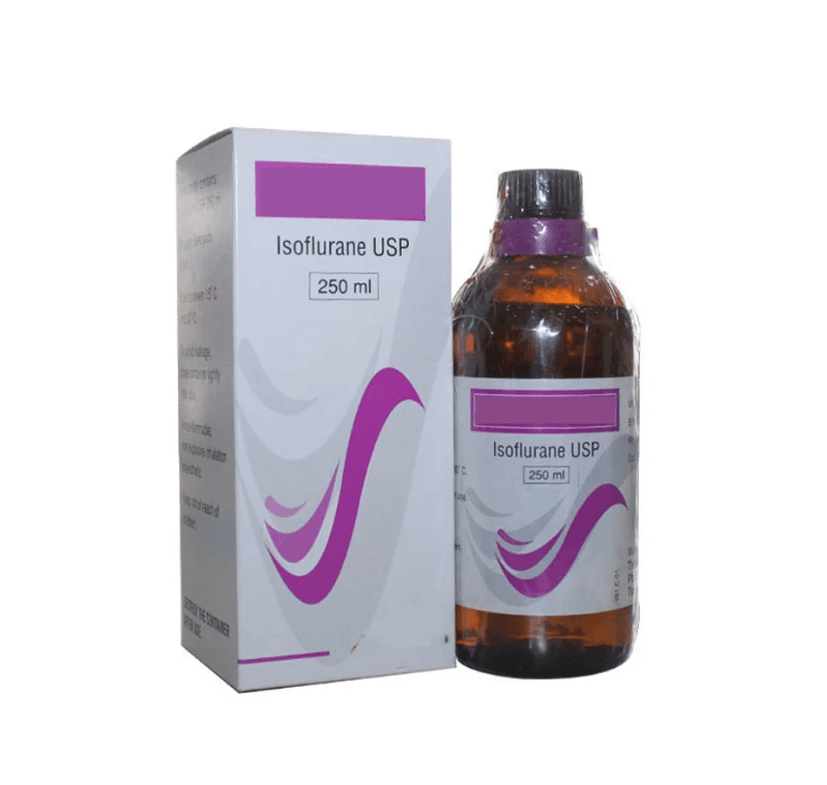
Isoflurane
Buy Isoflurane Online
Secure Encrypted Payments
Isoflurane is an inhalation anesthetic supplied as a volatile liquid for use with a calibrated vaporizer in equipped clinical or veterinary settings. You can buy Isoflurane online, view the current Isoflurane price, and choose the bottle quantity shown during ordering to match facility protocols and clinician-directed use. For approved orders, service may include US delivery from Canada with handling details shown during checkout.
This product is intended for professional anesthesia use, not home administration. The bottle should be matched to the vaporizer, filling system, storage policy, and expected procedure volume before it is added to clinical inventory. Ordering decisions should also account for manufacturer information, label wording such as Isoflurane USP when displayed, and the facility records needed for controlled purchasing and stock rotation.
Isoflurane Price, Bottle Size, and Cash-Pay Planning
The Isoflurane cost shown during ordering depends on the bottle presentation, manufacturer, and quantity chosen. A bottle is inventory rather than a patient dose, so the most practical comparison is total mL, number of bottles, label details, and expected replacement timing. Facilities paying cash should review current pricing against procedure volume and shelf management needs.
Isoflurane is commonly stocked in glass bottles, with 250 mL and 100 mL presentations appearing in some purchasing contexts. If more than one bottle size is available, lower-volume settings may prefer smaller stock to reduce overordering, while high-volume surgical or veterinary teams may plan around larger quantities. The right choice depends on use rate, storage space, fill habits, and how often vaporizer bottles are opened.
| Purchasing detail | What to review | Practical reason |
|---|---|---|
| Bottle volume | Total mL and quantity selected | Helps estimate inventory duration across routine cases |
| Manufacturer or label name | Forane, generic, or USP wording when shown | Supports facility purchasing records and formulary matching |
| Vaporizer fit | Filling system, adapter, and seal requirements | Reduces waste and protects accurate delivery |
| Usage pattern | Procedure length, gas flow habits, and case volume | Connects bottle planning to real clinical consumption |
Quick tip: Record the bottle lot, expiration date, and opening date when it enters clinical stock.
How to Order Isoflurane Online
To order Isoflurane online, choose the bottle presentation and quantity that align with your facility protocol. Review the label name, bottle volume, and manufacturer information before checkout. If internal purchasing rules require documentation, keep clinic, prescriber, or professional-use records ready so the order can be matched to the intended setting.
- Choose the bottle volume and quantity needed for inventory.
- Match the label and manufacturer to facility policy.
- Verify vaporizer compatibility before stocking the bottle.
- Review storage and transport notes before checkout.
- Keep purchase records for stock rotation and audit trails.
Cash-pay ordering is often evaluated by bottle quantity rather than a single anesthetic case. Vaporizer settings, fresh gas flow, procedure length, and adjunct medications all change how quickly a bottle is used. For approved orders, prompt, express shipping may be offered when appropriate for the item and destination.
What Isoflurane Is Used For
Isoflurane is a halogenated ether inhalation anesthetic used for induction and maintenance of general anesthesia. During general anesthesia, trained staff use anesthetic agents to produce unconsciousness while monitoring breathing, circulation, oxygenation, temperature, and recovery. It is also used in veterinary anesthesia when licensed professionals have the right equipment and monitoring systems.
The liquid in the bottle is converted into vapor by a precision vaporizer, then delivered with oxygen or with oxygen and nitrous oxide according to the anesthetic plan. Although people may call it an Isoflurane anesthetic gas, the container holds a clear, colorless volatile liquid at room temperature. The delivered concentration is titrated to clinical effect and monitoring data.
Isoflurane provides hypnosis and anesthetic depth, but pain control may require separate analgesic planning. Opioids, sedatives, alpha-2 agonists, neuromuscular blockers, or other adjuncts may reduce vapor requirements. Related procedural medicines and supplies can be browsed in the General Anesthesia collection when they are part of a professional plan.
Form, Vaporizer Fit, and Label Details
Isoflurane liquid anesthetic is not injected, swallowed, or used directly from the bottle. It must be placed into a vaporizer designed specifically for this agent. A mismatched vaporizer can deliver inaccurate concentrations, create waste during filling, or increase handling risk for staff.
Before use, the care team should examine the bottle closure, adapter fit, expiration date, lot number, and liquid appearance. The liquid should be clear and free of visible contamination. Do not transfer it to unapproved containers, and do not use a bottle with a damaged seal or uncertain storage history.
Product labels may refer to Forane Isoflurane, Isoflurane generic, or Isoflurane USP depending on manufacturer and supply. Brand and generic naming can vary by market, so the active anesthetic, official label, facility formulary, and equipment requirements should guide substitution decisions. A generic label does not remove the need for professional anesthesia monitoring.
Why it matters: Vaporizer compatibility is central to accurate anesthetic delivery and safe inventory use.
Administration and Monitoring Basics
Isoflurane administration belongs in equipped human or veterinary anesthesia settings. The clinical team needs oxygen delivery, airway equipment, a calibrated vaporizer, ventilation monitoring, blood pressure monitoring, emergency medicines, and a recovery area. Staff should also have scavenging systems to reduce occupational exposure to waste anesthetic vapor.
Clinical protocols vary, but inhaled anesthesia generally includes pre-oxygenation, induction, airway support when needed, maintenance with monitored vapor concentration, and supervised recovery after the vapor is discontinued. End-tidal anesthetic concentration, vital signs, ventilation data, and patient response help guide adjustments. Veterinary teams also consider species, body size, temperature support, and recovery environment.
- Prepare and inspect the vaporizer before filling.
- Use airway and oxygen support according to protocol.
- Monitor ventilation, circulation, temperature, and anesthetic depth.
- Adjust vapor concentration only within professional protocols.
- Observe recovery until protective reflexes and stability return.
Isoflurane is mainly eliminated through the lungs after administration stops, with minimal metabolism compared with some older anesthetics. Recovery still depends on procedure length, patient condition, adjunct medicines, ventilation, temperature, and anesthetic depth. A slow or unusual recovery should be assessed by the responsible clinical team.
Storage, Handling, and Transport
Store Isoflurane bottles upright, tightly closed, and in the original container. Follow the label for controlled room storage and keep the product away from excessive heat. Clinical areas should protect bottles from breakage and avoid storing them near incompatible materials or uncontrolled environmental conditions.
Spill response planning matters because Isoflurane vapor can contribute to occupational exposure. Facilities should maintain ventilation, scavenging, absorbent materials, and staff training for accidental releases. If a spill occurs, follow local safety procedures and the product safety information rather than improvising cleanup in an active procedure area.
Transport between approved clinical sites should keep bottles secure and traceable. Maintain purchase records, lot information, and movement logs when a bottle changes storage locations or procedure rooms. If the supply chain involves cross-border movement, follow the shipping and handling instructions provided during ordering and any applicable facility policy.
Safety, Side Effects, and Contraindications
Isoflurane can depress breathing and circulation, so administration requires trained staff and continuous monitoring. Common or expected anesthesia-related effects may include low blood pressure, respiratory depression, airway irritation during induction, shivering, nausea, or vomiting during recovery. These effects are managed in the context of the procedure, patient risk factors, and the full anesthetic plan.
Isoflurane is contraindicated in patients with known susceptibility to malignant hyperthermia and in those with known hypersensitivity to halogenated anesthetic agents. Malignant hyperthermia is a rare but life-threatening reaction that may involve rapid temperature rise, muscle rigidity, acidosis, and cardiovascular instability. Any suspicious signs require immediate emergency management by the clinical team.
Serious risks can include severe hypotension, arrhythmias, respiratory depression, increased intracranial pressure in susceptible patients, and rare liver reactions. Obstetric use requires caution because uterine relaxation may increase bleeding risk. Patients with significant cardiovascular instability, airway risk, neurologic concerns, or previous anesthetic reactions need careful pre-anesthetic assessment.
- Blood pressure and heart rhythm may change during anesthesia.
- Ventilation support may be needed if breathing is depressed.
- Airway irritation can occur, especially during mask induction.
- Rare liver injury has been reported after halogenated anesthetics.
- Unexpected fever, rigidity, or acidosis requires urgent action.
Drug effects may be additive with opioids, benzodiazepines, alcohol, nitrous oxide, and other central nervous system depressants. Neuromuscular blockers can be potentiated, so blockade and recovery should be monitored. Adrenergic medicines, including some catecholamines, may increase arrhythmia concerns during volatile anesthesia.
Equipment safety is part of medication safety. Volatile anesthetics can react with desiccated carbon dioxide absorbents and may produce carbon monoxide. Facilities should replace absorbents according to policy and avoid using dried-out canisters, especially after long periods of gas flow through an idle machine.
Isoflurane vs Sevoflurane and Related Anesthetic Choices
Isoflurane vs sevoflurane decisions usually involve airway tolerance, speed of depth change, equipment, cost, and clinician preference. Sevoflurane is often associated with smoother mask induction in some patients, while Isoflurane remains familiar for maintenance in many vaporizer-based systems. Neither choice should be made by price alone when patient and procedure factors point to a different plan.
Desflurane can allow rapid changes in anesthetic depth but requires compatible equipment and may irritate airways. Intravenous techniques using agents such as propofol or ketamine may be used for induction, total intravenous anesthesia, or balanced anesthesia with inhaled maintenance. The anesthetic plan should account for comorbidities, airway strategy, procedure length, analgesia needs, and recovery goals.
For veterinary practices, adjunct sedatives or analgesics may reduce vapor needs and improve handling when selected by the veterinarian. Those products are not direct substitutes for a volatile anesthetic. They should be evaluated separately for species suitability, monitoring requirements, withdrawal considerations when relevant, and the expected recovery environment.
Inventory Workflow for Clinics and Veterinary Practices
Isoflurane for sale online should be planned as a clinical inventory item. Track bottle location, opening date, remaining volume, and procedure-room movement. This helps the Isoflurane price align with actual use rather than rough shelf estimates, and it reduces urgent reordering caused by undocumented bottle transfers.
High-volume surgical centers may plan stock based on weekly or monthly case counts. Smaller practices may keep a tighter buffer to avoid overstock while still maintaining readiness for urgent procedures. Review vaporizer fill habits, low-flow anesthesia policies, and procedure mix when estimating how much supply to keep on hand.
Regular inventory checks also support safety. Expired bottles, damaged closures, unclear lot records, or products stored outside policy should be removed from use according to facility procedure. The anesthesia lead or designated inventory manager should reconcile purchase records with clinical stock at routine intervals.
Authoritative Sources
Official labeling for Forane provides detailed information about indications, contraindications, warnings, adverse reactions, interactions, and administration precautions for Isoflurane. See the FDA Forane prescribing information for source labeling.
Use official product labeling, local facility protocols, and professional anesthesia standards when confirming use, monitoring, storage, and emergency procedures. Product purchasing should stay aligned with the clinical team’s written protocols and equipment requirements.
This content is for informational purposes only and is not a substitute for professional medical advice.
Express Shipping - from $29.99
Shipping with this method takes 3-5 days
Prices:
- Dry-Packed Products $29.99
- Cold-Packed Products $39.99
Shipping Countries:
- United States (all contiguous states**)
- Worldwide (excludes some countries***)
Standard Shipping - $19.99
Shipping with this method takes 5-10 days
Prices:
- Dry-Packed Products $19.99
- Not available for Cold-Packed products
Shipping Countries:
- United States (all contiguous states**)
- Worldwide (excludes some countries***)
What is Isoflurane used for?
Isoflurane is an inhalation anesthetic used to induce and maintain general anesthesia in equipped human or veterinary settings. It is administered by trained professionals with airway support, oxygen delivery, monitoring, and recovery supervision.
Is Isoflurane a gas or a liquid?
The bottle contains a clear, volatile liquid. A precision vaporizer converts the liquid into an inhaled vapor concentration delivered with oxygen or an oxygen-containing gas mixture during anesthesia.
How is Isoflurane cost usually compared?
Isoflurane cost is usually compared by bottle volume, quantity, manufacturer, and expected usage rate. A bottle is not a single dose because consumption depends on vaporizer setting, fresh gas flow, case length, and patient factors.
What are important Isoflurane side effects or risks?
Important risks include low blood pressure, respiratory depression, airway irritation, arrhythmias, rare liver reactions, and malignant hyperthermia in susceptible patients. Continuous professional monitoring is required during administration and recovery.
How does Isoflurane compare with sevoflurane?
Isoflurane and sevoflurane are both volatile anesthetics. Sevoflurane may be preferred for smoother mask induction in some cases, while Isoflurane is commonly used for maintenance. The choice depends on patient factors, equipment, procedure needs, and clinician judgment.
Rewards Program
Earn points on birthdays, product orders, reviews, friend referrals, and more! Enjoy your medication at unparalleled discounts while reaping rewards for every step you take with us.
You can read more about rewards here.
POINT VALUE
How to earn points
- 1Create an account and start earning.
- 2Earn points every time you shop or perform certain actions.
- 3Redeem points for exclusive discounts.
You Might Also Like
Select options
This product has multiple variants. The options may be chosen on the product page
Select options
This product has multiple variants. The options may be chosen on the product page
Select options
This product has multiple variants. The options may be chosen on the product page
Select options
This product has multiple variants. The options may be chosen on the product page