

Please note: a valid prescription is required for all prescription medication.
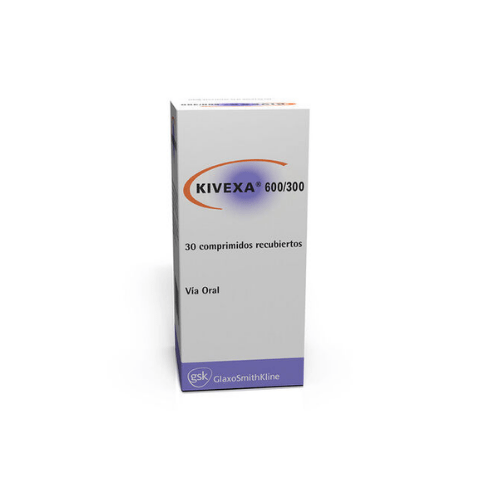
Kivexa
Kivexa 600 mg/300 mg Tablets: How to Buy Safely
Price:
$1,208.99
Secure Encrypted Payments
Kivexa is a prescription medicine that combines two antiretrovirals used as part of HIV treatment. It is typically used alongside other HIV medicines, based on a clinician’s regimen plan. This page explains what the tablet contains, how it’s commonly taken, and what to know about safety, interactions, and storage.
For people managing ongoing therapy on a cash-pay basis or without insurance, practical details can help reduce missed doses and refills. This listing also outlines how our referral model works with US shipping from Canada, so expectations stay clear before starting the checkout process.
Because HIV care is individualized, details here stay high-level and label-aligned. For deeper context on testing and monitoring, see Types Of HIV Tests. For condition-level browsing, the HIV Care Hub groups related options in one place.
What Kivexa Is and How It Works
This medicine is a fixed-dose combination of abacavir and lamivudine. Both are nucleoside reverse transcriptase inhibitors (NRTIs, a class that blocks HIV from copying its genetic material). By lowering the virus’s ability to replicate, NRTIs support viral suppression when used in a complete antiretroviral regimen.
Prescriptions are confirmed with the prescriber before dispensing. The tablet is not a cure for HIV, and it is not used alone. Most regimens pair an NRTI backbone with one or more additional agents from other antiretroviral classes, selected based on medical history, prior treatment, and lab results. In our model, medication fulfillment may involve Ships from Canada to US, depending on the partner pharmacy that can dispense the prescribed product.
Who It’s For
This product is used to treat HIV-1 infection as part of combination therapy. Many people encounter it as a once-daily backbone option when abacavir and lamivudine are appropriate for their clinical situation. Selection is usually based on factors such as prior hypersensitivity history, liver health, co-infections, and how the rest of the regimen is constructed.
It is not appropriate for everyone. Abacavir is contraindicated in people who have the HLA-B*5701 genetic marker or who have had a prior abacavir hypersensitivity reaction. It is also generally avoided in moderate to severe hepatic impairment, because abacavir is processed by the liver. Since this is a fixed-dose tablet, it may not be suitable when separate component dose adjustments are needed, including some cases of reduced kidney function.
Dosage and Usage
Fixed-dose abacavir/lamivudine tablets are commonly taken once daily by mouth, with or without food, as directed by the prescriber. They are used with other antiretrovirals, not as monotherapy. If swallowing whole tablets is difficult, the prescriber or pharmacist can confirm whether splitting or crushing is acceptable for the specific product supplied.
Kivexa is often positioned as a simple daily tablet within a larger regimen, which can support adherence routines. Quick tip: Use a consistent daily reminder and keep a small backup plan for travel days. If a dose is missed, product labeling commonly provides guidance based on how close it is to the next dose; the safest approach is to follow the prescriber’s instructions and avoid doubling up unless directed.
Strengths and Forms
This product is supplied as an oral tablet that contains abacavir 600 mg and lamivudine 300 mg in each unit. Tablets are film-coated, and availability can differ by manufacturer and partner pharmacy supply. Because it is a fixed-dose combination, the strength is not titrated tablet-by-tablet; the full regimen is adjusted by changing other agents or selecting different formulations when needed.
The summary below reflects the active ingredients and strength for this listing. Packaging counts and appearance can vary, so the dispensing label and leaflet should be treated as the final reference.
| Component | Drug class | Amount per tablet |
|---|---|---|
| Abacavir | NRTI | 600 mg |
| Lamivudine | NRTI | 300 mg |
Storage and Travel Basics
Store tablets at room temperature and protect them from excessive moisture and heat. Keep the medicine in its original container when possible, and keep the cap tightly closed. If a desiccant (drying packet) is present, it should remain in the bottle. Avoid storing medication in places with frequent temperature swings, such as a car glove compartment or a bathroom cabinet.
For travel, carry doses in hand luggage and keep a copy of the prescription or pharmacy label available. Time zone changes can make daily schedules confusing, so planning ahead can prevent unintentional gaps. If therapy is interrupted for any reason, restarting may require extra caution in some situations (for example, after a prior reaction concern). When questions come up, a pharmacist can help translate label instructions into practical steps.
Side Effects and Safety
Many side effects are manageable and may include headache, nausea, tiredness, diarrhea, or sleep changes. Some people notice symptoms when starting or changing an antiretroviral regimen, and it can be difficult to tell which component is responsible. Keeping a brief symptom log (what happened and when) can help the care team assess whether a change is needed.
Abacavir hypersensitivity reaction (HSR) basics
One of the most important safety issues with abacavir-containing therapy is a potentially serious hypersensitivity reaction (HSR). This reaction can involve symptoms across multiple body systems, such as fever, rash, gastrointestinal upset, and breathing symptoms, and it can worsen quickly if the medicine is continued. The risk is strongly associated with the HLA-B*5701 genetic marker, which is why screening is commonly performed before starting. If an HSR is suspected, clinicians generally advise stopping and not restarting abacavir-containing products, because re-exposure can be dangerous.
Kivexa also carries other important warnings seen with NRTIs, including rare lactic acidosis (a buildup of lactic acid) and severe liver problems. People with hepatitis B virus (HBV) coinfection need special planning, because stopping lamivudine activity can be associated with HBV flare. Why it matters: Knowing the “stop and call” symptoms supports safer, faster triage.
Drug Interactions and Cautions
Drug interactions can occur with prescription medicines, over-the-counter products, and supplements. A key caution with fixed-dose combinations is unintentional duplication: medicines that already contain lamivudine or emtricitabine (a closely related NRTI) are typically not used together. Alcohol can affect abacavir levels, and some therapies used for opioid dependence (such as methadone) may require monitoring when abacavir is started or stopped.
Medication is dispensed by licensed Canadian partner pharmacies when clinically appropriate and legally permitted. To reduce interaction risk, keep an updated medication list that includes supplements and as-needed products. Clinicians may also review kidney and liver function when selecting NRTIs, since organ function can influence safety or whether a fixed-dose tablet is suitable. If new symptoms appear after adding a medication, the prescriber and pharmacist are best positioned to sort out whether an interaction is likely.
Compare With Alternatives
Regimen design is individualized, but it can help to understand how abacavir/lamivudine fits among other common backbone options. Some people use tenofovir/emtricitabine-based backbones, while others use different NRTI pairings depending on kidney function, bone health considerations, cardiovascular risk discussions, or genetic screening results. When clinicians consider whether Kivexa fits a regimen, they also consider the third agent in the combination plan and any history of resistance.
Examples of other products that may appear in HIV regimens include Truvada Overview (a tenofovir/emtricitabine backbone) and Combivir 150 Mg 300 Mg (a zidovudine/lamivudine option). For broader context on how HIV therapy continues to evolve, see HIV Treatment Landscape. For a related explainer on another backbone product, read Tenvir EM Guide.
Pricing and Access
Costs vary by supply chain, manufacturer, and prescription details, and many people look for predictable monthly budgeting for long-term therapy. Kivexa access is handled through a prescription-only process, and a valid order is required before a partner pharmacy can dispense. Cash-pay pathways can be useful for people without insurance or with coverage gaps, but they still require routine clinical follow-up.
To explore related options by therapeutic area, browse the Antivirals Category. If available, site-wide assistance details are listed under Current Programs. A prescriber may also help identify therapeutic alternatives if prior authorization, supply constraints, or intolerance makes a change necessary.
Authoritative Sources
For the most reliable details on warnings, contraindications, and use in specific populations, consult official prescribing information and guideline resources. These references are also useful for clinicians reconciling drug lists and for patients reviewing lab monitoring expectations alongside their care team.
Use the following sources for label-level information and clinical context:
To proceed on BorderFreeHealth, submit a valid prescription and select prompt, express shipping during checkout.
This content is for informational purposes only and is not a substitute for professional medical advice.
Express Shipping - from $25.00
Shipping with this method takes 3-5 days
Prices:
- Dry-Packed Products $25.00
- Cold-Packed Products $35.00
Shipping Countries:
- United States (all contiguous states**)
- Worldwide (excludes some countries***)
Standard Shipping - $15.00
Shipping with this method takes 5-10 days
Prices:
- Dry-Packed Products $15.00
- Not available for Cold-Packed products
Shipping Countries:
- United States (all contiguous states**)
- Worldwide (excludes some countries***)
What is Kivexa used for in HIV care?
Kivexa is used as part of combination therapy for HIV-1 infection. It contains two medicines—abacavir and lamivudine—that belong to the NRTI class, which helps reduce HIV’s ability to replicate. It is not used by itself; it is combined with one or more additional antiretroviral medicines to make a complete regimen. Which regimen is chosen depends on medical history, lab results (including kidney and liver function), and whether there is any known resistance to certain drug classes.
Why is HLA-B*5701 testing important before starting abacavir-containing therapy?
HLA-B*5701 is a genetic marker that strongly predicts risk for an abacavir hypersensitivity reaction, a potentially serious immune-mediated reaction. Screening before starting abacavir-containing treatment helps identify people who should not use abacavir. Even with testing, anyone starting therapy should understand the symptoms that can signal a reaction, such as fever, rash, stomach symptoms, and breathing complaints that occur together. If a hypersensitivity reaction is suspected, clinicians generally advise stopping and not restarting abacavir-containing products.
What should I do if I miss a dose of my abacavir/lamivudine tablet?
Missed-dose instructions can vary by product labeling and the rest of the regimen, so it is best to follow the directions provided by the prescriber and the dispensing pharmacy label. In general, labeling for many once-daily medicines describes taking a missed dose when remembered unless it is close to the next scheduled dose, and avoiding double doses. Because HIV treatment effectiveness relies on consistent dosing, it can help to set reminders and have a plan for travel or schedule disruptions.
What side effects need urgent medical attention with abacavir/lamivudine?
Some effects may be mild, such as headache or nausea, but certain symptoms require urgent evaluation. The most important is a possible abacavir hypersensitivity reaction, which may involve multiple symptoms together (for example fever, rash, gastrointestinal symptoms, and breathing issues). Severe fatigue, unusual muscle pain, worsening abdominal pain, yellowing of the skin or eyes, or dark urine can also indicate serious problems that need prompt assessment. The safest approach is to review the medication guide and discuss “stop and call” symptoms with the care team.
What monitoring and lab tests are commonly used during HIV treatment with NRTIs?
Monitoring is individualized, but HIV care commonly includes viral load testing and CD4 counts to track response to therapy. Clinicians also review kidney and liver function tests, because organ function can influence medication selection and safety. Screening for hepatitis B may matter when lamivudine is part of the regimen, since changes in HBV-active therapy can affect the liver. In addition, medication review for interactions and adherence check-ins are common, especially after starting a new regimen or adding other prescriptions.
What should I ask my clinician or pharmacist before starting a fixed-dose HIV tablet?
Useful questions include whether genetic screening (such as HLA-B*5701) is needed, how to recognize symptoms of serious reactions, and what to do if doses are missed. It is also helpful to ask for an interaction review that includes supplements, antacids, and as-needed medicines. If there is any kidney or liver disease history, confirm whether a fixed-dose combination is appropriate or whether separate components would allow safer dose adjustments. Finally, ask how often follow-up labs are expected and how results will guide regimen changes.
Rewards Program
Earn points on birthdays, product orders, reviews, friend referrals, and more! Enjoy your medication at unparalleled discounts while reaping rewards for every step you take with us.
You can read more about rewards here.
POINT VALUE
How to earn points
- 1Create an account and start earning.
- 2Earn points every time you shop or perform certain actions.
- 3Redeem points for exclusive discounts.
How to book an appointment
- 1Create Begin by completing a profile or log into your existing account. This step ensures we have the necessary information to provide you with a service that's tailored to your needs. account and start earning.
- 2Scheduling an appointment with our online booking system is easy. Pick a day and time that suits you. You’ll receive an immediate confirmation, without the wait.
- 3Discuss your concerns and symptoms and receive a thorough diagnosis from one of our licensed doctors during a confidential video appointment.
- 4If you've been prescribed medication, your Rx is sent directly to one of our licensed pharmacies and delivered right to your door.
Get Started
To book an online doctor appointment, register for an account or login. After doing so, you can book your visit on this page.
You Might Also Like
Select options
This product has multiple variants. The options may be chosen on the product page
Select options
This product has multiple variants. The options may be chosen on the product page
Select options
This product has multiple variants. The options may be chosen on the product page
Select options
This product has multiple variants. The options may be chosen on the product page