
Please note: a valid prescription is required for all prescription medication.
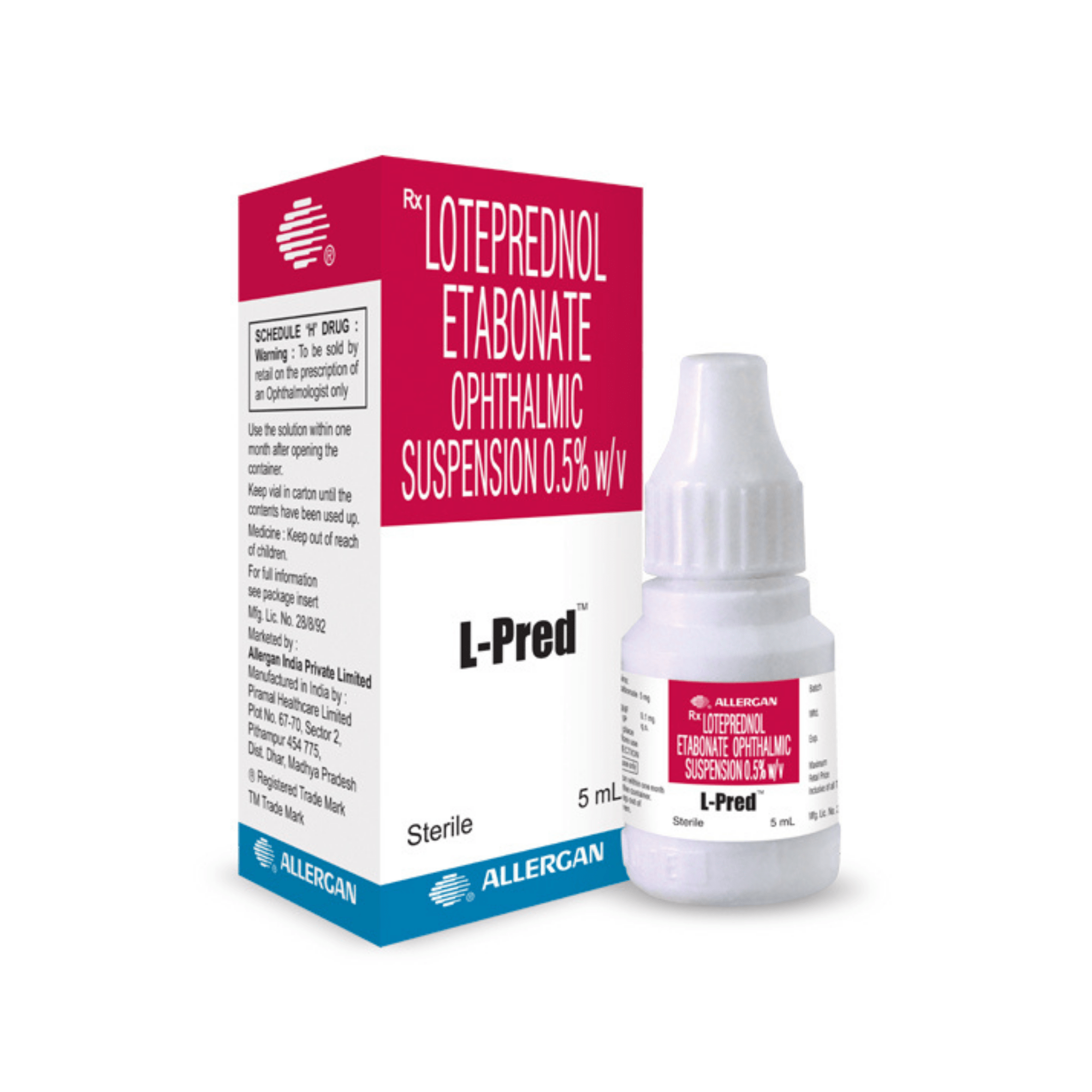
L-Pred
Buy L-Pred Eye Drops Online
Secure Encrypted Payments
L-Pred is a loteprednol eye drop used for short-term treatment of steroid-responsive eye inflammation. It can be bought online through BorderFreeHealth, with current pricing shown during checkout and strength choices matched to the directions from your eye care clinician. Customers can view the available bottle presentation, confirm the active ingredient, and choose the quantity that fits the treatment plan.
L-Pred eye drops are intended for the eye only. They help reduce redness, swelling, and discomfort when inflammation is the main problem, but they are not routine redness drops and should not be used when certain eye infections are present. US delivery from Canada is available for cash-pay customers, and products are supplied through licensed pharmacies.
L-Pred Price, Strength, and Ordering Basics
L-Pred price can vary by bottle size, country of origin, and pharmacy supply. The ordering area shows the current cash price before checkout, so you can review the cost for the bottle presentation offered at that time. If your treatment plan may require more than one bottle, confirm the appropriate quantity with your eye care clinician before placing an order.
Commonly referenced L-Pred presentations include ophthalmic suspension bottles, and current product information identifies loteprednol etabonate 0.5% as the active strength used in this medicine. Select the strength and quantity shown during ordering only when they match your directions. Do not substitute another steroid eye drop unless a licensed clinician confirms the change is appropriate for your diagnosis.
Quick tip: Keep the bottle name, strength, and directions together so every dose matches your treatment plan.
BorderFreeHealth may review order details before pharmacy processing. If the medication, dose, or quantity does not match the documentation provided, extra confirmation may be needed before the order can move forward. This helps reduce errors with eye medicines, where small differences in ingredient, concentration, or dosing schedule can matter.
What L-Pred Treats
L-Pred is used for steroid-responsive inflammation of the eye. That may include inflammation after an eye procedure, allergic conjunctivitis with significant redness or swelling, and inflammatory conditions affecting the conjunctiva or cornea when a corticosteroid is appropriate. Loteprednol belongs to the corticosteroid class, which means it calms inflammatory immune activity in ocular tissues.
Many people look for L-Pred eye drops because of redness, swelling, burning, or irritation. Those symptoms can have several causes, including allergy, infection, dryness, contact lens irritation, or a post-procedure response. A steroid can help when inflammation is the target, but it can worsen some infections, so diagnosis matters before use.
For more background on conditions commonly discussed with steroid eye drops, see our resources on eye inflammation, allergic conjunctivitis, and uveitis. These resources can help you prepare better questions for an eye care visit, but they do not replace individualized care.
How Loteprednol Works in the Eye
L-Pred contains loteprednol etabonate, a topical corticosteroid designed for ophthalmic use. It reduces local inflammation by decreasing the release and activity of inflammatory substances in the eye surface and nearby tissues. This can lessen swelling, redness, and discomfort when symptoms are driven by inflammation.
Loteprednol is often described as a “soft” steroid because it is designed to be metabolized after acting in ocular tissues. That design may help limit systemic exposure, but it does not remove important eye-related risks. Intraocular pressure, infection status, healing, and duration of use still need careful attention.
Because L-Pred is an ophthalmic suspension, the bottle usually needs to be shaken well before each dose so the medicine is evenly distributed. If the suspension is not mixed properly, the dose delivered to the eye may be inconsistent. Follow the directions on the carton, bottle label, and professional instructions given with the medicine.
How to Use L-Pred Eye Drops Safely
Use L-Pred only as directed by your eye care clinician. Typical steroid eye drop schedules may involve one or two drops in the affected eye several times daily at the start of treatment, followed by adjustment or tapering when inflammation improves. Your own schedule may differ based on the condition being treated, the severity of inflammation, and monitoring results.
Wash your hands before handling the bottle. Shake the suspension well, tilt your head back, pull down the lower eyelid, and place the drop into the pocket of the lower lid. Avoid touching the dropper tip to the eye, eyelid, fingers, counter, or any other surface. Contamination can introduce bacteria and increase the risk of eye infection.
If you use more than one eye medicine, separate drops by at least five minutes unless your clinician gives different instructions. Eye gels and ointments usually go last because they can block absorption of drops placed afterward. Remove contact lenses before dosing, and reinsert them only after the interval recommended for your product and condition.
If a dose is missed, use it when remembered unless it is almost time for the next scheduled dose. Skip the missed dose in that case and return to the usual schedule. Do not use extra drops to catch up, because more steroid exposure can increase the chance of pressure changes and other unwanted effects.
How Long Treatment Usually Lasts
The length of L-Pred treatment depends on why the eye is inflamed and how quickly symptoms respond. Some post-procedure or allergic inflammation plans are short, while other inflammatory flares may require closer follow-up and a taper. Do not continue steroid drops longer than directed, even if they still make the eye feel better.
Stopping too suddenly may allow inflammation to rebound in some situations, while continuing too long can raise safety concerns. Your clinician may reduce the number of daily doses gradually once the eye improves. Follow-up visits are important because eye pressure can rise without obvious symptoms.
Contact an eye care professional promptly if redness worsens, pain develops, discharge appears, light sensitivity increases, or vision changes occur. These symptoms can signal infection, pressure changes, corneal problems, or uncontrolled inflammation. Steroid eye drops should not be used to mask symptoms that are getting worse.
Side Effects, Warnings, and Monitoring
L-Pred eye drops side effects can include brief stinging, burning, watery eyes, dry eye sensation, blurred vision, eyelid irritation, or a feeling that something is in the eye. Temporary blur after dosing is common with suspensions because the drop spreads across the eye surface. Avoid driving or using machinery until vision clears.
More serious risks need attention. Corticosteroid eye drops can raise intraocular pressure, which may contribute to glaucoma if it is not detected. Longer or repeated courses may increase the risk of cataracts. Steroids can also delay wound healing, thin certain eye tissues, or worsen an infection that has not been recognized.
L-Pred should generally be avoided in active viral eye disease such as epithelial herpes simplex keratitis, and it is not appropriate for fungal or mycobacterial eye infections. People with glaucoma, ocular hypertension, a history of steroid pressure response, corneal thinning, or recent eye surgery may need closer monitoring. Tell your clinician about all eye medicines you use, including antibiotic drops, nonsteroidal anti-inflammatory drops, artificial tears, and allergy drops.
Why it matters: Eye pressure changes may not cause early symptoms, so monitoring can protect vision.
Seek urgent medical help for severe eye pain, sudden vision loss, marked light sensitivity, new halos around lights, increasing redness, swelling around the eye, or thick discharge. These symptoms should not be handled by simply increasing the number of drops. A clinician may need to examine the eye and change therapy.
Storage, Handling, and Travel
Store L-Pred at room temperature as directed on the label, and keep the cap tightly closed when the bottle is not in use. Do not freeze the suspension. Keep the medicine away from children and pets, and discard it if the liquid changes appearance in a way that is not described on the label.
Good handling protects the sterility of the bottle. Do not rinse the dropper tip, transfer the liquid to another container, or share the bottle with another person. Sharing eye drops can spread infection, even when the bottle looks clean. Replace the cap promptly after each dose.
For travel, keep the bottle in carry-on luggage with its original carton and pharmacy label. If you cross time zones, keep doses spaced as evenly as practical during waking hours unless your clinician gives a specific schedule. BorderFreeHealth offers prompt, express shipping, but you should order early enough to avoid running out during treatment.
L-Pred Compared With Other Eye Inflammation Treatments
L-Pred is one corticosteroid option among several prescription-strength and clinician-directed eye inflammation treatments. Other therapies may include different loteprednol products, prednisolone eye drops, nonsteroidal anti-inflammatory drops, antihistamine or mast-cell stabilizer drops, antibiotic combinations, or artificial tears, depending on the cause of symptoms. The right choice depends on diagnosis, infection risk, eye pressure history, and how intense the inflammation is.
Loteprednol is not the same as prednisolone. Both are corticosteroids, but they are different active ingredients with different product labels and monitoring considerations. If you are switching from another steroid, ask whether the dose schedule, taper, and pressure checks should change.
Some people search for a generic loteprednol eye drop or an L-Pred substitute to manage cost. A substitute should have the active ingredient, strength, and form your clinician intended, or it should be specifically approved as a therapeutic change. Cost alone should not drive a switch when the eye is inflamed after surgery, when the cornea is involved, or when pressure monitoring is needed.
To browse related eye care categories, visit our ophthalmology section. For additional reading on eye-health topics and treatment discussions, our ophthalmology articles may help you understand common terms before your appointment.
Who Should Ask Extra Questions Before Use
Ask extra questions before using L-Pred if you have glaucoma, high eye pressure, a history of herpes eye infection, recent eye surgery, corneal ulcers, severe dry eye, or contact lens-related irritation. These situations can change how steroids are used and monitored. Report any previous reaction to steroid eye drops or preservatives in ophthalmic products.
Pregnancy, breastfeeding, pediatric use, and complex medical histories should be discussed with a clinician familiar with your eye condition. Even though loteprednol is used topically in the eye, safety decisions still depend on the individual situation. Do not use another person’s bottle, even if the symptoms appear similar.
If you wear contact lenses, ask whether you should avoid lenses for the entire treatment period. Inflammation, infection risk, preservatives, and post-procedure instructions can all affect lens safety. Using lenses too soon may worsen irritation or slow recovery.
Questions to Ask Your Eye Care Clinician
- What is the exact cause of my eye inflammation?
- How many drops should I use each day, and for how long?
- Will the dose be tapered as symptoms improve?
- When should my eye pressure be checked?
- Should I avoid contact lenses during the full course?
- Which symptoms mean I should be seen urgently?
- Is a lower-cost loteprednol option appropriate for my diagnosis?
Clear answers make it easier to choose the correct strength, quantity, and refill timing when you buy L-Pred eye drops online. They also help prevent two common problems with steroid eye drops: stopping too early when inflammation is still active, or continuing too long without monitoring.
Practical Cost-Saving Considerations
L-Pred cost is usually influenced by the bottle size, brand or manufacturer source, quantity, and current pharmacy pricing. If you are paying without insurance, the cash price shown during checkout can help you plan before completing the order. Avoid comparing only the bottle price; the number of drops needed per day and treatment length also affect total cost.
If ongoing or repeated treatment is expected, ask whether ordering more than one bottle is appropriate. Some eye conditions require short courses only, and excess product may expire before it can be used safely. A larger order should still match the intended duration and monitoring plan.
Country of origin can also matter for customers comparing labels and packaging. If India-origin products are relevant to your order, the India country-of-origin section explains how origin information is organized across products. Always rely on the bottle label and professional directions for use, not packaging appearance alone.
Responsible Use Summary
L-Pred can be a useful anti-inflammatory eye drop when inflammation is steroid-responsive and infection has been considered. It is most often discussed for short-term control of redness, swelling, and discomfort related to allergic or post-procedure inflammation. The same steroid effect that helps calm symptoms also requires careful attention to pressure monitoring, infection warnings, and duration of therapy.
Before ordering, confirm the active ingredient, strength, bottle presentation, and quantity against your clinician’s directions. After the medicine arrives, shake the bottle well, avoid contamination, separate it from other eye drops, and keep follow-up appointments. These steps help you get the intended benefit while reducing avoidable risks.
This content is for informational purposes only and is not a substitute for professional medical advice.
Express Shipping - from $29.99
Shipping with this method takes 3-5 days
Prices:
- Dry-Packed Products $29.99
- Cold-Packed Products $39.99
Shipping Countries:
- United States (all contiguous states**)
- Worldwide (excludes some countries***)
Standard Shipping - $19.99
Shipping with this method takes 5-10 days
Prices:
- Dry-Packed Products $19.99
- Not available for Cold-Packed products
Shipping Countries:
- United States (all contiguous states**)
- Worldwide (excludes some countries***)
What is L-Pred used for?
L-Pred is used for steroid-responsive eye inflammation, such as significant allergic inflammation or inflammation after an eye procedure. It helps reduce redness, swelling, and discomfort when a corticosteroid eye drop is appropriate.
How long should I use L-Pred eye drops?
Use L-Pred for the length of time your eye care clinician directs. Steroid eye drops are often used short term, and some plans require tapering rather than abrupt stopping. Do not extend treatment without follow-up.
What are the common side effects of L-Pred?
Common side effects may include brief stinging, burning, watery eyes, dry eye sensation, irritation, or temporary blurred vision after dosing. Contact a clinician promptly for eye pain, worsening redness, discharge, or vision changes.
Do L-Pred eye drops sting?
Some people feel mild stinging or burning for a short time after using L-Pred. If discomfort is severe, persistent, or accompanied by swelling, discharge, or vision changes, the eye should be assessed.
Can L-Pred raise eye pressure?
Yes. Corticosteroid eye drops can raise intraocular pressure in some people, especially with longer use or a history of glaucoma or steroid pressure response. Follow-up pressure checks may be needed.
Can I wear contact lenses while using L-Pred?
Remove contact lenses before dosing, and reinsert them only after the interval recommended for your product and condition. Some patients may need to avoid lenses during treatment, especially if infection or significant irritation is a concern.
Rewards Program
Earn points on birthdays, product orders, reviews, friend referrals, and more! Enjoy your medication at unparalleled discounts while reaping rewards for every step you take with us.
You can read more about rewards here.
POINT VALUE
How to earn points
- 1Create an account and start earning.
- 2Earn points every time you shop or perform certain actions.
- 3Redeem points for exclusive discounts.
You Might Also Like
Select options
This product has multiple variants. The options may be chosen on the product page
Select options
This product has multiple variants. The options may be chosen on the product page
Select options
This product has multiple variants. The options may be chosen on the product page
Select options
This product has multiple variants. The options may be chosen on the product page