
Please note: a valid prescription is required for all prescription medication.
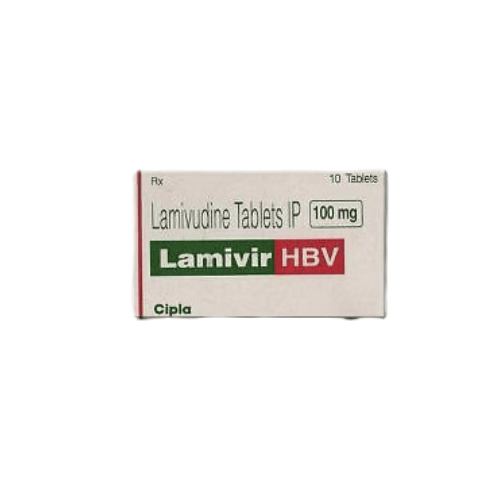
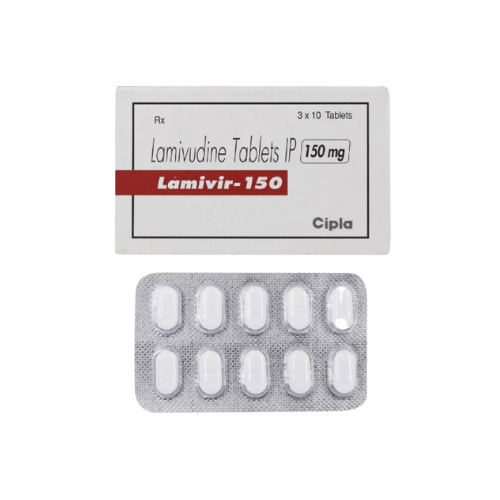
Lamivir
Buy Lamivir Online
Secure Encrypted Payments
Lamivir is a lamivudine antiviral used in HIV care and chronic hepatitis B treatment. It can be bought online through licensed pharmacy channels, with the dose or strength selected during ordering matched to your clinician’s directions. Border Free Health offers Canadian pricing and US delivery from Canada for customers planning cash-pay antiviral refills.
Lamivir Price, Strength Selection, and Ordering Basics
Lamivir cost depends on the form, strength, quantity, and current pharmacy supply. During ordering, choose the Lamivir or lamivudine strength shown that matches your current treatment plan. Do not switch between HIV and hepatitis B versions of lamivudine unless your clinician specifically tells you to do so, because the intended use and dose strategy can differ.
People often search for Lamivir 150 mg tablets, Lamivir 300 mg tablets, Lamivir HBV 100 mg tablets, and lamivudine oral solution 10 mg/mL. Those terms reflect common ways lamivudine products are discussed, but the safest choice is the exact medicine and strength your clinician has written for you. If the active ingredient, dose, or form looks different from your current bottle, ask the pharmacy or your care team before proceeding.
Customers paying out of pocket may compare lamivudine price across tablet strengths and fill quantities. Multi-month fills can reduce refill planning burden when clinically appropriate and allowed by the pharmacy. Keep enough time for order review, medication sourcing, and prompt, express shipping so you do not run short between refills.
What Lamivir Is Used For
Lamivir contains lamivudine, an antiviral medicine used for HIV-1 infection as part of combination antiretroviral therapy and for chronic hepatitis B in selected patients. In HIV treatment, lamivudine is not used alone because combination therapy lowers the risk of resistance and improves viral control. For hepatitis B, lamivudine may be used when a clinician decides it fits your viral history, liver tests, and treatment goals.
HIV and hepatitis B are different infections, even though lamivudine can be used in both settings. HIV care usually involves several antiretroviral medicines working together. Hepatitis B care focuses on lowering HBV DNA, protecting liver health, and monitoring for flares or resistance. For condition-specific background, see HIV/AIDS treatment information and hepatitis B care information.
Why it matters: The same active ingredient can have different treatment roles depending on the infection being treated.
How Lamivudine Works
Lamivudine is a nucleoside reverse transcriptase inhibitor, often shortened to NRTI. It interferes with a viral enzyme needed for viruses to copy their genetic material. By reducing viral replication, lamivudine helps support lower viral levels when used as directed within a complete treatment plan.
For HIV, lamivudine is commonly paired with other antiretrovirals from the same or different drug classes. For chronic hepatitis B, it may be used as a single antiviral in some circumstances, although other agents are also widely used. Your clinician may consider prior antiviral exposure, resistance history, kidney function, liver markers, pregnancy plans, and other medicines before choosing it.
Lamivir generic lamivudine language can be confusing because brand names vary by country. The key practical point is the active ingredient: lamivudine. When reviewing your medicine, match the active ingredient, strength, form, and intended condition rather than relying only on brand spelling or package appearance.
Tablets, Oral Solution, and Daily Use
Lamivudine is available as tablets in multiple strengths and as an oral solution 10 mg/mL for patients who need a liquid. Tablet and solution forms are not interchangeable by guesswork, because liquid measurement and tablet strength affect the amount taken. Use a proper measuring device for oral solution, not a household spoon.
For HIV, lamivudine is usually taken once or twice daily with other antiretroviral medicines. For hepatitis B, once-daily use is common. These are general patterns, not individualized instructions. Follow the exact schedule your clinician gave you, and keep doses at a consistent time to support adherence.
If you miss a dose, take it when remembered unless it is close to the next dose. Skip the missed dose if your next dose is due soon, then return to the regular schedule. Do not double up unless a clinician specifically instructs you to do so. Pill organizers, phone alarms, and refill reminders can help prevent missed doses.
Important Safety, Side Effects, and Monitoring
Lamivudine is generally well studied, but it still needs careful use. Common side effects may include headache, nausea, diarrhea, tiredness, cough, abdominal discomfort, and sleep disturbance. Many effects are mild, yet persistent or severe symptoms deserve prompt medical attention, especially if they affect eating, hydration, breathing, or daily function.
Serious but uncommon risks include lactic acidosis and severe liver enlargement with fatty liver changes. Warning signs can include unusual weakness, rapid breathing, severe stomach pain, persistent vomiting, feeling cold, dizziness, or an irregular heartbeat. Pancreatitis has also been reported, especially in pediatric patients. Seek urgent care for severe abdominal pain, repeated vomiting, or symptoms that feel sudden and intense.
People treated for hepatitis B should not stop lamivudine suddenly without medical supervision. Stopping can cause severe acute worsening of hepatitis B. Clinicians may monitor liver enzymes, HBV DNA, and other markers during treatment and after any change. In HIV care, viral load and CD4 count help show whether the full regimen is working.
Kidney function matters because lamivudine is cleared partly through the kidneys. People with reduced kidney function may need a different dosing schedule determined by a clinician. Tell your care team about kidney disease, liver disease, pancreatitis, pregnancy, breastfeeding plans, and any previous antiviral treatment failures.
Drug Interactions and Product Cautions
Share all medicines, vitamins, supplements, and over-the-counter products with your clinician before using Lamivir. Sorbitol-containing solutions may reduce lamivudine exposure and may be avoided when possible. Trimethoprim can increase lamivudine levels, so monitoring may be needed depending on the rest of your treatment plan.
Avoid combining lamivudine with emtricitabine or zalcitabine unless a specialist has specifically directed your regimen, because these medicines have overlapping activity. Cladribine may be less effective when used with lamivudine. Alcohol can add liver stress, which is especially relevant for people with hepatitis B or existing liver disease.
Allergic reactions are uncommon but possible. Do not use lamivudine again if you have had a known hypersensitivity reaction to it, unless a clinician has evaluated the situation and given clear instructions. Get emergency help for swelling of the face or throat, trouble breathing, or a widespread severe rash.
Storage, Travel, and Refill Planning
Store tablets and oral solution at room temperature in a dry place, away from excess heat and moisture. Keep the medicine in its original container with the label intact. Close child-resistant caps firmly and store all antivirals out of reach of children and pets.
When traveling, carry Lamivir in hand luggage rather than checked baggage. Bring your medication label and enough supply for the trip plus a small buffer. Do not combine tablets from different bottles, because mixed tablets can make strength checks difficult and may cause dosing errors.
Time zone changes can disrupt routines. Try to keep a consistent dosing interval, and ask your clinician in advance if you travel across several time zones. Refill early enough to allow order processing and shipping from Canada to the US without interrupting treatment.
What to Expect During Treatment
Lamivudine does not cure HIV or hepatitis B, but it can help control viral replication when taken consistently. In HIV treatment, the full antiretroviral regimen is assessed with viral load tests, CD4 counts, and clinical status. In hepatitis B treatment, clinicians often monitor HBV DNA, ALT, and other liver-related markers.
Lab changes may take time, and symptoms do not always show whether treatment is working. Continue planned monitoring even if you feel well. If your clinician changes other antiviral medicines, ask how to transition safely so viral control is maintained.
Resistance can occur when antiviral levels are inconsistent or when a regimen is not strong enough for the virus being treated. Taking doses as directed, refilling on time, and speaking up about side effects can reduce avoidable treatment gaps. If cost affects adherence, ask your clinician whether a different lamivudine form, quantity, or related antiviral might be suitable.
How Lamivir Compares With Related Antivirals
Lamivudine is one option within the broader antiviral class. For chronic hepatitis B, clinicians may consider alternatives such as tenofovir alafenamide or entecavir depending on kidney health, resistance history, liver status, and previous treatment. For HIV, fixed-dose combinations may simplify daily treatment when they match resistance testing and other health needs.
People reviewing HBV alternatives may discuss Vemlidy or Baraclude with their clinician. These medicines are not automatic substitutes for Lamivir; they differ in active ingredient, clinical role, monitoring needs, and suitability. For broader browsing across the class, see the antiviral medications category.
Some Lamivir products may be associated with country-of-origin details when displayed by the pharmacy. If that information matters to your ordering decision, the store also groups certain products by country of origin from India. Country of origin does not replace the need to verify the active ingredient, strength, and form against your treatment plan.
Questions to Ask Before Using or Refilling Lamivir
- Is this lamivudine product intended for my HIV regimen, hepatitis B treatment, or another clinician-directed use?
- Which strength and form should I choose, and should I stay with tablets or oral solution?
- What labs will be monitored, and when should follow-up testing occur?
- Are any of my other medicines unsafe or less effective with lamivudine?
- What symptoms should prompt urgent medical care?
- How should I handle missed doses, travel, or a refill delay?
- Could another antiviral or a fixed-dose combination simplify my treatment?
Quick tip: Keep a photo of your current medicine label so strength and active ingredient checks are easier during refills.
Authoritative Safety References
Lamivudine safety and use information is based on established labeling principles for lamivudine-containing medicines and standard antiviral monitoring practices. Regulatory labels for lamivudine products describe use in HIV combination therapy, chronic hepatitis B treatment, renal dosing considerations, post-treatment hepatitis B flares, lactic acidosis risk, pancreatitis reports, and clinically relevant interactions.
If you have questions about your specific product package, ask the pharmacy or your clinician to confirm the current manufacturer information. Product names, tablet appearance, and market-specific labeling can differ, but your treatment decision should stay anchored to the active ingredient, strength, form, condition being treated, and clinician-directed monitoring plan.
This content is for informational purposes only and is not a substitute for professional medical advice.
eGFR Calculator
Estimate kidney filtration using the 2021 CKD-EPI creatinine equation.
eGFR
-
mL/min/1.73 m2
G category
-
requires clinical context
These calculations are for education only and do not replace clinical advice, diagnosis, or treatment. Always confirm medical decisions with a qualified healthcare professional.
Creatinine Clearance Calculator
Estimate creatinine clearance using the Cockcroft-Gault equation.
CrCl
-
mL/min estimate
These calculations are for education only and do not replace clinical advice, diagnosis, or treatment. Always confirm medical decisions with a qualified healthcare professional.
Body Surface Area Calculator
Calculate body surface area from height and weight using the Mosteller equation.
BSA
-
m2, Mosteller equation
These calculations are for education only and do not replace clinical advice, diagnosis, or treatment. Always confirm medical decisions with a qualified healthcare professional.
Express Shipping - from $29.99
Shipping with this method takes 3-5 days
Prices:
- Dry-Packed Products $29.99
- Cold-Packed Products $39.99
Shipping Countries:
- United States (all contiguous states**)
- Worldwide (excludes some countries***)
Standard Shipping - $19.99
Shipping with this method takes 5-10 days
Prices:
- Dry-Packed Products $19.99
- Not available for Cold-Packed products
Shipping Countries:
- United States (all contiguous states**)
- Worldwide (excludes some countries***)
What is Lamivir used for?
Lamivir contains lamivudine. It is used for HIV-1 infection as part of combination antiretroviral therapy and for chronic hepatitis B in selected patients. The intended use matters because HIV and hepatitis B treatment plans use lamivudine differently.
Is lamivudine still used?
Yes, lamivudine is still used in some HIV regimens and hepatitis B treatment plans. It may not be the preferred choice for every patient because resistance history, kidney function, liver markers, and newer alternatives can change treatment selection.
Can Lamivir be taken by itself?
For HIV, lamivudine should be used with other antiretroviral medicines to reduce resistance risk and support viral control. For hepatitis B, it may be used alone in some cases when a clinician determines it is appropriate.
What are common Lamivir side effects?
Common side effects may include headache, nausea, diarrhea, tiredness, cough, abdominal discomfort, and trouble sleeping. Seek urgent care for severe abdominal pain, persistent vomiting, rapid breathing, unusual weakness, or symptoms of a serious allergic reaction.
What should I avoid with lamivudine?
Tell your clinician about all medicines and supplements. Sorbitol-containing solutions may reduce lamivudine exposure, trimethoprim can increase lamivudine levels, and overlapping antivirals such as emtricitabine or zalcitabine are generally avoided unless specifically directed.
How should Lamivir be stored?
Store Lamivir tablets or oral solution at room temperature, away from excess heat and moisture. Keep the medicine in its original labeled container, close the cap firmly, and store it out of reach of children and pets.
Is peramivir the same as lamivudine?
No. Peramivir and lamivudine are different antiviral medicines used for different infections. Lamivudine is used in HIV and chronic hepatitis B care, while peramivir is an influenza antiviral.
Rewards Program
Earn points on birthdays, product orders, reviews, friend referrals, and more! Enjoy your medication at unparalleled discounts while reaping rewards for every step you take with us.
You can read more about rewards here.
POINT VALUE
How to earn points
- 1Create an account and start earning.
- 2Earn points every time you shop or perform certain actions.
- 3Redeem points for exclusive discounts.
You Might Also Like
Select options
This product has multiple variants. The options may be chosen on the product page
Select options
This product has multiple variants. The options may be chosen on the product page
Select options
This product has multiple variants. The options may be chosen on the product page
Select options
This product has multiple variants. The options may be chosen on the product page