

Please note: a valid prescription is required for all prescription medication.
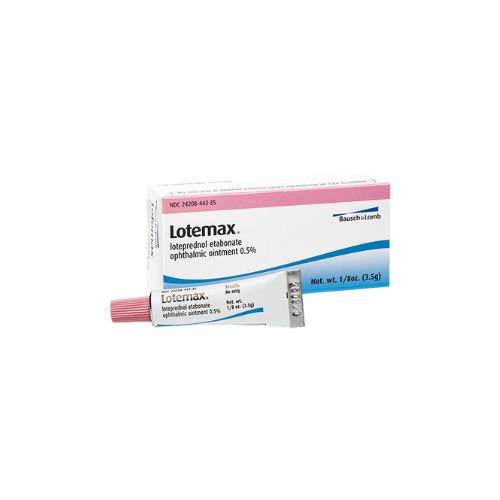
Lotemax Ophthalmic Ointment
Buy Lotemax Ophthalmic Ointment Online
Secure Encrypted Payments
Lotemax Ophthalmic Ointment is a sterile corticosteroid eye ointment used to reduce inflammation and pain after ocular surgery. You can buy Lotemax Ophthalmic Ointment online, view current pricing, and choose the available strength and quantity that match the directions you received from your eye-care clinician. The active steroid is loteprednol etabonate, a medicine designed for topical use on the eye.
Ointment can be useful when longer contact with the eye surface is desired, especially when drops may wash away quickly. Because steroid eye medicines require careful use, treatment length, follow-up timing, and eye-pressure monitoring should be individualized by a qualified clinician.
Price, Strength, and Ordering Details
Lotemax ointment pricing can vary by tube size, strength, and sourcing conditions. The commonly referenced product is Lotemax Ophthalmic Ointment 0.5%, and the product title may appear as loteprednol etabonate ophthalmic ointment when the active ingredient is emphasized. During checkout, select the strength and quantity shown for the medicine and match it to the treatment directions you were given.
Many people look for Lotemax 0.5 eye ointment after cataract or other eye procedures because it is often used for short-term control of post-operative inflammation. If you are paying out of pocket, Canadian pricing may help you evaluate your cash-pay options against local pharmacy costs. BorderFreeHealth offers US delivery from Canada, and orders may include prompt, express shipping.
Quick tip: Keep the carton or tube label available when ordering so the product name, strength, and directions can be matched accurately.
What Lotemax Ointment Is Used For
Lotemax Ophthalmic Ointment is indicated for post-operative inflammation and pain following ocular surgery. In plain terms, it helps calm swelling, redness, irritation, and discomfort that can occur as the eye heals after a procedure. It belongs to the ophthalmic corticosteroid class, which means it reduces inflammatory signaling in eye tissues.
The medicine is not a general treatment for every red or painful eye. Steroid eye ointments can worsen or hide certain infections, so new eye pain, discharge, light sensitivity, or vision changes should be assessed promptly. For condition background, see our sections on eye inflammation and eye pain.
People may see the product described as Lotemax sterile ophthalmic ointment, Lotemax 0.5 ointment, loteprednol ophthalmic ointment 0.5, or brand loteprednol eye ointment. These names point to the same practical decision: using a steroid eye ointment only for an appropriate eye condition and for the duration directed by a clinician.
How Loteprednol Works in the Eye
Loteprednol etabonate is the steroid in Lotemax. It acts on glucocorticoid receptors and reduces the release of inflammatory mediators. This can decrease swelling and discomfort in ocular tissues after surgery when inflammation is part of the healing response.
Topical eye application is intended to focus treatment on the eye surface and nearby tissues. Even so, corticosteroids can still affect eye pressure, wound healing, and infection risk. That is why follow-up visits matter, especially if therapy lasts longer than a brief post-surgical course.
Loteprednol is sometimes called a “soft steroid” in clinical discussions because of how it is metabolized after exerting its effect. That term should not be taken to mean risk-free. Safety still depends on the diagnosis, treatment length, eye history, and monitoring plan.
How to Apply Lotemax Ointment
Use Lotemax ointment exactly as directed by your eye-care clinician and the medicine label. A typical application involves placing a small ribbon of ointment inside the lower eyelid of the affected eye. The exact frequency and duration should follow your personal treatment plan.
- Wash your hands before touching the tube.
- Tilt your head back and gently pull down the lower eyelid.
- Apply a thin ribbon inside the lower eyelid pocket.
- Avoid touching the tube tip to the eye, eyelid, fingers, or any surface.
- Close the eye gently for a short time after application.
- Recap the tube tightly after each use.
- Wait before using other eye products if your clinician gave spacing instructions.
Temporary blurred vision is common after ointment use because the product coats the eye surface. Avoid driving, operating machinery, or doing tasks that require clear vision until your sight clears. If you use more than one eye medicine, ask how to separate ointments, drops, and lubricants so each product can work as intended.
What to Avoid During Treatment
Avoid wearing contact lenses during active eye inflammation unless your eye-care clinician specifically allows it. Contacts can irritate the eye further and may interfere with healing after surgery. They can also increase contamination concerns when the eye surface is inflamed.
Do not share Lotemax eye ointment with anyone else, even if symptoms seem similar. Eye redness and pain can come from infection, injury, allergy, pressure changes, or post-surgical inflammation, and the wrong treatment can delay needed care. Do not use the tube if the tip becomes contaminated or if the medicine appears changed.
Avoid stopping or extending steroid eye treatment on your own. Some regimens include a gradual reduction in use, while others are short and fixed. If symptoms return, worsen, or fail to improve as expected, contact a clinician rather than changing the schedule yourself.
Side Effects, Warnings, and Monitoring
Common side effects of Lotemax ointment may include temporary blurred vision, mild burning, stinging, eye irritation, tearing, dryness, foreign-body sensation, light sensitivity, or headache. These effects are often short-lived, but persistent discomfort should be reported.
Important risks of ophthalmic steroids include increased intraocular pressure, glaucoma, cataract formation, delayed wound healing, and secondary eye infections. Steroids can also mask infection signs, making an eye problem appear less severe while it progresses. People with a history of glaucoma, steroid response, herpes simplex eye disease, or repeated eye infections need especially careful monitoring.
Lotemax should generally be avoided in viral diseases of the cornea and conjunctiva, including epithelial herpes simplex keratitis, vaccinia, and varicella. It is also contraindicated in mycobacterial infection of the eye and fungal diseases of ocular structures. Seek prompt medical help for eye pain, new vision changes, worsening redness, discharge, severe light sensitivity, or a feeling that something is stuck in the eye and will not clear.
Interactions and Practical Cautions
Tell your eye-care clinician about every eye product you use, including antibiotic drops, glaucoma medicines, artificial tears, allergy drops, and nonsteroidal anti-inflammatory eye drops. Using topical NSAIDs with topical steroids may increase the potential for corneal healing problems in some situations.
Other steroid medicines, whether used in the eye, by mouth, by inhaler, or on the skin near the eyes, may also matter to your overall risk profile. The eye-care team may want to know about diabetes, glaucoma, cataracts, immune suppression, recent eye infection, or prior herpes eye disease before choosing a steroid regimen.
Why it matters: Eye steroids can relieve inflammation, but monitoring helps catch pressure changes or infection early.
Storage and Travel Handling
Store Lotemax Ophthalmic Ointment at room temperature according to the label. Keep the cap closed when not in use and protect the tip from contamination. Store the tube away from children and pets, and do not use it beyond the date instructed by your clinician or shown on the packaging.
When traveling, keep the tube in its labeled packaging and carry it with other essential medicines. Avoid leaving it in a hot car, direct sun, or freezing conditions. If your treatment plan includes several eye products, pack them separately enough that labels remain easy to read.
Ointments can blur vision more noticeably than many drops, so plan applications around activities that require clear sight. Nighttime or rest-period use may be easier for some people, but the timing should still follow the directions provided for your surgery or eye condition.
Ointment, Gel, and Drop Form Differences
Lotemax ointment, gel, and drops all involve loteprednol treatment, but the vehicle affects how the medicine feels and fits into a routine. Ointment is thicker and may stay on the eye surface longer, but it commonly causes more temporary blur. Drops may be easier to use during the day for some people, while gels can offer a middle ground in texture.
If you need a different vehicle, your clinician may discuss another Lotemax form. Our ophthalmology category includes related eye-care medicines under ophthalmology, and educational articles are grouped in ophthalmology articles. The best choice depends on the eye condition, surgical plan, comfort, and ability to apply the product correctly.
Do not switch between ointment, gel, and drops without clinical direction. Even when the active ingredient is similar, dosing schedules and use instructions may differ by form.
Brand and Generic Name Context
Lotemax is the brand name, and loteprednol etabonate is the active ingredient. Search terms such as generic Lotemax ointment, loteprednol eye ointment, and loteprednol etabonate ointment usually reflect interest in the active ingredient and cost. Brand and generic availability can differ by country, manufacturer, and pharmacy sourcing.
When ordering, focus on the exact product name, active ingredient, strength, and form shown at checkout. A steroid drop or gel is not the same as an ophthalmic ointment, even if the active ingredient belongs to the same family. Matching the form matters because the product’s thickness, contact time, and directions can change the treatment experience.
Questions to Ask Before Using
Lotemax ointment is often used during a narrow healing window after eye surgery, so it helps to ask practical questions before the first application. Clear instructions can prevent missed doses, contamination, unnecessary contact-lens use, or confusion with other eye medicines.
- How often should I apply the ointment?
- How long should the treatment course last?
- Do I need a taper or a fixed stop date?
- Should I avoid contact lenses until the eye fully heals?
- How should I separate this from other eye drops or ointments?
- When should my eye pressure be checked?
- Which symptoms mean I should call urgently?
Keep follow-up appointments after ocular surgery, even if symptoms improve quickly. Reduced discomfort does not always confirm that healing is complete or that eye pressure remains normal.
Authoritative Sources
For official safety and labeling information, consult the approved labeling and a qualified healthcare professional. These sources support the medical information discussed above:
Ready to proceed with Lotemax Ophthalmic Ointment? Select the available strength and quantity, follow the checkout steps, and keep your eye-care directions nearby so the medicine is used exactly as intended.
This content is for informational purposes only and is not a substitute for professional medical advice.
Express Shipping - from $29.99
Shipping with this method takes 3-5 days
Prices:
- Dry-Packed Products $29.99
- Cold-Packed Products $39.99
Shipping Countries:
- United States (all contiguous states**)
- Worldwide (excludes some countries***)
Standard Shipping - $19.99
Shipping with this method takes 5-10 days
Prices:
- Dry-Packed Products $19.99
- Not available for Cold-Packed products
Shipping Countries:
- United States (all contiguous states**)
- Worldwide (excludes some countries***)
What is Lotemax ointment used for?
Lotemax Ophthalmic Ointment is used for inflammation and pain after ocular surgery. It is a steroid eye ointment, so it should only be used for an eye condition that has been evaluated by a qualified clinician.
What steroid is in Lotemax Ophthalmic Ointment?
The steroid in Lotemax Ophthalmic Ointment is loteprednol etabonate. It is an ophthalmic corticosteroid that helps reduce inflammatory signaling in eye tissues.
What should I avoid while using Lotemax ointment?
Avoid touching the tube tip to your eye or any surface, sharing the medicine, and wearing contact lenses during active inflammation unless your clinician allows it. Avoid driving until temporary blurred vision clears after application.
Can Lotemax ointment cause blurry vision?
Yes. Blurred vision can occur temporarily because ointment coats the eye surface. Wait until your vision clears before driving, reading small print, or doing tasks that require sharp vision.
What are serious risks with steroid eye ointments?
Serious risks can include increased eye pressure, glaucoma, cataract changes, delayed healing, and secondary infection. Contact a clinician promptly for worsening pain, vision changes, discharge, or persistent irritation.
Rewards Program
Earn points on birthdays, product orders, reviews, friend referrals, and more! Enjoy your medication at unparalleled discounts while reaping rewards for every step you take with us.
You can read more about rewards here.
POINT VALUE
How to earn points
- 1Create an account and start earning.
- 2Earn points every time you shop or perform certain actions.
- 3Redeem points for exclusive discounts.
You Might Also Like
Select options
This product has multiple variants. The options may be chosen on the product page
Select options
This product has multiple variants. The options may be chosen on the product page
Select options
This product has multiple variants. The options may be chosen on the product page
Select options
This product has multiple variants. The options may be chosen on the product page