

Please note: a valid prescription is required for all prescription medication.
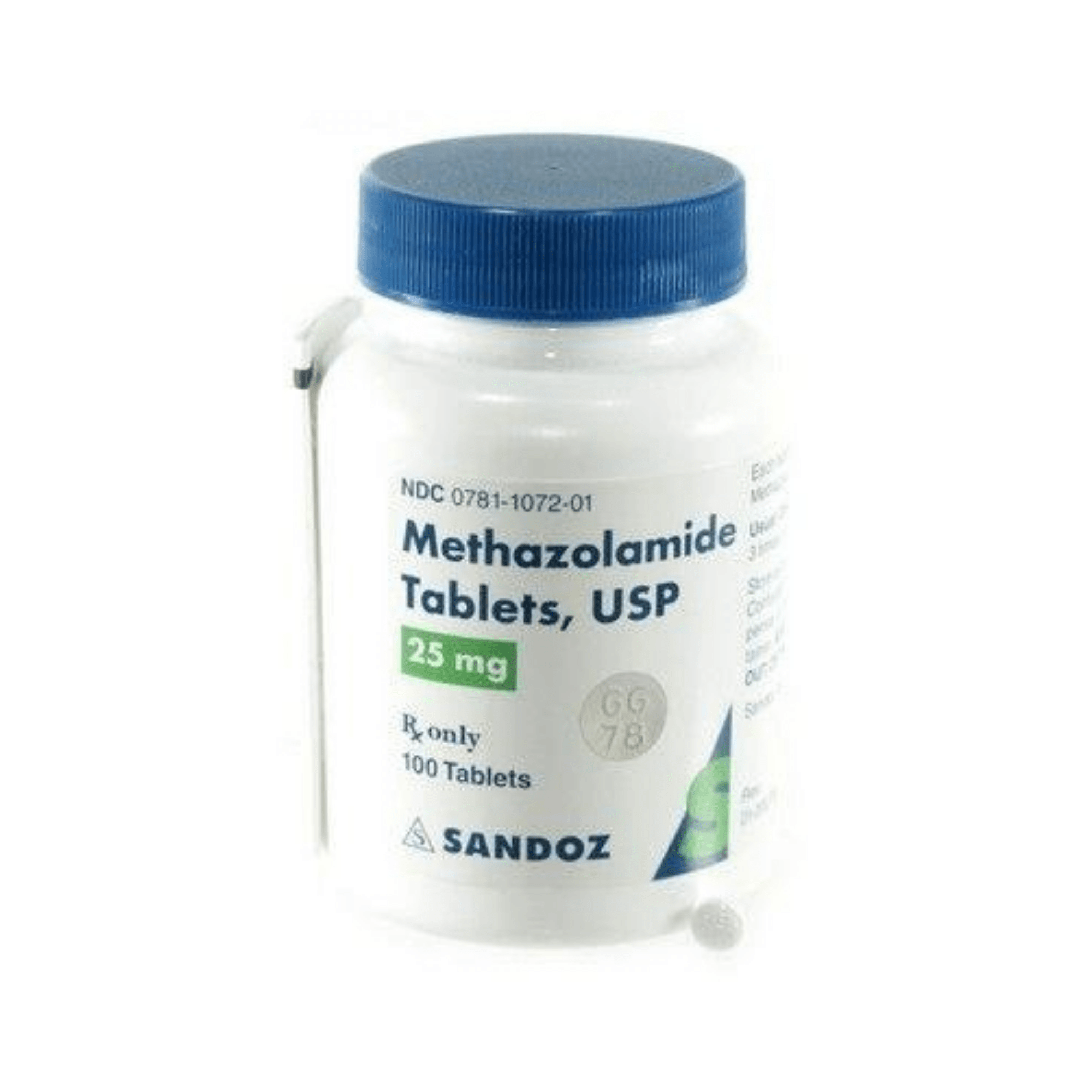
Methazolamide
Buy Methazolamide Tablets Online
Secure Encrypted Payments
Methazolamide is an oral carbonic anhydrase inhibitor used to help lower pressure inside the eye in certain glaucoma-related conditions. You can buy methazolamide tablets and choose the strength shown during ordering to match the directions from your eye care clinician. Current pricing is displayed during checkout, with US delivery from Canada available through licensed pharmacy channels.
Methazolamide Price and Strength Selection
Methazolamide price can vary by manufacturer, strength, quantity, and supply source. Many people look at methazolamide Canadian pricing when they pay cash or need an out-of-pocket option for ongoing glaucoma therapy. During ordering, choose the tablet strength and quantity that match your treatment plan rather than changing the amount to lower cost.
Methazolamide 50 mg is a commonly referenced tablet strength for this medicine. If more than one supply choice is shown, compare the active ingredient, strength, quantity, and country of origin before completing your order. Staying consistent with the same active ingredient helps your clinician interpret eye-pressure response and side effects more clearly.
Quick tip: Keep your bottle label and recent eye-pressure notes together so refills are easier to coordinate.
How to Order Methazolamide Online
Order methazolamide online by selecting the available tablet strength, entering the quantity needed, and completing the required order information. Our process may include review of order details before the medication is supplied through licensed pharmacies. If your clinician has written specific timing instructions, follow those directions exactly.
Plan refills before the bottle runs low. Oral glaucoma medicines work best when taken consistently, and missed doses may allow intraocular pressure to rise again. If you travel often, consider ordering early enough to avoid gaps and keep the pharmacy label with the medication during trips.
Methazolamide ships to US customers through cross-border service channels when the order is completed successfully. We use prompt, express shipping as part of our logistics process, but you should still allow enough time for processing, transit, and any documentation steps that apply to your order.
What Methazolamide Is Used For
Methazolamide is used to treat ocular conditions where lowering intraocular pressure is needed, including certain forms of glaucoma. High pressure inside the eye can damage the optic nerve over time, which is why consistent treatment and follow-up measurements matter. This medicine is taken by mouth, so it can affect the whole body rather than acting only on the eye surface.
Clinicians may use methazolamide for glaucoma when topical drops alone do not provide enough pressure reduction or when drops are difficult to tolerate. It may also be used around eye surgery in selected situations when lowering eye pressure is desired. Methazolamide is not a replacement for urgent care in acute angle-closure glaucoma, which can cause eye pain, headache, halos, nausea, and sudden vision changes.
The condition being treated matters. Open-angle glaucoma, secondary glaucoma, and short-term pressure control around procedures may require different plans. The glaucoma condition section can help you organize questions about diagnosis, target pressure, and follow-up testing.
Drug Class and How It Works
Methazolamide belongs to the carbonic anhydrase inhibitor drug class. Carbonic anhydrase is an enzyme involved in fluid production inside the eye. By reducing enzyme activity in the ciliary body, methazolamide can lower aqueous humor production and help decrease intraocular pressure.
This mechanism differs from medicines that improve fluid outflow from the eye or reduce pressure through other pathways. Because methazolamide works systemically, side effects may involve taste, digestion, urination, electrolytes, breathing tolerance, or acid-base balance. That broader effect is one reason regular medical monitoring may be recommended during ongoing use.
Neptazane is a brand name associated with methazolamide. Generic methazolamide and brand-name Neptazane 50 mg both refer to the same active ingredient when the labeled active ingredient and strength match. Brand names, manufacturers, and country-specific product names can differ, so use the active ingredient and strength as the main points of comparison.
Dosage and Daily Use Basics
Methazolamide dosage is individualized. The right amount depends on eye-pressure goals, other glaucoma treatments, kidney and liver health, side effects, and lab results when monitoring is needed. Do not take extra tablets or stop suddenly without clinical guidance, because eye pressure can rise again.
The tablets are usually swallowed with water. Taking them at evenly spaced times may help maintain a steadier effect. If stomach upset occurs, some people find that taking the dose with food is easier, but any timing instructions from your clinician should come first.
If you miss a dose, take it when remembered unless it is close to the next scheduled dose. If the next dose is near, skip the missed dose and return to the regular schedule. Do not double the next dose to make up for the missed one. A pill organizer, phone alarm, or medication log can reduce missed doses, especially when multiple eye drops are also part of the plan.
Side Effects, Warnings, and Monitoring
Common methazolamide side effects include tingling in the fingers or toes, altered taste, tiredness, increased urination, nausea, stomach upset, decreased appetite, and headache. Some people describe a metallic taste. Mild effects may lessen, but persistent or bothersome symptoms should be discussed promptly.
- Tingling or numbness in hands, feet, or around the mouth
- Changes in taste, including metallic taste
- Nausea, diarrhea, constipation, or abdominal discomfort
- Fatigue, drowsiness, dizziness, or headache
- More frequent urination or increased thirst
- Low sodium or potassium, especially in higher-risk patients
- Rash or increased sensitivity to sunlight
Serious reactions are less common but need urgent attention. Seek medical help for widespread rash, blistering, fever, sore throat, unusual bruising or bleeding, severe weakness, confusion, severe abdominal pain, trouble breathing, or signs of an allergic reaction. Carbonic anhydrase inhibitors have been associated with rare blood cell problems, severe skin reactions, kidney stones, liver problems, and metabolic acidosis, which means too much acid in the blood.
People with severe kidney disease, severe liver disease, marked low sodium or potassium, adrenal gland problems, or a known sulfonamide allergy may be advised to avoid this class. Diabetes, chronic lung disease, electrolyte problems, and a history of kidney stones may require extra caution. Periodic blood tests may be used to monitor electrolytes, kidney function, and acid-base status during longer treatment.
Why it matters: Eye-pressure control is important, but systemic safety monitoring helps keep treatment appropriate over time.
Interactions and When to Be Cautious
Methazolamide interactions can involve aspirin or other salicylates, sodium bicarbonate, other carbonic anhydrase inhibitors, some diuretics, topiramate, lithium, and medicines affected by urine pH. Combining medicines that change potassium, bicarbonate, or acid-base balance can increase the risk of side effects. High-dose salicylates used with carbonic anhydrase inhibitors have been linked with serious acid-base problems.
Tell your healthcare team about eye drops, oral medicines, supplements, antacids, and over-the-counter pain relievers. Do not assume that a non-eye medicine is unrelated to glaucoma care. Oral carbonic anhydrase inhibitors can interact through kidney handling, electrolyte changes, and blood chemistry.
If you use topical glaucoma drops, continue them as directed unless told otherwise. Many people use oral therapy alongside drops from the ophthalmology category. Keeping a complete medication list helps your clinician decide whether the combination is appropriate.
Methazolamide vs Acetazolamide
Methazolamide and acetazolamide are both carbonic anhydrase inhibitors used to lower intraocular pressure. They share a similar treatment role, but they are not automatically interchangeable for every patient. Differences may include dosing schedule, tolerability, kidney handling, clinician familiarity, and how a person responds.
Acetazolamide is another systemic carbonic anhydrase inhibitor that may be used for eye-pressure control in certain situations. Methazolamide may be chosen when the clinician wants this specific active ingredient or when a person has responded to it previously. The best choice depends on diagnosis, medical history, other medicines, and follow-up pressure measurements.
Topical carbonic anhydrase inhibitor drops may be considered when a local eye treatment is preferred. Systemic medicines can be useful but may carry broader body-wide effects, while drops can still cause local irritation or other reactions. Your treatment plan may combine different mechanisms to reach the target pressure while limiting side effects.
Storage, Handling, and Travel
Store methazolamide tablets at room temperature, away from excess heat and moisture. Keep the bottle tightly closed and out of reach of children and pets. Avoid storing tablets in a humid bathroom, where moisture can affect medication quality.
For travel, keep tablets in carry-on luggage with the pharmacy label attached. A printed medication list or patient-portal summary can help if questions arise during security checks or medical visits away from home. Do not place tablets in unmarked containers for long trips, because labels help prevent dosing mistakes.
If your schedule changes across time zones, ask your clinician how to keep doses spaced safely. Hydration may matter because increased urination can occur with this class, but people with heart, kidney, or fluid restrictions should follow their individualized fluid guidance.
Long-Term Use and Follow-Up Expectations
Long-term methazolamide use focuses on balancing eye-pressure benefit with systemic tolerability. Your eye pressure may be checked after starting therapy and at follow-up visits to confirm whether the medication is helping enough. Visual field testing, optic nerve imaging, and eye exams may also be used to track glaucoma over time.
Long-term side effects can include ongoing tingling, fatigue, digestive upset, electrolyte changes, kidney stone risk, and acid-base changes. Rare blood or skin reactions can occur even though they are not common. Report new symptoms rather than waiting for the next routine appointment if they feel significant or unusual.
Methazolamide is not known as a medication that typically causes weight gain. Some people notice decreased appetite, stomach upset, or fluid-related changes instead. Any unexpected weight change, swelling, dehydration symptoms, or appetite change should be evaluated in context with your other conditions and medicines.
Related Glaucoma and Eye-Care Choices
Glaucoma treatment often uses more than one approach. Oral methazolamide may be added when drops, laser treatment, or surgical planning do not fully meet pressure goals. The broader ophthalmology articles section can help you prepare practical questions about eye-pressure monitoring, adherence, and symptoms that should not wait.
If product origin matters to your ordering decision, the Canada country-of-origin section can help you browse items grouped by origin. Use that information alongside the active ingredient, tablet strength, and directions from your clinician.
Ask your eye care team what pressure target you are aiming for, how soon pressure should be rechecked, and which symptoms should prompt urgent evaluation. Also ask whether lab monitoring is needed, how methazolamide fits with your eye drops, and whether another carbonic anhydrase inhibitor would be appropriate if side effects occur.
Authoritative Sources
Official methazolamide labeling
MedlinePlus methazolamide patient information
This content is for informational purposes only and is not a substitute for professional medical advice.
eGFR Calculator
Estimate kidney filtration using the 2021 CKD-EPI creatinine equation.
eGFR
-
mL/min/1.73 m2
G category
-
requires clinical context
These calculations are for education only and do not replace clinical advice, diagnosis, or treatment. Always confirm medical decisions with a qualified healthcare professional.
Creatinine Clearance Calculator
Estimate creatinine clearance using the Cockcroft-Gault equation.
CrCl
-
mL/min estimate
These calculations are for education only and do not replace clinical advice, diagnosis, or treatment. Always confirm medical decisions with a qualified healthcare professional.
Anion Gap Calculator
Calculate anion gap from sodium, chloride, and bicarbonate, with optional albumin correction.
Anion gap
-
Na - (Cl + HCO3)
Albumin corrected
-
adds 2.5 per 1 g/dL below 4.0
These calculations are for education only and do not replace clinical advice, diagnosis, or treatment. Always confirm medical decisions with a qualified healthcare professional.
Serum Osmolality Calculator
Estimate calculated serum osmolality from sodium, glucose, and BUN or urea.
Calculated osmolality
-
mOsm/kg
These calculations are for education only and do not replace clinical advice, diagnosis, or treatment. Always confirm medical decisions with a qualified healthcare professional.
Express Shipping - from $29.99
Shipping with this method takes 3-5 days
Prices:
- Dry-Packed Products $29.99
- Cold-Packed Products $39.99
Shipping Countries:
- United States (all contiguous states**)
- Worldwide (excludes some countries***)
Standard Shipping - $19.99
Shipping with this method takes 5-10 days
Prices:
- Dry-Packed Products $19.99
- Not available for Cold-Packed products
Shipping Countries:
- United States (all contiguous states**)
- Worldwide (excludes some countries***)
What is methazolamide used for?
Methazolamide is used to lower intraocular pressure in certain glaucoma-related eye conditions. It may be used when eye pressure needs additional control, including some situations before eye surgery.
What are common methazolamide side effects?
Common side effects include tingling in the hands or feet, altered taste, tiredness, increased urination, nausea, stomach upset, decreased appetite, dizziness, and headache. Serious rash, unusual bleeding, breathing trouble, severe weakness, or confusion needs urgent medical attention.
Does methazolamide cause weight gain?
Weight gain is not a typical expected effect of methazolamide. Some people may notice appetite changes, stomach upset, or fluid-related symptoms instead. Unexpected weight change should be discussed with a healthcare professional.
What is the difference between methazolamide and acetazolamide?
Methazolamide and acetazolamide are both carbonic anhydrase inhibitors that can lower eye pressure. They differ in individual response, tolerability, dosing decisions, and clinical fit, so one should not be substituted for the other without medical guidance.
How should methazolamide tablets be stored?
Store methazolamide tablets at room temperature, away from excess heat and moisture. Keep the bottle tightly closed, in a safe place away from children and pets, and travel with the pharmacy label attached.
Rewards Program
Earn points on birthdays, product orders, reviews, friend referrals, and more! Enjoy your medication at unparalleled discounts while reaping rewards for every step you take with us.
You can read more about rewards here.
POINT VALUE
How to earn points
- 1Create an account and start earning.
- 2Earn points every time you shop or perform certain actions.
- 3Redeem points for exclusive discounts.
You Might Also Like
Select options
This product has multiple variants. The options may be chosen on the product page
Select options
This product has multiple variants. The options may be chosen on the product page
Select options
This product has multiple variants. The options may be chosen on the product page
Select options
This product has multiple variants. The options may be chosen on the product page