

Please note: a valid prescription is required for all prescription medication.
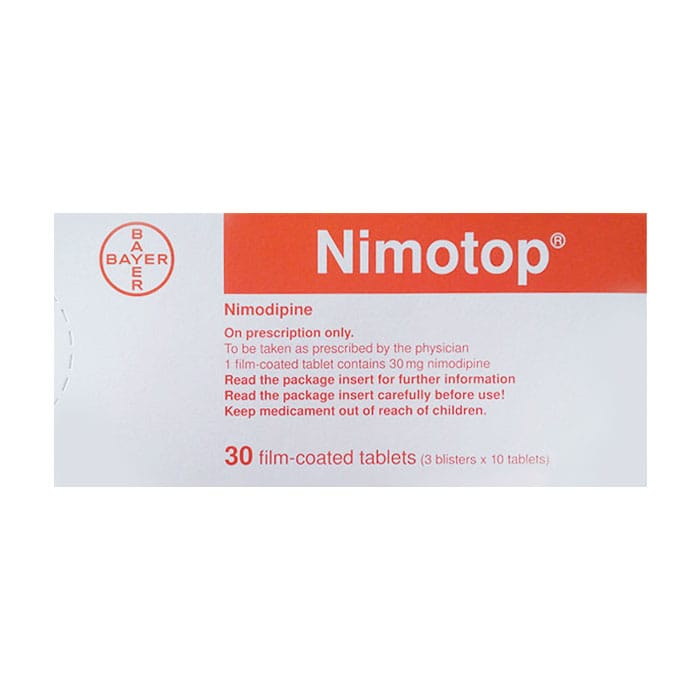
Nimotop
Nimotop: How to Buy It and What to Know First
Price:
$1,461.99
Secure Encrypted Payments
Nimotop is a prescription medicine that contains nimodipine, a calcium channel blocker that relaxes blood vessels. It is commonly used in hospital-to-home care after certain kinds of bleeding around the brain. This page explains what it’s for, what to watch for, and practical handling details, including access options for people paying cash without insurance.
What Nimotop Is and How It Works
Prescriptions are confirmed with the prescriber before dispensing.
This medicine is a dihydropyridine calcium channel blocker (a blood-vessel relaxer). In neurocritical care, nimodipine is used after subarachnoid hemorrhage (bleeding around the brain) to help reduce the risk of neurologic problems linked to cerebral vasospasm (narrowing of brain arteries). The goal is not to “thin the blood” or dissolve a clot. Instead, it supports more stable blood flow in vulnerable brain tissue during recovery.
Within BorderFreeHealth’s model, US shipping from Canada is part of the logistics for eligible prescriptions. In day-to-day terms, treatment success depends heavily on consistent timing and careful monitoring of low blood pressure symptoms, because vessel relaxation can affect systemic blood pressure. A prescriber may also consider other ICU measures, imaging results, and overall neurologic status alongside this therapy.
Who It’s For
Nimotop is generally prescribed for adults following subarachnoid hemorrhage when a clinician wants to reduce complications tied to vasospasm during the post-bleed period. It is not a general-purpose medication for all stroke types, and it is not intended for routine headache or memory concerns. Many patients receiving nimodipine have recently been hospitalized and are transitioning to a structured medication schedule at home or in rehabilitation.
Important reasons a prescriber might avoid or closely supervise therapy include allergy to nimodipine or related ingredients, very low blood pressure, or significant liver disease that may change drug levels. Extra caution is also common when other blood-pressure–lowering treatments are required. For condition context and related topic hubs on this site, browse Subarachnoid Hemorrhage, Cerebral Vasospasm, and the Neurology category. For broader background, see Stroke In Young Adults.
Dosage and Usage
Nimotop dosing is time-sensitive and is usually prescribed on a fixed schedule rather than “as needed.” U.S. prescribing information for nimodipine describes a regimen taken at regular 4-hour intervals for a defined course (often about 21 days) after subarachnoid hemorrhage. Individual plans can differ based on blood pressure, liver function, and the broader neurologic care plan, so the dispensing label should be treated as the primary reference for timing.
Administration details matter because this therapy may be continued during rehabilitation, when routines are disrupted. If a dose is missed, clinicians often advise taking it as soon as remembered unless it is close to the next scheduled time; double-dosing can increase the risk of low blood pressure. Some patients cannot swallow safely after a brain bleed, and the care team may select a formulation appropriate for feeding tubes rather than altering a solid dosage form. For general context on blood-pressure effects across medication classes, the resource Blood Pressure Medications may be helpful.
Strengths and Forms
Depending on supplier and country, nimodipine may be dispensed as an oral capsule or tablet, and some settings use an oral solution when swallowing is not safe. The specific strength and dosage form are determined by the prescription and appear on the dispensing label. If the medicine is being managed across care transitions, it can help to keep a written medication list with the exact form, directions, and start/end dates.
Medications are sourced through licensed Canadian partner pharmacies.
A critical safety point is that oral nimodipine products are not intended for injection; serious harm has been reported when oral formulations were administered intravenously. Packaging and pharmacy labeling are designed to reduce that risk, but patients and caregivers should still confirm the route matches the prescriber’s instructions. For a longer discussion of indications and practical considerations, the article Nimodipine Uses Overview provides additional context.
Storage and Travel Basics
Storage instructions should follow the pharmacy label, because requirements can vary by formulation and manufacturer. In general, many oral cardiovascular medicines are kept at controlled room temperature, protected from excess heat, moisture, and direct light. Original packaging can also help protect the product and preserve identification details such as lot number and expiration date, which can matter during a recall or a medication reconciliation in a clinic or hospital.
Travel planning is especially important when dosing is scheduled around the clock. Time zone changes, fatigue, and disrupted routines can all increase missed doses. Keeping the medicine in a carry-on rather than checked luggage can reduce exposure to temperature extremes and prevent loss.
Quick tip: Keep a current medication list in the same bag as the prescription label.
For supportive, non-medication steps that may be discussed during recovery planning, see Maintaining Brain Health.
Side Effects and Safety
Nimotop can cause side effects related to blood vessel relaxation. Commonly discussed effects include dizziness, lightheadedness, flushing, headache, nausea, swelling in the legs or ankles, or feeling unusually tired. Because people taking nimodipine may already be recovering from a major neurologic event, even mild drops in blood pressure can contribute to falls or reduced participation in rehabilitation activities.
More serious reactions are less common but require prompt medical assessment. Concerning signs can include fainting, severe weakness, chest pain, trouble breathing, swelling of the face or throat, or symptoms suggesting very low blood pressure. Monitoring plans vary, but prescribers often emphasize checking for dizziness with position changes and documenting episodes that coincide with dosing times.
Why it matters: Low blood pressure can complicate recovery and increase fall risk.
For additional site resources on neurologic conditions and medicines, browse Neurology Articles.
Drug Interactions and Cautions
Nimodipine is metabolized through pathways that are affected by many other medications, especially those that inhibit or induce CYP3A4 (a major drug-metabolizing enzyme). Certain antibiotics (such as macrolides), antifungals (such as azoles), and some HIV or hepatitis C therapies can raise nimodipine levels and increase the risk of low blood pressure. Conversely, strong enzyme inducers (for example rifampin, carbamazepine, or phenytoin) may lower drug exposure and reduce expected effect.
Food and supplements can matter, too. Grapefruit and grapefruit juice are often listed as items to avoid because they can increase levels of some calcium channel blockers. Herbal products such as St. John’s wort may reduce levels of medications metabolized by CYP3A4. A careful medication review should include prescription drugs, OTC products, and supplements, especially when multiple blood-pressure–lowering treatments are used together. For general supplement context, see Omega 3 Health Guide.
Compare With Alternatives
Nimodipine is relatively unique in post–subarachnoid hemorrhage care, so “alternatives” often means different approaches used in the same clinical pathway rather than a simple substitution. In some hospitals, an oral solution formulation may be selected when swallowing is unsafe or tube administration is required. Separate from nimodipine, clinicians may use other blood-pressure strategies, fluids, or procedure-based treatments when vasospasm is suspected, depending on imaging and neurologic findings.
Other medications may appear alongside nimodipine in discharge plans, but they treat different risks. For example, seizure-prevention therapy may be used in select patients after brain injury; examples include levetiracetam or phenytoin products. BorderFreeHealth lists related prescription items such as Levetiracetam and Dilantin Infatabs 50 mg, which are not substitutes for nimodipine but may be part of broader neurologic care when prescribed.
| Option | Typical setting | Key consideration |
|---|---|---|
| Oral nimodipine solid form | Home or rehab | Strict timing and blood-pressure monitoring |
| Nimodipine oral solution | Hospital or specialized discharge | May be used when swallowing is unsafe |
| Procedure-based vasospasm treatment | Hospital only | Directed by imaging and neurologic status |
Pricing and Access
Nimotop access can look different depending on local availability, prescription requirements, and whether a person is paying out of pocket. BorderFreeHealth generally supports cash-pay pathways, including for those managing medication needs without insurance, by coordinating with partner pharmacies and handling prescription documentation. Costs can vary based on dose, duration, and dispensing fees, so the most accurate estimate comes from the final prescription details and the selected pharmacy channel.
Cash-pay options support access when insurance is unavailable.
When fulfillment is arranged, Ships from Canada to US may apply based on the medication and destination rules. For site-level ways to reduce out-of-pocket burden when available, review Current Promotions. It can also help to keep prescriber contact details current, because pharmacies may need timely confirmation before dispensing and shipping can proceed.
Authoritative Sources
Because nimodipine is commonly started during hospitalization and continued through recovery, it helps to cross-check instructions against official references. These sources can clarify approved indications, dosing intervals described in labeling, and the interaction cautions most likely to matter in real-world use. They are also useful when reconciling medications across settings, such as when a discharge summary, rehab medication administration record, and outpatient prescription are not perfectly aligned.
For the most reliable details, consult official drug information and patient education materials, then confirm questions with a licensed clinician or pharmacist. The links below are provided for neutral reference and may be updated by their publishers over time.
To request dispensing through the site, submit a valid prescription and select prompt, express shipping if available at checkout.
This content is for informational purposes only and is not a substitute for professional medical advice.
Express Shipping - from $25.00
Shipping with this method takes 3-5 days
Prices:
- Dry-Packed Products $25.00
- Cold-Packed Products $35.00
Shipping Countries:
- United States (all contiguous states**)
- Worldwide (excludes some countries***)
Standard Shipping - $15.00
Shipping with this method takes 5-10 days
Prices:
- Dry-Packed Products $15.00
- Not available for Cold-Packed products
Shipping Countries:
- United States (all contiguous states**)
- Worldwide (excludes some countries***)
What is nimodipine used for after subarachnoid hemorrhage?
Nimodipine is most commonly used after subarachnoid hemorrhage (bleeding around the brain) to help reduce the risk of neurologic problems linked to cerebral vasospasm (narrowing of brain arteries). It works as a calcium channel blocker, which relaxes blood vessels. It is not a clot-busting drug and does not “thin the blood.” In practice, it is usually part of a broader hospital-to-rehabilitation plan that can also include blood pressure management, imaging follow-up, and symptom monitoring.
How long is nimodipine usually taken after a brain bleed?
Duration is typically defined in the prescription rather than adjusted day to day. U.S. prescribing information describes a fixed course that is often about 21 days after subarachnoid hemorrhage, taken at regular intervals. However, the exact plan can vary if blood pressure is difficult to maintain, if liver function is impaired, or if the care team changes the overall recovery pathway. The most accurate guide is the dispensing label and the hospital discharge instructions.
Can nimodipine be given through a feeding tube?
Feeding-tube administration depends on the formulation and the clinical situation. Some solid oral forms are not appropriate to crush or open, and incorrect handling can lead to dosing errors or unsafe administration. In patients who cannot swallow after a neurologic event, clinicians may choose an oral solution formulation or a different strategy that is compatible with tube delivery. Decisions about tube administration should be made by the prescribing team or a pharmacist familiar with the exact product supplied.
Does nimodipine lower blood pressure and how is that monitored?
Yes. Because nimodipine relaxes blood vessels, it can lower blood pressure and cause dizziness, lightheadedness, or fainting, especially when standing up or when other blood-pressure–lowering medicines are also used. Monitoring approaches vary by setting. During hospitalization, blood pressure is checked frequently. After discharge, clinicians may recommend periodic checks and keeping notes about symptoms that occur near dosing times. Severe weakness, fainting, or signs of allergic reaction warrant urgent medical evaluation.
What interactions are most important with nimodipine?
Many interactions involve CYP3A4, a major drug-metabolizing enzyme. Some antibiotics (for example certain macrolides), antifungals (such as azoles), and some antiviral therapies can raise nimodipine levels and increase side effects like low blood pressure. Strong inducers such as rifampin, carbamazepine, or phenytoin may reduce exposure. Grapefruit products are often listed as items to avoid because they can increase levels of some calcium channel blockers. A pharmacist can review the full medication list for risks.
What should be discussed with a clinician before starting nimodipine?
Key topics include the intended indication (often post–subarachnoid hemorrhage), the planned dosing schedule and course length, and what symptoms should trigger urgent evaluation. It is also important to review baseline blood pressure trends, liver function history, and all other medicines and supplements, including potential CYP3A4 inhibitors or inducers and grapefruit intake. If swallowing is difficult, the clinician should address whether a tube-compatible formulation is needed. Clear instructions for missed doses and follow-up monitoring help avoid preventable complications.
Rewards Program
Earn points on birthdays, product orders, reviews, friend referrals, and more! Enjoy your medication at unparalleled discounts while reaping rewards for every step you take with us.
You can read more about rewards here.
POINT VALUE
How to earn points
- 1Create an account and start earning.
- 2Earn points every time you shop or perform certain actions.
- 3Redeem points for exclusive discounts.
How to book an appointment
- 1Create Begin by completing a profile or log into your existing account. This step ensures we have the necessary information to provide you with a service that's tailored to your needs. account and start earning.
- 2Scheduling an appointment with our online booking system is easy. Pick a day and time that suits you. You’ll receive an immediate confirmation, without the wait.
- 3Discuss your concerns and symptoms and receive a thorough diagnosis from one of our licensed doctors during a confidential video appointment.
- 4If you've been prescribed medication, your Rx is sent directly to one of our licensed pharmacies and delivered right to your door.
Get Started
To book an online doctor appointment, register for an account or login. After doing so, you can book your visit on this page.
You Might Also Like
Select options
This product has multiple variants. The options may be chosen on the product page
Select options
This product has multiple variants. The options may be chosen on the product page
Select options
This product has multiple variants. The options may be chosen on the product page
Select options
This product has multiple variants. The options may be chosen on the product page