
Please note: a valid prescription is required for all prescription medication.
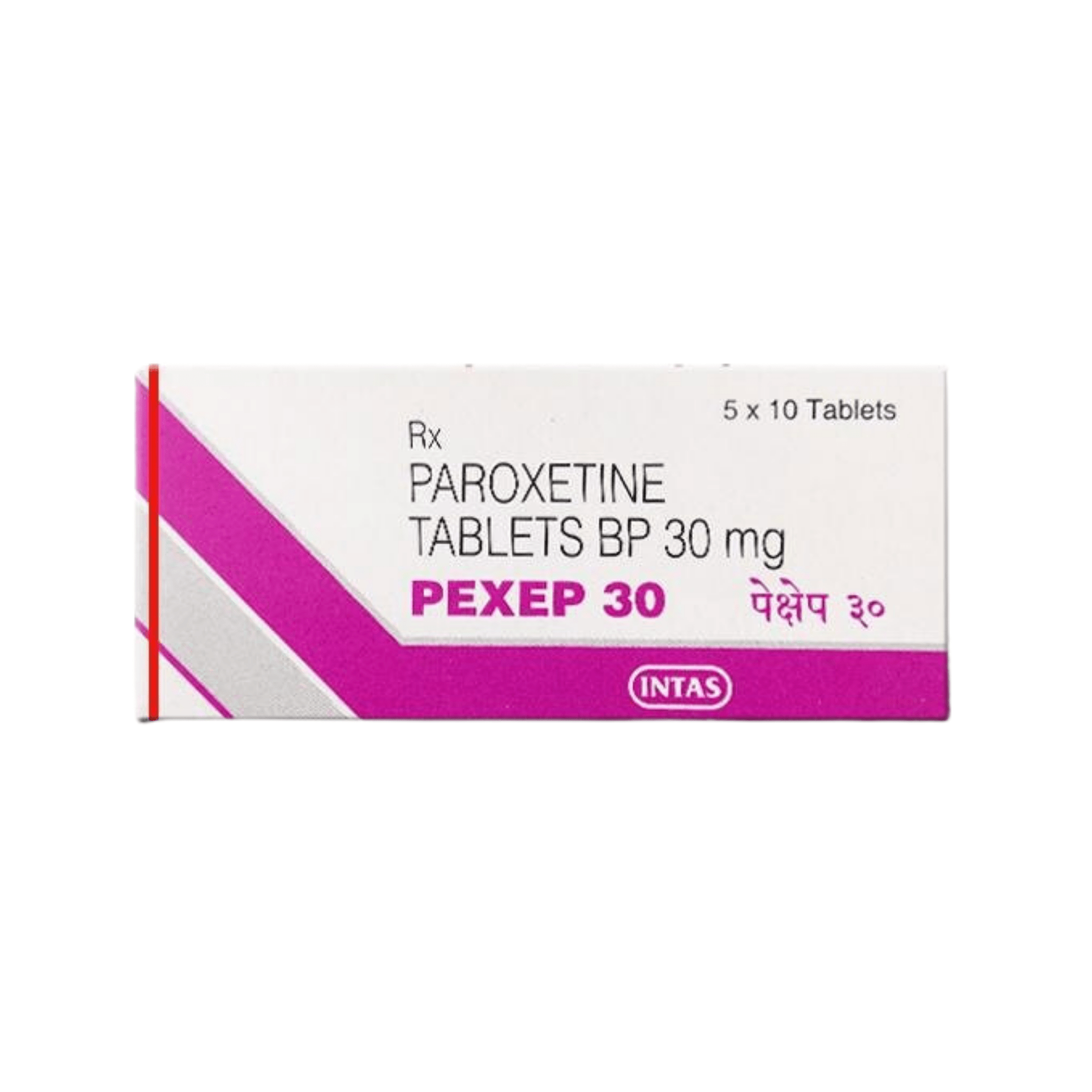
Pexep
Buy Pexep Online
Secure Encrypted Payments
Pexep is a paroxetine medicine in the selective serotonin reuptake inhibitor class, commonly called an SSRI. It can be ordered in the tablet strength shown during checkout, including immediate-release or controlled-release strengths when offered, so your selection can match your clinician’s directions.
People often compare Pexep 10 mg tablet, Pexep 20 mg tablet, Pexep 30 mg tablet, Pexep 40 mg tablet, and Pexep CR tablets such as 12.5 mg, 25 mg, or 37.5 mg. The exact strength, quantity, and current price are shown during ordering, and U.S. customers may use our US delivery from Canada service context when arranging a fill.
Pexep Price, Strength, and Ordering Basics
Pexep price can vary by strength, form, and quantity. Immediate-release tablets and controlled-release tablets are not interchangeable without clinician guidance because they release paroxetine differently in the body. Choose the dose and form displayed during ordering only when it matches the directions you were given.
Commonly published immediate-release strengths include 10 mg, 20 mg, 30 mg, and 40 mg tablets. Common controlled-release strengths include Pexep CR 12.5 mg, Pexep CR 25 mg, and Pexep CR 37.5 mg tablets. Some people also search for these as Paroxetine CR 12.5 mg, Paroxetine CR 25 mg, Paroxetine ER 12.5 mg, or paroxetine controlled release 25 mg.
Cash-pay customers can view the current Pexep CR cash price before proceeding. If you are paying without insurance, the total may depend on the strength, supply size, and whether the available product is immediate-release or controlled-release. Quick tip: Keep the form and strength name from your medication directions nearby when selecting tablets.
What Pexep Treats
Pexep contains paroxetine, an SSRI used for major depressive disorder and several anxiety-related conditions. These include panic disorder, social anxiety disorder, generalized anxiety disorder, and obsessive-compulsive disorder. In some markets, paroxetine labeling also includes post-traumatic stress disorder.
SSRIs work by affecting serotonin signaling in the brain. Serotonin is a chemical messenger involved in mood, worry, sleep, and several body functions. The medicine does not work like a sedative, and symptom improvement usually builds gradually with consistent daily use.
For condition background, see our sections on depression, panic disorder, and generalized anxiety disorder. These sections can help you understand why a clinician may choose an SSRI and what symptoms are commonly monitored over time.
Immediate-Release vs Controlled-Release Tablets
Pexep immediate-release tablets release paroxetine after swallowing. Controlled-release tablets, often labeled Pexep CR, are designed to release the medicine more gradually. Both forms are typically used once daily, but your schedule depends on the form, the condition being treated, and your response.
Controlled-release tablets should be swallowed whole with water. Do not crush, chew, or split them unless a qualified healthcare professional specifically tells you to do so, because damaging the tablet can change how the medicine releases. Immediate-release tablets should also be taken as directed, with food if it helps reduce stomach upset.
Pexep CR 12.5 mg tablet and Pexep CR 25 mg tablet searches often reflect people trying to match a lower controlled-release starting strength or a maintenance strength. Use the exact form name and strength from your directions, since Paroxetine CR 12.5 mg and Pexep 12.5 mg may not always describe the same release profile in every market.
How to Take Pexep Safely
Take Pexep at the same time each day to support a steady routine. Many people take paroxetine in the morning, but some are told to take it at another time depending on drowsiness, insomnia, or tolerability. Follow the schedule provided by your clinician and do not change the dose on your own.
Do not stop paroxetine suddenly unless a clinician tells you to stop. Abrupt discontinuation can cause symptoms such as dizziness, sleep disturbance, irritability, nausea, headache, electric-shock sensations, or anxiety. If stopping is appropriate, a gradual taper is often used to reduce the chance of withdrawal effects.
If you miss a dose, take it when remembered unless it is close to the next scheduled dose. If the next dose is near, skip the missed dose and return to your usual schedule. Do not take two doses at once to make up for a missed tablet.
What to Expect During Treatment
Pexep may take several weeks to show its full benefit. Some people notice changes in sleep, appetite, or anxiety before mood improves. Others feel early side effects first, which can be frustrating, but many mild effects lessen as the body adjusts.
Drowsiness can occur with paroxetine, especially when starting treatment or after a dose change. Until you know how Pexep affects you, be careful with driving, alcohol, and tasks requiring alertness. Alcohol can also worsen dizziness, sleepiness, and judgment.
Weight change is possible with SSRIs, including paroxetine. Some people gain weight during longer use, while others have appetite changes early in treatment. Report meaningful weight change, worsening mood, agitation, or unusual behavior changes to a healthcare professional.
Side Effects, Warnings, and Monitoring
Common side effects can include nausea, dry mouth, sweating, sleepiness, dizziness, headache, constipation, diarrhea, insomnia, fatigue, tremor, and sexual side effects. These effects are not the same for everyone. Contact a healthcare professional if side effects interfere with daily life or do not improve.
- Nausea or stomach upset
- Drowsiness, fatigue, or dizziness
- Dry mouth or increased sweating
- Sleep changes, including insomnia
- Sexual side effects
- Constipation or diarrhea
- Headache or tremor
Serious reactions need urgent attention. Seek help right away for suicidal thoughts, severe agitation, confusion, fever, muscle stiffness, fainting, seizures, severe allergic symptoms, unusual bleeding, black stools, severe eye pain, or sudden vision changes. Younger patients may have a higher risk of suicidal thoughts or behavior when starting antidepressants or changing doses.
Serotonin syndrome is a rare but serious reaction caused by excess serotonin activity. Risk rises when paroxetine is combined with other serotonergic medicines or supplements. Symptoms may include agitation, hallucinations, fast heartbeat, fever, sweating, shivering, diarrhea, muscle stiffness, or loss of coordination.
Paroxetine can also contribute to low sodium, especially in older adults or people taking diuretics. Low sodium may cause headache, weakness, confusion, unsteadiness, or seizures. People with glaucoma risk, seizure history, bipolar disorder, bleeding risk, liver concerns, kidney concerns, or pregnancy plans should discuss suitability before using this medicine.
Drug Interactions and Medicines to Avoid
Do not combine paroxetine with monoamine oxidase inhibitors, commonly called MAOIs. It should also not be used with thioridazine or pimozide. A washout period may be needed when switching between paroxetine and certain other antidepressants, so professional guidance is important.
Tell your healthcare team about all medicines, supplements, and non-prescription products you use. Interaction concerns include other SSRIs or SNRIs, triptans, tramadol, lithium, linezolid, methylene blue, St. John’s wort, and some migraine or pain medicines. Combining these can raise serotonin syndrome risk.
Paroxetine can affect the CYP2D6 enzyme, which helps process several medicines. It may reduce the effectiveness of tamoxifen by lowering formation of its active metabolite. Bleeding risk can rise when paroxetine is taken with NSAIDs, aspirin, warfarin, or other anticoagulants.
Storage, Travel, and Handling
Store Pexep tablets at room temperature, away from excess moisture, heat, and direct light. Keep tablets in the original labeled container or blister until use. Store all medicines out of reach of children and pets.
For travel, keep Pexep in carry-on luggage rather than a checked bag when possible. Bring the labeled container and any supporting medication paperwork you normally use. Avoid leaving tablets in a parked car or other hot location for long periods.
Pexep is supplied as tablets, so no pen handling, refrigeration, injection supplies, or sharps disposal are needed. When arranged through the store, logistics may include prompt, express shipping, but storage directions should still be followed once the medicine arrives.
Who Should Discuss Extra Caution Before Use
Pexep may not be suitable for everyone. People with a past allergic reaction to paroxetine should avoid it. Extra caution is important for people with bipolar disorder, mania history, seizures, bleeding disorders, narrow-angle glaucoma risk, low sodium history, or significant liver or kidney disease.
Pregnancy and breastfeeding decisions require individualized risk-benefit discussion. Paroxetine has specific pregnancy safety considerations, and stopping treatment suddenly may also carry risks for some people. If pregnancy is planned or possible, ask a healthcare professional about the safest approach before making changes.
Older adults may be more sensitive to low sodium, falls, dizziness, or medicine interactions. Anyone starting Pexep should know whom to contact if mood worsens, panic symptoms intensify, or new impulsive behavior appears. Why it matters: Early monitoring helps separate expected adjustment effects from warning signs.
Related Mental Health Treatment Choices
Pexep is one SSRI choice among several antidepressant and anti-anxiety medicines. Clinicians may consider past response, side effect history, other medicines, sleep pattern, sexual side effects, panic symptoms, and discontinuation risk when choosing between SSRIs or SNRIs.
If paroxetine is not the right fit, a clinician may consider another medicine in the same treatment area or a different class. Therapy, sleep routines, reduced alcohol use, and structured follow-up may also support outcomes for depression and anxiety disorders. Our mental health category groups related treatment options.
People managing obsessive thoughts, compulsions, panic attacks, or chronic worry may also benefit from learning about the broader mental health topic area. Condition education does not replace individualized care, but it can help you prepare better questions for follow-up visits.
Authoritative Sources
For detailed prescribing and safety information, use the official labeling provided with your medicine and regulator-maintained drug information sources. These references are especially important for contraindications, boxed warnings, pregnancy considerations, interactions, and adverse reactions.
| Source | How it helps |
|---|---|
| FDA DailyMed drug labeling | Provides U.S. labeling for paroxetine products, including warnings, interactions, adverse reactions, and use instructions. |
| Health Canada Drug Product Database | Provides Canadian drug product records and labeling information for marketed medicines. |
| Official manufacturer or package insert information | Supports product-specific directions, storage requirements, and safety updates supplied with the medicine. |
This content is for informational purposes only and is not a substitute for professional medical advice.
Express Shipping - from $29.99
Shipping with this method takes 3-5 days
Prices:
- Dry-Packed Products $29.99
- Cold-Packed Products $39.99
Shipping Countries:
- United States (all contiguous states**)
- Worldwide (excludes some countries***)
Standard Shipping - $19.99
Shipping with this method takes 5-10 days
Prices:
- Dry-Packed Products $19.99
- Not available for Cold-Packed products
Shipping Countries:
- United States (all contiguous states**)
- Worldwide (excludes some countries***)
What is Pexep used for?
Pexep contains paroxetine, an SSRI used for major depressive disorder and several anxiety disorders, including panic disorder, social anxiety disorder, generalized anxiety disorder, and obsessive-compulsive disorder. Use may vary by local labeling and individual clinical needs.
Does Pexep make you sleepy?
Pexep can cause drowsiness or fatigue in some people, especially when starting treatment or after a dose change. Others may notice insomnia instead. Avoid driving or alcohol until you know how it affects you.
Is Pexep a sleeping pill?
No. Pexep is an SSRI antidepressant, not a sleeping pill or sedative. It may affect sleep as a side effect, but it is used to treat depression and anxiety-related conditions rather than to act as a sleep medicine.
Does Pexep cause weight gain?
Weight change can occur with paroxetine. Some people gain weight during longer treatment, while others notice appetite changes early on. Tell a healthcare professional if weight change is significant or concerning.
What is the difference between Pexep and Pexep CR?
Pexep immediate-release tablets release paroxetine after swallowing, while Pexep CR tablets are controlled-release tablets designed to release the medicine more gradually. Do not switch forms unless a clinician directs the change.
Can I stop Pexep suddenly?
Stopping paroxetine suddenly can cause withdrawal symptoms such as dizziness, nausea, irritability, sleep disturbance, headache, or electric-shock sensations. Ask a healthcare professional about a taper plan if stopping is appropriate.
Rewards Program
Earn points on birthdays, product orders, reviews, friend referrals, and more! Enjoy your medication at unparalleled discounts while reaping rewards for every step you take with us.
You can read more about rewards here.
POINT VALUE
How to earn points
- 1Create an account and start earning.
- 2Earn points every time you shop or perform certain actions.
- 3Redeem points for exclusive discounts.
You Might Also Like
Select options
This product has multiple variants. The options may be chosen on the product page
Select options
This product has multiple variants. The options may be chosen on the product page
Select options
This product has multiple variants. The options may be chosen on the product page
Select options
This product has multiple variants. The options may be chosen on the product page