
Please note: a valid prescription is required for all prescription medication.
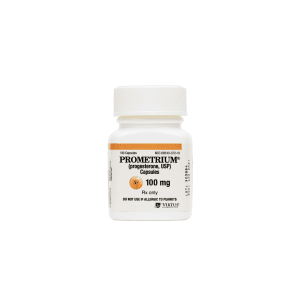
Prometrium
Buy Prometrium Online
Secure Encrypted Payments
Prometrium is a micronized progesterone oral capsule used in specific hormone-related treatment plans. It can be ordered online, and you can choose the available strength that matches your clinician’s directions, including Prometrium 100 mg or Prometrium 200 mg when shown for purchase.
This medicine helps protect the uterine lining in people with a uterus who use estrogen therapy after menopause. It is also used for secondary amenorrhea, which means menstrual periods have stopped for reasons other than pregnancy.
Prometrium Price, Strengths, and Ordering
Prometrium price can vary by capsule strength, quantity, manufacturer availability, and cash-pay needs. During ordering, select the strength and amount that align with your treatment plan rather than changing the schedule to lower cost. If you are budgeting for Prometrium cost without insurance, a multi-month quantity may be worth discussing with your clinician when appropriate.
Prometrium capsules are commonly discussed as Prometrium 100 mg capsule and Prometrium 200 mg capsule strengths. The branded capsule contains micronized progesterone in an oral dosage form. Capsule color, imprint, and inactive ingredients can differ if a different manufacturer or generic progesterone capsule is supplied.
Orders are supplied through licensed pharmacies, and medication details may be reviewed before the pharmacy sends the order. Border Free Health provides US delivery from Canada for this product, with prompt, express shipping available as a service option.
Quick tip: Keep a copy of your medication directions nearby when choosing the strength, quantity, and refill timing.
What Prometrium Does
Prometrium contains micronized progesterone, a form of progesterone made into small particles for oral absorption. Progesterone is a hormone involved in the menstrual cycle and in changes to the uterine lining. Prometrium helps shift the endometrium, or uterine lining, from a growth phase to a secretory phase.
For postmenopausal adults with a uterus who take estrogen, progesterone helps reduce excessive thickening of the uterine lining. Estrogen used alone can stimulate the lining, so adding a progestogen may be part of a safer hormone plan. People who have had a hysterectomy generally do not need progesterone for endometrial protection, because the uterus has been removed.
For secondary amenorrhea, Prometrium may help trigger a withdrawal bleed after a short course. A withdrawal bleed is bleeding that can occur when hormone support is stopped. It is not the same as treating every possible cause of absent periods, so evaluation matters before and during treatment.
Typical Use and Timing
Follow the schedule provided by your clinician and the official medication label. Common labeled schedules include 200 mg by mouth once nightly for 12 days of each 28-day estrogen cycle, and 400 mg by mouth once nightly for 10 days for secondary amenorrhea. These examples do not replace individualized directions.
Prometrium should be swallowed whole. Many people take oral Prometrium at bedtime because drowsiness and dizziness can occur. Taking it at night may reduce the impact of sleepiness during daytime activities. If stomach upset occurs, ask whether taking the capsule with a light snack is suitable for your plan.
Try to take each dose at the same time on the scheduled nights. If your regimen is cyclic, mark the start and stop days on a calendar so you do not accidentally extend or shorten the course. If bleeding becomes heavy, prolonged, or unusual for you, contact a healthcare professional for guidance.
Who Uses This Capsule
Prometrium is used in two main settings. The first is endometrial protection for nonhysterectomized postmenopausal adults receiving estrogen therapy. The second is treatment of secondary amenorrhea in adults who are not pregnant and whose clinician has decided progesterone therapy is appropriate.
It is not a general treatment for every menstrual concern. Absent periods can have many causes, including pregnancy, thyroid conditions, pituitary issues, ovarian disorders, weight changes, stress, and some medicines. Unexpected bleeding also needs careful evaluation, especially after menopause. Our information on abnormal uterine bleeding can help you prepare practical questions for your care team.
Prometrium is different from local vaginal estrogen products used mainly for vaginal or urinary symptoms of menopause. It is also different from estrogen tablets, patches, or rings because progesterone’s role is centered on hormone balance and uterine-lining effects rather than replacing estrogen alone.
Prometrium and Progesterone: What Is the Difference?
Progesterone is the active hormone. Prometrium is a branded oral capsule containing micronized progesterone. In other words, Prometrium is one specific progesterone product, while progesterone can also refer to the active ingredient or to other regulated products that contain it.
Micronized progesterone Prometrium is designed to be chemically identical to progesterone produced by the ovaries. That does not mean every progesterone product is interchangeable for every person. Route, inactive ingredients, country of supply, and clinical goal can affect which product is chosen.
The branded Prometrium capsule contains peanut oil. Anyone with a peanut allergy should avoid the branded capsule and ask a healthcare professional about alternatives. Generic progesterone capsules may have different inactive ingredients, so read the bottle label and accompanying leaflet each time you receive a refill.
Benefits and Expected Effects
When used with estrogen therapy in someone with a uterus, Prometrium helps oppose estrogen’s effect on the uterine lining. This benefit is important because unopposed estrogen can increase the risk of excessive endometrial growth. Your clinician may reassess the hormone plan over time as symptoms, age, risk factors, and bleeding patterns change.
For secondary amenorrhea, a withdrawal bleed may occur after the course ends. Timing varies from person to person. If no bleeding occurs, or if bleeding is very heavy, your clinician may investigate other causes or adjust the treatment plan.
Many people notice drowsiness shortly after starting therapy, especially near dosing time. Bedtime use can make that effect less disruptive. Some people also notice breast tenderness, bloating, mood changes, or spotting. Track new symptoms during the first few cycles and bring the notes to follow-up visits.
Why it matters: Bleeding pattern changes can be useful treatment information, not just an inconvenience.
Side Effects, Warnings, and Monitoring
The most common Prometrium side effects often relate to the nervous system, breasts, abdomen, or bleeding pattern. Sleepiness and dizziness are especially important because they can affect driving, work, and fall risk. Avoid alcohol or sedating medicines unless a healthcare professional has said the combination is appropriate.
- Drowsiness or dizziness after dosing
- Headache, tiredness, or lightheadedness
- Breast tenderness or breast discomfort
- Bloating, nausea, or abdominal cramps
- Mood changes, irritability, or low mood
- Spotting, breakthrough bleeding, or withdrawal bleeding
Serious reactions need urgent attention. Seek medical help for chest pain, shortness of breath, sudden severe headache, weakness on one side, vision changes, leg swelling, yellowing of the skin or eyes, or signs of a severe allergic reaction. These symptoms may indicate clotting, stroke-like events, liver problems, or allergy.
Do not use Prometrium if you have a peanut allergy to the branded capsule, undiagnosed vaginal bleeding, active liver disease, known or suspected pregnancy, or known or suspected breast cancer. A history of blood clots, stroke, or heart attack requires careful medical assessment. Hormone therapy decisions should include personal and family history, breast health, cardiovascular risk, liver health, and the reason estrogen or progesterone is being used.
Tell your healthcare professional about all medicines, vitamins, and supplements. Rifampin, carbamazepine, phenytoin, St. John’s wort, ketoconazole, some antibiotics, and some antivirals may affect hormone levels or tolerability. Sedatives, sleep medicines, antihistamines, anxiety medicines, opioid pain medicines, and alcohol can make drowsiness worse.
Missed Dose and Practical Use Tips
If you miss a bedtime dose, take it when remembered unless it is close to the next scheduled dose. If the next dose is near, skip the missed dose and return to the usual schedule. Do not take two doses at once to make up for a missed capsule.
Because Prometrium can cause sleepiness, avoid driving, operating machinery, or doing tasks that require alertness after taking it until you know how it affects you. This is especially important when starting therapy, restarting after a break, or using other medicines that cause sedation.
For cyclic regimens, consider using a calendar, phone reminder, or pill organizer that separates active dosing days from non-dosing days. If your capsule appearance changes, confirm the label, strength, and active ingredient before taking it. Ask a pharmacist or clinician if anything seems inconsistent.
Storage, Travel, and Refills
Store Prometrium capsules at room temperature as directed on the package. Keep the bottle closed, dry, and away from excess heat, moisture, and light. Do not store capsules in a bathroom medicine cabinet if humidity is high.
Keep the medication in its original labeled container, especially when traveling. Carry it in hand luggage rather than checked baggage so it stays with you and avoids extreme temperature conditions. If you cross time zones, aim for a consistent bedtime routine at your destination and clarify timing in advance if your schedule is strict.
Plan refills before the last scheduled course runs out. Gaps may matter if Prometrium is part of a recurring estrogen-plus-progesterone plan. If you are managing out-of-pocket medication costs, review quantity and refill frequency before checkout rather than waiting until you are nearly out.
Weight, Mood, and Other Patient Questions
Some people ask whether Prometrium causes weight gain. Weight changes are not the main expected effect, but bloating, fluid shifts, appetite changes, or changes in routine can make body weight feel different during hormone therapy. Sudden swelling, shortness of breath, or one-sided leg symptoms should be assessed urgently rather than treated as ordinary weight change.
Mood changes can occur with progesterone therapy. People with a history of depression, anxiety, severe premenstrual symptoms, or mood sensitivity should mention that history before starting or continuing treatment. If mood symptoms become intense, persistent, or unsafe, seek professional help promptly.
Breast tenderness and spotting may occur, particularly during early use or cyclic treatment. These effects should still be tracked. New breast lumps, persistent breast changes, postmenopausal bleeding, or bleeding that differs from the expected pattern deserves clinical review.
Related Women’s Health Choices
Prometrium is one part of women’s hormone care, not a substitute for individualized evaluation. If your main concern is absent periods, the amenorrhea category can help you understand the condition language used in appointments. If bleeding is irregular, heavy, or unexpected, the abnormal uterine bleeding category may be a better starting point for discussion.
For broader browsing, the women’s health category includes related therapies and supportive treatment areas. Educational articles in women’s health topics may also help you prepare questions about menopause, menstrual changes, and long-term hormone decisions.
Alternatives depend on the treatment goal. Local estrogen may be used for some vaginal symptoms, while systemic hormone therapy, nonhormonal options, or different progesterone products may be considered for other goals. Do not substitute products without medical guidance, because route and hormone balance can change safety considerations.
Questions to Ask Your Clinician
- Is Prometrium appropriate for my reason for treatment?
- Which strength and schedule should I follow?
- How should I track bleeding or spotting?
- Does my peanut allergy status affect product choice?
- Could my medicines or supplements interact with progesterone?
- What side effects should prompt urgent care?
- How often should my hormone plan be reassessed?
Authoritative Safety Information
Prometrium safety information should be interpreted with the official medication label and guidance from a qualified healthcare professional. Label information describes the active ingredient, common and serious risks, contraindications, dosing schedules, and important counseling points. Your own risk profile may differ based on age, uterus status, liver health, clotting history, cancer history, and concurrent estrogen use.
If you receive a generic progesterone capsule instead of the branded capsule, read the medication leaflet that comes with the bottle. The active ingredient may be progesterone, but inactive ingredients and appearance can vary. Peanut allergy concerns are especially important with the branded capsule.
This content is for informational purposes only and is not a substitute for professional medical advice.
Pregnancy Due Date Calculator
Estimate due date and gestational age from last menstrual period.
Estimated due date
-
280 days plus cycle adjustment
Gestational age
-
based on today
These calculations are for education only and do not replace clinical advice, diagnosis, or treatment. Always confirm medical decisions with a qualified healthcare professional.
Ovulation Window Calculator
Estimate ovulation and fertile window from last period date and cycle length.
Estimated ovulation
-
next period minus luteal estimate
Fertile window
-
six-day estimate
These calculations are for education only and do not replace clinical advice, diagnosis, or treatment. Always confirm medical decisions with a qualified healthcare professional.
Express Shipping - from $29.99
Shipping with this method takes 3-5 days
Prices:
- Dry-Packed Products $29.99
- Cold-Packed Products $39.99
Shipping Countries:
- United States (all contiguous states**)
- Worldwide (excludes some countries***)
Standard Shipping - $19.99
Shipping with this method takes 5-10 days
Prices:
- Dry-Packed Products $19.99
- Not available for Cold-Packed products
Shipping Countries:
- United States (all contiguous states**)
- Worldwide (excludes some countries***)
What does taking Prometrium do?
Prometrium provides micronized progesterone. It helps protect the uterine lining when estrogen therapy is used in someone with a uterus, and it can help trigger withdrawal bleeding in secondary amenorrhea when clinically appropriate.
What is the difference between progesterone and Prometrium?
Progesterone is the active hormone. Prometrium is a branded oral capsule containing micronized progesterone. Other progesterone products may differ by route, inactive ingredients, manufacturer, and suitability for a specific treatment plan.
Is Prometrium 100 mg the same as Prometrium 200 mg?
They contain the same active ingredient, micronized progesterone, but the strength is different. Choose the strength that matches your clinician’s directions and do not combine or split doses unless specifically instructed.
Do you gain weight with Prometrium?
Weight gain is not the main expected effect, but some people notice bloating or fluid-related changes. Sudden swelling, shortness of breath, or one-sided leg swelling needs urgent medical attention.
What is the most common side effect of progesterone capsules?
Drowsiness and dizziness are common with oral progesterone capsules. Many people take Prometrium at bedtime to reduce daytime effects, but you should avoid driving or hazardous tasks until you know how it affects you.
Rewards Program
Earn points on birthdays, product orders, reviews, friend referrals, and more! Enjoy your medication at unparalleled discounts while reaping rewards for every step you take with us.
You can read more about rewards here.
POINT VALUE
How to earn points
- 1Create an account and start earning.
- 2Earn points every time you shop or perform certain actions.
- 3Redeem points for exclusive discounts.
You Might Also Like
Select options
This product has multiple variants. The options may be chosen on the product page
Select options
This product has multiple variants. The options may be chosen on the product page
Select options
This product has multiple variants. The options may be chosen on the product page
Select options
This product has multiple variants. The options may be chosen on the product page