
Please note: a valid prescription is required for all prescription medication.
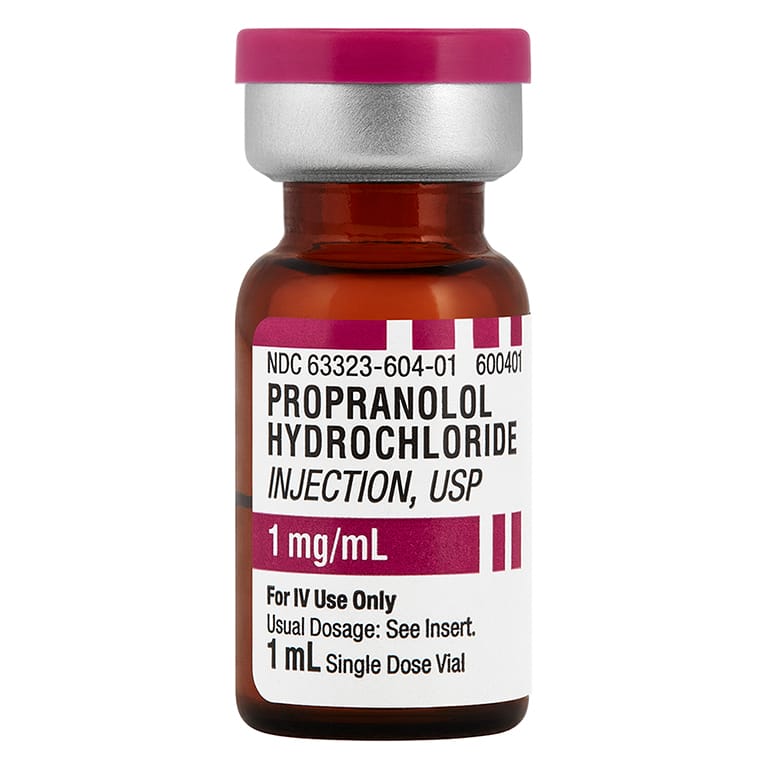
Propranolol HCL Injection Vial
Buy Propranolol HCL Injection Vial Online
Secure Encrypted Payments
Propranolol HCL Injection Vial is an injectable beta blocker used for intravenous administration in monitored clinical settings. You can buy Propranolol HCL Injection Vial online and choose the vial strength and quantity shown during ordering, matching the medicine to clinician directions and facility requirements. The injection form is different from oral propranolol tablets or capsules and should be handled as an IV cardiovascular medicine.
Propranolol Hydrochloride Injection is used when a healthcare professional needs a beta-blocking medicine by vein rather than by mouth. It can affect heart rate, blood pressure, and heart rhythm quickly, so accurate product selection and supervised administration are important. BorderFreeHealth provides a practical ordering path for U.S. customers, including US delivery from Canada when service is available for the order.
Match the active ingredient, concentration, vial volume, and total quantity to the clinical record before checkout. Do not substitute an oral propranolol product for a propranolol injection vial unless the treating clinician changes the plan. Injectable cardiovascular products require careful storage, inspection, and monitoring from receipt through administration.
Propranolol HCL Injection Vial Price and Quantity Selection
The current Propranolol HCL Injection Vial price should be assessed against the exact vial configuration shown during ordering. For injectable medicines, value depends on more than the product name. Concentration, vial volume, number of vials, and total medicine supplied all affect the Propranolol HCL Injection Vial cost.
Official labeling and market references commonly describe Propranolol HCl 1 mg/mL injection as a sterile solution for intravenous use. Some commercial presentations are single-dose vials, including 1 mL or 5 mL formats, but the vial size and package quantity shown during ordering should be treated as the controlling details for purchase. A 1 mg/mL concentration does not, by itself, tell you the total amount in the vial.
Quick tip: Multiply concentration by vial volume when you need the total amount of medicine supplied per vial.
Customers paying cash often compare the displayed product cost, quantity, and handling needs as one complete order. If you are reviewing Propranolol Hydrochloride Injection price across sources, keep the same concentration, vial volume, and vial count in view. The cardiovascular medicine category can also help you organize related heart and rhythm medicines while keeping the injection distinct from oral products.
Price comparisons should also consider waste, storage, and facility inventory requirements. A smaller single-dose vial may reduce leftover medicine in some workflows, while a larger vial may fit a different clinical setting. Follow the order record and facility policy rather than choosing by unit price alone.
How to Order This Injectable Medicine Online
To order Propranolol HCL Injection Vial online, choose the vial attributes that match the clinical directions you already have. Review the product name, active ingredient, concentration, vial volume, and quantity before submitting the order. If the facility record includes a preferred manufacturer, vial size, or catalog identifier, use those details to avoid a product-form mismatch.
Our team may review order details for accuracy before the medicine is supplied through licensed pharmacy channels. Keep the clinical order, facility contact details, and receiving instructions available in case clarification is needed. For cross-border service, plan who will receive the vial and how it will be stored immediately after arrival.
If the order uses Propranolol HCL Injection Vial Ships from Canada to US service wording, treat that as logistics information, not a replacement for storage directions. Prompt, express shipping may be available, but the vial still needs proper temperature control, protection from breakage, and qualified handling. Confirm the final cart quantity so the medicine received matches the intended use setting.
Do not choose propranolol capsules, tablets, or extended-release products as substitutes for a propranolol IV vial. Oral propranolol and injectable propranolol are administered differently, monitored differently, and may be used in different treatment situations. If the form changes, that decision belongs with the clinical team managing the patient.
What Propranolol Hydrochloride Injection Is Used For
Propranolol Hydrochloride Injection USP is a nonselective beta blocker. It blocks beta-1 receptors in the heart and beta-2 receptors in other tissues, reducing the effect of stress hormones such as epinephrine. In practical terms, it can slow heart rate and reduce the workload on the heart in selected supervised settings.
Injectable propranolol may be used to help control fast or abnormal heart rhythms when IV therapy is appropriate. These rhythm problems are often called tachyarrhythmias, meaning abnormally fast heart rhythms. The medicine is normally given where heart rhythm, pulse, and blood pressure can be monitored.
The injection is not a general home-use medicine. It is typically used when rapid beta blockade is needed or when oral therapy is not practical. People exploring rhythm-related treatment categories may find the cardiac arrhythmias collection useful for separating rhythm-control and rate-control medicines from other cardiovascular therapies.
Propranolol HCL and propranolol hydrochloride refer to the same active medicine in salt form. The dosage form still matters. A propranolol hydrochloride injection vial, immediate-release tablet, long-acting capsule, and oral solution are not interchangeable during ordering or administration.
Form, Strength, and Vial Presentation Details
Propranolol HCL injectable solution is supplied as a sterile vial for intravenous use. Published references often identify propranolol 1 mg mL vial presentations and propranolol single dose vial packaging. The exact vial attributes in your order should be matched to the clinical directions and receiving facility requirements.
When reviewing vial information, focus on the attributes that affect safe selection:
- Active ingredient: propranolol hydrochloride, not another beta blocker.
- Concentration: usually expressed as mg per mL.
- Vial volume: the total liquid volume in each vial.
- Package quantity: the number of vials supplied.
- Route: intravenous administration by trained staff.
- Use setting: monitored clinical care, not unsupervised self-injection.
These details determine whether the order is clinically usable. A 1 mg/mL vial with 1 mL contains a different total amount than a 1 mg/mL vial with a larger volume. That difference can affect inventory planning, administration workflow, and disposal of unused medicine.
Single-dose vial language is especially important for injectable medicines. If a vial is intended for one-time use, qualified staff should follow the label and facility policy for puncture, use, and disposal. Reuse rules can differ depending on preservatives, packaging, and sterility requirements.
How Propranolol IV Administration Is Monitored
Propranolol intravenous injection is given by a trained healthcare professional. It is usually administered slowly into a vein while the care team watches heart rhythm, pulse, and blood pressure. The goal is controlled beta blockade, not rapid unsupervised dosing.
Clinical teams may reassess the patient after incremental administration and may consider oral beta-blocker therapy after stabilization when appropriate. Timing, dose, and transition decisions depend on the patient’s condition, response, and monitoring environment. Do not attempt self-injection or change administration timing without clinical direction.
Why it matters: Injectable beta blockers can lower heart rate and blood pressure quickly.
Monitoring is particularly important in people with conduction problems, heart failure risk, airway disease, diabetes, or recent changes in other heart medicines. The receiving team should know the exact active ingredient, vial concentration, vial count, and last administration time. For broader heart-condition browsing, the angina category and myocardial infarction category can help distinguish related but different cardiovascular treatment areas.
Storage, Handling, and Transfer Basics
Store the vial according to the label and pharmacy instructions. Many sterile injectable solutions are kept at controlled room temperature and protected from excessive light, but the container label should be the final reference for the vial in hand. Keep vials in their original carton when possible so the lot number, expiration date, and product identity remain visible.
Qualified staff should inspect the solution before administration. Do not use a vial if the liquid is cloudy, discolored, leaking, or contains visible particles. Do not use a damaged vial or one that has been stored outside labeled conditions unless the responsible healthcare professional determines the product remains acceptable.
If the vial must be moved between care sites, pack it in a rigid container that protects against breakage. Carry product identification and order documentation with the transfer record. Avoid leaving injectable medicine in a vehicle, near heat, in freezing conditions, or anywhere children and pets can reach it.
Receiving plans matter for cross-border orders. Arrange prompt handoff to a qualified person, and store the vial as directed immediately after delivery. The Canada country-of-origin category may help customers understand how Canadian-supplied products are organized on the site.
Side Effects, Warnings, and Monitoring Needs
Propranolol can cause slow heart rate, low blood pressure, dizziness, fatigue, nausea, and cold hands or feet. Because it blocks beta receptors in the lungs as well as the heart, it can cause bronchospasm, especially in people with asthma or severe chronic obstructive pulmonary disease. Any new breathing trouble after beta-blocker exposure needs urgent clinical attention.
Serious risks can include heart block, worsening heart failure, severe hypotension, fainting, and significant breathing difficulty. Propranolol may also mask some symptoms of low blood sugar, such as a fast heartbeat. That effect matters for people who use insulin or sulfonylureas, because they may need closer glucose monitoring.
Important contraindications listed in official labeling may include marked bradycardia, greater-than-first-degree heart block without pacing, cardiogenic shock, bronchial asthma, and overt cardiac failure. People with pheochromocytoma generally require appropriate alpha blockade before beta blockade. The injection should be used only when the clinical setting can respond to rapid changes in pulse, rhythm, or blood pressure.
Call for urgent medical help if wheezing, blue lips, fainting, severe dizziness, chest pain, extreme weakness, or confusion occurs after propranolol exposure. For patients organizing a wider medication discussion, the hypertension category can help separate blood-pressure medicines from rhythm-focused therapies.
Interactions and Caution Points
Drug interactions are important with a propranolol injection vial because the medicine can slow heart rate and affect cardiac conduction. Verapamil, diltiazem, digoxin, amiodarone, and other antiarrhythmics may add to these effects. Combining such medicines can require close monitoring and individualized clinical judgment.
Some medicines can change propranolol levels by affecting liver metabolism. Examples may include certain antidepressants, cimetidine, rifampin, and other enzyme-modifying medicines. Nonsteroidal anti-inflammatory drugs may reduce some blood-pressure effects, while alcohol may intensify dizziness or low blood pressure in some people.
Clonidine requires special care because withdrawal timing can affect blood pressure and heart rate. Sympathomimetics, including epinephrine, may produce variable responses when a nonselective beta blocker is present. Share all medicines, supplements, and nonprescription products with the treating professional before IV propranolol is used.
People with diabetes, thyroid disease, kidney or liver impairment, airway disease, heart conduction disorders, or heart failure risk may need extra assessment. The medicine may also affect how the body responds during anesthesia or emergency treatment. A complete medication list helps the care team anticipate monitoring needs before administration.
How This Vial Differs From Oral Propranolol Products
Injectable propranolol is used for IV administration in monitored care. Oral propranolol products are swallowed and are usually chosen for outpatient treatment plans when appropriate. The same active ingredient can behave differently depending on route, dose timing, formulation, and clinical setting.
If the care plan changes to an oral medicine, match the new directions to the correct product form. The Propranolol HCL and Propranolol product choices can help distinguish oral propranolol options from this injection vial. Do not switch forms because one item appears easier to obtain.
Other beta blockers may be preferred in some situations. Selection can depend on the diagnosis, airway history, heart function, blood pressure, other medicines, and whether the patient needs short-acting or longer-acting therapy. The broader cardiovascular articles category may help frame questions for a clinician, but product selection should follow the clinical plan and official labeling.
Cash-Pay and Access Considerations
Propranolol HCL Injection cash pay decisions should focus on the total order, not only the lowest-looking unit amount. The Propranolol Hydrochloride Injection cash price is meaningful only when concentration, vial volume, and vial count are the same. Handling requirements and receiving plans can also affect the practical cost of injectable medicine.
For people reviewing Propranolol injection without insurance, keep the clinical directions close during ordering. Similar names can appear across tablets, capsules, solutions, and vials. Choosing the correct injectable product protects against delays and reduces the risk of receiving a form that cannot be used for the intended IV setting.
If the vial strength or quantity shown during ordering does not match the clinical record, pause and get clarification from the responsible healthcare professional. Do not rely on checkout substitutions for injectable beta blockers. A different beta blocker, vial size, or oral propranolol product may require a separate clinical decision.
Authoritative Sources
Official labeling details are available from FDA Propranolol Hydrochloride Injection labeling.
Medication label information is also available from DailyMed propranolol hydrochloride solution label.
This content is for informational purposes only and is not a substitute for professional medical advice.
Blood Pressure Average Calculator
Average home blood pressure readings and show a simple screening range.
Average BP
-
entered readings only
Range
-
screening category
These calculations are for education only and do not replace clinical advice, diagnosis, or treatment. Always confirm medical decisions with a qualified healthcare professional.
Mean Arterial Pressure Calculator
Calculate estimated mean arterial pressure from systolic and diastolic blood pressure.
MAP
-
DBP + one-third pulse pressure
These calculations are for education only and do not replace clinical advice, diagnosis, or treatment. Always confirm medical decisions with a qualified healthcare professional.
Pulse Pressure Calculator
Calculate pulse pressure from systolic and diastolic blood pressure.
Pulse pressure
-
SBP - DBP
These calculations are for education only and do not replace clinical advice, diagnosis, or treatment. Always confirm medical decisions with a qualified healthcare professional.
Target Heart Rate Calculator
Estimate exercise heart-rate zones using age, resting heart rate, and the Karvonen method.
Max HR estimate
-
220 - age
Target zone
-
Karvonen method
These calculations are for education only and do not replace clinical advice, diagnosis, or treatment. Always confirm medical decisions with a qualified healthcare professional.
Express Shipping - from $29.99
Shipping with this method takes 3-5 days
Prices:
- Dry-Packed Products $29.99
- Cold-Packed Products $39.99
Shipping Countries:
- United States (all contiguous states**)
- Worldwide (excludes some countries***)
Standard Shipping - $19.99
Shipping with this method takes 5-10 days
Prices:
- Dry-Packed Products $19.99
- Not available for Cold-Packed products
Shipping Countries:
- United States (all contiguous states**)
- Worldwide (excludes some countries***)
Is there an injectable propranolol?
Yes. Propranolol Hydrochloride Injection is an injectable form of propranolol used for intravenous administration in monitored clinical settings. It is different from oral propranolol tablets, capsules, and solutions.
What is Propranolol Hydrochloride Injection used for?
It is a nonselective beta blocker used when IV beta blockade is needed, including selected situations involving fast or abnormal heart rhythms. Use depends on the patient’s condition and requires monitoring of heart rate, rhythm, and blood pressure.
How is propranolol injection administered?
Propranolol injection is given into a vein by trained healthcare staff. It is not intended for unsupervised self-injection because it can quickly affect heart rate and blood pressure.
What side effects can propranolol injection cause?
Common effects can include slow heart rate, low blood pressure, dizziness, fatigue, nausea, and cold hands or feet. Serious concerns include bronchospasm, heart block, worsening heart failure, fainting, or severe hypotension.
Can an oral propranolol product replace the injection vial?
No. Oral propranolol and injectable propranolol are not interchangeable at checkout or administration. A change in form should come from the healthcare professional managing the treatment plan.
Rewards Program
Earn points on birthdays, product orders, reviews, friend referrals, and more! Enjoy your medication at unparalleled discounts while reaping rewards for every step you take with us.
You can read more about rewards here.
POINT VALUE
How to earn points
- 1Create an account and start earning.
- 2Earn points every time you shop or perform certain actions.
- 3Redeem points for exclusive discounts.
You Might Also Like
Select options
This product has multiple variants. The options may be chosen on the product page
Select options
This product has multiple variants. The options may be chosen on the product page
Select options
This product has multiple variants. The options may be chosen on the product page
Select options
This product has multiple variants. The options may be chosen on the product page