
Please note: a valid prescription is required for all prescription medication.
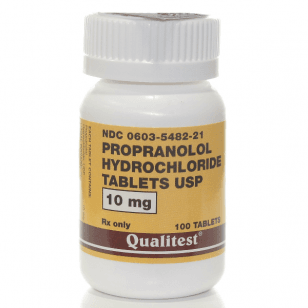
Propranolol HCL
Buy Propranolol HCL Online
Secure Encrypted Payments
Propranolol HCL is a beta blocker used to lower heart workload, slow heart rate, and help manage conditions such as high blood pressure, angina, certain rhythm problems, tremor, and migraine prevention. You can order Propranolol HCL online, view the current price, and choose the available dose or strength that matches your clinician’s directions. BorderFreeHealth offers Canadian pricing with US delivery from Canada for customers paying out of pocket.
Propranolol HCL Price, Strengths, and Ordering
Propranolol HCL price can vary by strength, quantity, manufacturer, and release type. During ordering, review the current cash price and select the strength shown for this medication. Match the selection to your treatment plan, because immediate-release tablets and extended-release products are not always interchangeable on a one-for-one schedule.
Commonly used immediate-release tablet strengths include 10 mg, 20 mg, and 40 mg, and other strengths such as 60 mg and 80 mg may be used in some regimens. Extended-release capsules may be used when once-daily coverage is preferred. Your clinician decides the form, dose, and timing based on the condition being treated, heart rate, blood pressure, tolerability, and other medicines you take.
If you are comparing propranolol HCL cash price or paying without insurance, look at the total quantity supplied rather than only the per-tablet number. A multi-month supply may reduce refill frequency when your clinician considers it appropriate. Keep refills organized before travel or schedule changes so you do not run out unexpectedly.
How This Beta Blocker Works
Propranolol hydrochloride is the active ingredient in this medicine. Inderal® is a well-known brand name for propranolol, while Propranolol HCL refers to the generic active ingredient form. The medicine blocks beta receptors affected by adrenaline, which can slow the heart rate and reduce the force of heart contractions.
Propranolol is nonselective, meaning it blocks both beta-1 receptors in the heart and beta-2 receptors found in areas such as the lungs and blood vessels. That broad action helps explain both its clinical uses and some of its cautions. People with asthma or severe chronic obstructive pulmonary disease may need a different therapy because bronchospasm can occur in susceptible patients.
Clinicians may use this medicine as part of care for hypertension, angina, selected rhythm concerns such as atrial fibrillation, essential tremor, and prevention of migraine. It may also reduce physical symptoms such as shaking or a racing heartbeat in performance-related anxiety when a clinician specifically recommends it for that purpose.
What Propranolol HCL Is Used For
Propranolol HCL is used for several heart and nervous-system related conditions. In blood pressure treatment, it helps reduce cardiac workload and can be used alone or with other therapies when clinically appropriate. For angina, lowering heart demand may reduce chest pain episodes related to exertion or stress.
For rhythm control, propranolol may help slow a fast heart rate in selected arrhythmias. In migraine prevention, it is taken regularly to reduce the likelihood of attacks rather than to stop a migraine that has already started. For essential tremor, it may lessen shaking in the hands or voice for some people.
Propranolol is not the same as Xanax® and does not work like a benzodiazepine. Xanax affects central nervous system signaling through alprazolam, while propranolol mainly reduces adrenaline-driven physical symptoms. If anxiety symptoms include persistent worry, panic, sleep disruption, or depression, ask a clinician which type of treatment best fits the full symptom pattern.
Dosage Form, Timing, and Daily Use
Immediate-release propranolol tablets are often taken more than once daily, while extended-release capsules are usually taken once daily. Take the medicine the same way each day, especially with regard to meals, because consistency can support predictable absorption and tolerability. Do not crush or chew extended-release capsules unless a clinician or pharmacist specifically instructs you to do so.
Do not stop propranolol suddenly unless a clinician tells you to. Abrupt discontinuation can cause rebound symptoms such as increased heart rate, higher blood pressure, or worsening chest pain in some people. A gradual taper is commonly used when stopping or changing beta blocker therapy.
If a dose is missed, take it when remembered unless it is close to the next scheduled dose. Skip the missed dose if the next dose is nearly due, then return to the regular schedule. Do not double doses to catch up. A pill organizer, phone reminder, or written schedule can help keep timing steady, particularly for multiple daily dosing.
Who May Need Extra Caution
This medication may not be suitable for everyone. People with asthma, severe COPD, very slow heart rate, cardiogenic shock, certain heart block conditions, or worsening heart failure may need another option or close specialist oversight. Tell your clinician about fainting episodes, circulation problems, thyroid disease, kidney or liver concerns, and any history of depression.
People with diabetes should use extra care because beta blockers may mask some warning signs of low blood sugar, especially a fast heartbeat. Sweating or confusion may still occur, so glucose monitoring remains important. Propranolol may also affect how the body responds to thyroid overactivity, so thyroid-related symptoms should be discussed before and during treatment.
Pregnancy and breastfeeding require individualized clinical review. The decision depends on the reason for treatment, the expected benefit, and any potential risk to the parent or infant. Do not start, stop, or change heart-related medication during pregnancy without professional guidance.
Side Effects, Warnings, and Monitoring
Common propranolol hydrochloride side effects include tiredness, dizziness, lightheadedness, cold hands or feet, nausea, diarrhea, sleep changes, and vivid dreams. These effects may be more noticeable after starting therapy or after a dose change. Standing up slowly can help reduce dizziness related to lower blood pressure.
- Contact a clinician if fatigue, dizziness, or mood changes interfere with daily life.
- Seek urgent care for fainting, severe shortness of breath, chest pain that is new or worsening, or swelling of the face or throat.
- Report wheezing or breathing difficulty promptly, especially if you have a history of asthma or COPD.
- Ask what heart rate and blood pressure ranges should prompt a call.
Monitoring often includes blood pressure, pulse, symptom changes, and tolerance. Some people may also need follow-up related to rhythm control, diabetes, thyroid disease, or other cardiovascular therapies. Keep a simple log if your clinician asks you to track home readings.
Drug Interactions and What to Avoid
Tell your clinician and pharmacist about all prescription medicines, over-the-counter products, vitamins, and supplements. Additive slowing of heart rate or blood pressure can occur with medicines such as verapamil, diltiazem, digoxin, or other rhythm and blood pressure treatments. Combining several heart medicines may be appropriate, but it needs careful supervision.
Certain antidepressants can increase propranolol levels by affecting liver enzymes, and some anti-inflammatory medicines may reduce blood-pressure lowering effects in some people. Clonidine changes require special care because rebound blood pressure increases can occur if medicines are stopped in the wrong sequence. Alcohol may increase dizziness or lightheadedness for some individuals.
Ask before using decongestants, stimulant products, or new supplements, especially if you are taking propranolol for blood pressure or rhythm control. Avoid abrupt changes to caffeine, alcohol, or exercise intensity without considering how they affect your heart rate and symptoms. If you feel unusually weak, faint, short of breath, or confused, treat those symptoms as urgent until a professional advises otherwise.
Storage, Travel, and Shipping
Store tablets or capsules at room temperature in a dry place, away from moisture, heat, and direct light. Keep the container closed and out of reach of children and pets. Do not store medicine in a bathroom cabinet if the area becomes humid.
When traveling, keep propranolol in carry-on luggage with the pharmacy label intact. Bring enough medication for the trip, plus a buffer for schedule changes when possible. A written medication list can help if you need medical care away from home.
Orders use prompt, express shipping when arranged through the service. Plan refills ahead of weekends, holidays, and travel because beta blocker gaps can be clinically important. If tablets look damaged, discolored, or different from what you expected, ask a pharmacist before taking them.
Benefits and Treatment Expectations
Propranolol does not usually feel like a stimulant or sedative, but it can make adrenaline-related body signals less intense. People taking it for fast heart rate may notice steadier pulse readings. Those using it for blood pressure may see changes over days to weeks as readings are tracked consistently.
For migraine prevention, benefit often takes longer and depends on regular use. The goal is typically fewer attacks, less severe attacks, or improved ability to follow a broader migraine plan. For tremor, some people notice practical changes in activities such as writing or holding objects, while others need another approach.
Quick tip: Bring your home blood pressure and pulse log to follow-up visits so dose decisions are based on patterns rather than one reading.
Compare Related Cardiovascular Choices
Several beta blockers and cardiovascular medicines can treat overlapping conditions, but they differ in receptor selectivity, duration, and typical use. Propranolol is nonselective, while some other beta blockers are more beta-1 selective. That distinction may matter for people with breathing conditions or certain side-effect concerns.
Longer-acting or more selective therapies may be considered when once-daily dosing, lung cautions, or specific rhythm goals are priorities. Your clinician may also consider non-beta-blocker medicines depending on whether the main goal is blood pressure control, angina symptom reduction, migraine prevention, or heart rate control.
For broader browsing, see the cardiovascular medication category. Condition-specific information can also help frame discussions about cardiovascular treatment topics, especially if you are comparing why one medicine was chosen over another.
Questions to Ask Before Starting or Refilling
Useful questions depend on why propranolol was chosen. Ask whether immediate-release tablets or extended-release capsules fit your schedule better, and what pulse or blood pressure thresholds should lead to a call. If you have migraines, ask how long to try preventive treatment before judging results.
- Which strength and release type should I use?
- Should I take it with food or at a specific time?
- What side effects are most important for my health history?
- Could my inhaler, antidepressant, diabetes medicine, or heart medicine interact?
- How should therapy be tapered if it needs to stop?
- What should I do if I miss several doses?
Bring an updated medication list to each visit and include non-prescription products. This is especially important if you see more than one clinician or use medicines for blood pressure, mood, diabetes, migraine, or breathing conditions.
Authoritative Sources
Official and medically reviewed references can support safer use discussions with your care team. The sources below provide detailed information on propranolol labeling, patient medication guidance, and pharmacology.
- Official Inderal prescribing information
- MedlinePlus propranolol patient information
- NIH PubChem propranolol hydrochloride record
This content is for informational purposes only and is not a substitute for professional medical advice.
Blood Pressure Average Calculator
Average home blood pressure readings and show a simple screening range.
Average BP
-
entered readings only
Range
-
screening category
These calculations are for education only and do not replace clinical advice, diagnosis, or treatment. Always confirm medical decisions with a qualified healthcare professional.
Mean Arterial Pressure Calculator
Calculate estimated mean arterial pressure from systolic and diastolic blood pressure.
MAP
-
DBP + one-third pulse pressure
These calculations are for education only and do not replace clinical advice, diagnosis, or treatment. Always confirm medical decisions with a qualified healthcare professional.
Pulse Pressure Calculator
Calculate pulse pressure from systolic and diastolic blood pressure.
Pulse pressure
-
SBP - DBP
These calculations are for education only and do not replace clinical advice, diagnosis, or treatment. Always confirm medical decisions with a qualified healthcare professional.
Target Heart Rate Calculator
Estimate exercise heart-rate zones using age, resting heart rate, and the Karvonen method.
Max HR estimate
-
220 - age
Target zone
-
Karvonen method
These calculations are for education only and do not replace clinical advice, diagnosis, or treatment. Always confirm medical decisions with a qualified healthcare professional.
QTc Calculator
Calculate corrected QT interval from measured QT and heart rate.
QTc
-
milliseconds
RR interval
-
seconds
These calculations are for education only and do not replace clinical advice, diagnosis, or treatment. Always confirm medical decisions with a qualified healthcare professional.
Express Shipping - from $29.99
Shipping with this method takes 3-5 days
Prices:
- Dry-Packed Products $29.99
- Cold-Packed Products $39.99
Shipping Countries:
- United States (all contiguous states**)
- Worldwide (excludes some countries***)
Standard Shipping - $19.99
Shipping with this method takes 5-10 days
Prices:
- Dry-Packed Products $19.99
- Not available for Cold-Packed products
Shipping Countries:
- United States (all contiguous states**)
- Worldwide (excludes some countries***)
What is Propranolol HCL used for?
Propranolol HCL is used for high blood pressure, angina, certain heart rhythm problems, migraine prevention, essential tremor, and other clinician-directed situations. It lowers heart workload and reduces adrenaline-driven effects such as fast heart rate.
Is propranolol hydrochloride the same as Xanax?
No. Propranolol hydrochloride is a beta blocker, while Xanax is alprazolam, a benzodiazepine. Propranolol may reduce physical symptoms such as shaking or a racing heartbeat, but it does not work the same way as anti-anxiety sedatives.
What should you avoid while taking propranolol?
Avoid stopping it suddenly unless a clinician tells you to. Ask before adding decongestants, stimulant products, alcohol, or medicines that can lower heart rate or blood pressure. People with asthma, COPD, diabetes, or heart conduction problems need extra caution.
How long does Propranolol HCL take to work?
Heart rate effects may appear relatively soon after a dose, while blood pressure and migraine-prevention benefits often require consistent use over time. Follow your clinician’s monitoring plan and do not change the dose based only on one reading.
Can Propranolol HCL cause side effects?
Yes. Common side effects include tiredness, dizziness, cold hands or feet, nausea, diarrhea, vivid dreams, and sleep changes. Seek urgent help for fainting, severe shortness of breath, worsening chest pain, or swelling of the face or throat.
Rewards Program
Earn points on birthdays, product orders, reviews, friend referrals, and more! Enjoy your medication at unparalleled discounts while reaping rewards for every step you take with us.
You can read more about rewards here.
POINT VALUE
How to earn points
- 1Create an account and start earning.
- 2Earn points every time you shop or perform certain actions.
- 3Redeem points for exclusive discounts.
You Might Also Like
Select options
This product has multiple variants. The options may be chosen on the product page
Select options
This product has multiple variants. The options may be chosen on the product page
Select options
This product has multiple variants. The options may be chosen on the product page
Select options
This product has multiple variants. The options may be chosen on the product page