

Please note: a valid prescription is required for all prescription medication.
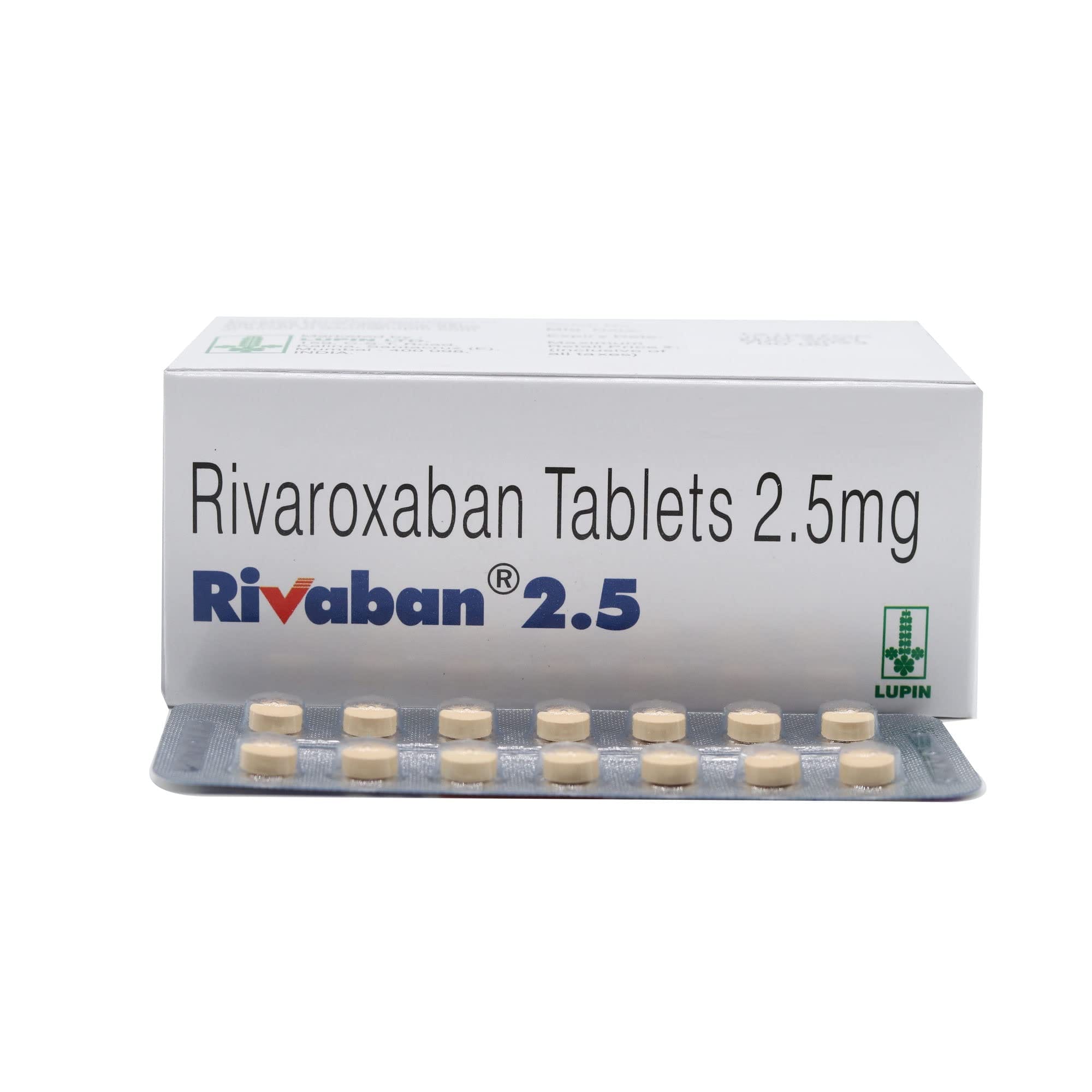
Rivaban
Rivaban: Uses, Dosing Basics, and Safety
Price:
Price range: $39.99 through $89.99
Secure Encrypted Payments
Rivaban is a prescription blood thinner used to help reduce the risk of harmful blood clots. This page summarizes typical uses, dosing patterns, and practical safety information to review with a healthcare professional. BorderFreeHealth supports US shipping from Canada for eligible cash-pay prescriptions without insurance.
What Rivaban Is and How It Works
This medicine belongs to a group often called anticoagulants (blood thinners). These treatments reduce the blood’s ability to form clots by targeting parts of the clotting cascade. For many patients, the goal is prevention of clots that can travel to the lungs or brain, or treatment of an existing clot so it does not worsen. Because clotting is part of normal healing, the main tradeoff with anticoagulants is a higher risk of bleeding.
Some products in this category work by inhibiting factor Xa (a clotting protein that helps generate thrombin). The exact reason a prescriber selects one anticoagulant over another may relate to the medical condition, kidney and liver function, age, other medicines, and bleeding risk. BorderFreeHealth works with licensed Canadian partner pharmacies for eligible U.S. prescriptions.
Who It’s For
Anticoagulant therapy may be prescribed for conditions where clots are more likely, such as atrial fibrillation (an irregular heart rhythm) to lower stroke risk, deep vein thrombosis (DVT) and pulmonary embolism (PE), or after certain surgeries. In some care plans, a blood thinner may be used along with antiplatelet therapy for selected high-risk cardiovascular situations, which a clinician can explain in plain language and in terms of benefits and harms. For condition context and related care pathways, the Acute Coronary Syndrome hub is a browseable starting point.
This type of treatment is not appropriate for everyone. A common reason to avoid an anticoagulant is active, clinically significant bleeding. Caution is also typical in severe liver disease, severe kidney impairment, recent major bleeding events, or when a patient has a history of certain brain bleeds. Pregnancy, breastfeeding, and the presence of a mechanical heart valve may require a different approach, depending on the medicine and indication.
Dosage and Usage
Rivaban dosing is prescription-specific and depends on why it is being used. Some regimens are taken once daily, while others may start as twice daily for a short period before moving to a once-daily schedule. Food instructions can also vary by regimen, so the most reliable guide is the pharmacy label and the prescriber’s written directions. Patients should avoid stopping an anticoagulant suddenly unless a prescriber provides a plan, because clot risk can rise when therapy is interrupted.
When a dose is missed, the safest next step is to follow the patient information leaflet or ask a pharmacist for clarification. Doubling up can raise bleeding risk, and skipping multiple doses can reduce protection from clots. If vomiting occurs after a dose, or if swallowing tablets becomes difficult, a pharmacist can help confirm what options are appropriate for that specific product.
- Take on a steady schedule
- Follow food directions on label
- Do not change tablets independently
- Inform all treating clinicians
Strengths and Forms
Rivaban is supplied as an oral tablet. The strength dispensed is determined by the prescription, and availability can vary by pharmacy partner and jurisdiction. For safety, patients should verify the tablet imprint, strength, and directions each time a refill is received, especially if the tablet looks different than expected.
In anticoagulant therapy, small dose differences can matter. Switching between strengths, splitting tablets, or using leftover tablets from an older prescription can lead to under-treatment or increased bleeding risk. If there is any mismatch between the written directions and the label, the dispensing pharmacy should be contacted for a clarification before taking the next dose.
| Attribute | What to look for |
|---|---|
| Form | Oral tablet |
| Strength | As written on the prescription label |
| Packaging | May vary by supplier and lot |
Storage and Travel Basics
Most oral anticoagulant tablets are stored at controlled room temperature, away from excess heat and moisture. Bathrooms and cars are common problem spots because temperature swings and humidity can damage tablets. Keeping the medicine in its original container can help protect it and preserves the identifying details needed for pharmacy questions or refill coordination.
Travel planning is simpler when doses are taken consistently. Carrying doses in a personal item (not checked luggage) reduces the chance of missed doses due to delays. For additional navigation options across similar therapy areas, the Cardiovascular Products hub lists related items and filters.
Quick tip: Keep a current medication list in the phone wallet.
Side Effects and Safety
Rivaban and other anticoagulants commonly cause easier bruising and minor bleeding, such as nosebleeds or bleeding gums. Some patients notice heavier menstrual bleeding. Stomach upset can occur, depending on the regimen and whether the dose is taken with food. Any persistent symptoms that affect daily function are worth discussing with a healthcare professional, since safer adjustments may be possible within the overall treatment plan.
More serious risks relate to major bleeding. Warning signs can include coughing or vomiting blood, red or dark-brown urine, black or tar-like stools, severe or persistent headache, sudden weakness, or fainting. Certain procedures (including dental work) may require a coordinated plan for holding and restarting therapy. When required, the pharmacy verifies prescription details with the prescriber before dispensing.
Why it matters: Early recognition of serious bleeding can change outcomes.
For broader reading on heart and circulation topics, the Cardiovascular Guides hub organizes related educational resources.
Drug Interactions and Cautions
Rivaban can interact with other medicines that increase bleeding risk. Common examples include other anticoagulants, antiplatelet drugs, and nonsteroidal anti-inflammatory drugs (NSAIDs) such as ibuprofen or naproxen. Certain antidepressants (SSRIs/SNRIs) may also increase bleeding tendency in some patients. A pharmacist can help screen a full medication list, including over-the-counter products.
Some interactions affect drug levels by changing how the medicine is metabolized or transported. Strong enzyme or transporter inhibitors and inducers may raise side effects or reduce effectiveness. Examples can include certain antifungals, some HIV medicines, rifampin, and seizure medicines such as carbamazepine or phenytoin. Herbal products can matter too; St. John’s wort is a well-known inducer. Kidney and liver impairment, older age, and recent major bleeding are common reasons a prescriber may use extra caution.
- Avoid unsupervised NSAID use
- Report new supplements promptly
- Flag upcoming procedures early
- Limit alcohol-related falls risk
Compare With Alternatives
Choice of anticoagulant often depends on the indication, kidney function, patient preference, and the need for monitoring. Warfarin is a long-used option that requires INR monitoring and has notable food and drug interactions. Other direct oral anticoagulants (DOACs) such as apixaban, dabigatran, or edoxaban may have different dosing schedules, renal considerations, and reversal strategies. A clinician can explain why one option fits a specific diagnosis and risk profile.
Rivaban is not a substitute for medicines that address other cardiovascular risk factors. For example, type 2 diabetes therapies may be used alongside cardiac care when indicated, but they do not replace anticoagulation. Examples in the catalog include Invokamet Product and Sitagliptin Metformin Product. For background reading on diabetes medicines that may come up in mixed care plans, see Jardiance Vs Farxiga and Understanding Jardiance Side Effects.
Pricing and Access
Out-of-pocket pricing can vary based on strength, quantity, and dispensing pharmacy. For patients without insurance coverage, a cash-pay pathway may help provide another access option, subject to eligibility and location-specific rules. Cross-border cash-pay access depends on eligibility and jurisdictional rules.
To explore cost-saving opportunities when available, BorderFreeHealth lists site-wide options on the Current Promotions page. Prescription medicines in this category generally require a valid prescription, and the dispensing pharmacy may contact the prescriber if clarification is needed. For logistics, the service model may include Ships from Canada to US for qualifying orders.
People managing cardiovascular risk sometimes also track related conditions such as diabetes. For practical education, see Metformin And Heart Failure, Different Types Of Insulin, and Diabetic Ketoacidosis Basics.
Authoritative Sources
For the most accurate details on indications, contraindications, and dosing by condition, the official prescribing information should be used. Product leaflets also list clinically important warnings (including bleeding risks and procedure-related cautions) and provide instructions on missed doses. If there is any discrepancy between a prescriber’s directions and the pharmacy label, the safest approach is to request clarification before taking the next scheduled tablet.
FDA reference information for rivaroxaban labeling is available here: Drugs@FDA Rivaroxaban Application Overview.
MedlinePlus patient-focused drug information is available here: MedlinePlus Rivaroxaban.
For checkout and delivery preferences, add the medication to cart and select prompt, express shipping when available.
This content is for informational purposes only and is not a substitute for professional medical advice.
Express Shipping - from $25.00
Shipping with this method takes 3-5 days
Prices:
- Dry-Packed Products $25.00
- Cold-Packed Products $35.00
Shipping Countries:
- United States (all contiguous states**)
- Worldwide (excludes some countries***)
Standard Shipping - $15.00
Shipping with this method takes 5-10 days
Prices:
- Dry-Packed Products $15.00
- Not available for Cold-Packed products
Shipping Countries:
- United States (all contiguous states**)
- Worldwide (excludes some countries***)
What is Rivaban used for?
Rivaban is generally described as an anticoagulant (blood thinner) used in situations where a clinician wants to prevent or treat harmful blood clots. Depending on the diagnosis, anticoagulants may be used for conditions such as deep vein thrombosis (DVT), pulmonary embolism (PE), or to reduce stroke risk in atrial fibrillation. Some patients may also receive anticoagulation in certain high-risk cardiovascular settings. The exact indication and regimen should be confirmed on the prescription and medication guide.
Do patients need regular blood tests while taking this medicine?
Many newer oral anticoagulants do not require routine INR testing the way warfarin does. Even so, clinicians may still monitor kidney function, liver function, and complete blood counts at intervals, especially in older adults or those with other medical conditions. Monitoring needs also change around surgeries or when new interacting medicines are started. A pharmacist can help identify which labs are commonly tracked for a specific anticoagulant and when follow-up is typically recommended by the prescriber.
What bleeding symptoms require urgent medical attention?
Anticoagulants increase bleeding risk, so it helps to know which symptoms are more concerning. Urgent evaluation is commonly advised for signs such as coughing or vomiting blood, black or tar-like stools, red or dark-brown urine, heavy or persistent bleeding that does not stop, severe headache, sudden weakness, fainting, or a major fall with head impact. Because bleeding can sometimes be internal and not obvious, patients should follow the medication guide and seek prompt care when severe symptoms appear.
Can common pain relievers be taken with anticoagulants?
Some over-the-counter pain relievers can increase bleeding risk when combined with anticoagulants. NSAIDs such as ibuprofen and naproxen are common examples, and aspirin can also raise bleeding risk unless it is specifically part of the treatment plan. Acetaminophen may be preferred in many cases, but suitability depends on liver health and other medicines. The safest approach is to ask a pharmacist which options are compatible with the patient’s full medication list and medical history.
What should be discussed with a clinician before starting Rivaban?
Before starting an anticoagulant, it is important to review the reason for therapy, planned duration, and how success and safety will be monitored. Topics often include prior bleeding events, kidney and liver function, upcoming procedures, pregnancy or breastfeeding status, and all prescription and nonprescription products (including supplements). Patients can also ask about what to do if a dose is missed, whether the regimen requires food, and which symptoms should trigger urgent evaluation. Sharing an updated medication list helps prevent interactions.
What should patients tell a dentist or surgeon about this medication?
Dentists, surgeons, and procedural teams should know about any anticoagulant use well before the appointment. Some procedures may require a plan to temporarily hold and then restart therapy, while others may proceed without interruption. The correct plan depends on bleeding risk from the procedure and the patient’s clot risk if therapy is paused. Patients should provide the medication name, strength, dosing schedule, and the prescriber’s contact information so the care team can coordinate safely.
Rewards Program
Earn points on birthdays, product orders, reviews, friend referrals, and more! Enjoy your medication at unparalleled discounts while reaping rewards for every step you take with us.
You can read more about rewards here.
POINT VALUE
How to earn points
- 1Create an account and start earning.
- 2Earn points every time you shop or perform certain actions.
- 3Redeem points for exclusive discounts.
How to book an appointment
- 1Create Begin by completing a profile or log into your existing account. This step ensures we have the necessary information to provide you with a service that's tailored to your needs. account and start earning.
- 2Scheduling an appointment with our online booking system is easy. Pick a day and time that suits you. You’ll receive an immediate confirmation, without the wait.
- 3Discuss your concerns and symptoms and receive a thorough diagnosis from one of our licensed doctors during a confidential video appointment.
- 4If you've been prescribed medication, your Rx is sent directly to one of our licensed pharmacies and delivered right to your door.
Get Started
To book an online doctor appointment, register for an account or login. After doing so, you can book your visit on this page.
You Might Also Like
Select options
This product has multiple variants. The options may be chosen on the product page
Select options
This product has multiple variants. The options may be chosen on the product page
Select options
This product has multiple variants. The options may be chosen on the product page
Select options
This product has multiple variants. The options may be chosen on the product page