

Shipping with this method takes 3-5 days
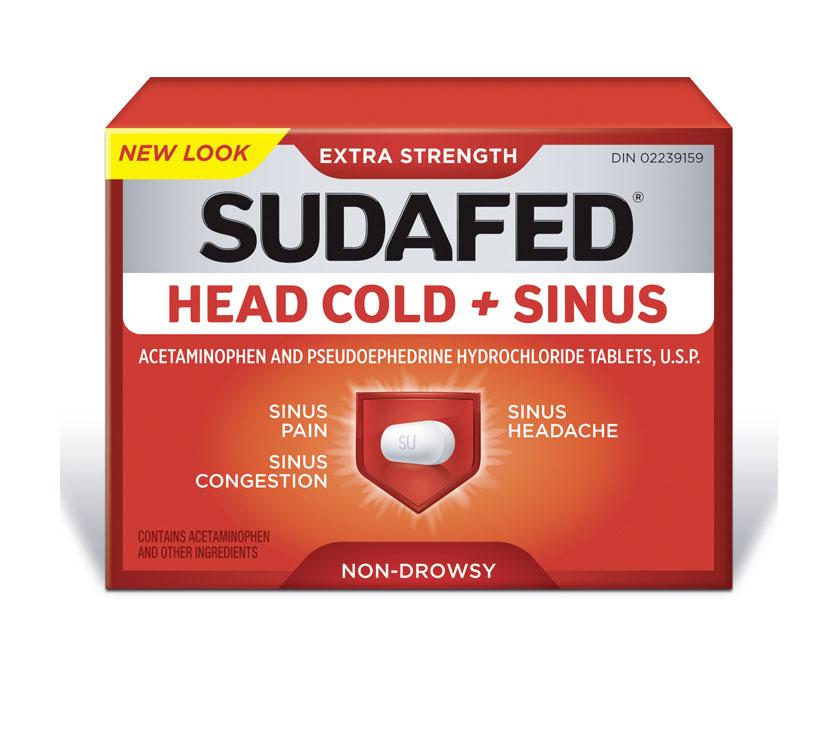
Sudafed Head Cold & Sinus
Buy Sudafed Head Cold & Sinus Online
Secure Encrypted Payments
Sudafed Head Cold & Sinus is a combination medicine for temporary relief of nasal congestion, sinus pressure, headache, and related pain from a head cold or sinus congestion. You can buy Sudafed Head Cold & Sinus online and choose the strength or quantity shown during ordering that matches the product label and your symptom needs.
It combines a decongestant with a pain reliever, so it can address blocked nasal passages and discomfort in one product. This makes it practical when congestion and sinus headache occur together, but it also means you should avoid doubling up with other medicines that contain the same active ingredients.
Price, Pack Selection, and Ordering
Current Sudafed Head Cold & Sinus price information is shown during ordering, including the available pack choices. Many customers compare the cash price across quantities because cold and sinus products are often purchased out of pocket for short-term symptom relief. Choose the product strength and quantity displayed at checkout, then follow the label directions on the carton you receive.
Canadian retail packs may differ from similarly named U.S. cold products, so read the active ingredient panel before use. Names such as extra strength, day/night, caplets, or tablets can describe different formats or ingredient combinations depending on the market. If you need to browse adjacent cold and sinus products, the Respiratory category can help you find related options.
Orders are prepared through licensed pharmacy channels, and this product may ship with prompt, express shipping. For customers using our U.S.-from-Canada service, packaging, labeling, and ingredient review remain important because similar Sudafed names are not always interchangeable.
What It Treats and How It Works
Sudafed Head Cold & Sinus is used for short-term relief of head cold and sinus symptoms such as a stuffy nose, sinus pressure, headache, and facial discomfort. It is most useful when congestion and pain occur together rather than when you only have one mild symptom.
The decongestant component helps shrink swollen blood vessels in the nasal passages. That can improve airflow through the nose and reduce pressure around the sinuses. The pain reliever component helps reduce headache, minor aches, and sinus-related discomfort. Together, these ingredients may help you function more comfortably while your cold or allergy-related congestion improves.
This medicine does not cure a cold, shorten every illness, or treat a bacterial sinus infection. If you have high fever, severe facial pain, symptoms lasting longer than the label allows, or symptoms that improve and then sharply worsen, a healthcare professional should assess you. For broader symptom context, see our information on common cold, nasal congestion, and sinus pressure.
Ingredients and Product Format Differences
Canadian Sudafed Head Cold & Sinus products are commonly described as decongestant plus analgesic combinations. Some retail references describe pseudoephedrine hydrochloride with acetaminophen in caplet formats, including extra strength packs. Because ingredients may vary by country and carton, rely on the label on the product you receive rather than on a similar-looking package name.
Caplets and tablets are both solid oral formats. The important buying decision is not only the shape of the medicine, but the exact active ingredients, strength, quantity, and daytime or day/night labeling. A daytime formula is usually chosen when a stimulating decongestant could interfere with sleep. A day/night carton may contain different products for different times of day, so keep the sections separate.
Quick tip: Before taking the first dose, line up every cold, flu, allergy, and pain medicine you plan to use and compare their active ingredients.
How to Use It Safely
Follow the package directions exactly. Take the medicine by mouth with water, and do not exceed the maximum daily amount printed on the carton. If the package says to swallow caplets or tablets whole, do not crush or chew them unless the label specifically permits it.
Use the medicine only when you need symptom relief. If you forget a planned dose and still have symptoms, take it only if enough time has passed according to the label. Do not take extra doses to make up for a missed one. If decongestants make you restless or awake, avoid taking a daytime dose late in the evening.
Do not combine this product with another medicine that contains the same pain reliever or another decongestant unless a clinician or pharmacist says it is appropriate. This matters because many multi-symptom cold products share ingredients, even when the front labels emphasize different symptoms.
Who Should Ask a Clinician First
Doctors often caution against Sudafed-type decongestants for people whose medical conditions could be worsened by stimulant effects. Ask a healthcare professional before use if you have high blood pressure, heart disease, thyroid disease, diabetes, glaucoma, difficulty urinating due to prostate enlargement, or liver disease. Pregnant or breastfeeding individuals should also seek individualized guidance.
Do not use this medicine if you are allergic to any ingredient in the product. Avoid use with monoamine oxidase inhibitors, often called MAOIs, or within 14 days of stopping one. MAOIs are an older class of medicines used for some depression and neurological conditions, and combining them with decongestants can cause dangerous blood pressure effects.
People with significant liver disease or heavy alcohol use need extra caution with acetaminophen-containing products. Taking too much acetaminophen in one day can cause serious liver injury. This risk rises when multiple cold, flu, sleep, or pain products are used together.
Side Effects, Interactions, and Warning Signs
Common side effects may include nervousness, restlessness, dizziness, nausea, dry mouth, sweating, flushing, or trouble sleeping. Some people notice a faster heartbeat or a rise in blood pressure. These effects are more likely when decongestants are combined with caffeine, stimulants, or other medicines that raise alertness.
- Stop use and seek help for hives, swelling, wheezing, or trouble breathing.
- Get medical advice if severe dizziness, chest pain, fainting, or a racing heartbeat occurs.
- Ask a clinician if congestion persists beyond the label timeframe.
- Avoid alcohol when using acetaminophen-containing products.
- Use caution with blood pressure medicines, stimulants, thyroid medicines, and blood thinners.
What should you not mix with Sudafed Head Cold & Sinus? The most important combinations to avoid are MAOIs, duplicate decongestants, and duplicate acetaminophen or other same-ingredient pain relievers. If you take daily prescription medicines, bring the carton or ingredient list to a pharmacist or clinician before combining products.
What to Expect After Taking It
Many people notice congestion relief within the first part of the dosing interval, although response varies. Nasal airflow may improve as swelling in the passages decreases. Headache or facial pressure can also ease as the pain reliever starts working.
Relief is temporary and should be evaluated in the context of your illness. A typical head cold often changes over several days, with congestion, drainage, and cough shifting as the immune system responds. If symptoms are severe, one-sided, associated with high fever, or last longer than expected, do not keep extending self-treatment without clinical advice.
Hydration, rest, and gentle nasal care can make medication use more comfortable. Warm fluids may soothe the throat and help loosen mucus, though no drink reliably opens the sinuses for everyone. Saline spray or rinse, humidified air, and avoiding smoke can also support comfort. For respiratory reading beyond cold medicines, browse our respiratory articles.
Storage and Travel
Store Sudafed Head Cold & Sinus at room temperature in a dry place, away from excessive heat, moisture, and direct light. Keep the package closed and out of reach of children. Do not use the medicine after the expiry date printed on the carton or blister pack.
When traveling, keep the product in its original labeled packaging. This helps you identify the active ingredients and follow the correct directions. Carrying it in hand luggage can also reduce exposure to temperature extremes. If you are traveling with several medicines, keep a simple list of names and active ingredients.
Customers specifically seeking Canadian-origin retail products can also browse items organized under Canada. Product labels should still be read carefully because packaging and ingredient panels can vary across markets.
How It Compares With Other Cold and Sinus Options
Sudafed Head Cold & Sinus is best suited when both congestion and pain are present. A single-ingredient pain reliever may be enough when you have a headache without nasal blockage. A single-ingredient decongestant may be preferable when congestion is the main issue and you want to avoid unnecessary pain medicine.
Topical nasal decongestant sprays can work directly in the nose, but many should be used only for a short period because overuse can worsen congestion. Antihistamine-containing products may fit allergy-driven sneezing, itching, or runny nose better than a pain-and-decongestant product. Saline products do not contain a drug and can be used to rinse or moisturize nasal passages.
If you are unsure which route makes sense, match the product to your strongest symptoms: blocked nose, sinus pressure, headache, runny nose, cough, or nighttime sleep disruption. Avoid taking several multi-symptom products at once, because that increases the chance of duplicate ingredients without necessarily improving relief.
Questions to Ask Before Use
Cold and sinus products are familiar, but they still deserve a quick safety check. This is especially true for people with chronic conditions or those taking daily medications. A pharmacist or clinician can help you decide whether a decongestant plus pain reliever is the right match.
- Are my symptoms mainly congestion, pain, allergy drainage, cough, or fever?
- Do any of my other medicines contain acetaminophen or a decongestant?
- Is my blood pressure controlled enough for a decongestant?
- How long should I use this before seeking medical care?
- Would a single-ingredient product reduce my risk of duplicate ingredients?
- Should I avoid evening dosing because of insomnia?
Authoritative Sources
Manufacturer: SUDAFED Head Cold + Sinus
FDA: Acetaminophen information
This content is for informational purposes only and is not a substitute for professional medical advice.
Express Shipping - from $29.99
Prices:
- Dry-Packed Products $29.99
- Cold-Packed Products $39.99
Shipping Countries:
- United States (all contiguous states**)
- Worldwide (excludes some countries***)
Standard Shipping - $19.99
Shipping with this method takes 5-10 days
Prices:
- Dry-Packed Products $19.99
- Not available for Cold-Packed products
Shipping Countries:
- United States (all contiguous states**)
- Worldwide (excludes some countries***)
Is Sudafed Head Cold & Sinus good for colds and sinus symptoms?
It can help when a head cold or sinus congestion causes both a blocked nose and headache or pressure. It provides temporary symptom relief, but it does not cure a cold or treat every cause of sinus pain.
Why might a doctor tell someone not to take Sudafed?
A clinician may advise against decongestants for people with uncontrolled high blood pressure, certain heart conditions, glaucoma, thyroid disease, diabetes, prostate-related urination problems, or interacting medicines such as MAOIs.
What should I avoid mixing with Sudafed Head Cold & Sinus?
Avoid MAOIs, duplicate decongestants, and other products containing the same pain reliever. Many cold, flu, sleep, and pain medicines overlap, so compare active ingredients before combining them.
Can I take Sudafed Head Cold & Sinus at night?
Some decongestants can cause restlessness or insomnia. If the product makes you feel awake, use daytime doses earlier and follow any day/night instructions printed on the carton.
What drink opens sinuses?
No drink reliably opens the sinuses for everyone. Warm fluids may soothe the throat and help loosen mucus, while hydration, saline rinses, humidified air, and rest can support comfort during a cold.
Rewards Program
Earn points on birthdays, product orders, reviews, friend referrals, and more! Enjoy your medication at unparalleled discounts while reaping rewards for every step you take with us.
You can read more about rewards here.
POINT VALUE
How to earn points
- 1Create an account and start earning.
- 2Earn points every time you shop or perform certain actions.
- 3Redeem points for exclusive discounts.
You Might Also Like
Select options
This product has multiple variants. The options may be chosen on the product page
Select options
This product has multiple variants. The options may be chosen on the product page
Select options
This product has multiple variants. The options may be chosen on the product page
Select options
This product has multiple variants. The options may be chosen on the product page