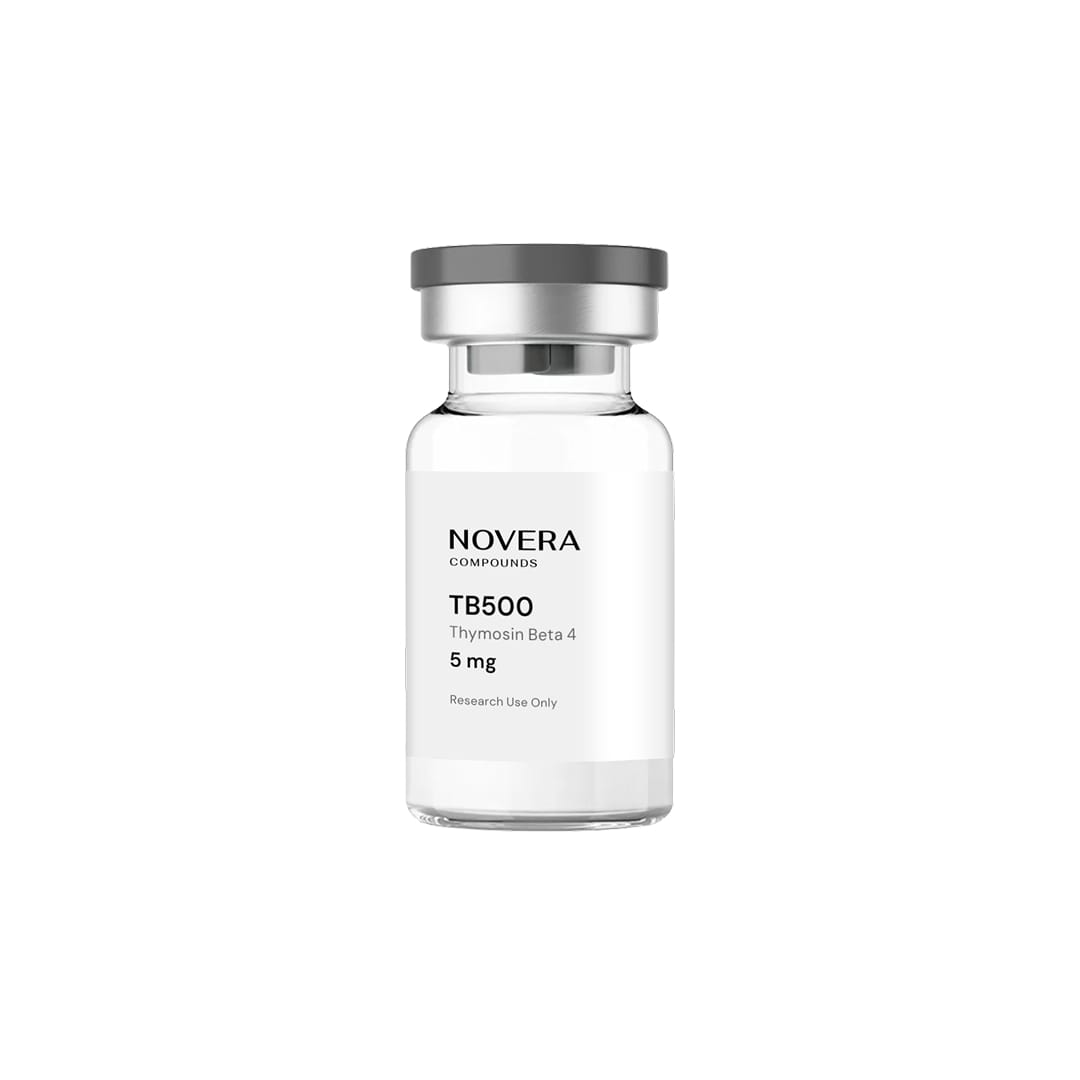
TB500

TB500 Peptide: How to Buy and What to Know

Our Price $64.99 Price Match Promise Found a lower price? We'll match it.
x
Secure Encrypted Payments

TB500 is a thymosin-family peptide supplied by partner pharmacies for prescriber-directed use. It is discussed for tissue care and recovery contexts, but it does not have FDA-approved indications. This page helps you review access, forms, handling basics, and safety points so you can talk with your prescriber and plan your order confidently.

What TB500 Is and How It Works

Peptides in this class are synthetic versions related to thymosin beta-4. TB500® is described in scientific literature as supporting cell migration and cytoskeletal repair pathways. Evidence remains limited and heterogeneous. For eligible U.S. patients, our model supports US delivery from Canada, and your clinician can advise whether TB500 without insurance aligns with your care plan. Border Free Health connects U.S. patients with licensed Canadian partner pharmacies; prescriptions are verified with prescribers before dispensing.

The peptide’s mechanism is thought to involve actin-binding regions that can influence tissue remodeling. Clinical decisions should rely on your prescriber’s assessment of potential benefits and uncertainties. We do not provide treatment recommendations or clinical claims.

Who It’s For

This medicine may be considered only when a licensed prescriber deems it appropriate. It is not FDA-approved. People who are pregnant, planning pregnancy, or breastfeeding should avoid use unless specifically instructed by a clinician. Individuals with a history of cancer, severe liver or kidney disease, or known hypersensitivity to peptide components should discuss risks carefully. Always share your full medication and supplement list with a healthcare professional.

If you are exploring recovery strategies, consider established pathways and therapies first. You can also review related topics such as Tissue Repair and Inflammation for broader context to discuss with your prescriber.

Dosage and Usage

There is no FDA-approved dosing guidance for this peptide. Follow your prescriber’s instructions exactly. If your prescription is dispensed as a lyophilized vial intended for reconstitution, your clinician or pharmacist should specify the diluent, volume, administration route, and schedule. Do not self-inject unless you have been trained by a healthcare professional. Wash hands, use clean supplies, and do not reuse needles. If directed to use subcutaneous injections, rotate sites to reduce local irritation.

Report unexpected reactions promptly to your prescriber. Do not change your schedule or stop therapy without medical guidance. Store and handle the product as labeled by the dispensing pharmacy.

Strengths and Forms

Availability can vary. Common presentations include single-use or multi-use vials of lyophilized powder intended for reconstitution by patient or clinician per the prescription. Some listings describe the compound as TB500 acetate. Final selection and labeling are determined by the dispensing pharmacy and your prescriber.

If you have questions about formats or reconstitution supplies, contact the pharmacy team listed on your order confirmation for clarification before starting.

Missed Dose and Timing

Because schedules differ by prescriber, ask your clinician what to do if you miss a dose. As a general principle, do not double dose to catch up. If it is close to your next scheduled administration, your prescriber may advise skipping the missed dose. Keep a log of doses and any symptoms to support clinical conversations.

Storage and Travel Basics

Follow the pharmacy label for storage. Keep vials in original packaging, away from excess heat, moisture, and light, and out of reach of children and pets. If the product is reconstituted, your prescriber or pharmacist will indicate if refrigeration is needed and for how long the solution remains usable. When traveling, pack your medication in carry-on baggage with the labeled container and prescription copy. Consider a travel letter from your prescriber for screening checks. The pharmacy maintains temperature-controlled handling when required before you receive your parcel.

Pen Handling and Sharps Disposal

If your regimen uses syringes or pen devices, your clinician or pharmacist should show you proper technique. Use new sterile needles for every injection. Place used needles in an FDA-cleared sharps container or a heavy, puncture-resistant household container with a tight lid if allowed locally. Follow community guidelines for sharps drop-off or mail-back programs. Never flush needles or place them loosely in household trash.

Benefits

People explore this peptide as part of a prescriber-directed plan where tissue support is being evaluated. Potential advantages include vial-based flexibility, clinician-tailored schedules, and the ability to pause or adjust under supervision. Because evidence is still evolving, discussions should focus on goals, safety, and realistic expectations rather than guaranteed outcomes. Consistent technique and adherence can help your clinician judge response more clearly.

Side Effects and Safety

  • Injection site issues: redness, swelling, discomfort, or bruising
  • Headache or fatigue: usually transient
  • Nausea or digestive upset: mild and typically short-lived
  • Dizziness: caution with activities until you know your response

Serious reactions can include allergy with rash, hives, swelling, or breathing difficulty. Stop use and seek care if you experience signs of severe hypersensitivity. People with complex medical histories or multiple medications should review risks with their prescriber. Report persistent or worsening symptoms promptly.

Drug Interactions and Cautions

Formal interaction studies are limited. Extra caution is advised if you take immunomodulators, systemic corticosteroids, chemotherapy, or anticoagulants. Alcohol and high-intensity training plans may affect recovery and should be discussed with your clinician. Tell your prescriber about all prescription medicines, over-the-counter products, vitamins, and supplements, including herbals. Do not mix this peptide in the same syringe with other products unless your prescriber instructs you to do so.

What to Expect Over Time

Expect a cautious, stepwise approach. Your prescriber may monitor tolerance in the early phase and consider periodic check-ins. Keep notes on injection sites, energy levels, sleep, and any symptoms. Use pill boxes, calendar reminders, or phone alerts to support adherence. Bring your logs to appointments. If your plan changes, request clear written instructions so you can follow them consistently.

Compare With Alternatives

Some patients and clinicians discuss approved options when targeting related goals. For knee osteoarthritis cushioning, Orthovisc is a hyaluronic acid injection used under medical supervision. For specific growth hormone deficiency, Serostim is a recombinant somatropin product with defined indications. These medicines are not direct substitutes for this peptide, but they illustrate approved, labeled therapies your clinician may consider when appropriate.

Pricing and Access

We display transparent Canadian pricing with US delivery from Canada for qualifying prescriptions. Your total varies by vial size, quantity, and dispensing pharmacy. If you are evaluating budget, compare the TB500 price with other options your prescriber suggests. You can review current listings on this page, then proceed to checkout when ready. If you are looking for periodic offers, see our Promotions page.

Most orders are paid out of pocket. Your card details are processed via encrypted checkout. If you need a receipt for reimbursement discussions, save your emailed invoice and pharmacy documents.

Availability and Substitutions

Supply can fluctuate. When TB500 peptide for sale is temporarily unavailable, your prescriber may recommend an alternative plan or a different format. We cannot provide restock dates. Talk with your clinician about whether to pause, switch, or consider other therapies if availability changes. Pharmacy staff can advise on equivalent presentation details when appropriate.

Patient Suitability and Cost-Saving Tips

Good candidates are adults with a prescriber who has reviewed medical history, medication lists, and goals. People with active malignancy, pregnancy, or severe organ disease often require different strategies. To manage costs, consider multi-month fills if your prescriber supports a stable plan, set refill reminders, and align orders to minimize separate parcels. Comparing options within related categories like Peptides and reading about recovery strategies such as Bone Healing can support informed conversations.

Questions to Ask Your Clinician

  • What outcome are we aiming for with this therapy?
  • How will we monitor response and tolerability over time?
  • What signs mean I should stop and contact you right away?
  • Which administration route and schedule fit my situation?
  • How should I store the vials and for how long after mixing?
  • Could other approved treatments or physical therapy help my goals?
  • When should we reassess continuation versus discontinuation?

Authoritative Sources

FDA: Marketed Unapproved Drugs

Health Canada DPD

Inflammation

Ready to proceed? Start your order and we’ll arrange prompt, express shipping with US delivery from Canada. This information is not a substitute for the advice of a healthcare professional; always follow your prescriber’s instructions.

Express Shipping - from $25.00

Shipping with this method takes 3-5 days

Prices:
  • Dry-Packed Products $25.00
  • Cold-Packed Products $35.00
Shipping Countries:
  • United States (all contiguous states**)
  • Worldwide (excludes some countries***)

Standard Shipping - $15.00

Shipping with this method takes 5-10 days

Prices:
  • Dry-Packed Products $15.00
  • Not available for Cold-Packed products
Shipping Countries:
  • United States (all contiguous states**)
  • Worldwide (excludes some countries***)

Rewards Program

Earn points on birthdays, product orders, reviews, friend referrals, and more! Enjoy your medication at unparalleled discounts while reaping rewards for every step you take with us.

You can read more about rewards here.

POINT VALUE

100 points
1 USD

How to earn points

  • 1Register and/or Login
    Create an account and start earning.
  • 2Earn Rewards
    Earn points every time you shop or perform certain actions.
  • 3Redeem
    Redeem points for exclusive discounts.

How to book an appointment

  • 1Register and/or Login
    Create Begin by completing a profile or log into your existing account. This step ensures we have the necessary information to provide you with a service that's tailored to your needs. account and start earning.
  • 2Book an appointment
    Scheduling an appointment with our online booking system is easy. Pick a day and time that suits you. You’ll receive an immediate confirmation, without the wait.
  • 3Meet one of our doctors
    Discuss your concerns and symptoms and receive a thorough diagnosis from one of our licensed doctors during a confidential video appointment.
  • 4Get your prescription
    If you've been prescribed medication, your Rx is sent directly to one of our licensed pharmacies and delivered right to your door.

Get Started

To book an online doctor appointment, register for an account or login. After doing so, you can book your visit on this page.

You Might Also Like

Epithalon

$47.49

  • In Stock
  • Express Shipping
Our Price $47.49
Select options This product has multiple variants. The options may be chosen on the product page
MOTS-c

$94.99

  • In Stock
  • Express Shipping
Our Price $94.99
Select options This product has multiple variants. The options may be chosen on the product page
Tesamorelin

$75.99

  • In Stock
  • Express Shipping
US $6,040.69
Our Price $75.99
Select options This product has multiple variants. The options may be chosen on the product page
BPC-157

$47.49

  • In Stock
  • Express Shipping
Our Price $47.49
Select options This product has multiple variants. The options may be chosen on the product page

Peptide Screening Form

Patient Information

Please provide your basic demographic information.

Type your date of birth in MM/DD/YYYY format.

Peptides of Interest

Peptides of Interest

Select the peptides you are interested in or have been recommended.

Medical History & Screening

Medical History & Screening

Please indicate if any of the following apply to you. Red flag alerts will appear if a condition contraindicates any of the available peptide therapies.

Contraindicated for CJC-1295: Growth hormone-releasing peptides like CJC-1295 are contraindicated in patients with active cancer because they may promote cell proliferation and tumor growth.

Contraindicated for Ipamorelin: Ipamorelin stimulates growth hormone release, which may promote tumor growth and cell proliferation in active cancers.

Contraindicated for Sermorelin: Sermorelin increases growth hormone production, which may stimulate growth of existing tumors.

Contraindicated for BPC-157: BPC-157 promotes angiogenesis (new blood vessel formation), which could support tumor growth and metastasis in active cancers.

Contraindicated for AOD-9604: Although AOD-9604 is a modified GH fragment, it may still interact with growth-related pathways in patients with active malignancies.

Contraindicated for TB-500 (Thymosin Beta-4): TB-500 promotes cell migration and angiogenesis, which may facilitate tumor growth and metastasis in active cancers.

Contraindicated for GHK-Cu: GHK-Cu promotes angiogenesis and tissue remodeling, which may support tumor growth in patients with active cancer.

Contraindicated for Epithalon (Epitalon): Epithalon stimulates telomerase activity. Cancer cells exploit telomerase to achieve immortality, potentially accelerating tumor growth.

Contraindicated for Semax: Semax has neurotrophic properties that promote cell growth, which may be concerning in patients with active malignancies.

Contraindicated for MOTS-c: MOTS-c influences cellular metabolism and AMPK pathways. Effects on cancer cell metabolism are not fully understood.

Contraindicated for Tesamorelin: Tesamorelin stimulates growth hormone release, which may promote tumor growth in patients with active malignancies.

Contraindicated for Hexarelin: Hexarelin stimulates growth hormone release, which may promote tumor growth and cell proliferation.

Contraindicated for GHRP-6: GHRP-6 stimulates growth hormone release, which may promote tumor growth in active cancers.

Contraindicated for GHRP-2: GHRP-2 stimulates growth hormone release, which may promote tumor growth in active malignancies.

Contraindicated for Melanotan II: Melanotan II stimulates melanocyte activity. In patients with skin cancers, particularly melanoma, it may accelerate disease progression.

Contraindicated for Dihexa: Dihexa activates hepatocyte growth factor (HGF) pathways, which can promote tumor growth and metastasis.

Contraindicated for Kisspeptin-10: Kisspeptin-10 influences reproductive hormone pathways. Hormone-sensitive cancers may be affected by altered GnRH and gonadotropin levels.

Contraindicated for Humanin: Humanin has anti-apoptotic properties that may protect cancer cells from programmed cell death, potentially supporting tumor survival.

Contraindicated for Retatrutide: Retatrutide acts on multiple metabolic pathways including GLP-1 and GIP receptors. Its effects on cell proliferation in patients with active malignancies have not been fully characterized.

Contraindicated for CJC-1295: CJC-1295 stimulates growth hormone release, which can increase IGF-1 levels. Elevated IGF-1 has been associated with cancer recurrence.

Contraindicated for Ipamorelin: The growth hormone and IGF-1 elevation from Ipamorelin may increase the risk of cancer recurrence.

Contraindicated for Sermorelin: Growth hormone stimulation from Sermorelin elevates IGF-1, which has been linked to increased cancer recurrence risk.

Contraindicated for BPC-157: The pro-angiogenic properties of BPC-157 may potentially support recurrence by promoting blood vessel growth that could feed dormant cancer cells.

Contraindicated for TB-500 (Thymosin Beta-4): The pro-angiogenic and cell-migration properties of TB-500 may increase the risk of cancer recurrence.

Contraindicated for Epithalon (Epitalon): Telomerase activation from Epithalon may increase the risk of cancer recurrence by supporting abnormal cell survival.

Contraindicated for Tesamorelin: Growth hormone and IGF-1 elevation from Tesamorelin may increase risk of cancer recurrence.

Contraindicated for Hexarelin: Elevated growth hormone and IGF-1 from Hexarelin may increase risk of cancer recurrence.

Contraindicated for GHRP-6: Growth hormone and IGF-1 elevation from GHRP-6 may increase risk of cancer recurrence.

Contraindicated for GHRP-2: Elevated IGF-1 from GHRP-2-stimulated growth hormone may increase cancer recurrence risk.

Contraindicated for Melanotan II: Melanocortin stimulation from Melanotan II may increase melanoma recurrence risk in patients with skin cancer history.

Contraindicated for Dihexa: HGF pathway activation from Dihexa may increase cancer recurrence risk through pro-growth signaling.

Contraindicated for Humanin: The cytoprotective effects of Humanin may increase cancer recurrence risk by inhibiting apoptosis in dormant cancer cells.

Contraindicated for Retatrutide: GLP-1 receptor agonists have been linked to thyroid C-cell tumors in animal studies. Retatrutide is contraindicated in patients with a personal or family history of medullary thyroid carcinoma.

Contraindicated for Retatrutide: Retatrutide is contraindicated in patients with Multiple Endocrine Neoplasia syndrome type 2 (MEN 2) due to the risk of medullary thyroid carcinoma associated with GLP-1 receptor agonists.

Contraindicated for CJC-1295: CJC-1295 has not been studied in pregnancy and may affect fetal development through altered growth hormone levels.

Contraindicated for Ipamorelin: Ipamorelin has not been studied in pregnancy. Altered growth hormone levels may impact fetal development.

Contraindicated for Sermorelin: Sermorelin is not approved for use during pregnancy due to potential effects on fetal growth and development.

Contraindicated for BPC-157: BPC-157 has not been adequately studied in human pregnancy. Its tissue-modulating effects may pose risks to fetal development.

Contraindicated for Thymosin Alpha-1: Immune modulation during pregnancy may disrupt the delicate immune tolerance required for fetal development.

Contraindicated for PT-141: PT-141 is contraindicated in pregnancy as melanocortin receptor activation may affect fetal development.

Contraindicated for AOD-9604: AOD-9604 has not been studied in pregnancy. Its effects on fetal metabolism are unknown.

Contraindicated for TB-500 (Thymosin Beta-4): TB-500 has not been studied in pregnancy. Its tissue-remodeling effects may pose risks to fetal development.

Contraindicated for GHK-Cu: GHK-Cu has not been studied in pregnancy. Copper peptide effects on fetal development are unknown.

Contraindicated for Epithalon (Epitalon): Epithalon has not been studied in pregnancy. Effects on fetal cellular development are unknown.

Contraindicated for Selank: Selank has not been studied in pregnancy. Its neuroactive effects may impact fetal brain development.

Contraindicated for Semax: Semax has not been studied in pregnancy. Its neuroactive and hormonal effects may affect fetal development.

Contraindicated for DSIP (Delta Sleep-Inducing Peptide): DSIP has not been studied in pregnancy. Its neuroendocrine effects may impact fetal development.

Contraindicated for MOTS-c: MOTS-c has not been studied in pregnancy. Its metabolic effects may impact fetal development.

Contraindicated for Tesamorelin: Tesamorelin is contraindicated in pregnancy due to potential effects on fetal growth from altered growth hormone levels.

Contraindicated for Hexarelin: Hexarelin has not been studied in pregnancy. Altered growth hormone levels may impact fetal development.

Contraindicated for GHRP-6: GHRP-6 has not been studied in pregnancy. Growth hormone modulation may affect fetal development.

Contraindicated for GHRP-2: GHRP-2 has not been studied in pregnancy. Its effects on fetal growth and development are unknown.

Contraindicated for Melanotan II: Melanotan II is contraindicated in pregnancy due to unknown effects on fetal development from melanocortin receptor activation.

Contraindicated for LL-37: LL-37 has not been studied in pregnancy. Immune modulation may disrupt maternal-fetal immune tolerance.

Contraindicated for KPV: KPV has not been studied in pregnancy. Its immunomodulatory effects may impact fetal development.

Contraindicated for Dihexa: Dihexa has not been studied in pregnancy. Its neurotrophic and growth factor effects may impact fetal development.

Contraindicated for 5-Amino-1MQ: 5-Amino-1MQ has not been studied in pregnancy. Its metabolic enzyme inhibition may affect fetal development.

Contraindicated for SS-31 (Elamipretide): SS-31 has not been studied in pregnancy. Its effects on mitochondrial function in developing tissues are unknown.

Contraindicated for PE-22-28: PE-22-28 has not been studied in pregnancy. Its neurogenic effects may impact fetal brain development.

Contraindicated for Kisspeptin-10: Kisspeptin-10 directly affects reproductive hormones and GnRH signaling. Use during pregnancy may disrupt hormonal balance critical for fetal development.

Contraindicated for Humanin: Humanin has not been studied in pregnancy. Its effects on fetal cellular development and apoptosis pathways are unknown.

Contraindicated for KLOW: KLOW has not been studied in pregnancy. Effects on fetal development are unknown.

Contraindicated for GLOW: GLOW has not been studied in pregnancy. Effects on fetal development are unknown.

Contraindicated for Retatrutide: Retatrutide has not been studied in pregnancy. GLP-1 receptor agonists may affect fetal development and maternal glucose regulation.

Contraindicated for CJC-1295: Safety of CJC-1295 during breastfeeding has not been established. Growth hormone modulation could affect lactation.

Contraindicated for BPC-157: Insufficient safety data exists for BPC-157 use during breastfeeding.

Contraindicated for PT-141: Safety of PT-141 during breastfeeding has not been established.

Contraindicated for AOD-9604: Insufficient safety data for AOD-9604 during breastfeeding.

Contraindicated for Selank: Safety of Selank during breastfeeding has not been established. Neuroactive peptides may pass into breast milk.

Contraindicated for DSIP (Delta Sleep-Inducing Peptide): Safety of DSIP during breastfeeding has not been established.

Contraindicated for KPV: Safety of KPV during breastfeeding has not been established.

Contraindicated for 5-Amino-1MQ: Safety of 5-Amino-1MQ during breastfeeding has not been established.

Contraindicated for PE-22-28: Safety of PE-22-28 during breastfeeding has not been established. Neuroactive peptides may pass into breast milk.

Contraindicated for Kisspeptin-10: Kisspeptin-10 modulates reproductive hormones, which may affect lactation and hormonal balance during breastfeeding.

Contraindicated for KLOW: Safety of KLOW during breastfeeding has not been established.

Contraindicated for GLOW: Safety of GLOW during breastfeeding has not been established.

Contraindicated for Retatrutide: Safety of Retatrutide during breastfeeding has not been established. It is unknown whether the peptide is excreted in breast milk.

Contraindicated for CJC-1295: Growth hormone elevation from CJC-1295 can worsen diabetic retinopathy by promoting abnormal blood vessel growth in the retina.

Contraindicated for Ipamorelin: Elevated growth hormone from Ipamorelin can accelerate retinal neovascularization in diabetic retinopathy.

Contraindicated for GHRP-6: Elevated growth hormone from GHRP-6 can worsen diabetic retinopathy by promoting abnormal blood vessel growth.

Contraindicated for GHRP-2: Growth hormone elevation from GHRP-2 can accelerate retinal neovascularization in diabetic retinopathy.

Contraindicated for Retatrutide: Rapid improvement in glycemic control from Retatrutide may temporarily worsen diabetic retinopathy. Close ophthalmologic monitoring is recommended.

Contraindicated for CJC-1295: Growth hormone-releasing peptides can elevate intracranial pressure, worsening existing intracranial hypertension.

Contraindicated for Sermorelin: Growth hormone elevation from Sermorelin can increase intracranial pressure.

Contraindicated for Tesamorelin: Growth hormone elevation from Tesamorelin can increase intracranial pressure.

Contraindicated for CJC-1295: CJC-1295 acts on the pituitary gland. Existing pituitary disorders may lead to unpredictable or dangerous hormone responses.

Contraindicated for Ipamorelin: Ipamorelin directly stimulates the pituitary gland. Pre-existing pituitary conditions may result in adverse hormonal responses.

Contraindicated for Sermorelin: Sermorelin requires a functioning pituitary gland. Pituitary disorders may prevent proper response or cause adverse effects.

Contraindicated for DSIP (Delta Sleep-Inducing Peptide): DSIP affects neuroendocrine signaling involving the pituitary gland. Pre-existing pituitary conditions may lead to unpredictable effects.

Contraindicated for Tesamorelin: Tesamorelin acts directly on the pituitary gland. Pre-existing pituitary disorders may cause unpredictable hormonal responses.

Contraindicated for Hexarelin: Hexarelin acts on the pituitary gland. Pre-existing pituitary conditions may result in adverse hormonal responses.

Contraindicated for GHRP-6: GHRP-6 acts directly on the pituitary gland. Pre-existing disorders may cause adverse hormonal effects.

Contraindicated for GHRP-2: GHRP-2 directly stimulates the pituitary gland. Pre-existing pituitary disorders may cause unpredictable responses.

Contraindicated for Kisspeptin-10: Kisspeptin-10 stimulates the hypothalamic-pituitary axis. Pre-existing pituitary disorders may lead to unpredictable hormonal responses.

Contraindicated for Thymosin Alpha-1: Thymosin Alpha-1 stimulates T-cell activity and immune response. In patients with autoimmune conditions, this can trigger disease flares.

Contraindicated for Epithalon (Epitalon): Epithalon may modulate immune function through its effects on the pineal gland, potentially exacerbating autoimmune conditions.

Contraindicated for Melanotan II: Melanotan II modulates immune function through melanocortin receptors, potentially exacerbating autoimmune conditions.

Contraindicated for LL-37: LL-37 is a potent immune activator. In autoimmune conditions, it may trigger inflammatory flares and worsen disease activity.

Contraindicated for KLOW: Peptide blends may modulate immune function. Patients with autoimmune conditions should consult their provider before use.

Contraindicated for GLOW: Peptide blends may modulate immune function. Patients with autoimmune conditions should consult their provider before use.

Contraindicated for Thymosin Alpha-1: Thymosin Alpha-1 enhances immune function, which directly counteracts immunosuppressive therapy required to prevent organ rejection.

Contraindicated for LL-37: LL-37 enhances immune function, which may counteract immunosuppressive therapy in transplant recipients.

Contraindicated for PT-141: PT-141 affects blood pressure and cardiovascular function. Patients with heart disease face increased risk of adverse cardiac events.

Contraindicated for Hexarelin: Hexarelin has been shown to affect cardiac function and cortisol release. Patients with cardiovascular disease should use caution.

Contraindicated for Melanotan II: Melanotan II affects cardiovascular function and can cause nausea and flushing. Heart disease patients should avoid use.

Contraindicated for PT-141: PT-141 can cause transient increases in blood pressure. Uncontrolled hypertension increases the risk of cardiovascular events.

Contraindicated for Semax: Semax can influence blood pressure regulation. Patients with uncontrolled hypertension should use caution.

Contraindicated for Melanotan II: Melanotan II can cause blood pressure fluctuations. Patients with uncontrolled hypertension face increased cardiovascular risk.

Contraindicated for Dihexa: Dihexa may influence cardiovascular function. Patients with uncontrolled hypertension should exercise caution.

Contraindicated for AOD-9604: Patients with severe kidney disease may have impaired clearance of AOD-9604 metabolites.

Contraindicated for MOTS-c: Patients with severe kidney disease may have impaired clearance of MOTS-c metabolites.

Contraindicated for 5-Amino-1MQ: Patients with kidney disease may have impaired clearance of 5-Amino-1MQ metabolites.

Contraindicated for SS-31 (Elamipretide): Patients with severe kidney disease may have impaired clearance of SS-31 and its metabolites.

Contraindicated for Retatrutide: Patients with severe kidney disease may have impaired clearance of Retatrutide. Dose adjustment or avoidance may be necessary.

Contraindicated for GHK-Cu: Copper metabolism is heavily dependent on liver function. Patients with liver disease may accumulate copper to toxic levels.

Contraindicated for 5-Amino-1MQ: 5-Amino-1MQ affects metabolic enzyme pathways. Patients with liver disease may experience altered drug metabolism and increased toxicity risk.

Contraindicated for Retatrutide: Retatrutide is metabolized hepatically. Patients with significant liver impairment may experience altered drug levels and increased risk of adverse effects.

Contraindicated for Retatrutide: GLP-1 receptor agonists, including Retatrutide, have been associated with an increased risk of pancreatitis. Patients with a history of pancreatitis should avoid use.

Contraindicated for BPC-157: BPC-157 affects the nitric oxide system and may influence blood clotting. Patients with clotting disorders should avoid use.

Contraindicated for TB-500 (Thymosin Beta-4): TB-500 can influence blood clotting pathways. Patients with clotting disorders or on anticoagulants should avoid use.

Contraindicated for Selank: Selank is derived from tuftsin, which can influence immune and coagulation pathways. Patients with clotting disorders should use caution.

Contraindicated for SS-31 (Elamipretide): SS-31 has been associated with injection site reactions. Patients with known peptide allergies should be monitored.

Contraindicated for KLOW: Multi-component peptide blends carry increased risk of allergic reactions. Patients with known peptide allergies should be monitored.

Contraindicated for GLOW: Multi-component peptide blends carry increased risk of allergic reactions. Patients with known peptide allergies should be monitored.

Contraindicated for Thymosin Alpha-1: Thymosin Alpha-1 directly opposes immunosuppressive medications, potentially causing dangerous drug interactions.

Contraindicated for LL-37: LL-37 stimulates immune responses, potentially opposing immunosuppressive medications.

Contraindicated for KPV: KPV has anti-inflammatory and immune-modulating effects that may interact with immunosuppressive medications.

Current Medications

List all medications, supplements, and treatments you are currently using.

Additional Notes

Medical Disclaimer

This screening questionnaire is for informational and pre-consultation purposes only. It does not constitute medical advice, diagnosis, or a treatment recommendation.

All peptide therapy protocols must be prescribed and supervised by a licensed healthcare provider. The contraindication information provided here is based on general clinical guidelines and may not reflect every individual’s unique medical circumstances.

Peptide therapies are used off-label in many cases. Results vary by individual. Borderfreehealth.com does not guarantee outcomes from any peptide therapy program.

By submitting this form, you acknowledge that a qualified medical professional will review your responses and determine appropriate treatment options. Do not discontinue any current medications or begin any new treatment based solely on the results of this screening.