

Please note: a valid prescription is required for all prescription medication.
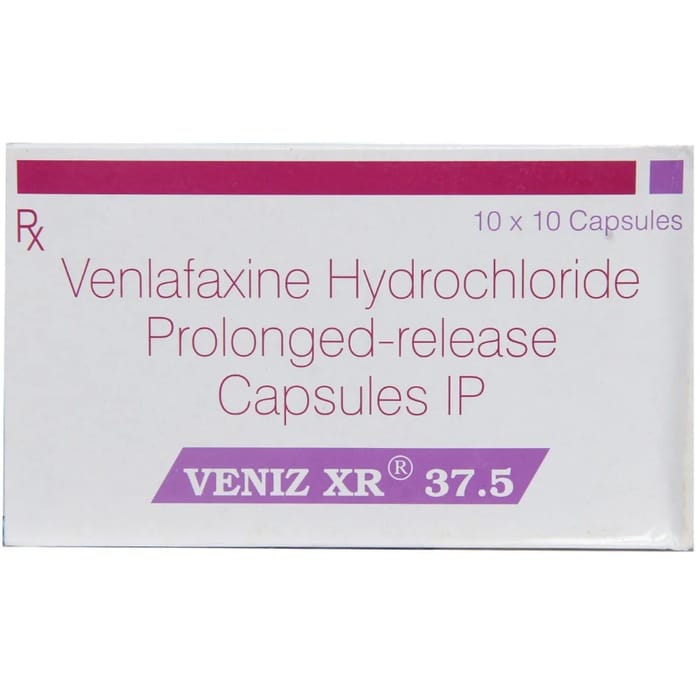
Veniz XR
Veniz XR: Buy Safely With Prescription Guidance
Price:
Price range: $34.99 through $45.99
Secure Encrypted Payments
What Veniz XR Is and How It Works
Veniz XR is a prescription, extended-release antidepressant that may be used for depression and certain anxiety disorders. It is designed to release medicine gradually over the day to help keep levels steadier. This page explains practical use and safety basics, plus how ordering works for people paying cash or without insurance through US shipping from Canada.
Medications are dispensed by licensed Canadian partner pharmacies for eligible U.S. prescriptions.
This treatment is generally classified as an SNRI (serotonin-norepinephrine reuptake inhibitor), meaning it increases the availability of two brain chemical messengers involved in mood and stress regulation. Extended-release products are often taken once daily, which can make routines simpler than multiple daily doses. The exact active ingredient, manufacturer, and directions appear on the pharmacy label; follow that label and the prescriber’s instructions.
Because mood symptoms overlap with many conditions, it can help to review condition-specific hubs for context and support. The site’s Depression Hub and Anxiety Hub are browseable lists of related options and resources.
Who It’s For
This medicine is typically prescribed for adults with major depressive disorder or certain anxiety conditions, depending on the local product labeling and the prescriber’s judgment. Some people may receive it for generalized anxiety, social anxiety, or panic symptoms when an SNRI is appropriate. Treatment choice usually considers symptom pattern, prior response, other health issues, and tolerability.
Veniz XR may not be appropriate for everyone. It is generally avoided in people with a known allergy to the active ingredient or components, and it should not be taken with MAOIs (monoamine oxidase inhibitors) due to the risk of serious interactions. Extra caution is often needed for people with bipolar disorder (because antidepressants can trigger mania), certain heart rhythm concerns, glaucoma risk, high blood pressure, liver or kidney impairment, seizure history, or a history of bleeding problems.
For families and caregivers, it’s also important to know that antidepressants carry warnings about suicidal thoughts and behaviors in children, adolescents, and young adults. Monitoring is especially important early in treatment and after dose changes, as directed by the prescriber.
Dosage and Usage
Dosing is individualized by the prescriber and typically started at a lower strength, then adjusted over time based on response and side effects. Many extended-release antidepressants are taken once daily at a consistent time. Directions vary by product, so the dispensing label is the best reference for how to take Veniz XR in a specific prescription.
Taking extended-release doses
Extended-release capsules or tablets are intended to be swallowed whole. Crushing, chewing, or splitting can change how the medicine is released and may increase side effects. If the product is a capsule, some brands allow opening and sprinkling on food, while others do not; the pharmacy label or product insert should be followed. Alcohol can worsen sedation or dizziness for some people and may complicate mood symptoms, so prescribers often recommend limits or avoidance.
Quick tip: If a dose is missed, follow the label instructions rather than doubling up.
Stopping an SNRI suddenly can cause discontinuation symptoms (withdrawal-like effects), such as irritability, sleep disruption, nausea, or “electric shock” sensations. When a medication needs to be stopped, prescribers usually plan a gradual taper to reduce these effects.
Strengths and Forms
Veniz XR is supplied as an extended-release oral product, most often listed as a capsule. Depending on the market and manufacturer, an extended-release tablet presentation may also be referenced in some listings. Availability can vary across pharmacies and jurisdictions, and substitutions may be made within the same active ingredient and release type when permitted.
Commonly listed strengths for extended-release products in this family include 37.5 mg, 75 mg, and 150 mg. Pharmacies may describe these as Veniz XR 37.5 mg, Veniz XR 75 mg, or Veniz XR 150 mg on inventory lists, but the dispensed strength must match the prescription. If a prescription references a different strength or a specific manufacturer, the pharmacy may need confirmation before dispensing.
When comparing options, make sure the form is truly extended-release. Immediate-release versions are not interchangeable dose-for-dose with XR products without prescriber guidance.
Storage and Travel Basics
Store extended-release antidepressants at room temperature, away from excess heat, moisture, and direct light. Bathrooms can be humid, so a bedroom drawer or cabinet is often a better choice. Keep the medication in its original container until use, and keep it out of reach of children and pets.
For travel, carry doses in a labeled container that matches the prescription information. This can help with security checks and reduces mix-ups if tablets or capsules look similar to other medications. If a pill organizer is used, keep a photo of the label or a copy of the prescription details with travel documents.
Do not use medication past the expiration date, and avoid taking capsules or tablets that look damaged, swollen, or discolored. For disposal, many communities offer take-back programs; if those are not available, follow local guidance.
Side Effects and Safety
Like other SNRIs, this medicine can cause side effects that are most noticeable when starting or after changes in dose. Common effects may include nausea, dry mouth, constipation, decreased appetite, sweating, headache, dizziness, vivid dreams, and sleep changes (either insomnia or drowsiness). Sexual side effects can also occur and may affect libido, arousal, or orgasm.
More serious risks require prompt medical attention. These can include serotonin syndrome (a rare but potentially dangerous reaction with agitation, fever, tremor, and confusion), severe allergic reaction, significant blood pressure increases, abnormal bleeding, low sodium (hyponatremia), and worsening depression or suicidal thinking. Veniz XR also carries cautions about angle-closure glaucoma in susceptible individuals; eye pain, vision changes, or halos should be treated as urgent symptoms.
Why it matters: New or worsening mood changes should be addressed quickly with a clinician.
Some people notice discontinuation symptoms if a dose is missed or the medicine is stopped abruptly. That risk is one reason prescribers plan gradual changes and check in during transitions. If side effects are hard to tolerate, the prescriber can review options such as adjusting timing, changing dose, or switching medications.
Drug Interactions and Cautions
Important interactions include MAOIs and other serotonergic medicines, which can raise the risk of serotonin syndrome. This includes some migraine treatments (triptans), certain pain medicines, St. John’s wort, and some antibiotics like linezolid. Always provide the prescriber and pharmacist with a complete medication list, including over-the-counter products and supplements.
When required, the pharmacy confirms prescription details with the prescriber before dispensing.
SNRIs can also increase bleeding risk, especially when combined with anticoagulants, antiplatelets, or NSAIDs (nonsteroidal anti-inflammatory drugs) such as ibuprofen or naproxen. If anti-inflammatory pain control is needed, it may be helpful to review general safety considerations in resources like Meloxicam Guide Basics and Meloxicam In Older Adults, then discuss specifics with the prescriber.
Other cautions may include alcohol use, uncontrolled high blood pressure, seizure disorders, and liver or kidney impairment. Pregnancy and breastfeeding decisions require individualized risk-benefit discussion with a qualified healthcare professional.
Compare With Alternatives
For depression and anxiety disorders, clinicians may also consider other SNRIs (such as duloxetine or desvenlafaxine) or SSRIs (selective serotonin reuptake inhibitors) such as sertraline or escitalopram. Choice often depends on symptom profile, side effect history, drug interactions, and co-existing pain or sleep issues. Switching between antidepressants usually requires a planned approach to reduce withdrawal effects and avoid overlapping interactions.
Veniz XR is not a substitute for other extended-release medications used for unrelated conditions. For example, Xeljanz XR is prescribed for certain inflammatory diseases and has different risks and monitoring requirements.
To browse other options in this therapeutic area, the Mental Health hub lists available products, while Mental Health Posts organizes condition and medication guides that can support informed discussions with a prescriber.
Pricing and Access
Out-of-pocket costs for Veniz XR can vary based on strength, quantity, and dispensing pharmacy. Some patients look for cash-pay pathways when coverage is limited or when they are without insurance. For savings programs that may apply to eligible orders, review Current Promotions before checkout.
Cash-pay cross-border access may be available, subject to eligibility and jurisdiction.
Prescription status matters for access. The pharmacy may need a valid prescription on file and may confirm clinical details with the prescriber when required. Keeping an up-to-date medication list and accurate contact information in the account can help prevent delays in verification.
Some medicines used alongside antidepressants can affect mood or sleep, including steroids for inflammatory conditions. If these are part of a treatment plan, resources like Prednisone Explained Guide and Worst Prednisone Side Effects can help patients understand what to monitor and what to discuss with clinicians.
Authoritative Sources
For consumer-friendly prescribing information, see the National Library of Medicine’s entry: MedlinePlus Venlafaxine.
For the class warning and safety context, review FDA background materials: FDA Antidepressant Use Safety Information.
For practical guidance on mental health medicines and monitoring, consult: NAMI Venlafaxine Medication Guide.
For site actions, place an order and select prompt, express shipping at checkout if available.
This content is for informational purposes only and is not a substitute for professional medical advice.
Express Shipping - from $25.00
Shipping with this method takes 3-5 days
Prices:
- Dry-Packed Products $25.00
- Cold-Packed Products $35.00
Shipping Countries:
- United States (all contiguous states**)
- Worldwide (excludes some countries***)
Standard Shipping - $15.00
Shipping with this method takes 5-10 days
Prices:
- Dry-Packed Products $15.00
- Not available for Cold-Packed products
Shipping Countries:
- United States (all contiguous states**)
- Worldwide (excludes some countries***)
What is Veniz XR used for?
Veniz XR is commonly prescribed to treat depression and certain anxiety disorders, depending on local labeling and a clinician’s assessment. It is an extended-release antidepressant in the SNRI class, which affects serotonin and norepinephrine signaling in the brain. Prescribers choose among antidepressants based on symptoms, past response, side effects, other health conditions, and potential drug interactions. The exact indication for a specific prescription should be confirmed on the prescription directions and discussed with the prescribing clinician.
How long does it take to notice benefits from Veniz XR?
Response time varies widely. Some people may notice small improvements in sleep, energy, or anxiety earlier, while mood symptoms can take longer to improve. It’s common for clinicians to reassess after several weeks and adjust the plan if symptoms have not improved enough or side effects are troublesome. Because changes can occur gradually, prescribers often recommend tracking symptoms and functioning over time. Any sudden worsening of mood, agitation, or suicidal thoughts should be treated as urgent and reported promptly.
Should Veniz XR be taken with food, and can the capsule be opened?
Extended-release antidepressants are often taken once daily, sometimes with food to reduce nausea, but the correct approach depends on the specific product and the directions on the dispensing label. Extended-release tablets should generally be swallowed whole and not crushed or split. For capsules, some manufacturers allow opening the capsule and sprinkling contents on food, while others do not. Because directions differ by formulation, patients should follow the pharmacy label and ask the pharmacist if anything is unclear.
What should I do if I miss a dose of Veniz XR?
The safest step is to follow the instructions on the prescription label, since guidance can differ by product. In many cases, a missed dose is taken when remembered unless it is close to the next scheduled dose, and doubling up is generally avoided. Missing doses of SNRIs may lead to uncomfortable discontinuation symptoms in some people, so consistent daily dosing is important. If missed doses happen often, a clinician or pharmacist can help identify practical strategies and assess whether side effects or timing are barriers.
What monitoring is recommended while taking Veniz XR?
Monitoring is individualized, but clinicians commonly check mood symptoms and side effects more closely early in therapy and after dose changes. Blood pressure and heart rate may be monitored because SNRIs can raise them in some patients. Clinicians may also ask about sleep, anxiety, agitation, and any suicidal thoughts, especially in younger people. In certain situations, labs may be considered, such as sodium levels in older adults or those at risk for hyponatremia. Patients should report concerning symptoms like severe restlessness, confusion, fever, or unusual bleeding promptly.
What should I ask my clinician before starting Veniz XR?
Helpful questions include: what condition is being treated; what benefits to look for; and what side effects are most important to report. It’s also reasonable to ask how to take the extended-release form, what to do about missed doses, and how dose changes will be handled. People should disclose all medications and supplements, since serotonergic drugs, MAOIs, and some pain medicines can interact. Asking about blood pressure monitoring, glaucoma risk, pregnancy or breastfeeding considerations, and how to recognize discontinuation symptoms can support safer use.
Rewards Program
Earn points on birthdays, product orders, reviews, friend referrals, and more! Enjoy your medication at unparalleled discounts while reaping rewards for every step you take with us.
You can read more about rewards here.
POINT VALUE
How to earn points
- 1Create an account and start earning.
- 2Earn points every time you shop or perform certain actions.
- 3Redeem points for exclusive discounts.
How to book an appointment
- 1Create Begin by completing a profile or log into your existing account. This step ensures we have the necessary information to provide you with a service that's tailored to your needs. account and start earning.
- 2Scheduling an appointment with our online booking system is easy. Pick a day and time that suits you. You’ll receive an immediate confirmation, without the wait.
- 3Discuss your concerns and symptoms and receive a thorough diagnosis from one of our licensed doctors during a confidential video appointment.
- 4If you've been prescribed medication, your Rx is sent directly to one of our licensed pharmacies and delivered right to your door.
Get Started
To book an online doctor appointment, register for an account or login. After doing so, you can book your visit on this page.
You Might Also Like
Select options
This product has multiple variants. The options may be chosen on the product page
Select options
This product has multiple variants. The options may be chosen on the product page
Select options
This product has multiple variants. The options may be chosen on the product page
Select options
This product has multiple variants. The options may be chosen on the product page