

Please note: a valid prescription is required for all prescription medication.
Promotion
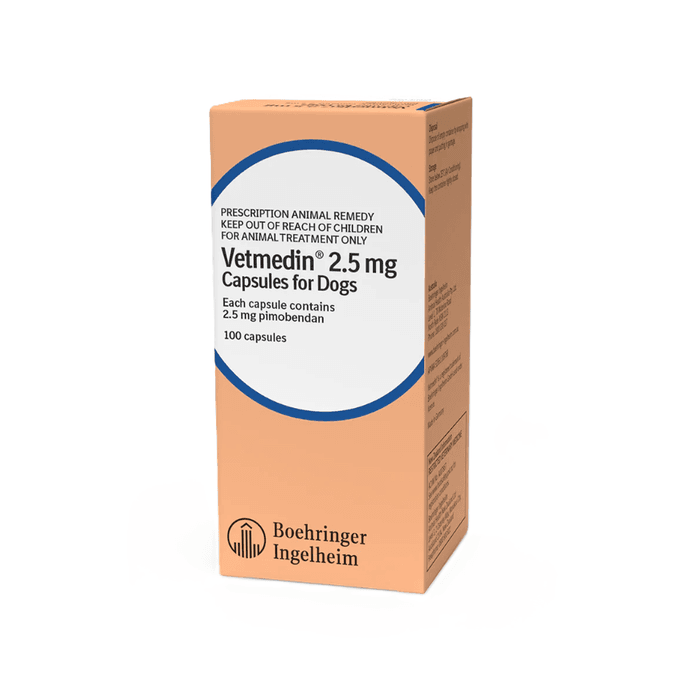
Vetmedin
Vetmedin (pimobendan) for Dogs
Get $50 off all orders over $200. Valid on all medications. Use code GET50 at checkout. Offer valid until March 1st.
Coupon code cannot be combined with other offers. Maximum allowable quantity equal to a 90 day supply per single order.Campaign valid for all products, except Mounjaro Vial.
Price:
Price range: $86.99 through $122.99
Secure Encrypted Payments
Vetmedin is a prescription heart medicine for dogs that contains pimobendan and is used in some types of congestive heart failure. For US shipping from Canada through BorderFreeHealth, clear basics on what the treatment does, common dosing patterns, and handling steps can reduce avoidable confusion, especially when paying cash without insurance. This page summarizes labeled uses, safety considerations, storage guidance, and practical coordination details when a veterinarian’s prescription is required.
What Vetmedin Is and How It Works
Pimobendan is often described as an inodilator (supports heart contraction and relaxes blood vessels). It helps the heart pump more effectively while also reducing the resistance the heart pumps against. The result can be improved forward blood flow in dogs with certain diagnosed heart conditions. This medicine is not a cure for structural heart disease, and it is typically used as one part of a broader treatment plan.
Prescriptions are confirmed with the veterinary clinic before dispensing.
Ships from Canada to US may be available through coordinated partner-pharmacy fulfillment when a valid prescription is on file. For day-to-day expectations, it helps to think of pimobendan as a heart-support therapy that is commonly paired with other cardiac drugs, diet recommendations, and follow-up exams. Decisions about starting, stopping, or adjusting therapy should be made by a veterinarian who can interpret the dog’s exam and imaging findings.
Who It’s For
Pimobendan is commonly prescribed for dogs diagnosed with congestive heart failure due to specific conditions such as mitral valve disease or dilated cardiomyopathy. These diagnoses are usually confirmed with an exam and tests such as chest radiographs and an echocardiogram. For related condition hubs, browse Heart Failure, Mitral Valve Disease, and Dilated Cardiomyopathy to see other therapies that may be used alongside an inotrope.
Not every type of heart disease is treated the same way. Pimobendan is generally not used when outflow obstruction is present (for example, certain congenital narrowing conditions) because increasing contractility may worsen obstruction in some cases. Use in species other than dogs, including cats, is outside typical labeling and should be addressed directly with a veterinarian. Extra caution is often needed in dogs with significant rhythm problems, severe systemic illness, or advanced organ dysfunction, where monitoring plans may need to be adjusted.
Dosage and Usage
Label-based dosing for pimobendan in dogs is commonly weight-based and split into two daily doses about 12 hours apart. Many labels also recommend giving it roughly 1 hour before feeding, because food can affect how the drug is absorbed. The prescription directions should be followed exactly, since tablet strength, the dog’s weight, and the heart condition being treated all influence the regimen.
Administration is typically by mouth, using chewable tablets that can be offered as a treat or placed at the back of the tongue. If a dose is missed, the safest next step is usually to contact the veterinary clinic for instructions rather than doubling up. A consistent schedule can support steadier blood levels, especially when other cardiac medicines are taken on a timetable.
Quick tip: Keep a written dosing log for multi-drug heart regimens.
Strengths and Forms
Vetmedin is commonly available as chewable tablets in 1.25 mg, 2.5 mg, 5 mg, and 10 mg strengths, though availability can vary by pharmacy and market. These strengths allow prescribers to match a weight-based dose while keeping the number of tablets manageable. Some dogs accept chewables easily, while others do better when the tablet is given with a small amount of water afterward to ensure it is swallowed.
Tablets may be scored, which can support dose flexibility when a veterinarian prescribes a half-tablet amount. In some settings, a pimobendan oral liquid may be used when tablets are difficult to administer, but the exact presentation and instructions depend on what the prescriber orders and what is available for dispensing. For other animal prescriptions commonly coordinated through the platform, the Pet Medications hub lists additional options.
| Common presentation | Notes |
|---|---|
| Chewable tablet (1.25 mg) | Often used for smaller dogs or split-dose regimens. |
| Chewable tablet (2.5 mg) | May be combined with other strengths to match prescribed dosing. |
| Chewable tablet (5 mg) | Common mid-range strength for weight-based titration. |
| Chewable tablet (10 mg) | Often used for larger dogs to reduce tablet count. |
Storage and Travel Basics
Most chewable tablets are stored at controlled room temperature in their original packaging, protected from moisture and excess heat. Keep the medicine out of reach of children and pets, since accidental ingestion can be serious. Check the label for the specific storage range and the “use by” date, and avoid using tablets that appear crumbled, discolored, or unusually soft.
Dispensing is handled by licensed Canadian partner pharmacies.
For travel, carrying medications in the labeled container can reduce mix-ups and helps a veterinary clinic identify the product quickly if questions come up. Avoid leaving tablets in a hot car, near windows, or in humid areas like bathrooms. If a dog receives multiple cardiac drugs, consider packing them in separate, clearly labeled bags and bringing a current medication list to appointments to support accurate reconciliation.
Side Effects and Safety
Many dogs tolerate pimobendan well, but side effects can happen. Commonly reported issues include reduced appetite, vomiting, diarrhea, or lethargy. Some dogs may seem more restless, while others appear unusually tired during the first days of therapy. Any symptom that is persistent, worsening, or interfering with breathing, eating, or normal activity warrants a call to the veterinary clinic.
More serious concerns can include fainting or collapse, marked weakness, a sudden change in breathing effort, or signs of worsening fluid buildup such as coughing or abdominal distension. Vetmedin should be used with a monitoring plan that matches the dog’s diagnosis, since heart failure care often changes over time. Follow-up exams may include listening for new murmurs, assessing lung sounds, and repeating imaging or ECG testing when clinically indicated.
Why it matters: Early recognition of worsening heart failure can prevent emergencies.
Drug Interactions and Cautions
Dogs with congestive heart failure are frequently treated with combination therapy. Pimobendan is often prescribed alongside diuretics (fluid reducers), ACE inhibitors, and sometimes aldosterone antagonists, depending on the diagnosis and stage. The full regimen should be reviewed at each visit, including supplements and over-the-counter products, because overlapping effects on blood pressure, hydration, and electrolytes may increase risks.
Some medicines can blunt or complicate inotrope effects, including certain beta-blockers and calcium channel blockers, and some antiarrhythmics may require closer ECG monitoring when multiple cardiac drugs are used together. Kidney-impacting medications, including some NSAIDs, can be especially important to discuss in dogs already taking diuretics. For deeper background reading, see Safe Use Of Enalapril, Verapamil Uses And Interactions, and Atenolol Side Effects Guide.
Compare With Alternatives
Heart failure regimens usually combine medicines that do different jobs. Vetmedin (pimobendan) is used for its inotropic and vasodilating effects, while diuretics primarily reduce fluid congestion and ACE inhibitors can reduce maladaptive hormone signaling that worsens heart strain. These roles are complementary rather than interchangeable, so substitutions should only be made with prescriber guidance and follow-up monitoring.
Examples of commonly paired therapies include combination products like Cardalis (which may be used for certain canine cardiac plans) and loop diuretics such as Furosemide. Other options a veterinarian may consider include different ACE inhibitors, spironolactone alone, or rhythm-focused therapy when arrhythmias are present. For context on one common combination approach, the resource Cardalis For Dogs Guide summarizes how combination heart medications can be structured.
Pricing and Access
Out-of-pocket costs for canine cardiac medicines can vary with tablet strength, prescribed quantity, and whether dispensing is done through a clinic pharmacy or a retail channel. Many people compare refill costs across multiple sources, including online pet pharmacies and retailers such as Chewy Vetmedin, as well as large chains like Walmart and Petco. Comparing like-for-like quantities and strengths helps avoid misleading differences.
Cash-pay access can support those without insurance.
When a prescription is required, the process typically includes collecting the prescriber details, confirming the directions, and ensuring the selected strength matches what was written. If available, Available Promotions may help with budget planning, but eligibility and terms can change. The safest approach is to keep an updated medication list and have the veterinary clinic send any changed directions promptly to prevent dispensing delays.
Authoritative Sources
The most reliable details come from official labeling and regulator-maintained drug listings. For confirmation of indications, dosing language, and safety warnings, consult these references alongside a veterinarian’s instructions.
- For FDA animal drug listings, see Animal Drugs At FDA.
- For manufacturer information and labeling resources, see Vetmedin Manufacturer Site.
To place an order, add the prescription item to cart, upload the veterinary prescription if needed, and select prompt, express shipping at checkout when offered.
This content is for informational purposes only and is not a substitute for professional medical advice.
Express Shipping - from $25.00
Shipping with this method takes 3-5 days
Prices:
- Dry-Packed Products $25.00
- Cold-Packed Products $35.00
Shipping Countries:
- United States (all contiguous states**)
- Worldwide (excludes some countries***)
Standard Shipping - $15.00
Shipping with this method takes 5-10 days
Prices:
- Dry-Packed Products $15.00
- Not available for Cold-Packed products
Shipping Countries:
- United States (all contiguous states**)
- Worldwide (excludes some countries***)
What is pimobendan and how is it related to Vetmedin?
Pimobendan is the active ingredient in Vetmedin. It is an inodilator, meaning it supports heart contraction while also helping blood vessels relax. In dogs with certain diagnosed causes of congestive heart failure, this combination can support circulation as part of a broader plan that may also include diuretics and other cardiac medications. Brand and generic products contain the same active drug, but tablet appearance, packaging, and available strengths can differ by manufacturer and market.
What conditions is pimobendan typically prescribed for in dogs?
Pimobendan is commonly prescribed for dogs with congestive heart failure due to specific underlying diseases, especially myxomatous mitral valve disease and dilated cardiomyopathy when diagnosed by a veterinarian. The diagnosis is usually supported by exam findings and tests such as chest radiographs and echocardiography. A prescriber will also consider the dog’s stage of disease, breathing status, and any rhythm abnormalities before selecting a regimen. Use for other species or other heart conditions should be discussed directly with a veterinarian.
Should pimobendan be given with food or on an empty stomach?
Many product labels recommend giving pimobendan about one hour before feeding, because food can affect absorption. However, the best approach is to follow the specific prescription label directions provided by the veterinarian or dispensing pharmacy. If a dog vomits after a dose, refuses food, or has gastrointestinal upset that makes timing difficult, the clinic should be contacted for guidance. Changing timing or splitting doses without professional direction can affect overall exposure and may complicate monitoring.
What side effects should be monitored in dogs taking pimobendan?
Common side effects reported with pimobendan include reduced appetite, vomiting, diarrhea, and lethargy. Some dogs may seem restless or have changes in activity level early in therapy. More serious signs to monitor include fainting or collapse, marked weakness, a sudden change in breathing effort, or signs that fluid congestion is worsening (such as coughing or abdominal distension). Because dogs with heart disease often take multiple medications, any new or worsening symptom should be reviewed with the veterinary clinic promptly.
Can pimobendan be used with furosemide or ACE inhibitors?
Pimobendan is often used as part of combination therapy in canine congestive heart failure, and it may be prescribed alongside diuretics such as furosemide and drugs from the ACE inhibitor class. These medications work in different ways, so the combination can be clinically appropriate in many cases. Even so, the full regimen needs supervision because combined effects can influence blood pressure, hydration status, kidney function, and electrolyte balance. Only a veterinarian can determine the safest combination and monitoring schedule for an individual dog.
What should be discussed with a veterinarian before starting pimobendan?
Key topics include the confirmed diagnosis and stage of heart disease, the planned dosing schedule and timing with meals, and what follow-up testing is expected (for example, exams, imaging, or ECG). It also helps to review the dog’s full medication and supplement list, since interactions and overlapping side effects can matter in heart failure care. Ask what signs should trigger an urgent call, and whether any activity or diet changes are recommended. Clarifying how missed doses should be handled can prevent unsafe “catch-up” dosing.
Rewards Program
Earn points on birthdays, product orders, reviews, friend referrals, and more! Enjoy your medication at unparalleled discounts while reaping rewards for every step you take with us.
You can read more about rewards here.
POINT VALUE
How to earn points
- 1Create an account and start earning.
- 2Earn points every time you shop or perform certain actions.
- 3Redeem points for exclusive discounts.
How to book an appointment
- 1Create Begin by completing a profile or log into your existing account. This step ensures we have the necessary information to provide you with a service that's tailored to your needs. account and start earning.
- 2Scheduling an appointment with our online booking system is easy. Pick a day and time that suits you. You’ll receive an immediate confirmation, without the wait.
- 3Discuss your concerns and symptoms and receive a thorough diagnosis from one of our licensed doctors during a confidential video appointment.
- 4If you've been prescribed medication, your Rx is sent directly to one of our licensed pharmacies and delivered right to your door.
Get Started
To book an online doctor appointment, register for an account or login. After doing so, you can book your visit on this page.
You Might Also Like
Select options
This product has multiple variants. The options may be chosen on the product page
Select options
This product has multiple variants. The options may be chosen on the product page
Select options
This product has multiple variants. The options may be chosen on the product page
Select options
This product has multiple variants. The options may be chosen on the product page