
Please note: a valid prescription is required for all prescription medication.
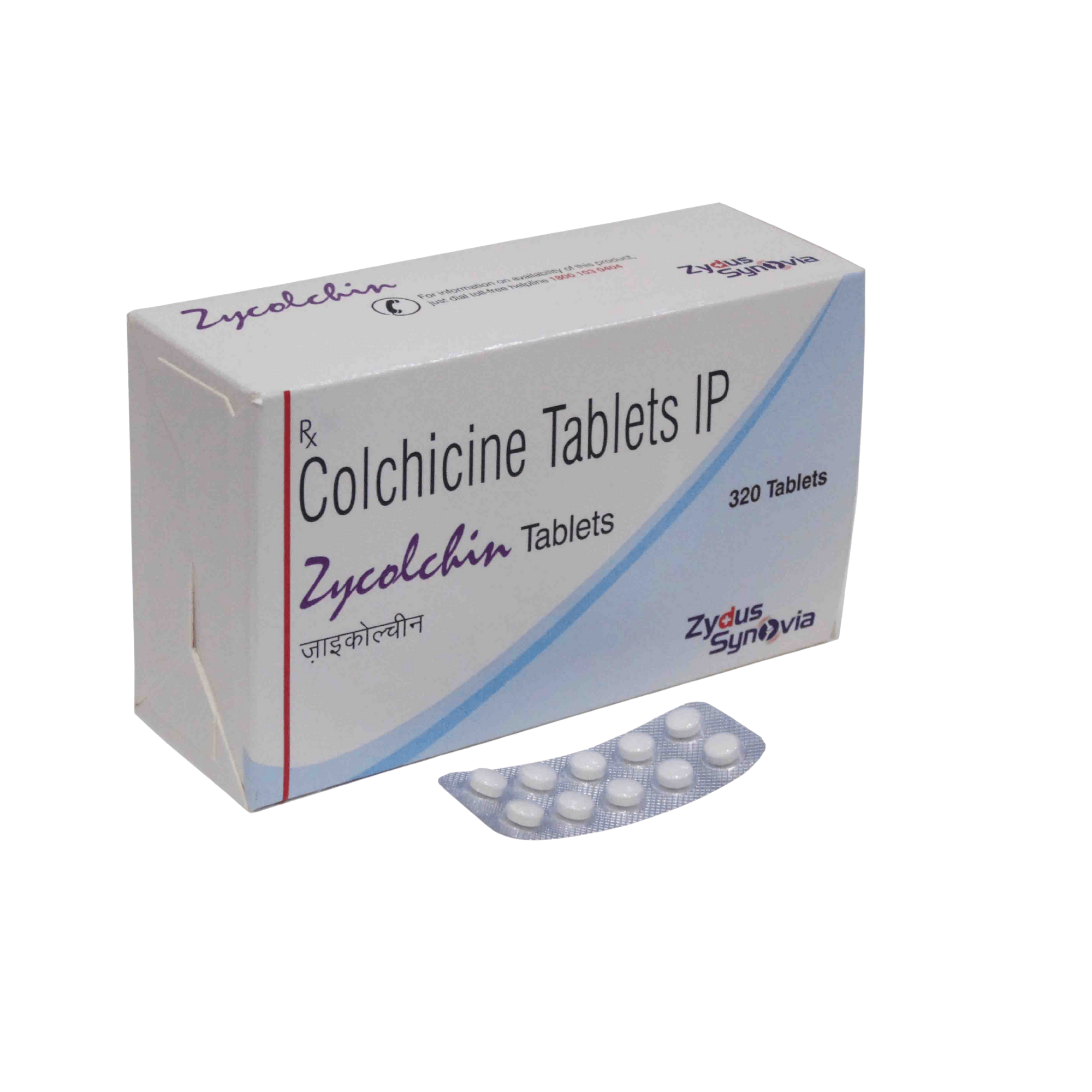
Zycolchin
Buy Zycolchin 0.5 mg Tablets Online
Secure Encrypted Payments
Zycolchin is a colchicine tablet used in gout care to help manage flare-related inflammation and, in some treatment plans, reduce future attacks. You can buy Zycolchin 0.5 mg tablets online, view the current cash price during ordering, and choose the quantity that matches your clinician’s directions. BorderFreeHealth supplies medications through licensed pharmacies, with US delivery from Canada available for this product.
Zycolchin 0.5 mg Price and Ordering Basics
Zycolchin 0.5 mg price depends on the tablet quantity shown at checkout and the current pharmacy supply source. The clearest way to estimate your out-of-pocket cost is to select the 0.5 mg tablet, choose the fill quantity that matches your treatment plan, and review the total before completing your order. This helps self-pay customers understand the Zycolchin 0.5 mg cash price without relying on unclear third-party estimates.
The 0.5 mg strength matters because colchicine dosing is narrow and should match the directions given for flare treatment or prevention. Do not substitute a different strength or take extra tablets to “catch up” unless your clinician has specifically told you how to do so. If your instructions mention colchicine but not Zycolchin by name, confirm the active ingredient, strength, and directions before use.
Customers who pay without insurance often compare cost by strength, tablet count, and country of origin. Zycolchin is listed with a country-of-origin attribute for India, which can help when matching the medicine to the version discussed with your healthcare professional. Packaging, manufacturer appearance, and tablet count can vary, so always rely on the label on the container you receive.
Quick tip: Keep a copy of your current medication list nearby when ordering so interaction questions are easier to answer.
What Zycolchin Is Used For
Zycolchin contains colchicine, an anti-inflammatory medicine commonly used in gout care. Gout is a form of inflammatory arthritis caused by urate crystals in joints and nearby tissues. During a flare, the immune system reacts strongly to those crystals, leading to sudden pain, swelling, heat, and tenderness. Zycolchin helps reduce the inflammatory response that drives those symptoms.
Typical Zycolchin tablet uses include treatment of an acute gout flare and prevention of recurrent flares in selected adults. It may also be used for familial Mediterranean fever under specialist care. These uses are different from urate-lowering therapy, which aims to reduce uric acid over time. Zycolchin can be part of a broader plan, but it does not replace long-term gout management when urate-lowering treatment is needed.
For condition background, our gout information explains why flares happen and why early treatment plans matter. If your clinician is treating familial Mediterranean fever, the familial Mediterranean fever section gives related condition context. These resources can help you prepare better questions, but your individual plan should come from a qualified healthcare professional.
How Colchicine Works in Gout Inflammation
Colchicine works by affecting how certain white blood cells move and respond to urate crystals. In plain terms, it helps calm the inflammatory chain reaction that makes a gout flare painful. It also influences inflammatory proteins involved in the flare process. This is why the medication is most useful when taken exactly as directed and, for flare regimens, usually as early as the plan allows.
Colchicine is not a painkiller in the same way as an opioid, and it is not a uric acid reducer. Its role is to reduce inflammation. Some people are also prescribed nonsteroidal anti-inflammatory drugs, corticosteroids, or urate-lowering medicines depending on kidney function, stomach risk, cardiovascular history, and flare frequency. The right combination depends on your diagnosis and medication history.
Because colchicine has a narrow safety margin, more is not better. Taking doses too close together or repeating flare courses without guidance can increase toxicity risk. If your flare symptoms continue, contact your clinician rather than increasing the amount on your own.
Dosage, Timing, and Missed Doses
Zycolchin 0.5 mg dosage should follow your clinician’s directions for the reason it was recommended. For acute gout flares, colchicine is often started at the first sign of symptoms, using a defined early-dose schedule. For prevention, lower regular dosing may be used between attacks. Kidney function, liver function, age, and interacting medicines can all affect what schedule is appropriate.
Swallow tablets with water. Taking the tablet with food may help if your stomach feels upset, but food does not remove the need to follow the exact schedule. Avoid taking more tablets than directed for a flare or for a day. If you are unsure whether a flare course can be repeated, ask a healthcare professional before taking another course.
If you miss a prevention dose, take it when remembered unless it is close to the next scheduled dose. If the next dose is near, skip the missed tablet and return to your usual timing. Do not double up. If you miss a step in an acute flare schedule, contact a pharmacist or clinician for instructions, because timing can affect both benefit and safety.
People often ask why colchicine is sometimes limited to only a short flare course. The reason is safety. Colchicine can build up and cause serious toxicity, especially when kidneys or the liver do not clear it well or when interacting medicines raise blood levels.
Storage, Travel, and Handling
Store Zycolchin tablets at room temperature, away from moisture, heat, and direct light. Keep the tablets in the original container so the label, strength, lot information, and safety instructions remain with the medicine. Avoid storing colchicine in a bathroom cabinet that becomes steamy, and keep it out of reach of children and pets.
For travel, carry tablets in hand luggage rather than checked bags. Keeping the labeled container with you reduces confusion if you need to verify the medicine during a trip. A written medication list is also helpful if you use several drugs or have kidney, liver, heart, or diabetes medicines that may affect treatment choices.
If your order includes prompt, express shipping, plan refills before you are near your last tablet. Gout flares often need early treatment, so waiting until symptoms begin may leave you without medication when it is most useful. Refill planning is especially important for people who travel, have frequent flares, or use colchicine as prevention.
Benefits and Treatment Expectations
When used appropriately, colchicine can help reduce pain and swelling from gout inflammation. Many people value having a clear flare plan at home because gout attacks can start suddenly, often overnight. Prevention dosing may also reduce flare frequency in selected treatment plans, particularly while urate-lowering therapy is being adjusted.
Response timing varies. Some people notice improvement after the first doses of a flare regimen, while others need additional medical review if symptoms remain severe or a different condition is causing joint pain. A swollen, hot joint can sometimes signal infection, injury, or another inflammatory disease, so new or unusual symptoms should not be assumed to be gout automatically.
Tracking flares can make follow-up visits more useful. Record the date, affected joint, possible trigger, medicines taken, and how quickly symptoms improved. This can help your clinician decide whether Zycolchin remains appropriate, whether urate-lowering therapy should be adjusted, or whether another anti-inflammatory option is safer.
Side Effects, Warnings, and Monitoring
The most common Zycolchin side effects involve the digestive system. Nausea, vomiting, diarrhea, and abdominal pain can occur, and these symptoms may be early warning signs that the amount is too high for your body. Headache, fatigue, and rash are less common but possible. Contact a healthcare professional if side effects are persistent, severe, or unusual for you.
Serious colchicine toxicity is uncommon when used correctly, but it can be dangerous. Seek urgent care for severe vomiting or diarrhea, muscle pain with weakness, dark urine, unusual bruising or bleeding, fever, signs of infection, numbness, or severe fatigue. These symptoms can reflect low blood counts, muscle injury, nerve problems, or multi-organ toxicity. Older adults and people with kidney or liver impairment may need closer monitoring.
Colchicine can affect the kidneys indirectly when toxicity causes dehydration, muscle breakdown, or severe illness. Kidney disease can also raise colchicine levels because the body may clear the drug less efficiently. If you already have reduced kidney function, ask whether the dose, interval, or treatment choice needs adjustment.
Drug interactions are a major safety issue. Strong CYP3A4 inhibitors and P-gp inhibitors can increase colchicine exposure. Examples include clarithromycin, ketoconazole, ritonavir-containing antivirals, cyclosporine, and some other medicines. Certain statins and fibrates may increase the risk of muscle injury when combined with colchicine. Grapefruit products can also interact. Share all prescription medicines, over-the-counter drugs, vitamins, and supplements with your healthcare team.
People with severe kidney or liver disease, certain blood disorders, or prior serious reactions to colchicine may need a different treatment. Alcohol can worsen gout management and may increase dehydration risk during flares. Follow the monitoring plan recommended for your health history, especially if you use colchicine regularly.
Substitutes and Related Gout Options
A Zycolchin substitute is usually chosen based on the active ingredient, strength, reason for use, and safety profile. Another colchicine tablet may be considered if the strength and directions match what your clinician intends. Do not switch between strengths or products without confirming the label, because a small strength difference can matter with colchicine.
For flare pain and inflammation, some patients may use nonsteroidal anti-inflammatory drugs if appropriate. Corticosteroids may be considered for people who cannot use NSAIDs or colchicine. For long-term urate control, medicines such as allopurinol or febuxostat may be used to lower uric acid and reduce future flare risk. These medications serve a different purpose from Zycolchin, so they are not always direct replacements.
Our pain and inflammation category can help you browse related therapies that may be used in inflammatory conditions. The pain and inflammation articles provide broader education on symptom patterns, treatment discussions, and practical questions to raise during care planning.
Questions to Ask Before Using Zycolchin
Good questions can prevent dosing errors and reduce avoidable risk. Ask whether the plan is for flare treatment, prevention, or both. Confirm the exact tablet strength, how many tablets to take, how long to continue, and when to stop. If the plan includes repeat flare courses, ask how much time should pass before another course is considered.
Also ask how kidney or liver test results affect colchicine use. This is especially important if you are older, take several medications, or have a history of muscle disease. If you use a statin, fibrate, antibiotic, antifungal, transplant medicine, HIV medicine, or heart rhythm drug, confirm whether it interacts with colchicine.
Ask what symptoms should prompt urgent medical care. Severe diarrhea, vomiting, muscle weakness, dark urine, fever, unusual bleeding, or symptoms that do not fit your usual gout pattern deserve prompt attention. Clear stop-and-call instructions are particularly important for people using colchicine outside a clinic setting.
Authoritative Safety References
Colchicine safety information should be checked against official labeling and pharmacist guidance because interaction risk can change with your medication list. DailyMed and national drug databases publish drug-label information for colchicine products, but specific records can vary by manufacturer and market. Use official labeling, the container label you receive, and guidance from licensed healthcare professionals as your primary safety sources.
For practical self-management, keep an updated list of all medicines and supplements, note any kidney or liver diagnoses, and record prior side effects. This information helps healthcare professionals decide whether Zycolchin 0.5 mg tablets remain suitable or whether a different anti-inflammatory strategy is safer.
This content is for informational purposes only and is not a substitute for professional medical advice.
Express Shipping - from $29.99
Shipping with this method takes 3-5 days
Prices:
- Dry-Packed Products $29.99
- Cold-Packed Products $39.99
Shipping Countries:
- United States (all contiguous states**)
- Worldwide (excludes some countries***)
Standard Shipping - $19.99
Shipping with this method takes 5-10 days
Prices:
- Dry-Packed Products $19.99
- Not available for Cold-Packed products
Shipping Countries:
- United States (all contiguous states**)
- Worldwide (excludes some countries***)
What is Zycolchin Tablet used for?
Zycolchin contains colchicine and is used in gout care to reduce inflammation during flares and, in some plans, help prevent future attacks. It may also be used for familial Mediterranean fever under specialist care. Use depends on your diagnosis, kidney and liver function, and other medicines.
Does Zycolchin affect the kidneys?
Colchicine is not mainly used to treat kidney disease, but kidney function matters because reduced clearance can raise toxicity risk. Severe vomiting, diarrhea, dehydration, or muscle breakdown from toxicity can also harm the kidneys. People with kidney impairment should confirm dosing and monitoring with a healthcare professional.
Why is colchicine sometimes used for only a few days?
Short flare courses are often used because colchicine has a narrow safety margin. Taking too much or repeating courses too soon can cause serious side effects, especially with kidney or liver problems or interacting medicines. Follow the exact schedule provided for your situation.
What is a substitute for Zycolchin?
A substitute may be another colchicine tablet with a suitable strength, or a different gout-flare medicine such as an NSAID or corticosteroid if appropriate. Long-term urate-lowering medicines are not direct flare substitutes. A clinician should choose the alternative based on your health history and current medicines.
What are common Zycolchin side effects?
Common side effects include nausea, vomiting, diarrhea, and abdominal pain. These digestive symptoms can also be early signs of too much colchicine. Seek urgent help for severe diarrhea or vomiting, muscle weakness, dark urine, fever, unusual bleeding, or signs of infection.
Rewards Program
Earn points on birthdays, product orders, reviews, friend referrals, and more! Enjoy your medication at unparalleled discounts while reaping rewards for every step you take with us.
You can read more about rewards here.
POINT VALUE
How to earn points
- 1Create an account and start earning.
- 2Earn points every time you shop or perform certain actions.
- 3Redeem points for exclusive discounts.
You Might Also Like
Select options
This product has multiple variants. The options may be chosen on the product page
Select options
This product has multiple variants. The options may be chosen on the product page
Select options
This product has multiple variants. The options may be chosen on the product page
Select options
This product has multiple variants. The options may be chosen on the product page