

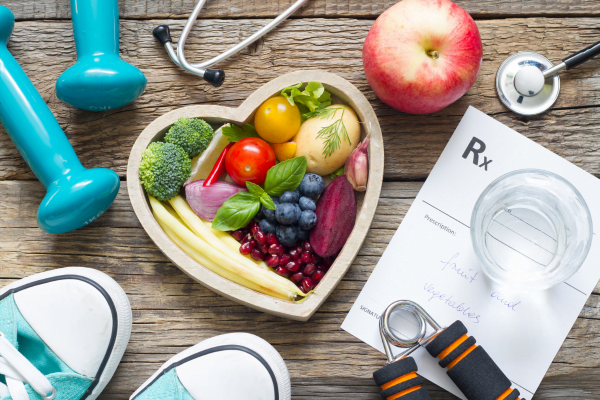
Superfoods for weight loss are not magic foods, but they can make healthier eating easier. The best choices pack fiber, protein, water, vitamins, minerals, and satisfying fats into reasonable portions. They support fullness and meal quality, which can help you stay consistent with an energy-aware eating pattern. No berry, seed, tea, or spice targets belly fat on its own.
The term superfood is more marketing shorthand than a medical category. Still, it can point you toward useful staples. This page focuses on practical food choices, portion awareness, and safety considerations for people trying to eat well while managing weight.
Key Takeaways
- No single food burns fat or guarantees weight loss.
- Fiber-rich foods can help meals feel more filling.
- Protein, produce, and healthy fats work best together.
- Calorie-dense foods still need portion awareness.
- Diabetes, kidney disease, pregnancy, and medications may change food needs.
What Superfoods for Weight Loss Can and Cannot Do
The main job of a nutrient-dense food is to improve the quality and staying power of your meals. It cannot override overall energy needs, medical conditions, sleep, stress, activity level, or medication effects. That is why a realistic plan works better than chasing a perfect food list.
Body fat changes when many factors interact over time. Food choices matter, but they work as part of a pattern. High-fiber foods may slow digestion and support fullness. Protein-rich foods can make meals more satisfying. Water-rich vegetables add volume without making the plate feel small. Unsaturated fats add flavor and texture, but they also add concentrated calories.
Many belly-fat claims stretch the evidence. Your body does not let you choose exactly where fat loss happens. Waist changes usually follow broader changes in eating patterns, movement, sleep, hormones, and health status. If a plan promises rapid fat loss from one ingredient, treat that claim with caution.
Why it matters: A food-first plan should reduce confusion, not create stricter rules.
A Realistic Shortlist of Foods Worth Keeping Around
A top 10 superfood list can inspire new meals, but it should not rank foods as universally best. The most useful choices are often affordable, familiar, and easy to repeat. Aim for foods that add fiber, protein, micronutrients, and flavor without making meals feel like punishment.
Leafy greens and cruciferous vegetables
Spinach, kale, romaine, cabbage, broccoli, cauliflower, and Brussels sprouts bring volume, fiber, and key micronutrients. They can help you build bigger meals with more texture and color. Add them to soups, omelets, grain bowls, tacos, or pasta rather than treating them as plain side salads only.
If you take warfarin or another medication affected by vitamin K, do not suddenly change your intake of leafy greens without clinical guidance. The goal is usually consistency, not avoidance, but your care team should guide that plan.
Berries, apples, and citrus
Berries offer fiber, water, and natural sweetness in a compact serving. Apples, oranges, grapefruit, and other citrus fruits can also make snacks more filling than sweets or juices. Whole fruit usually supports fullness better than fruit juice because it keeps the fiber and chewing experience intact.
Fruit still contains carbohydrate. If you monitor blood glucose, pair fruit with protein or fat, such as yogurt, cottage cheese, nuts, or tofu-based options. A registered dietitian can help you match portions to glucose patterns and medication needs.
Beans, oats, chia, and flax
Beans, lentils, oats, chia seeds, and ground flax are high-fiber staples. They can support a steadier appetite because fiber adds bulk and slows digestion. They also fit many budgets and cuisines, which makes them easier to keep in rotation.
Increase fiber slowly if your current intake is low. A sudden jump can cause gas, bloating, or discomfort. Drink enough fluid, and adjust portions if you have irritable bowel syndrome, gastroparesis, or another digestive condition.
Protein anchors and healthy fats
Eggs, Greek yogurt, cottage cheese, tofu, tempeh, fish, poultry, lean meats, and legumes can anchor meals. Protein does not need to dominate the plate, but it often helps meals last longer. Plant-based proteins can work well when you plan enough variety.
Avocado, nuts, seeds, olive oil, and fatty fish add unsaturated fats. These foods can be heart-friendly in balanced patterns, but portions still matter because fat is calorie-dense. For diabetes-focused context, the Avocados and Diabetes resource explains why portions and carbohydrate balance matter.
Fatty fish such as salmon, sardines, and trout provide omega-3 fats and protein. If you are comparing food sources with supplements, Omega-3 Health takes a cautious look at what omega-3s can and cannot do.
Metabolism Claims, Green Tea, and the Ozempic Mimic Myth
Green tea, coffee, cinnamon, ginger, turmeric, and spicy foods often appear in weight-loss food lists. They can add flavor and ritual, which may help you replace higher-calorie drinks or desserts. That does not mean they melt fat or replace balanced meals.
Green tea and coffee contain caffeine, which may affect alertness and appetite for some people. They can also worsen anxiety, reflux, palpitations, or sleep problems. Cinnamon can make foods taste sweeter without adding sugar, but it is not a diabetes treatment. Use spices as flavor tools, not medical substitutes.
No three ingredients mimic Ozempic or other prescription GLP-1 receptor agonists. These medicines act through regulated pharmacologic pathways. Food choices can support nourishment and comfort for some people using these medicines, but foods do not copy the drug. If you are prescribed semaglutide, the Ozempic Diet resource discusses food comfort and balanced meals in that context.
People taking tirzepatide or other weight-management medicines may need to adjust meal size, hydration, protein intake, and side-effect triggers with their prescriber. The Mounjaro Diet Plan resource covers food planning considerations for that medication context. Do not start, stop, or change medication because of a food trend.
Portions Matter Even When Foods Are Nutrient-Dense
A practical approach to superfoods for weight loss starts with portion context. Nuts, avocado, seeds, olive oil, granola, smoothies, and dried fruit can be nutritious and easy to overdo. That does not make them bad. It means they need a clear role in the meal.
Think in patterns instead of rules. A filling plate often includes a protein anchor, high-fiber carbohydrate, colorful produce, and a small amount of satisfying fat. This structure can reduce grazing because the meal has enough texture, volume, and flavor.
The calorie calculator below can estimate general daily energy needs from basic inputs. It can help frame portion discussions, but it cannot create a personalized medical or nutrition plan.
Calorie & TDEE Calculator
Estimate resting energy needs and daily calorie range from age, sex, body size, and activity level.
Hold Ctrl or Cmd to select more than one calculator.
These calculations are for education only and do not replace clinical advice, diagnosis, or treatment. Always confirm medical decisions with a qualified healthcare professional.
Use any estimate as a starting point for awareness. Your actual needs can differ because of body composition, medications, illness, activity changes, menopause, pregnancy, and weight history.
- Start with volume: Add vegetables or fruit before cutting foods away.
- Pair your carbs: Combine grains or fruit with protein or fat.
- Measure dense add-ons: Use a spoon for oils, nuts, and seeds.
- Increase fiber slowly: Give your gut time to adapt.
- Plan satisfying snacks: Choose protein, fiber, or both.
- Watch liquid calories: Smoothies, juices, and sweet drinks add up quickly.
Meal Ideas That Turn Nutrient-Dense Foods Into Habits
Superfood recipes work best when they use everyday ingredients. You do not need expensive powders or rare berries. You need meals you can repeat when life is busy.
- Berry yogurt bowl: Greek yogurt, berries, chia, and a small nut topping.
- Oatmeal upgrade: Oats with flax, cinnamon, apple, and milk or soy milk.
- Leafy grain bowl: Greens, beans, quinoa, salsa, avocado, and lime.
- Lentil soup: Lentils, carrots, tomatoes, spinach, herbs, and broth.
- Protein plate: Fish or tofu with roasted vegetables and sweet potato.
- Crunchy snack: Apple slices with nut butter or cottage cheese.
Quick tip: Keep pre-washed produce, cooked grains, and protein options ready.
For more lifestyle-focused reading, browse the Weight Management hub. Use it as a navigation point for broader eating, activity, and treatment topics.
When to Personalize Your Food Choices
Most adults can safely add more vegetables, whole fruit, beans, and minimally processed proteins. Still, some situations deserve tailored guidance. More fiber, fewer calories, or different meal timing can affect symptoms, labs, and medication response.
- Diabetes medications: Changing carbohydrate intake may affect glucose patterns or hypoglycemia risk.
- Kidney disease: Potassium, phosphorus, protein, sodium, and fluid needs may vary.
- Pregnancy or breastfeeding: Weight and nutrient goals need individualized care.
- Digestive conditions: High-fiber foods may worsen symptoms for some people.
- Eating disorder history: Weight-loss rules can trigger harmful patterns.
- Unexplained changes: Sudden weight loss, swelling, or appetite change needs medical review.
If insulin resistance is part of your health picture, Insulin Resistance Treatment covers broader medical and lifestyle context. People with kidney disease should seek tailored advice; the Chronic Kidney Disease Diet resource explains why some common healthy foods may need limits.
Ask a clinician or registered dietitian for help if you have repeated high or low blood glucose readings, kidney disease, gastroparesis, pregnancy, or a history of disordered eating. Support should make eating safer and less stressful.
Food Is One Tool, Not the Whole Plan
Healthy foods can support weight management, but they are only one part of the picture. Sleep, stress, pain, mood, hormones, mobility, work schedules, family demands, and medication side effects can all change appetite and energy use. Blaming yourself for needing more support is not helpful or accurate.
Be cautious with plans that promise to lose a large amount of weight very quickly. Rapid-loss approaches can be hard to sustain and may increase the risk of nutrient gaps, gallbladder symptoms, dehydration, or disordered eating patterns in some people. A safer plan is usually steady, flexible, and medically aware.
If lifestyle changes are not enough, Weight Loss Treatments outlines broader options to discuss with a healthcare professional. Nutrition remains important, but medical care can help identify conditions, medications, or barriers that food lists cannot solve.
Authoritative Sources
The sources below support general nutrition and weight-management principles. They do not replace personalized care from your healthcare team.
- For broad U.S. eating-pattern guidance, the federal Dietary Guidelines for Americans summarizes evidence-based nutrition priorities.
- For behavior-based weight management, public health guidance from CDC Healthy Weight covers sustainable habit changes.
- For diabetes-specific meal planning, patient education from the American Diabetes Association explains carbohydrate awareness and balanced meals.
Used wisely, superfoods for weight loss are everyday foods that help meals feel filling, colorful, and realistic. Choose staples you enjoy, build meals around them, and ask for medical or dietitian guidance when health conditions or medications shape your needs.
This content is for informational purposes only and is not a substitute for professional medical advice.


