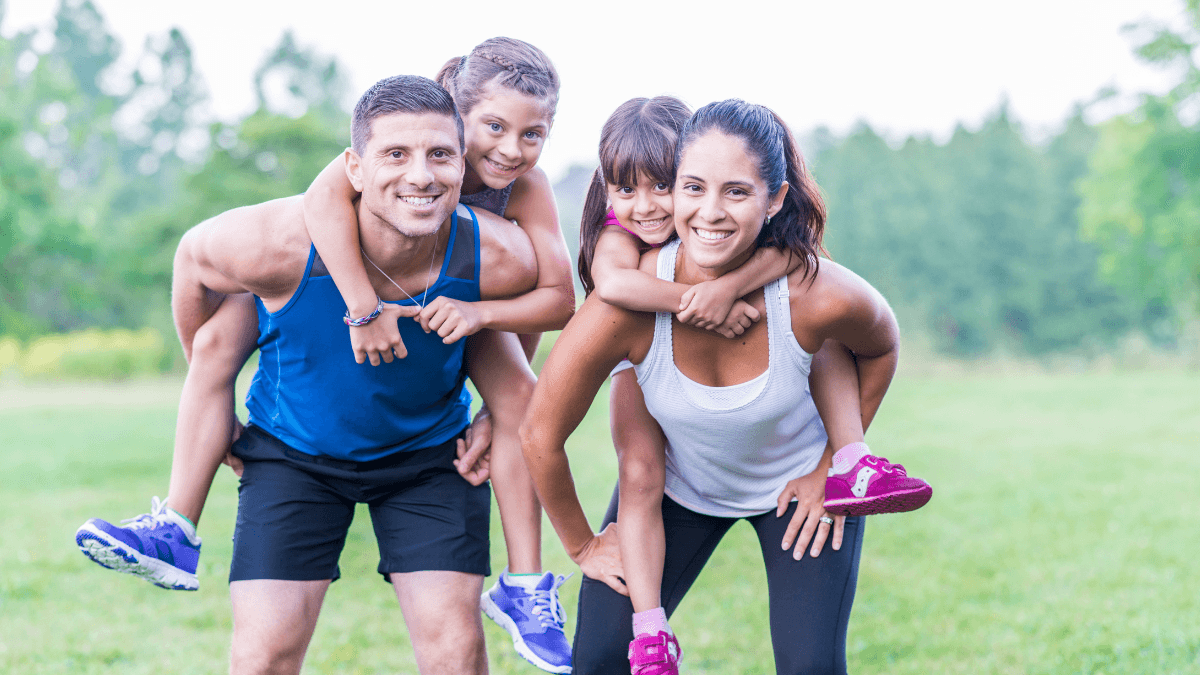
Family Health and Fitness Day Celebration Ideas for Wellness work best when they are simple, shared, and safe. Choose a few activities that combine movement, food, connection, rest, and preventive health. The goal is not athletic performance. It is helping every family member feel included while practicing habits that can continue after one calendar day.
You do not need a large event, perfect weather, or special equipment. A short walk, a healthy picnic, an active game, and a calm wind-down can be enough. If someone in your household has a disability, chronic condition, injury, pregnancy, or low fitness level, build the day around comfort and safety first.
Key Takeaways
- Keep it inclusive: Offer options for different ages, bodies, and energy levels.
- Mix wellness areas: Include movement, food, sleep, stress relief, and connection.
- Use shortcuts carefully: Wellness rules can help, but they are not medical standards.
- Plan for safety: Prepare water, shade, medications, and an easy stop option.
- Make it repeatable: Turn one celebration into one small weekly habit.
How to Plan Family Health and Fitness Day Without Overdoing It
A good celebration starts with one clear purpose: help your family move together in a way that feels good. Some communities recognize National Family Health and Fitness Day through parks, schools, recreation programs, or workplace wellness events. Dates and names can vary by organization, so check the calendar used by your local group.
Why this matters: families often build health habits through shared routines. Children notice what adults repeat. Adults benefit when activity feels social instead of isolated. Older relatives may feel more supported when wellness is framed as togetherness, not pressure.
Think of the day as a small wellness festival at home, in a park, or around your neighborhood. Several short stations often work better than one long workout. Short blocks help younger children, older adults, and beginners stay engaged.
- Move together: Walk, dance, stretch, bike, garden, or play catch.
- Eat together: Pack colorful foods, water, and balanced snacks.
- Connect emotionally: Share gratitude, goals, or screen-free conversation.
- Learn together: Discuss sleep, hydration, food labels, or preventive care.
- Rest together: End with breathing, quiet music, or gentle stretching.
A useful rule is to choose one active idea, one food idea, and one connection idea. That keeps the day manageable. It also helps families avoid turning a celebration into another stressful task.
Quick tip: Let each person choose one activity so the day feels shared.
Choose Activities That Fit Your Family
The best Family Health and Fitness Day activities match the people in front of you. A preschooler, a teen athlete, a parent with joint pain, and a grandparent may all need different versions of the same activity. Give everyone a role, even if they are not doing the most intense movement.
Outdoor family fitness activities can be as simple as a walking challenge, a slow bike ride, a playground circuit, or a scavenger hunt. In a park, you can turn benches, trees, paths, and open grass into activity stations. One person can choose a stretch. Another can lead a balance challenge. Someone else can track water breaks.
At home, use rooms, hallways, music, and household items. A living-room dance party can work well when weather is poor. A hallway sock toss can replace a ball game. A low-impact obstacle course can include stepping over cushions, carrying a soft object, and walking backward safely with supervision.
For mixed ages, offer three intensity levels. For example, a family walking challenge can include a short loop, a medium loop, and a longer route. A family obstacle course can include crawling, stepping, or simply cheering and timing. Participation matters more than completing every station.
- Park idea: Walk one trail, then play a short game.
- Bike idea: Choose a flat route and set rest stops.
- Indoor idea: Rotate dance, stretching, tossing, and balance stations.
- Mindfulness idea: Try three slow breaths before each activity.
- Food idea: Build a picnic with water, fruit, protein, and whole grains.
If a family member is managing a long-term condition, adapt the plan instead of excluding them. For broader lifestyle context, see Thriving With Chronic Illness. A supportive plan can include seated stretches, shorter walks, gentle gardening, or a role as scorekeeper, photographer, playlist leader, or route planner.
Simple Wellness Rules Without the Confusion
Wellness rules can be useful memory aids, but they are not all official medical guidance. Families often see short phrases online, then wonder which one to follow. Use them as conversation starters, not rigid health laws.
The 7 Pillars as a Planning Lens
The 7 pillars of wellness usually refer to broad areas of well-being. Lists vary, but they often include physical, emotional, social, intellectual, spiritual or purpose-based, environmental, and occupational or financial wellness. For families, these pillars can prevent the day from becoming only about exercise.
Physical wellness may involve walking, biking, stretching, or active games. Emotional wellness can include naming feelings after a busy week. Social wellness may mean inviting relatives, neighbors, or another family. Intellectual wellness can involve learning a new recipe or reading a food label. Environmental wellness might mean cleaning a park area or planting herbs. Purpose and financial wellness can include volunteering, budgeting for health needs, or planning preventive care.
The 3-3-3 Rule as a Habit Cue
There is no single official 3 3 3 rule for health. In some contexts, people use a 3-3-3 grounding technique for anxiety, such as noticing three things you see, hear, and feel or move. In family wellness planning, you can adapt the idea carefully: choose three minutes to plan, three short movement breaks, and three calming moments.
This version is not a clinical rule. It is a simple way to make a busy day less overwhelming. If someone uses grounding exercises for anxiety or panic symptoms, they should follow guidance from their clinician or therapist. For practical stress context, read The Science of Stress or review Simple Grounding Steps.
Be Careful With 5-3-1 Shortcuts
The 5-3-1 rule for wellness is not a universal standard. Different schools, coaches, and wellness programs may define it differently. Before using it, ask what each number means. A family version might mean five colorful foods, three connection moments, and one shared activity. Another program may mean something else entirely.
When in doubt, use plain goals instead of slogans. Move more than usual. Drink water. Eat together. Sleep on a consistent schedule when possible. Ask for help when symptoms, stress, or medications make activity harder.
A Flexible Plan for a Family Wellness Celebration
A loose schedule helps families start without overplanning. Treat the following as a menu, not a rulebook. Swap activities based on weather, safety, age, mobility, and interest.
| Part of Day | Celebration Idea | Wellness Benefit |
|---|---|---|
| Morning | Take a short family walk or neighborhood scavenger hunt. | Builds gentle movement and conversation early. |
| Late morning | Create a backyard or living-room obstacle course. | Adds play, balance, coordination, and laughter. |
| Midday | Pack a healthy picnic with water and colorful foods. | Connects nutrition with shared time. |
| Afternoon | Try a bike ride, dance playlist, frisbee, or active board game twist. | Lets different personalities choose movement. |
| Evening | Stretch, breathe, and choose one weekly habit. | Turns the celebration into a routine. |
Healthy picnic ideas do not need to be complicated. Aim for foods that travel well and feel familiar. Try sandwiches with lean protein, hummus and vegetables, fruit, yogurt, nuts when allergy-safe, whole-grain crackers, and plenty of water. If children help pack the meal, they may be more willing to try something new.
Example: a family with limited time might do a 20-minute walk, a picnic on the porch, and a five-minute gratitude circle. Another family might spend half a day at a park with trail walking, soccer, and a quiet cool-down. Both celebrations count.
Family Health and Fitness Day Celebration Ideas for Wellness should leave people feeling capable. If the plan creates arguments, fatigue, or embarrassment, scale it down. A smaller tradition is easier to repeat.
Safety, Medications, and Inclusion
Safety planning should happen before the first activity starts. Check weather, footwear, route conditions, allergies, and hydration. Make sure adults know where medications, emergency contacts, and basic first-aid supplies are kept. Choose a clear stop signal so anyone can pause without feeling guilty.
Seek urgent help for chest pain, fainting, severe shortness of breath, signs of heat illness, sudden weakness, confusion, or symptoms that feel frightening or unusual. For less urgent concerns, note what happened and ask a healthcare professional what level of activity is appropriate.
Medication side effects can affect how a family member feels during activity. Do not stop, start, or change a prescription because of a family fitness event unless a qualified clinician tells you to. If prescription access or affordability is part of a household wellness folder, BorderFreeHealth may connect eligible U.S. patients with licensed Canadian partner pharmacies, subject to jurisdiction and prescription requirements.
Inclusion also means respecting energy, privacy, culture, and body image. Avoid weigh-ins, public comparisons, or rewards based only on speed. Praise effort, teamwork, curiosity, and consistency. A child who tries a new vegetable, a teen who leads music, and an older adult who joins a short walk all contribute to the celebration.
Why it matters: Shame can push people away from movement, while shared choice supports trust.
Preventive health can be part of the day, too. Adults can use the event to schedule overdue checkups, update family health histories, or talk about screenings. For one practical example, see Regular Health Screenings for Men. Keep the tone supportive, especially if someone has avoided care because of fear, cost, or past experiences.
Turn One Day Into a Family Wellness Plan
The strongest family health activities lead to one repeatable habit. After the celebration, ask each person what felt enjoyable, what felt too hard, and what they would do again. This short reflection helps you build a family wellness plan that respects real life.
Use a simple checklist after the event:
- Pick one habit: Choose a weekly walk, game night, or meal prep time.
- Assign roles: Let one person choose music, route, food, or timing.
- Lower barriers: Keep shoes, water bottles, or picnic items ready.
- Track gently: Use stickers, notes, or a shared calendar.
- Plan rest: Protect sleep and recovery after busy days.
- Review monthly: Ask what still feels realistic.
Do not overlook mental and social wellness. A family mindfulness activity can be brief: three slow breaths, a one-word mood check, or a quiet minute outside. A service activity can also support wellness, such as helping a neighbor, cleaning a trail, or preparing a meal for someone recovering from illness.
Family fitness challenge ideas should avoid shame. Instead of tracking weight or appearance, track shared minutes, completed walks, new foods tried, or screen-free evenings. Celebrate consistency. If someone misses a week, restart without blame.
Costs can also shape health planning. Keep those conversations practical and private. A family wellness folder may include medication lists, allergies, appointment notes, insurance details when applicable, and questions for clinicians. You can also browse the General Health collection for related prevention and wellness topics.
Authoritative Sources
- For national activity guidance, review the Physical Activity Guidelines for Americans.
- The CDC benefits of physical activity resource explains broad health benefits.
- For food planning basics, see the CDC healthy eating guidance for families.
Recap: Keep the Celebration Realistic
A meaningful celebration does not require a perfect plan. Start with one shared activity, one nourishing meal or snack, and one conversation about what your family wants to repeat. The most useful tradition is the one people can return to without dread.
Family Health and Fitness Day Celebration Ideas for Wellness can also change over time. Young children may enjoy games and scavenger hunts. Teens may prefer music, sports, or choosing the route. Older adults may appreciate shorter walks, seated movement, or a social role. Let the tradition grow with your household.
This content is for informational purposes only and is not a substitute for professional medical advice.