
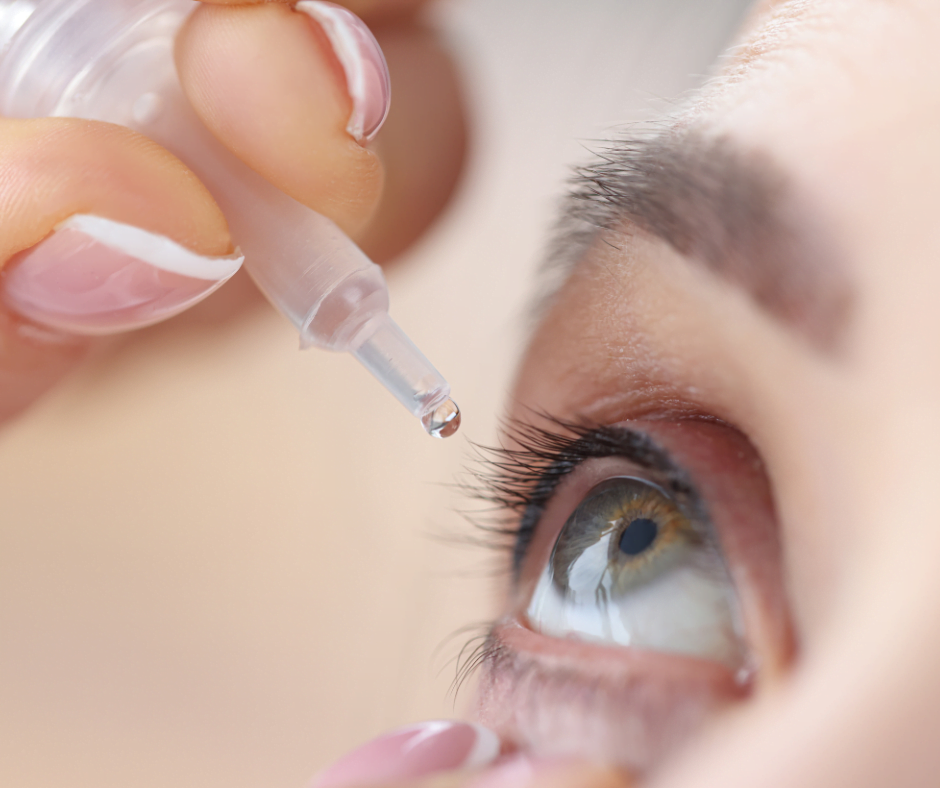
Restasis vs Xiidra is not a simple stronger-or-weaker choice. Both are prescription eye drops used in dry eye care, but they target inflammation differently, have different side effect patterns, and may fit different access or coverage situations. The best option depends on your diagnosis, symptoms, eye exam findings, other treatments, and how you tolerate each medicine.
If your eyes burn, water, sting, blur, or feel gritty every day, the comparison matters. Chronic dry eye can affect reading, driving, screen work, and sleep. A clear discussion with an eye clinician can help you avoid switching medicines too quickly, staying on a poor fit too long, or overlooking another cause of symptoms.
Key Takeaways
- Different mechanisms: Restasis contains cyclosporine, while Xiidra contains lifitegrast.
- No universal winner: Response depends on the type and severity of ocular dryness.
- Side effects differ: Burning, irritation, taste changes, and blurred vision can affect adherence.
- Cost varies: Brand status, generics, coverage, and pharmacy access can change out-of-pocket costs.
- Alternatives exist: Artificial tears, other prescriptions, procedures, and lid care may matter.
Restasis vs Xiidra: Key Differences at a Glance
This comparison is a decision framework, not a substitute for an eye exam. Dry eye symptoms can come from low tear production, fast tear evaporation, eyelid inflammation, medication effects, autoimmune disease, or several factors at once.
| Factor | Restasis | Xiidra | Why It Matters |
|---|---|---|---|
| Active ingredient | Cyclosporine, a calcineurin inhibitor (immune-signal blocker) | Lifitegrast, an LFA-1 antagonist (immune-cell adhesion blocker) | They both affect inflammation, but through different immune pathways. |
| Labeled role | Used to increase tear production in certain inflammatory dry eye cases | Used to treat signs and symptoms of dry eye disease | The wording reflects different trial endpoints and labeled indications. |
| Symptom fit | Often discussed when tear production and inflammation are key issues | Often discussed when symptoms and inflammatory signs are prominent | Your clinician may match treatment to exam findings, not symptoms alone. |
| Common tolerability issues | Burning, stinging, redness, tearing, or blurred vision may occur | Irritation, discomfort, unusual taste, or blurred vision may occur | A medicine only helps if you can use it as directed. |
| Cost context | Generic cyclosporine options may affect cash or plan costs | Brand status and coverage rules may affect access | Lower cost does not always mean the best clinical match. |
Use a Restasis vs Xiidra discussion to organize your questions. It should not replace a full dry eye workup, especially if symptoms are severe, one-sided, sudden, or linked with other health conditions.
How the Two Medicines Work in Dry Eye
Both medicines are used for inflammatory dry eye, but they do not act the same way. Restasis contains cyclosporine, which helps quiet immune signaling on the eye surface. In the labeled setting, that may support tear production when inflammation is part of the problem.
Xiidra contains lifitegrast. It blocks an interaction involving LFA-1 and ICAM-1, which are proteins involved in T-cell (immune cell) activity. In plain terms, it aims to reduce inflammatory signaling that can worsen dry eye signs and symptoms.
Neither medicine is the same as an artificial tear. Lubricating drops can wet the eye surface quickly, while prescription anti-inflammatory drops are meant to address an underlying inflammatory process. That difference explains why some people still need supportive measures, such as preservative-free tears, lid hygiene, humidification, or contact lens adjustments.
For more background on cyclosporine-based care, see the Restasis Practical Guide. For lifitegrast-focused context, the Xiidra Eye Drops resource may help you prepare for a clinician visit.
Two shortcuts can mislead patients. Celebrity routines, including searches about Jennifer Aniston and dry eye, are not a medical standard. The healthiest eye drop is also not one brand; it is the product that fits the diagnosed cause, is used as labeled, and does not irritate your eyes.
Effectiveness Depends on the Type of Dry Eye
The honest Restasis vs Xiidra effectiveness answer is that neither medicine is best for everyone. Their clinical studies used different designs, endpoints, and patient groups. That makes simple head-to-head claims unreliable unless your clinician is applying them to your exam findings.
Symptoms and signs do not always match. A person can feel intense burning with mild staining, or have visible surface damage with fewer symptoms. Your eye clinician may look at tear breakup time, staining, eyelid margins, tear volume, inflammation, contact lens fit, and medication history before choosing a prescription.
Inflammatory dryness is only one pattern
Some dry eye is mainly aqueous-deficient, meaning the eye does not make enough watery tears. Some is mainly evaporative, where tears break down too quickly, often because oil glands in the eyelids are not working well. Many people have both patterns.
This matters because an anti-inflammatory prescription may be only one part of care. Warm compresses, eyelid cleaning, tear substitutes, environmental changes, and treatment for allergies or eyelid disease may influence comfort. If symptoms worsen despite treatment, the diagnosis may need a second look.
Exam findings help set expectations
Eye clinicians often judge progress by both comfort and surface health. If burning improves but staining remains, or if tears improve but vision still fluctuates, the care plan may need adjustment. Do not stop or switch prescription drops without medical guidance, because timing and response can vary.
Age can also change tear quality, eyelid function, and focusing comfort. If dryness overlaps with glare, blurry vision, or night driving trouble, the Vision Changes With Age resource can help you separate common aging changes from symptoms that need prompt evaluation.
Safety, Side Effects, and When to Call a Clinician
A Restasis vs Xiidra side effects comparison should focus on tolerability and warning signs. Most reported side effects involve the eyes or nearby sensations, but any new medicine can cause unexpected reactions.
Restasis may cause burning, stinging, redness, watery eyes, discharge, eye pain, foreign body sensation, itching, or blurred vision. Xiidra may cause irritation, discomfort, blurred vision, unusual taste, or foreign body sensation. These effects do not happen to everyone, and severity can vary.
Why it matters: A side effect that sounds minor can still disrupt daily use.
Call an eye clinician promptly if you develop severe eye pain, sudden vision changes, intense redness, light sensitivity, thick discharge, swelling, rash, or symptoms of an allergic reaction. Seek urgent care for sudden vision loss, eye injury, chemical exposure, or severe pain.
Tell your clinician about contact lens use, pregnancy, breastfeeding, recent eye surgery, eye infections, allergies, and all eye drops you use. Prescription drops, artificial tears, allergy drops, steroid drops, and antibiotic drops can overlap in confusing ways. The safest plan is the one your clinician can see clearly.
If you want more detail on cyclosporine tolerability, review Restasis Side Effects. Use that information to ask better questions, not to self-diagnose a reaction.
Cost and Access Factors Without Oversimplifying Care
Cost often drives Restasis vs Xiidra decisions, but the cheapest option is not always the right option. Out-of-pocket cost may depend on brand status, generic availability, plan rules, deductibles, coupons, pharmacy sourcing, and whether a prior authorization is required.
A cheaper alternative to Xiidra may mean generic cyclosporine, another covered prescription, preservative-free artificial tears for milder symptoms, or a procedure such as punctal plugs. Yet cheaper does not automatically mean safer, more effective, or appropriate for your type of dryness.
BorderFreeHealth connects U.S. patients with licensed Canadian pharmacy partners for eligible prescriptions. When required, prescription details are checked with the prescriber before pharmacy dispensing. For some patients without insurance, cash-pay cross-border options may be considered, subject to eligibility and jurisdiction.
For medication navigation, you can review product details for Restasis and Xiidra Ophthalmic Solution. The Ophthalmology Products list can also help you see related eye-care categories in one place.
Where Related Dry Eye Options Fit
Related treatments are not interchangeable, even when they all sit under the dry eye umbrella. Some target inflammation. Some improve lubrication. Others address tear evaporation, eyelid disease, allergies, or short-term flares.
Cyclosporine products may differ by formulation, and some people ask about Cequa, Vevye, or generic cyclosporine. Miebo is discussed for evaporative dry eye because it works differently from immune-modulating drops. Short courses of steroid eye drops may be used in selected situations, but they require supervision because they can raise eye pressure or increase infection risk in some patients.
People also ask about the healthiest eye drops for dry eyes. There is no single healthiest brand. Preservative-free artificial tears may be easier for frequent use, while prescription drops fit diagnosed inflammation. Redness-relief drops and leftover antibiotic or steroid drops can cause problems if used without guidance.
Sjögren’s syndrome, an autoimmune condition that can cause severe dryness, needs special care planning. Prescription dry eye drops may be part of treatment, but many patients also need systemic care, dental support, oral dryness management, and monitoring for complications.
For broader browsing, the Ophthalmology Articles hub collects eye-health topics that may help you prepare for future appointments.
Practical Questions to Bring to Your Eye Appointment
The best comparison starts with your daily experience and your exam results. Bring a complete list of eye drops, contact lens products, supplements, allergy medicines, sleep aids, acne medicines, antidepressants, antihistamines, and autoimmune treatments. Many products can affect dryness or blur.
- Symptom pattern: Ask what type of dry eye seems most likely.
- Exam markers: Ask which signs will show whether treatment is helping.
- Side effect plan: Ask which symptoms should trigger a call.
- Contact lenses: Ask how lens wear affects treatment timing.
- Supportive care: Ask which artificial tears or lid routines fit.
- Cost options: Ask whether generics or alternatives are reasonable.
Quick tip: Take photos of every eye product you use before the visit.
Example: someone with burning at a computer may assume they need a stronger prescription. An exam might instead show evaporative dryness from eyelid gland dysfunction, screen-related blinking changes, or allergy overlap. Another person with mild symptoms may have significant surface staining that needs close follow-up. The same symptom word can point to different care plans.
Restasis vs Xiidra is therefore a conversation starter. It helps you compare mechanisms, tolerability, access, and related options without reducing dry eye care to a brand choice.
Authoritative Sources
- For cyclosporine labeling details, the FDA Restasis prescribing information lists approved use and adverse reactions.
- For lifitegrast labeling details, the FDA Xiidra prescribing information lists indication and safety information.
- For a broader patient-level dry eye overview, the American Academy of Ophthalmology dry eye overview explains causes and care approaches.
A balanced choice depends on comfort, surface health, safety, and access. If symptoms persist, worsen, or interfere with daily life, ask an eye clinician to reassess the diagnosis and the full care plan.
This content is for informational purposes only and is not a substitute for professional medical advice.


