

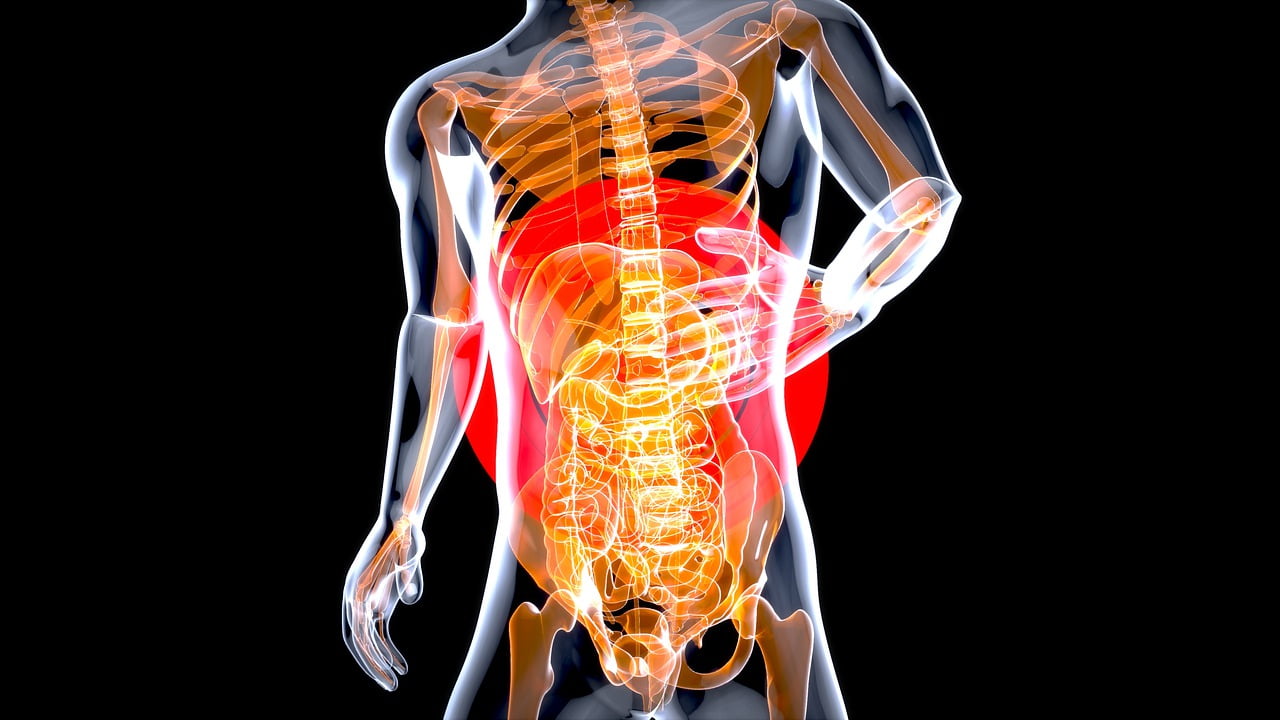
The gut kidney axis offers a promising path to support kidney function through everyday gut care. You deserve actionable steps that respect your clinical plan while improving comfort, energy, and quality of life.
Key Takeaways
- Microbiome matters: Gut microbes influence inflammation and kidney load.
- Small steps add up: Fiber diversity and sleep support the axis.
- Safety first: Check supplements and probiotics with your team.
- Track changes: Monitor labs, symptoms, and medication interactions.
Understanding the gut kidney axis
Your intestines and kidneys communicate constantly through immune signals and microbial metabolites. When the gut barrier weakens, bacterial fragments and toxins can enter the bloodstream. Kidneys then face a heavier filtration load, which may worsen inflammation and metabolic stress. This two-way feedback loop means that even modest gut improvements can help reduce strain on renal pathways over time.
Researchers describe several mechanisms behind this connection. Dysbiosis (microbial imbalance) can increase toxin precursors while lowering helpful short-chain fatty acids (SCFAs). Reduced SCFAs weaken the intestinal lining and may activate inflammatory pathways. Meanwhile, fluid shifts, acidosis, and dietary restrictions in kidney conditions can further disrupt gut ecology. Supporting microbial balance aims to interrupt this cycle and protect downstream kidney health.
Why the Microbiome Matters in CKD Progression
Changes in gut communities show up early in chronic kidney disease, long before major symptoms appear. Microbes help metabolize proteins, fibers, and bile acids; when this ecosystem tilts, harmful metabolites rise while protective ones fall. A steadier microbiome may lower inflammation and support nutrient absorption, which can benefit energy, appetite, and day-to-day comfort.
For high-level basics and patient-focused information, the National Institute of Diabetes and Digestive and Kidney Diseases offers a clear kidney disease overview that explains definitions and care goals. Use that foundation to frame microbiome steps, and then personalize changes with your care team to align with your stage, labs, and medications.
Stage Overview and Monitoring
Understanding chronic kidney disease stages helps you tailor nutrition, fiber amounts, and hydration targets. Stage-based plans can shape protein choices, potassium limits, and phosphate control. Keep an eye on eGFR trends, urine albumin-to-creatinine ratio, electrolytes, and acid-base status. These labs inform how aggressively to add fiber or adjust binders, and when to escalate medical therapies.
Discuss how your clinician wants you to titrate diet changes across visits. People at earlier stages may tolerate broader vegetable and legume options. Advanced stages often require more precise portions and monitoring. Document symptoms, bowel habits, and any supplement reactions. Clear records make it easier to connect gut changes with lab movement and clinical decisions.
Recognizing Symptoms and Overlaps
Some digestive issues overlap with chronic kidney disease symptoms, including nausea, poor appetite, bloating, constipation, and taste changes. You might also notice restless sleep, brain fog, or skin itch. Flag new or worsening symptoms promptly, especially if they come with reduced urine output, swelling, or muscle cramps. Early attention may help prevent spirals.
Because multiple factors drive these symptoms, combine approaches. Gentle fiber diversity may improve stool form and regularity. Sleep hygiene and stress reduction can modulate gut motility through the brain–gut axis. For additional context on stress-driven flares, see our brief explainer on the Gut Brain Connection to understand how stress influences IBS-like discomfort.
Mapping the Kidney Microbiome and Metabolites
Several metabolite families help explain gut–renal cross-talk. SCFAs such as butyrate strengthen the intestinal barrier and may modulate immune tone. Conversely, nitrogenous waste byproducts and microbial derivatives can travel to the kidneys. Targeted nutrition strategies try to raise protective metabolites while lowering harmful ones.
Researchers discuss uremic toxins gut microbiota in relation to inflammation, vascular function, and fatigue. Trimethylamine N-oxide (TMAO), a metabolite from dietary choline and carnitine, is frequently studied in kidney populations. For a research summary on these pathways, you can review an accessible overview from the National Library of Medicine that discusses microbiome–kidney interactions and related metabolites. Use this knowledge to guide food choices and conversations with your nephrology team.
Food, Prebiotics, Probiotics, and Synbiotics
Nutrition underpins microbiome balance. Emphasize diverse, kidney-appropriate fibers: oats, peeled apples, cooked carrots, green beans, sourdough, and small portions of legumes if permitted. Rotate plant foods to feed different microbial groups. Adjust portions to your potassium and phosphate targets. Work with a renal dietitian to tailor fiber increases without disturbing electrolyte stability.
Probiotics are not one-size-fits-all. Strain matters, dose matters, and timing with meals can change tolerance. Safety comes first for people on immunosuppressants or with central lines. When discussing options, evidence often focuses on symptom relief, stool regularity, and toxin markers rather than dramatic lab changes. If you are exploring the best probiotics for kidney disease, ask your clinician to consider strains studied for urea, indoxyl sulfate, or bowel comfort in kidney populations.
Practical Week-By-Week Start
Begin with food-based prebiotics such as oats or peeled fruit most days. Add one new fiber at a time, holding each change for a full week. Track stool form, bloating, cramps, and weight. If tolerated, consider a single-strain probiotic trial for two to four weeks. Avoid blends with unnecessary herbal additives or high potassium ingredients. Discuss synbiotics (combined prebiotic plus probiotic) once your baseline is stable, since they may enhance adherence and simplicity. For patients with gut inflammation history, reviewing aminosalicylate options such as Asacol vs Pentasa can clarify how colonic anti-inflammatory therapy fits broader microbiome care.
People with prior IBD or IBS often need tailored plans. For background on maintenance options and cautions, see Pentasa Medication for how anti-inflammatory gut treatments may interact with diet changes. If spasms drive pain and irregularity, our explainer on Dicyclomine HCl For IBS provides context on antispasmodics while you pursue microbiome steps.
Safety and Common Concerns
People frequently ask: can probiotics cause kidney problems. Most over-the-counter products are considered low risk for the general public, yet individual risks vary. Immunocompromised patients, those with invasive lines, or people with severe pancreatitis require extra caution. Always document brand, strain, and dose so your clinicians can monitor safety and interactions.
Digestive enzyme supplements also deserve careful review. Some individuals tolerate them well, while others report cramps or reflux. If you are considering enzyme options to aid digestion, our primer on Creon Alternatives explains clinical use-cases and safety notes. After antibiotic courses, microbiome rebuilding may take time; for recurrent C. difficile discussions, see Dificid as a therapy reference and talk with your prescriber about prevention strategies.
Care Team, Medications, and Monitoring
Your clinical plan should remain central. Discuss chronic kidney disease treatment alongside any microbiome steps. Confirm whether binders, diuretics, bicarbonate, or blood pressure medications need timing changes around fiber or probiotics. Bring a list of all supplements to visits. This helps avoid duplications, high potassium additives, or unexpected drug–nutrient interactions.
For hyperkalemia management within nephrology care, your team may consider potassium binders such as Lokelma or Veltassa; these examples illustrate how medication strategies can align with dietary potassium goals. When phosphate control is needed, agents such as Renvela may be part of the plan. If you form calcium stones, citrate can be discussed; see K Citra Potassium Citrate 10meq for a product overview to inform your questions. For practice standards and risk reduction strategies, the international KDIGO CKD guideline outlines evidence-based recommendations your clinician may follow.
Screening and prevention deserve attention too. Longstanding bowel inflammation or anemia should prompt age-appropriate cancer screening; our Colorectal Cancer Overview summarizes key steps you can discuss with your doctor. Managing stress can ease motility swings and appetite; return to the Gut Brain Connection guide for simple routines that support resilience while you adjust nutrition and medications.
Recap
Your gut and kidneys talk to each other every day. By nourishing a steadier microbial community, protecting the intestinal barrier, and coordinating medications with diet, you may lighten renal workload and feel more comfortable. Small, consistent steps usually beat overhauls, especially when labs and symptoms guide your pace.
Partner closely with your clinicians and a renal dietitian. Keep a simple log, revise one change at a time, and protect safety at every step. Over weeks and months, these careful adjustments can support daily function and long-term kidney well-being.
Note: Track any new supplement, dose, and symptom changes, and share the list at every visit.
This content is for informational purposes only and is not a substitute for professional medical advice.


