
Please note: a valid prescription is required for all prescription medication.
Mexiletine
Buy Mexiletine Online
Secure Encrypted Payments
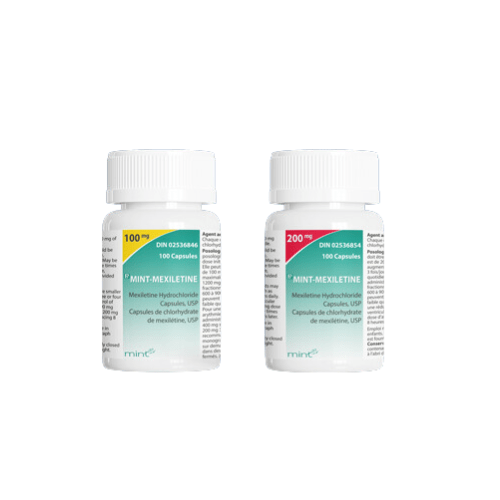
Mexiletine is an oral antiarrhythmic medicine used for documented, life-threatening ventricular rhythm problems. You can buy Mexiletine and choose the capsule strength shown during ordering so it matches your clinician’s directions. BorderFreeHealth provides a cash-pay option with US delivery from Canada through licensed pharmacy channels.
This medicine is intended for serious ventricular arrhythmias, not occasional palpitations or harmless extra beats. Because it can affect heart rhythm, blood pressure, the nervous system, and the liver, it should be used only with ongoing clinical monitoring and clear instructions from your care team.
Mexiletine Price, Strength Selection, and Ordering
Mexiletine price can vary by strength, quantity, manufacturer, and the supply source used for your order. Current cash-pay information is shown during checkout, allowing you to review the total before completing payment. If you are comparing mexiletine cost without insurance, match the strength and quantity to the directions you already use so the comparison is meaningful.
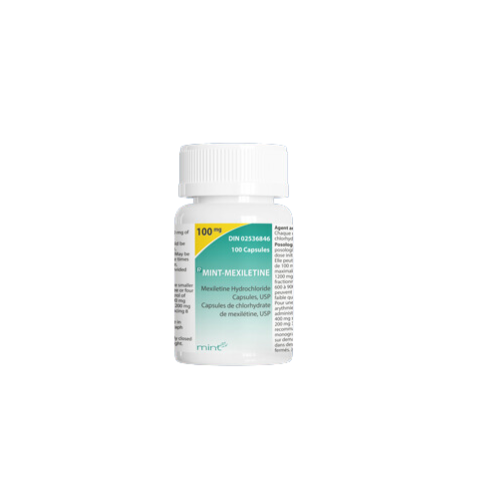
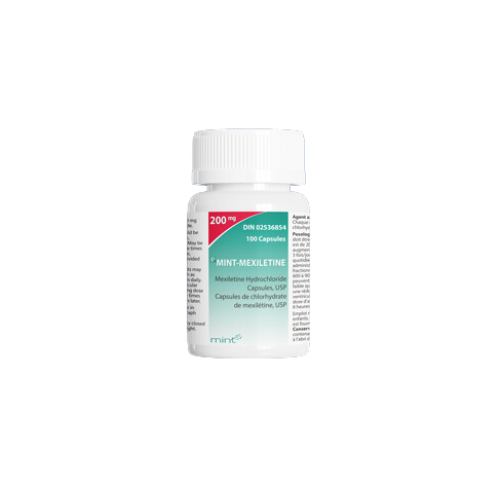
Common capsule strengths discussed in clinical and pharmacy settings include 100 mg and 200 mg capsules. Some markets may reference other strengths, such as mexiletine 150 mg or 250 mg, but the strength available to you depends on the product supply shown at the time you order. Select only the strength and quantity that align with your clinician’s treatment plan.
Longer fills may lower the number of reorder events, but they are not appropriate for everyone. Ask your clinician whether your rhythm has been stable enough for a larger quantity before changing refill timing. Keep your bottle label, monitoring schedule, and renewal dates together so you do not run short between follow-up visits.
Quick tip: Keep a written list of your current heart medicines, seizure medicines, antidepressants, antibiotics, supplements, caffeine intake, and smoking status, since these can affect mexiletine levels or tolerability.
What Mexiletine Treats
Mexiletine is used for documented, life-threatening ventricular arrhythmias, including serious abnormal rhythms that begin in the lower chambers of the heart. These rhythm problems may include sustained ventricular tachycardia when other approaches are inadequate or not tolerated. For more condition background, see our section on ventricular arrhythmia.
This medicine is not used for benign premature beats, occasional asymptomatic ectopy, or minor rhythm changes that do not carry serious risk. Antiarrhythmic drugs can sometimes worsen rhythm problems, so the expected benefit must be weighed against the risks. Your clinician may use ECG testing, symptom history, prior therapies, and device data to decide whether this treatment belongs in your plan.
Some search results mention non-cardiac research or specialist uses, but the product use most relevant to routine pharmacy treatment is serious ventricular rhythm control. Do not assume it is suitable for pain, neuropathy, muscle symptoms, or other off-label uses unless a qualified clinician has made that decision for your individual case.
How This Class IB Antiarrhythmic Works
Mexiletine is a class IB antiarrhythmic. In plain terms, it helps calm overactive electrical signals in heart muscle by blocking fast sodium channels. This action can reduce abnormal ventricular firing when blood levels and rhythm response are monitored carefully.
It is taken by mouth, which can make long-term treatment more practical than medicines that require infusion. Oral use still requires attention to timing, missed doses, interactions, and side effects. A steady routine helps reduce swings in drug exposure that may contribute to symptoms or toxicity.
The older brand name Mexitil is often used when people discuss this medicine, but many customers now search by the active ingredient, mexiletine hydrochloride. Brand naming, manufacturer availability, and capsule appearance can vary by country and supply source. The clinically important point is that the active ingredient, strength, and directions match the treatment plan your clinician established.
How to Take Capsules Safely
Follow the directions on your medicine label and the instructions from your clinician. Swallow capsules whole with water. Many people take each dose with food or an antacid because stomach upset is one of the more common reasons people have difficulty staying on therapy.
Mexiletine is often scheduled in divided doses across the day. Do not change the number of doses, adjust the strength, or stop suddenly without clinical guidance. Abrupt changes may allow a dangerous rhythm problem to return or make symptoms harder to interpret.
If you miss a dose, take it when remembered unless it is close to the next scheduled dose. If the next dose is near, skip the missed dose and return to the regular schedule. Do not double up. If you miss more than one dose, contact your care team, especially if you feel faint, unusually weak, short of breath, or notice a change in palpitations.
A pill organizer, phone alarm, or dose log can help maintain consistent timing. If you travel across time zones, ask your clinician how to space doses before you leave. Keeping dosing intervals consistent is usually more important than matching the local clock perfectly.
Monitoring and Treatment Follow-Up
Mexiletine needs more follow-up than many everyday medicines because the treatment target is a serious heart rhythm condition. ECG monitoring helps show whether the medicine is helping the rhythm or creating new conduction concerns. Your clinician may also track symptoms, blood pressure, pulse, liver tests, and medicine tolerance over time.
Early treatment often involves closer observation while the dose schedule is being refined. Digestive symptoms, tremor, dizziness, blurred vision, and coordination problems can appear during initiation. These effects may improve for some people, but persistent or worsening symptoms should be reported rather than ignored.
Long-term use should be revisited periodically. Bring a current medication list to every appointment, including non-prescription products. New medicines, stopping smoking, starting or stopping caffeine-heavy routines, and changes in liver function can all alter how mexiletine behaves in the body.
Side Effects, Warnings, and When to Get Help
Common side effects include nausea, heartburn, stomach discomfort, dizziness, tremor, sleep disturbance, nervousness, fatigue, weakness, tingling, blurred vision, and coordination problems. Taking capsules with food may reduce stomach upset for some people. Avoid driving or operating machinery until you know how the medicine affects alertness and vision.
Serious problems can occur. Seek urgent medical help for fainting, chest pain, severe dizziness, worsening shortness of breath, new or worsening irregular heartbeat, swelling of the face or throat, severe rash, yellowing of the skin or eyes, dark urine, or severe upper abdominal pain. These symptoms may signal a dangerous rhythm change, allergic reaction, liver injury, or another urgent condition.
Mexiletine is generally avoided in cardiogenic shock and in people with second- or third-degree AV block unless a functioning pacemaker is present. Extra caution is important with liver impairment, seizure disorders, significant conduction disease, low blood pressure risk, and complex multi-drug heart treatment. Pregnancy and nursing require individualized risk-benefit discussion.
Why it matters: Antiarrhythmics are different from medicines that simply reduce symptoms; they can change the electrical behavior of the heart in helpful or harmful ways.
Drug Interactions and Practical Cautions
Mexiletine can interact with medicines that affect liver enzymes, especially CYP2D6 and CYP1A2 pathways. Some antidepressants, antipsychotics, quinolone antibiotics, antiseizure medicines, and other heart rhythm drugs may change mexiletine exposure or increase side-effect risk. Smoking can induce CYP1A2, and changes in smoking habits may alter drug levels.
Other medicines that slow conduction, affect repolarization, or lower blood pressure may require closer monitoring. Warfarin and theophylline may need added attention because effects can shift when medicines are combined. Caffeine can worsen tremor or palpitations in some people, so a consistent intake pattern may help your clinician interpret symptoms.
If you take antiplatelet or anticoagulant therapy, remember that those products serve different purposes than rhythm-control drugs. Antiplatelet medicines affect clotting pathways, while mexiletine acts on cardiac electrical signaling. For broader heart medication browsing, visit our cardiovascular category.
Storage, Travel, and Shipping
Store capsules at room temperature in a dry place away from excess heat, moisture, children, and pets. Keep the bottle tightly closed and avoid bathroom storage because humidity can affect medicines. Use the labeled container rather than loose capsules so the strength, directions, and lot information remain available.
When traveling, keep your medicine in your carry-on bag with your labeled bottle and a copy of your treatment information. Pack enough for your trip and possible delays, but do not combine different strengths in one container. If you use a daily pill case, refill it from the original bottle and keep the bottle accessible.
Orders may ship with prompt, express shipping once pharmacy processing is complete. Watch your account messages and email notices for handling updates, and order before your supply is low so there is time to address documentation questions or clinical changes.
Benefits and Limits of Therapy
The main practical benefit of mexiletine is oral treatment for selected serious ventricular rhythm problems. For people who need ongoing antiarrhythmic therapy, capsules may be easier to manage than hospital-based infusions. It may also be used as part of a broader plan that includes implanted devices, ablation history, beta blockers, or other rhythm medicines when clinically appropriate.
The limits are just as important. Mexiletine is not a general heartbeat-strengthening medicine, a blood thinner, or a treatment for every type of arrhythmia. It does not replace emergency care for severe chest pain, fainting, or unstable rhythm symptoms. If symptoms change suddenly, treat that as a medical issue rather than an ordering or refill issue.
Because treatment decisions can be complex, some customers use our cardiovascular articles to prepare better questions for appointments. Educational reading can support the conversation, but it cannot determine whether this medicine is appropriate for your heart rhythm.
How It Compares With Other Rhythm Medicines
Several antiarrhythmic medicines may be considered for serious ventricular arrhythmias, and each has a distinct risk profile. Amiodarone is often used for difficult rhythm problems, but it requires monitoring for thyroid, liver, lung, eye, and interaction issues. Sotalol has beta-blocking and rhythm effects and commonly requires attention to QT interval and kidney function.
Mexiletine’s place in therapy depends on the rhythm diagnosis, prior response, side effects, other heart conditions, and monitoring capacity. It may be chosen when a clinician wants an oral class IB sodium-channel blocker. It may be avoided when conduction disease, liver concerns, neurologic side effects, or drug interactions make the risk too high.
Do not switch between antiarrhythmics on your own. Even medicines used for similar rhythm problems can require different monitoring, washout periods, and safety precautions. If your current therapy is hard to tolerate or afford, ask your clinician which alternatives are realistic for your specific rhythm history.
Questions to Ask Before Continuing or Refilling
- What rhythm problem is mexiletine treating in my case?
- Which symptoms should prompt urgent care rather than a routine call?
- How often should ECG testing and liver monitoring be repeated?
- Should I take each dose with meals or an antacid?
- Which medicines, supplements, antibiotics, or antidepressants should I avoid?
- Could caffeine, alcohol, or smoking changes affect my side effects?
- What should I do if I miss more than one dose?
- Is a longer fill appropriate after my rhythm has been stable?
Writing these answers down can make day-to-day use safer. It also helps a caregiver understand what is normal for you and what needs prompt attention.
Authoritative Sources
MedlinePlus: Mexiletine drug information
NCBI Bookshelf: Mexiletine clinical review
This content is for informational purposes only and is not a substitute for professional medical advice.
QTc Calculator
Calculate corrected QT interval from measured QT and heart rate.
QTc
-
milliseconds
RR interval
-
seconds
These calculations are for education only and do not replace clinical advice, diagnosis, or treatment. Always confirm medical decisions with a qualified healthcare professional.
Blood Pressure Average Calculator
Average home blood pressure readings and show a simple screening range.
Average BP
-
entered readings only
Range
-
screening category
These calculations are for education only and do not replace clinical advice, diagnosis, or treatment. Always confirm medical decisions with a qualified healthcare professional.
Pulse Pressure Calculator
Calculate pulse pressure from systolic and diastolic blood pressure.
Pulse pressure
-
SBP - DBP
These calculations are for education only and do not replace clinical advice, diagnosis, or treatment. Always confirm medical decisions with a qualified healthcare professional.
Target Heart Rate Calculator
Estimate exercise heart-rate zones using age, resting heart rate, and the Karvonen method.
Max HR estimate
-
220 - age
Target zone
-
Karvonen method
These calculations are for education only and do not replace clinical advice, diagnosis, or treatment. Always confirm medical decisions with a qualified healthcare professional.
Express Shipping - from $29.99
Shipping with this method takes 3-5 days
Prices:
- Dry-Packed Products $29.99
- Cold-Packed Products $39.99
Shipping Countries:
- United States (all contiguous states**)
- Worldwide (excludes some countries***)
Standard Shipping - $19.99
Shipping with this method takes 5-10 days
Prices:
- Dry-Packed Products $19.99
- Not available for Cold-Packed products
Shipping Countries:
- United States (all contiguous states**)
- Worldwide (excludes some countries***)
What is Mexiletine used for?
Mexiletine is used for documented, life-threatening ventricular arrhythmias, which are serious abnormal rhythms that start in the lower chambers of the heart. It is not intended for harmless extra beats or minor rhythm symptoms without serious risk.
What class of drug is Mexiletine?
Mexiletine is a class IB antiarrhythmic. It works mainly by blocking fast sodium channels in heart muscle, which can help reduce abnormal ventricular electrical activity when used with appropriate monitoring.
How can Mexiletine make you feel?
Some people notice nausea, heartburn, dizziness, tremor, blurred vision, nervousness, fatigue, or coordination problems. Serious symptoms such as fainting, chest pain, severe dizziness, worsening heartbeat changes, or yellowing skin need urgent medical attention.
Why do people ask whether Mexiletine was discontinued?
People often ask because brand names, manufacturers, and market availability can change over time. The older brand name Mexitil may be less familiar now, while mexiletine hydrochloride capsules may still be supplied through regulated pharmacy channels depending on source and strength.
Can Mexiletine interact with other medicines?
Yes. Interactions may occur with medicines affecting CYP2D6 or CYP1A2 enzymes, other rhythm drugs, some antidepressants, antipsychotics, quinolone antibiotics, antiseizure medicines, warfarin, and theophylline. Share a complete medicine and supplement list with your clinician.
How should Mexiletine capsules be stored?
Store capsules at room temperature in a dry place, away from excess heat, moisture, children, and pets. Keep them in the labeled bottle so the strength, directions, and identifying information remain available.
Rewards Program
Earn points on birthdays, product orders, reviews, friend referrals, and more! Enjoy your medication at unparalleled discounts while reaping rewards for every step you take with us.
You can read more about rewards here.
POINT VALUE
How to earn points
- 1Create an account and start earning.
- 2Earn points every time you shop or perform certain actions.
- 3Redeem points for exclusive discounts.
You Might Also Like
Select options
This product has multiple variants. The options may be chosen on the product page
Select options
This product has multiple variants. The options may be chosen on the product page
Select options
This product has multiple variants. The options may be chosen on the product page
Select options
This product has multiple variants. The options may be chosen on the product page