
Please note: a valid prescription is required for all prescription medication.
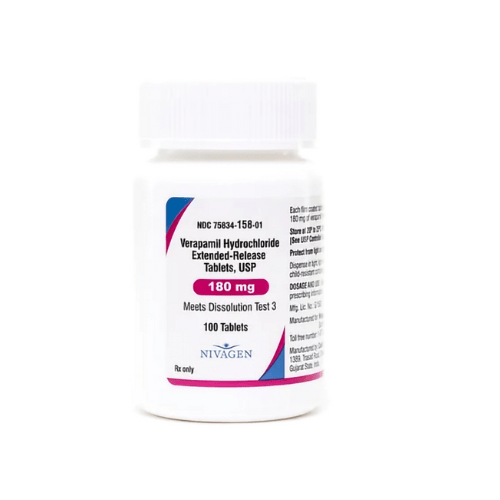
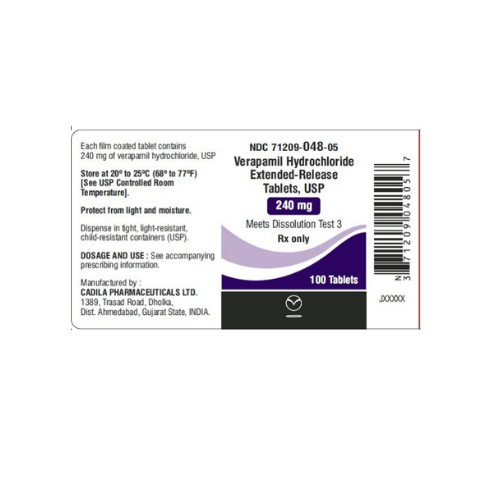
Verapamil SR
Buy Verapamil Online
Secure Encrypted Payments
Verapamil is an oral calcium channel blocker used for high blood pressure, chronic stable or vasospastic angina, and certain fast heart rhythms. It can be bought online with current verapamil price information, and you can choose the dose or strength shown during ordering to match your clinician’s directions. Border Free Health supplies regulated medicines through licensed pharmacies with US delivery from Canada.
Verapamil Price, Strength, and Form Choices
Verapamil cost can vary by strength, release type, manufacturer, and quantity. Many people compare generic verapamil price, verapamil cash price, and out-of-pocket cost when they need ongoing treatment for blood pressure, chest pain prevention, or rate control. During ordering, match the strength and form to the directions already set for you, because immediate-release and extended-release products are not always interchangeable.
Commonly referenced strengths include 40 mg, 80 mg, 120 mg, 180 mg, 240 mg, and 360 mg across different tablets, extended-release tablets, and extended-release capsules. Search terms such as verapamil 120mg tablets, verapamil ER 240mg, verapamil 180mg capsules, verapamil 360mg ER, and verapamil tablets 80mg usually refer to different release profiles or schedules. The release system matters as much as the milligram number, so use the exact form requested by your healthcare professional.
Some records may mention older or market-specific brand names such as Calan SR 120mg or Verelan 240mg. These names can help identify a prior therapy, but the active ingredient, release mechanism, and dosing instructions determine whether a substitute is appropriate. If your label specifies an extended-release product, do not crush, chew, or split it unless a healthcare professional has specifically told you it is safe for that exact form.
How to Buy Verapamil Online Safely
To order verapamil online, start with the active ingredient, then select the strength and release type that matches your current medication directions. If you are switching from a local fill or from a brand-name product, keep the bottle or medication record available so the form, strength, and schedule can be matched accurately. Small differences between immediate-release, sustained-release, and extended-release versions can change how the medicine works through the day.
Pricing is displayed before checkout, which helps you plan for refills and compare verapamil cost without insurance. Longer supplies may reduce repeat ordering steps when clinically appropriate and allowed for your situation. Orders may use prompt, express shipping, and you should plan refills early so you do not run out of a heart or blood pressure medicine unexpectedly.
Quick tip: Keep the medication name, strength, and release type together when you discuss refills or substitutions.
What Verapamil Treats
Verapamil is used for several cardiovascular conditions. It may lower blood pressure in adults with hypertension, help prevent chest pain in angina, and slow the heart rate in certain supraventricular rhythm problems. It is not a rescue treatment for sudden chest pain; urgent or changing chest symptoms need immediate medical attention.
For rhythm control, verapamil can be used in selected people with conditions such as atrial fibrillation, atrial flutter, or supraventricular tachycardia. It works mainly at the heart’s atrioventricular node, the electrical gateway between the upper and lower chambers. Slowing conduction there can reduce an overly fast ventricular rate in certain arrhythmias.
Treatment goals differ by condition. For high blood pressure, the goal is steadier pressure control over time. For angina, the goal is fewer predictable chest pain episodes. For selected rhythm disorders, the goal is a safer heart rate and fewer symptoms such as pounding heartbeat, lightheadedness, or fatigue. Follow-up measurements, symptom notes, and medication timing can help your clinician judge whether the plan is working.
How It Works in the Heart and Blood Vessels
Verapamil belongs to the non-dihydropyridine calcium channel blocker class. It reduces calcium movement into heart muscle and vascular smooth muscle. This relaxes some blood vessels, lowers the workload on the heart, and slows electrical conduction through the AV node.
This action is different from dihydropyridine calcium channel blockers, which mainly relax blood vessels. Because verapamil also slows heart conduction and can lower heart rate, it requires extra caution in people with conduction problems, very low blood pressure, or certain types of heart failure. It can also interact with other medicines that slow the heart.
Immediate-release verapamil is typically taken multiple times daily when used. Extended-release forms are designed to release medicine more gradually and may be taken once or twice daily depending on the product. Taking the medicine consistently, with the same food pattern if directed, helps keep blood levels more predictable.
Dosage Timing and Daily Use Basics
Use verapamil exactly as directed for your specific product. Immediate-release tablets and extended-release forms are not simply interchangeable at the same milligram strength. A verapamil extended-release 120mg product, for example, may have a different dosing schedule than a 120 mg immediate-release tablet.
Swallow extended-release tablets or capsules whole unless the exact product instructions say otherwise. Crushing or chewing an extended-release product can release too much medicine at once. If swallowing is difficult, ask a pharmacist or clinician before changing how you take it.
If you miss a dose, take it when remembered unless it is close to the next scheduled dose. If the next dose is near, skip the missed one and return to the regular schedule. Do not take extra doses to catch up. Because verapamil affects heart rate and blood pressure, accidental double dosing can be unsafe.
Side Effects, Warnings, and Monitoring
Constipation is one of the most common side effects of verapamil. Other common effects include dizziness, headache, flushing, tiredness, nausea, and swelling of the ankles or feet. These effects may be more noticeable when treatment starts, after a dose change, or when another blood pressure medicine is added.
Serious reactions need prompt medical attention. Contact a healthcare professional urgently for fainting, severe dizziness, shortness of breath, worsening swelling, new or worsening chest pain, or a very slow heartbeat. Allergic reactions such as hives, facial swelling, or trouble breathing require emergency care.
Verapamil should be avoided or used only with careful medical oversight in people with severe low blood pressure, cardiogenic shock, certain AV blocks, sick sinus syndrome without a functioning pacemaker, or significant left ventricular dysfunction. People with reduced-ejection-fraction heart failure may need another approach. Liver impairment can increase exposure, so monitoring and dose decisions may need extra care.
Regular monitoring may include blood pressure, heart rate, symptom changes, and medication interaction checks. If you track home readings, record the time of day and whether the dose was taken before or after the reading. Bring those notes to appointments so decisions are based on patterns, not single numbers.
Interactions and Food Considerations
Verapamil is affected by CYP3A4, an enzyme involved in drug metabolism. Strong inhibitors or inducers can raise or lower verapamil levels. Grapefruit products may increase exposure and should be discussed with a healthcare professional before use.
Extra caution is needed with medicines that slow the heart or affect conduction. These include some beta blockers, digoxin, certain antiarrhythmics, and other rate-control therapies. Combining AV-node–blocking medicines can increase the risk of slow heartbeat, low blood pressure, or heart block.
Verapamil can also affect levels or safety of selected statins, lithium, and other medications. Tell your healthcare team about prescription medicines, over-the-counter products, supplements, and herbal preparations. If you use several cardiovascular medicines, browse the broader cardiovascular category only as a shopping aid; individual combinations still require clinical review.
Storage, Travel, and Refill Planning
Store verapamil at room temperature in a dry place, away from excess heat, moisture, children, and pets. Keep it in the original labeled container whenever possible. Bathroom storage is often too humid for tablets and capsules.
For travel, carry your medicine in hand luggage with the original label. Bring enough supply for the full trip and allow extra time for delays. If you cross time zones, ask your healthcare professional how to keep dosing intervals steady, especially with extended-release forms.
Refill planning matters for chronic heart and blood pressure medicines. Mark the date when your supply will run low, and allow time for ordering, processing, and delivery. People paying cash often coordinate refill quantities with follow-up appointments to make treatment planning easier.
Comparing Verapamil With Related Heart Medicines
Verapamil is one choice within cardiovascular therapy. Another non-dihydropyridine calcium channel blocker, diltiazem, can also affect heart rate and blood vessel tone. Dihydropyridine agents such as nifedipine work more strongly on blood vessels and generally have different heart-rate effects. The right option depends on the condition being treated, other medicines, and safety factors.
For angina or rhythm symptoms, your clinician may consider whether the main goal is blood pressure lowering, chest pain prevention, or rate control. In atrial fibrillation or flutter, some people need medications that slow the heart, while others need rhythm-focused strategies or procedures. Verapamil is not suitable for every rhythm problem, especially when conduction disease or certain heart failure patterns are present.
If your care plan includes several heart medicines, using consistent names can prevent confusion. Write down whether you take immediate-release verapamil, sustained-release verapamil, or an extended-release capsule or tablet. That distinction helps avoid accidental switches between products with different release characteristics.
Cost-Saving and Cash-Pay Considerations
Verapamil Canadian pricing may help patients who pay out of pocket or compare verapamil price without insurance. The displayed cost can differ across strength, release type, and quantity. Generic verapamil is often chosen when clinically appropriate, but the form and release mechanism still need to match the treatment plan.
When reviewing verapamil 240mg price or other strength-specific costs, compare the total supply and dosing schedule rather than the tablet or capsule strength alone. A once-daily extended-release product and a multiple-dose immediate-release product may not represent the same practical monthly use. If your regimen changes, reassess the quantity needed before reordering.
Some people also see combination names such as Tarka trandolapril verapamil or trandolapril verapamil 2/180mg in medication histories. Combination products contain more than one active ingredient and should not be substituted for verapamil alone unless a clinician intentionally changes the plan. Keep combination medicines separate in your records to avoid duplication.
Questions to Ask Before Continuing Therapy
- Is verapamil being used for blood pressure, angina prevention, heart-rate control, or more than one goal?
- Which exact release type should be used: immediate-release, sustained-release, or extended-release?
- Should it be taken with food, at bedtime, or at another consistent time?
- What heart rate or blood pressure readings should prompt a call?
- Are beta blockers, digoxin, statins, lithium, or grapefruit products a concern?
- Should constipation prevention, hydration, or dietary fiber be discussed?
- How should doses be timed during travel or schedule changes?
Authoritative Sources
Official prescribing information
This content is for informational purposes only and is not a substitute for professional medical advice.
Blood Pressure Average Calculator
Average home blood pressure readings and show a simple screening range.
Average BP
-
entered readings only
Range
-
screening category
These calculations are for education only and do not replace clinical advice, diagnosis, or treatment. Always confirm medical decisions with a qualified healthcare professional.
Mean Arterial Pressure Calculator
Calculate estimated mean arterial pressure from systolic and diastolic blood pressure.
MAP
-
DBP + one-third pulse pressure
These calculations are for education only and do not replace clinical advice, diagnosis, or treatment. Always confirm medical decisions with a qualified healthcare professional.
Pulse Pressure Calculator
Calculate pulse pressure from systolic and diastolic blood pressure.
Pulse pressure
-
SBP - DBP
These calculations are for education only and do not replace clinical advice, diagnosis, or treatment. Always confirm medical decisions with a qualified healthcare professional.
Express Shipping - from $29.99
Shipping with this method takes 3-5 days
Prices:
- Dry-Packed Products $29.99
- Cold-Packed Products $39.99
Shipping Countries:
- United States (all contiguous states**)
- Worldwide (excludes some countries***)
Standard Shipping - $19.99
Shipping with this method takes 5-10 days
Prices:
- Dry-Packed Products $19.99
- Not available for Cold-Packed products
Shipping Countries:
- United States (all contiguous states**)
- Worldwide (excludes some countries***)
What is verapamil used for?
Verapamil is used for high blood pressure, chronic stable or vasospastic angina, and rate control in certain supraventricular heart rhythm disorders. The exact goal should be clear because dosing form, timing, and monitoring can differ by condition.
What is a common side effect of verapamil?
Constipation is one of the most common side effects. Dizziness, headache, tiredness, flushing, nausea, and ankle or foot swelling can also occur. Severe dizziness, fainting, shortness of breath, or a very slow heartbeat needs prompt medical attention.
Is verapamil a high-risk medication?
Verapamil is commonly used, but it can be risky for people with certain conduction problems, very low blood pressure, cardiogenic shock, or some types of heart failure. It also has important interactions with medicines that slow heart rate or affect CYP3A4 metabolism.
Why is verapamil sometimes used less often than other blood pressure medicines?
Verapamil affects both blood vessels and the heart’s electrical conduction. That makes it useful for selected patients, but it also means clinicians may choose other medicines when heart-rate slowing, constipation, drug interactions, or heart failure risks are concerns.
Can immediate-release and extended-release verapamil be switched?
Do not switch between immediate-release, sustained-release, and extended-release verapamil without professional guidance. The same milligram strength can behave differently depending on the release system, which can affect blood pressure and heart-rate control.
Rewards Program
Earn points on birthdays, product orders, reviews, friend referrals, and more! Enjoy your medication at unparalleled discounts while reaping rewards for every step you take with us.
You can read more about rewards here.
POINT VALUE
How to earn points
- 1Create an account and start earning.
- 2Earn points every time you shop or perform certain actions.
- 3Redeem points for exclusive discounts.
You Might Also Like
Select options
This product has multiple variants. The options may be chosen on the product page
Select options
This product has multiple variants. The options may be chosen on the product page
Select options
This product has multiple variants. The options may be chosen on the product page
Select options
This product has multiple variants. The options may be chosen on the product page