
Please note: a valid prescription is required for all prescription medication.
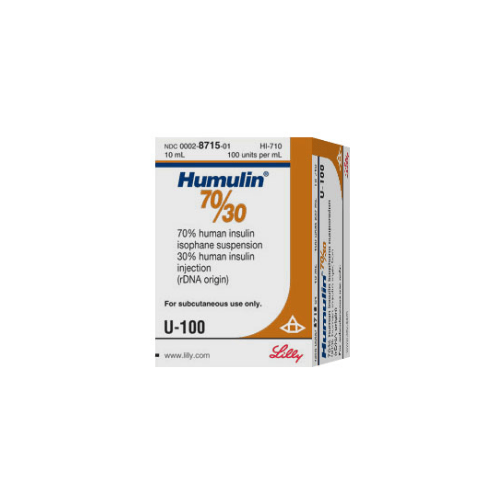
Humulin 30/70 Vial
Buy Humulin 30/70 Vial Online
Secure Encrypted Payments
Humulin 30/70 Vial is a premixed human insulin used to help reduce high blood sugar in people with diabetes. It combines intermediate-acting NPH insulin with short-acting Regular insulin in one vial for subcutaneous injection. You can buy Humulin 30/70 Vial online, view the current cash price, and choose the vial strength shown during ordering to match the directions from your diabetes care team.
This medicine is commonly described as Humulin 70/30 in some markets because it contains 70 percent NPH insulin and 30 percent Regular insulin. The vial is used with U-100 insulin syringes and is not a pen device. BorderFreeHealth offers Canadian pricing with US delivery from Canada for customers managing ongoing insulin costs.
Price, Vial Selection, and Ordering
The Humulin 70/30 vial price can vary by quantity, supplier availability, and the exact presentation shown at checkout. Current pricing is displayed during ordering so you can plan your out-of-pocket cost before proceeding. If your diabetes plan specifies a 10 mL multidose vial or U-100 concentration, match the product name, form, and strength carefully before completing your order.
Humulin 30/70 Vial is intended for people already using an insulin plan directed by a qualified healthcare professional. Insulin names can look similar, and mix-ups may cause severe high or low blood sugar. Read the vial label before every injection, especially if other insulins are kept in the same refrigerator or travel case.
Quick tip: Keep the carton or a photo of the label available when discussing refills, travel supplies, or dose questions with your care team.
What Humulin 30/70 Is Used For
Humulin 30/70 is used to help control glucose levels in diabetes mellitus, including situations where insulin is needed for day-to-day blood sugar management. It can be used in people with type 1 diabetes or type 2 diabetes when this premixed insulin pattern fits the treatment plan.
This product is not for diabetic ketoacidosis and should not be injected into a vein. It is also not designed for insulin pumps. If you have vomiting, ketones, illness with very high readings, or symptoms of severe low blood sugar, seek medical guidance promptly rather than trying to manage the situation with routine premixed insulin dosing.
Some people use premixed insulin because it reduces the number of separate insulin products needed each day. Others need more flexible meal-by-meal dosing with separate basal and mealtime insulins. The best choice depends on glucose patterns, eating schedule, activity, and hypoglycemia risk.
How the 30/70 Mix Works
Humulin 30/70 contains two human insulin components. The 30 percent Regular insulin portion is short-acting and helps cover the rise in blood sugar after meals. The 70 percent NPH insulin portion is intermediate-acting and helps provide background coverage between meals and later in the dosing period.
Because the product combines these actions in a fixed ratio, each injection changes both the meal-related and background insulin components together. That can make routines simpler, but it also means dose changes are less flexible than using separate insulins. Consistent meal timing, carbohydrate intake, and activity patterns often matter more with premixed insulin than with highly adjustable regimens.
The onset, peak, and duration of insulin action can vary from person to person. Injection site, blood flow, exercise, temperature, and dose size may all influence the response. Regular glucose monitoring helps show whether readings are trending too high, too low, or changing at certain times of day.
How to Use the Vial Safely
Humulin 30/70 Vial is injected under the skin of the abdomen, thigh, upper arm, or buttock. Rotate injection sites within the same general area to lower the chance of lumps, thickened skin, or uneven absorption. Do not inject into skin that is bruised, tender, scaly, hardened, scarred, or otherwise changed.
Use only U-100 insulin syringes with this vial. The suspension should look uniformly cloudy after gentle rolling or inverting as directed in the product instructions. Do not shake the vial hard, and do not use insulin that looks clumped, grainy, discolored, or stuck to the glass after mixing.
Many people using premixed human insulin take it before meals, often on a regular morning and evening schedule. The exact timing and dose are individualized. If a meal is delayed, skipped, or much smaller than usual, the short-acting portion can increase the risk of low blood sugar.
Meal Timing, Exercise, and Daily Routine
Premixed insulin works best when meals and activity are reasonably predictable. Carry a rapid carbohydrate source, such as glucose tablets, if you are at risk for hypoglycemia. Alcohol, delayed meals, intense activity, and unexpected changes in appetite can all make lows more likely.
People often ask whether they can shower after injecting insulin. A normal shower is not the main concern, but very hot water, saunas, or vigorous rubbing around the injection site may affect blood flow and insulin absorption. If you are unsure how heat or exercise affects your readings, discuss practical timing with your care team.
Keep a glucose log that includes insulin timing, meals, activity, illness, and symptoms. Patterns are more useful than isolated readings. Repeated morning lows, bedtime highs, or after-meal spikes may indicate that the overall plan needs reassessment.
Side Effects, Warnings, and Monitoring
The most important side effect of any insulin is low blood sugar. Symptoms may include shakiness, sweating, hunger, dizziness, headache, fast heartbeat, irritability, confusion, or weakness. Severe hypoglycemia can cause seizures, loss of consciousness, or injury and requires urgent help.
Other possible effects include weight gain, swelling from fluid retention, injection-site redness or itching, and changes in the fatty tissue under the skin. Repeated injections into the same spot can lead to lipodystrophy, which may make insulin absorption less predictable. Rotate sites and inspect skin regularly.
Serious allergic reactions are uncommon but can include rash over the whole body, trouble breathing, wheezing, fast pulse, or swelling of the face, lips, tongue, or throat. Insulin may also lower potassium levels, especially when combined with certain medicines or used during periods of illness. Contact a healthcare professional promptly for severe symptoms, frequent lows, or unexplained high readings.
Several medicines can change insulin needs. Examples include corticosteroids, thyroid medicines, diuretics, ACE inhibitors, beta blockers, some antidepressants, and other glucose-lowering therapies. Beta blockers may make warning signs of low blood sugar harder to notice. Share all medicines, supplements, and alcohol use with the clinician managing your diabetes plan.
Storage, Travel, and Shipping
Unopened vials are generally stored in the refrigerator and should not be frozen. Keep insulin away from direct heat and sunlight. Once a vial is in use, follow the official instructions for room-temperature storage limits and discard timing. Do not use insulin after the expiration date or after exposure to freezing temperatures.
When traveling, carry insulin and syringes in hand luggage rather than checked baggage. Bring extra supplies, keep the vial protected from breakage, and use a cooling pouch when conditions are warm. Airport security screening is usually easier when medication and supplies remain clearly labeled.
For mailed orders, handling needs are considered during pharmacy processing, and prompt, express shipping may be used when appropriate for the product. Keep someone available to receive temperature-sensitive medicines when possible, and move insulin to proper storage as soon as it arrives.
Vial Handling and Sharps Disposal
This product is a multidose vial used with disposable insulin syringes. Never share syringes, needles, or insulin injection supplies, even with family members. Sharing injection equipment can transmit blood-borne infections and may also cause dosing errors.
Place used needles and syringes directly into an approved sharps container after each injection. If an approved container is not immediately available, a heavy-duty puncture-resistant household container with a tight lid may be used temporarily according to local rules. Do not throw loose needles into household trash or recycling.
When the sharps container is about three-quarters full, follow your city, state, or local health department instructions for disposal. Pharmacies, community programs, or waste services may offer collection sites or mail-back options.
Who This Premixed Insulin May Suit
Humulin 30/70 may suit people who eat regular meals, use a predictable schedule, and prefer one vial that combines meal-related and intermediate background insulin. It may be less suitable for people who skip meals often, work changing shifts, have highly variable appetite, or need frequent dose adjustments at each meal.
Do not use this insulin during an episode of hypoglycemia. It should also be avoided by anyone with a known allergy to human insulin or any ingredient in the product. Kidney or liver problems, pregnancy, breastfeeding, illness, and major changes in weight or activity can affect insulin requirements and monitoring needs.
Some people with type 2 diabetes may reduce or stop insulin only if glucose control, weight, lifestyle, other medicines, and pancreatic insulin production allow it. People with type 1 diabetes need insulin because the body does not make enough of its own. Do not stop insulin without direct medical guidance.
Comparison With Other Diabetes Options
Premixed human insulin is one option within broader diabetes care. It differs from separate Regular and NPH insulin because the proportions are fixed in each dose. It also differs from rapid-acting or long-acting analog insulin plans, which may allow more flexible timing but can involve more injections or separate products.
When reviewing therapies for type 1 diabetes management or type 2 diabetes treatment, consider how often meals vary, whether lows happen overnight, and how comfortable you are with glucose monitoring. Device preference also matters: this product is a vial, not a KwikPen or cartridge.
Country naming can also differ. Humulin 30/70 and Humulin 70/30 refer to the same 30 percent Regular and 70 percent NPH mix, but labels may present the ratio in different order depending on market convention. Products sourced through Canada may have packaging details that differ from U.S. cartons while still requiring careful label matching before use.
Questions to Discuss With Your Diabetes Care Team
- How long before meals should this insulin be injected?
- What glucose readings should be recorded before and after meals?
- What symptoms mean low blood sugar needs urgent treatment?
- How should exercise, alcohol, or delayed meals be handled?
- What should happen on sick days or when appetite is poor?
- Which syringe size and needle length are appropriate?
- When should the vial be discarded after first use?
Authoritative Sources
For detailed product instructions and safety information, consult official medicine documents such as the Canadian patient medication information and the manufacturer instructions for use. These sources explain vial handling, subcutaneous injection use, storage, hypoglycemia risks, and insulin identification precautions.
This content is for informational purposes only and is not a substitute for professional medical advice.
Blood Glucose Unit Converter
Convert glucose readings between mg/dL and mmol/L without changing the clinical value.
mg/dL
-
US reporting unit
mmol/L
-
International reporting unit
These calculations are for education only and do not replace clinical advice, diagnosis, or treatment. Always confirm medical decisions with a qualified healthcare professional.
HbA1c & eAG Calculator
Convert between HbA1c percentage and estimated average glucose using the ADAG relationship.
HbA1c
-
percentage
eAG mg/dL
-
estimated average glucose
eAG mmol/L
-
estimated average glucose
These calculations are for education only and do not replace clinical advice, diagnosis, or treatment. Always confirm medical decisions with a qualified healthcare professional.
CGM Time-in-Range Summary
Summarise CGM percentages across very low, low, in-range, high, and very high glucose bands.
Entered total
-
should equal 100%
Below range
-
very low plus low
Above range
-
high plus very high
Summary
-
common adult CGM targets vary by patient
These calculations are for education only and do not replace clinical advice, diagnosis, or treatment. Always confirm medical decisions with a qualified healthcare professional.
HOMA-IR Calculator
Estimate insulin resistance from fasting glucose and fasting insulin values collected from the same blood draw.
HOMA-IR
-
screening estimate, not a diagnosis
Formula used
-
depends on glucose unit
These calculations are for education only and do not replace clinical advice, diagnosis, or treatment. Always confirm medical decisions with a qualified healthcare professional.
Carb Serving Calculator
Convert total carbohydrate grams into carb choices for meal planning and diabetes education.
Carb choices
-
total carbs divided by choice size
Rounded choices
-
nearest half choice
Carb calories
-
4 kcal per gram
These calculations are for education only and do not replace clinical advice, diagnosis, or treatment. Always confirm medical decisions with a qualified healthcare professional.
Express Shipping - from $29.99
Shipping with this method takes 3-5 days
Prices:
- Dry-Packed Products $29.99
- Cold-Packed Products $39.99
Shipping Countries:
- United States (all contiguous states**)
- Worldwide (excludes some countries***)
Standard Shipping - $19.99
Shipping with this method takes 5-10 days
Prices:
- Dry-Packed Products $19.99
- Not available for Cold-Packed products
Shipping Countries:
- United States (all contiguous states**)
- Worldwide (excludes some countries***)
What is Humulin 30/70 Vial used for?
Humulin 30/70 Vial is used to help lower high blood sugar in people with diabetes who need insulin. It contains 30% Regular insulin for mealtime coverage and 70% NPH insulin for intermediate background coverage.
Is Humulin 30/70 the same as Humulin 70/30?
The names generally refer to the same premixed ratio: 30% Regular insulin and 70% NPH insulin. Some markets write the ratio as 30/70, while others use 70/30 to emphasize the NPH portion first. Always match the exact vial label to your treatment directions.
How should Humulin 30/70 Vial be stored?
Unopened vials are usually kept refrigerated and must not be frozen. Once a vial is in use, follow the official product instructions for room-temperature storage time and discard limits. Keep insulin away from heat, direct light, children, and pets.
What are the most important side effects to watch for?
Low blood sugar is the key insulin risk. Symptoms can include shakiness, sweating, hunger, dizziness, headache, confusion, or weakness. Injection-site reactions, weight gain, swelling, and skin thickening can also occur. Severe lows or allergic symptoms need urgent medical help.
Can Humulin 30/70 Vial be used in an insulin pump?
No. Humulin 30/70 Vial is intended for subcutaneous injection with U-100 insulin syringes and should not be used in an insulin pump or injected into a vein.
Why does meal timing matter with premixed insulin?
The Regular insulin portion helps cover meals, while the NPH portion works longer between meals. Skipping or delaying food after an injection can increase low blood sugar risk, so meal timing should be consistent with the plan set by your diabetes care team.
Rewards Program
Earn points on birthdays, product orders, reviews, friend referrals, and more! Enjoy your medication at unparalleled discounts while reaping rewards for every step you take with us.
You can read more about rewards here.
POINT VALUE
How to earn points
- 1Create an account and start earning.
- 2Earn points every time you shop or perform certain actions.
- 3Redeem points for exclusive discounts.
You Might Also Like
Select options
This product has multiple variants. The options may be chosen on the product page
Select options
This product has multiple variants. The options may be chosen on the product page
Select options
This product has multiple variants. The options may be chosen on the product page
Select options
This product has multiple variants. The options may be chosen on the product page