
Please note: a valid prescription is required for all prescription medication.
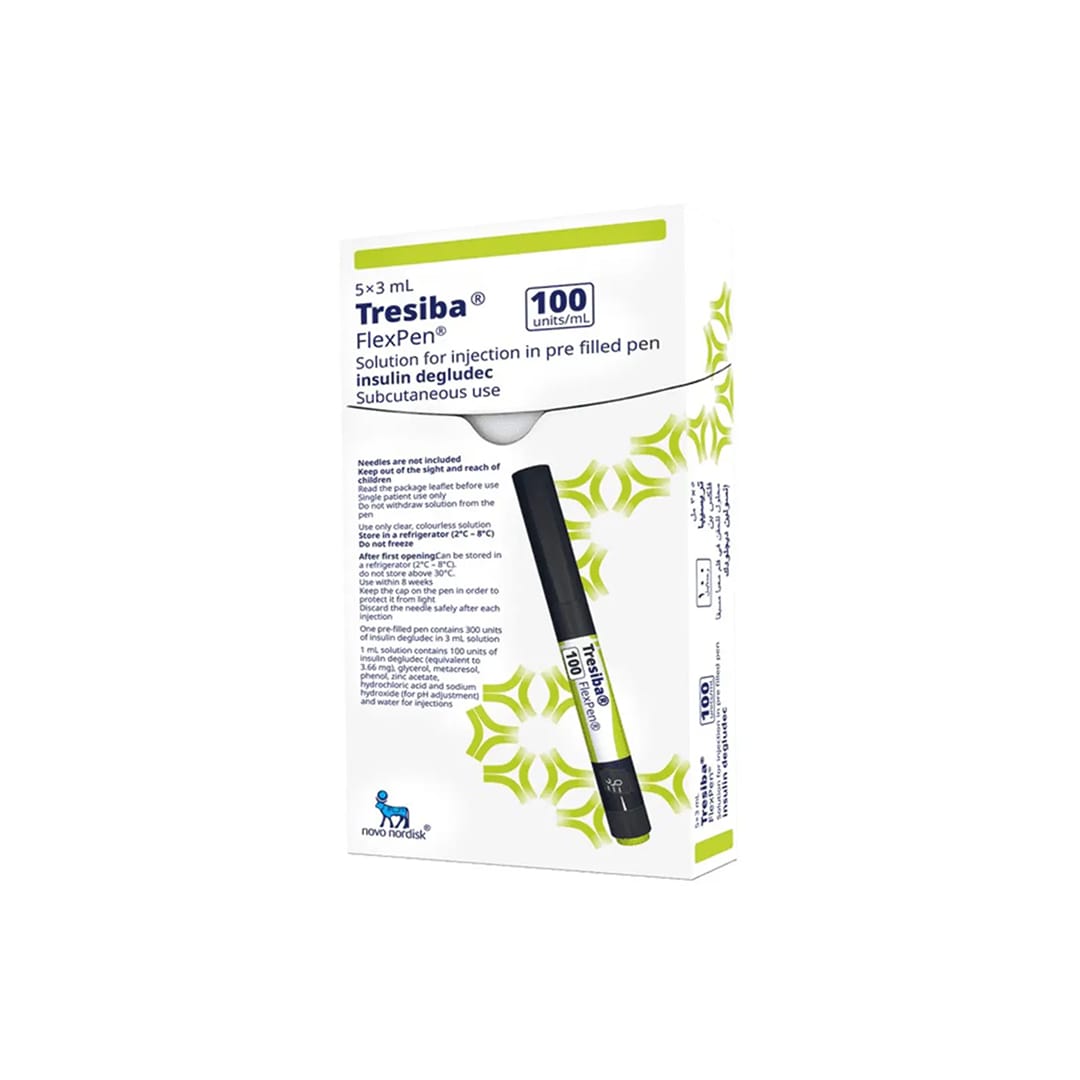
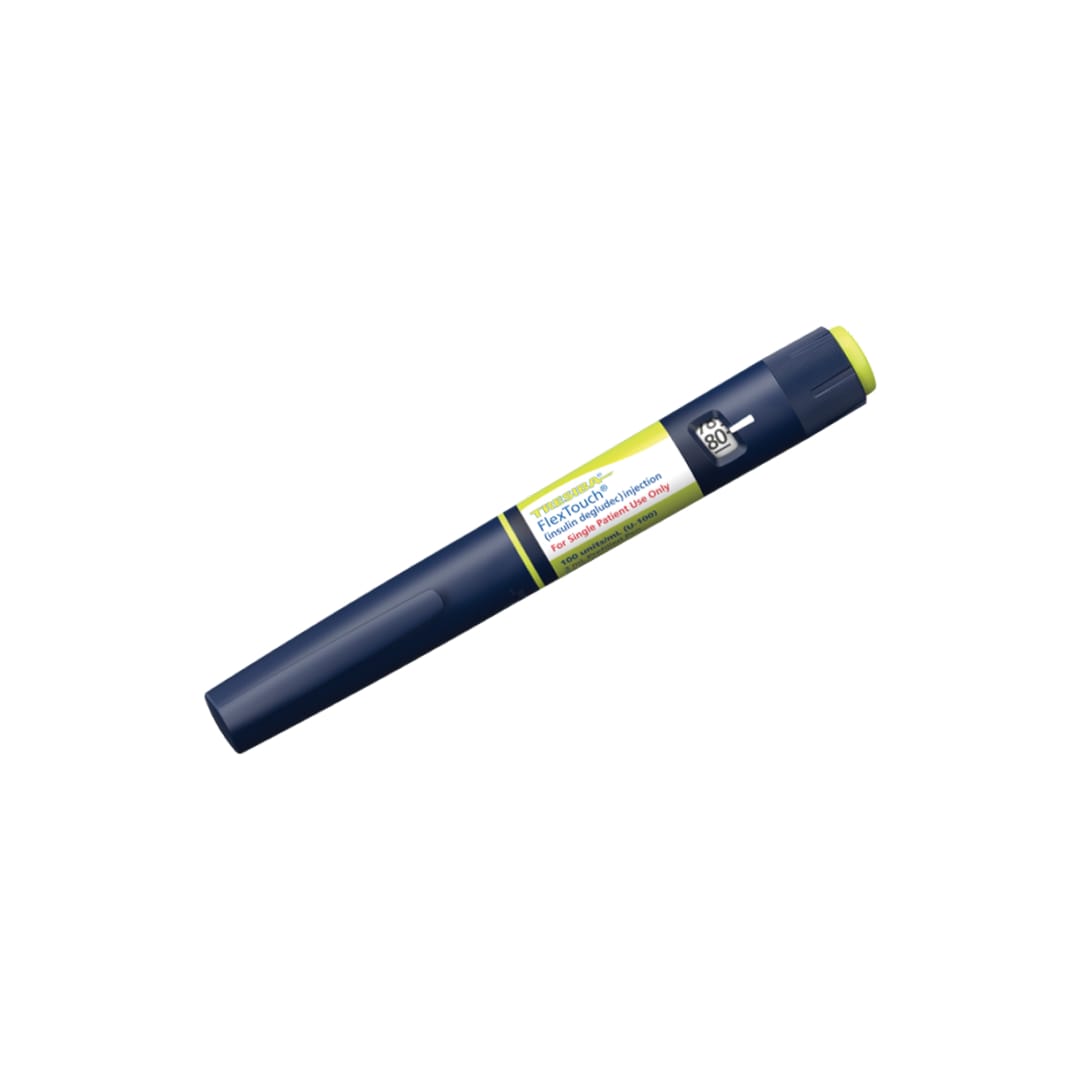
Tresiba FlexTouch Pens
Buy Tresiba FlexTouch Pens Online
Secure Encrypted Payments
Tresiba FlexTouch Pens contain insulin degludec, a long-acting basal insulin used for blood sugar control in diabetes. You can buy Tresiba FlexTouch Pens online, view current pricing, and choose the strength shown during ordering that matches your clinician’s directions. The FlexTouch device is prefilled, single-patient use, and designed for once-daily background insulin delivery.
Insulin degludec helps provide a steady level of insulin between meals and overnight. It is not a mealtime insulin and should not be used to treat diabetic ketoacidosis. If your plan includes rapid-acting insulin, use each insulin exactly as directed and keep the pens clearly separated.
Tresiba FlexTouch Pens Price and Strength Selection
Tresiba FlexTouch pens price can vary by strength, quantity, and current supply. During ordering, match the product strength and quantity to the directions on your insulin plan. Commonly published FlexTouch strengths include Tresiba U-100 FlexTouch pens and Tresiba U-200 FlexTouch pens, both containing insulin degludec in a prefilled pen format.
The U-100 and U-200 labels describe concentration, not how often you use the medicine. A more concentrated insulin can deliver the same number of units in a smaller injection volume, but the dose in units must still come from your care plan. Do not switch between concentrations or change total units without clinical guidance.
Cash-pay customers often look at Tresiba FlexTouch pens cost, out-of-pocket cost, and Canadian pricing when planning refills. BorderFreeHealth supports US delivery from Canada through licensed pharmacy channels, and the current price shown during ordering is the practical reference for your purchase. If you need broader diabetes supplies while planning refills, the diabetes care category can help you browse related essentials.
How to Order Tresiba FlexTouch Pens
Order Tresiba FlexTouch pens by selecting the strength and quantity that correspond with your written insulin instructions. Keep your current medication list, insulin schedule, and recent glucose records available in case your clinician needs to clarify your regimen. Because insulin dosing is highly individualized, the safest purchase is the one that exactly matches your current treatment plan.
Needles are commonly handled separately from the pen. The pen is compatible with appropriate single-use pen needles, but needle supply can depend on what is included with your order and what your clinician recommends. If your injection routine requires a specific needle type, make sure your supply plan covers a new sterile needle for every injection.
Quick tip: Before checkout, verify the insulin name, concentration, quantity, and refill timing against your current directions.
What This Basal Insulin Treats
Tresiba is used to improve glycemic control in people with diabetes mellitus. Basal insulin provides background insulin coverage, helping manage glucose between meals and during sleep. It may be used in type 1 diabetes as part of a broader insulin plan, and it may also be used in type 2 diabetes when basal insulin is appropriate.
People living with type 1 diabetes generally need insulin because the body makes little or no insulin. Those with type 2 diabetes may need basal insulin when lifestyle measures and non-insulin medicines do not provide enough glucose control. Your clinician may combine basal insulin with meal planning, activity changes, oral medicines, or rapid-acting insulin.
This insulin is not for urgent correction of high blood sugar and is not appropriate for diabetic ketoacidosis. Seek urgent medical help if you have symptoms such as vomiting, deep rapid breathing, severe weakness, confusion, or signs of dehydration with high glucose or ketones.
How Insulin Degludec Works
Insulin degludec is an ultra-long acting insulin analog. After injection under the skin, it forms structures that slowly release active insulin into the bloodstream. This gradual release supports a relatively flat basal effect, which may help reduce large peaks compared with shorter background insulin profiles.
The medicine is usually taken once daily. Consistent timing helps make glucose patterns easier to interpret, although insulin degludec is known for a long duration that may allow some timing flexibility when clinically appropriate. If your daily schedule changes because of shift work, travel, illness, or missed meals, ask your care team how to handle the timing safely.
The FlexTouch pen is designed for subcutaneous injection, meaning injection into fatty tissue under the skin. Common areas include the abdomen, thigh, or upper arm. Rotate sites within the same general area to reduce lumps, thickened skin, or changes that can affect absorption.
Using the FlexTouch Pen Safely
Always read the instructions supplied with your pen and use a new needle for each injection. General pen steps include attaching a sterile needle, priming as directed, dialing the required dose, injecting into an approved site, holding the button long enough for full delivery, and removing the needle safely. Never share an insulin pen, even if the needle is changed.
People often ask how many pens are in a pack or how many days one Tresiba pen lasts. The answer depends on the quantity supplied, the pen concentration, and your daily unit dose. A person using a higher daily dose will finish a pen sooner than someone using fewer units, so refill timing should be based on your actual dose and remaining insulin.
Keep a written or digital insulin log if you are starting or adjusting basal therapy. Record injection time, dose in units, glucose readings, meals, activity, illness, and low blood sugar episodes. These details help your clinician make careful adjustments instead of relying on isolated readings.
Missed Dose, Timing, and Monitoring
If you miss a basal insulin dose, follow the official instructions and your clinician’s plan. Many insulin degludec instructions allow a missed dose to be taken when remembered, with enough time before the next dose, but your personal plan may differ. Do not take extra insulin to make up for a missed dose unless a clinician has told you to do so.
Monitoring is essential because insulin needs can change. Meals, exercise, alcohol, illness, weight changes, kidney function, liver function, stress, and other diabetes medicines can affect glucose readings. Contact your clinician promptly if you have repeated lows, unexplained highs, nighttime symptoms, or a major change in eating or activity.
Why it matters: Basal insulin works best when dose decisions are based on glucose trends, not single readings.
Storage, Travel, and Handling
Unopened insulin pens are generally stored in the refrigerator and protected from light. Do not freeze insulin, and do not use a pen that has been frozen. Once a pen is in use, follow the storage time and temperature instructions on the official label, and keep it away from direct heat or sunlight.
When traveling, carry insulin in hand luggage with your diabetes supplies. Pack extra needles, a backup plan for glucose monitoring, and documentation if your carrier or screening process asks for it. If your trip involves extreme temperatures, use an insulated medicine pouch that protects insulin without freezing it.
Used needles belong in a proper sharps container. If one is not available, use a heavy-duty puncture-resistant household container with a tight lid until you can follow local disposal rules. Do not place loose needles in household trash, and do not recap used needles by hand.
Temperature-sensitive orders may require careful handling steps, and prompt, express shipping may be used when appropriate for logistics. Products with a Canadian country-of-origin attribute can be viewed through the Canada origin category.
Side Effects, Warnings, and Interactions
The most important risk with any insulin is low blood sugar, also called hypoglycemia. Symptoms may include shaking, sweating, fast heartbeat, hunger, headache, blurred vision, irritability, confusion, or weakness. Severe hypoglycemia can cause seizure, loss of consciousness, injury, or death, so make sure you know your low-glucose treatment plan.
Other possible side effects include injection-site redness, itching, swelling, weight gain, fluid retention, and skin changes where injections are repeated. Rotating injection sites helps reduce lipodystrophy, which means thickened, pitted, or lumpy fat tissue under the skin. Tell your clinician if injections become painful or glucose readings become unpredictable.
Serious allergic reactions can occur, although they are uncommon. Seek urgent care for trouble breathing, swelling of the face or throat, widespread rash, severe dizziness, or rapid worsening after an injection. Low potassium can also occur with insulin and may require medical attention, especially if you have weakness, muscle cramps, or heart rhythm symptoms.
Many medicines can affect insulin needs or mask symptoms of low blood sugar. Alcohol may increase the risk of hypoglycemia. Beta-blockers can make lows harder to recognize. Some blood pressure medicines, steroids, diuretics, antibiotics, antifungals, and other diabetes medicines may change glucose control. Thiazolidinediones can increase fluid retention when used with insulin, especially in people with heart failure risk.
Tell your clinician about kidney disease, liver disease, pregnancy, breastfeeding, planned surgery, severe lows, allergies, and all medicines or supplements you use. Do not start, stop, or adjust insulin based only on product information; insulin changes need individualized monitoring.
Who May Need Extra Care
Basal insulin may be appropriate for many adults and children with diabetes when a clinician determines that background insulin is needed. People with kidney or liver impairment often require closer monitoring because insulin clearance and glucose patterns may change. Older adults and people with hypoglycemia unawareness may also need extra caution.
Anyone with repeated severe hypoglycemia, active diabetic ketoacidosis, or a known allergy to insulin degludec should not treat the situation as a routine refill. These scenarios require direct medical evaluation. Pregnancy and breastfeeding also need a personalized plan because insulin needs can shift quickly.
If you are starting insulin for the first time, ask what glucose targets apply to you, when to test, how to recognize lows, and when to call for help. If you are switching from another basal insulin, confirm whether any timing or dose transition instructions apply.
How It Compares With Other Diabetes Choices
Tresiba FlexTouch is a basal insulin pen. It differs from rapid-acting mealtime insulins, which are taken around meals to cover carbohydrate intake or correct high glucose. Basal and mealtime insulins can be used together, but they serve different roles and should not be substituted for each other without clinical direction.
Other long-acting basal insulins may include insulin glargine or insulin detemir, depending on local availability and clinical suitability. Some people with type 2 diabetes may use non-insulin medicines before or alongside basal insulin. The right choice depends on A1C goals, fasting glucose, low-glucose risk, weight considerations, kidney function, and cost.
For general condition information, the type 1 diabetes articles and type 2 diabetes articles can support conversations with your care team. These educational materials should not replace individualized insulin instructions.
Questions to Ask Before Refilling
- Which Tresiba FlexTouch concentration should I use?
- How many units should I take each day?
- What should I do if I miss a dose?
- When should I test fasting and nighttime glucose?
- How should I treat low blood sugar?
- Do I need separate mealtime insulin?
- Which pen needles should I keep on hand?
- How early should I plan my next refill?
Bring your glucose log to appointments and report patterns, not only individual readings. Repeated fasting lows, morning highs, or overnight symptoms may signal that your basal plan needs review. If your pen is running out faster than expected, check whether your daily dose or quantity changed before ordering the next supply.
Authoritative Safety References
For complete directions, contraindications, warnings, storage instructions, and dose-adjustment principles, consult the official prescribing information supplied with your medicine and speak with a qualified healthcare professional. Product labels contain the most complete safety information, including risks of hypoglycemia, allergic reactions, low potassium, medication interactions, and use during illness or changes in diet.
This content is for informational purposes only and is not a substitute for professional medical advice.
Blood Glucose Unit Converter
Convert glucose readings between mg/dL and mmol/L without changing the clinical value.
mg/dL
-
US reporting unit
mmol/L
-
International reporting unit
These calculations are for education only and do not replace clinical advice, diagnosis, or treatment. Always confirm medical decisions with a qualified healthcare professional.
HbA1c & eAG Calculator
Convert between HbA1c percentage and estimated average glucose using the ADAG relationship.
HbA1c
-
percentage
eAG mg/dL
-
estimated average glucose
eAG mmol/L
-
estimated average glucose
These calculations are for education only and do not replace clinical advice, diagnosis, or treatment. Always confirm medical decisions with a qualified healthcare professional.
HOMA-IR Calculator
Estimate insulin resistance from fasting glucose and fasting insulin values collected from the same blood draw.
HOMA-IR
-
screening estimate, not a diagnosis
Formula used
-
depends on glucose unit
These calculations are for education only and do not replace clinical advice, diagnosis, or treatment. Always confirm medical decisions with a qualified healthcare professional.
Carb Serving Calculator
Convert total carbohydrate grams into carb choices for meal planning and diabetes education.
Carb choices
-
total carbs divided by choice size
Rounded choices
-
nearest half choice
Carb calories
-
4 kcal per gram
These calculations are for education only and do not replace clinical advice, diagnosis, or treatment. Always confirm medical decisions with a qualified healthcare professional.
CGM Time-in-Range Summary
Summarise CGM percentages across very low, low, in-range, high, and very high glucose bands.
Entered total
-
should equal 100%
Below range
-
very low plus low
Above range
-
high plus very high
Summary
-
common adult CGM targets vary by patient
These calculations are for education only and do not replace clinical advice, diagnosis, or treatment. Always confirm medical decisions with a qualified healthcare professional.
Express Shipping - from $29.99
Shipping with this method takes 3-5 days
Prices:
- Dry-Packed Products $29.99
- Cold-Packed Products $39.99
Shipping Countries:
- United States (all contiguous states**)
- Worldwide (excludes some countries***)
Standard Shipping - $19.99
Shipping with this method takes 5-10 days
Prices:
- Dry-Packed Products $19.99
- Not available for Cold-Packed products
Shipping Countries:
- United States (all contiguous states**)
- Worldwide (excludes some countries***)
How many pens are in Tresiba FlexTouch?
The number of pens depends on the quantity supplied with your order and the pack configuration selected. Match the quantity to your current insulin plan and refill timing.
How many days does one Tresiba FlexTouch pen last?
It depends on your daily dose in units and the pen concentration. Higher daily doses use a pen faster, so estimate refill timing from your actual prescribed units and remaining insulin.
Does Tresiba FlexTouch come with needles?
Needles are commonly supplied separately from insulin pens. Plan for a new sterile pen needle for every injection and confirm the needle type recommended for your device.
What is the difference between Tresiba U-100 and U-200 FlexTouch pens?
U-100 and U-200 describe insulin concentration. U-200 is more concentrated, but doses are still measured in units. Do not switch concentrations unless your clinician directs it.
Can Tresiba FlexTouch be used for diabetic ketoacidosis?
No. Tresiba is a long-acting basal insulin and is not used to treat diabetic ketoacidosis. Symptoms of DKA require urgent medical care.
Rewards Program
Earn points on birthdays, product orders, reviews, friend referrals, and more! Enjoy your medication at unparalleled discounts while reaping rewards for every step you take with us.
You can read more about rewards here.
POINT VALUE
How to earn points
- 1Create an account and start earning.
- 2Earn points every time you shop or perform certain actions.
- 3Redeem points for exclusive discounts.
You Might Also Like
Select options
This product has multiple variants. The options may be chosen on the product page
Select options
This product has multiple variants. The options may be chosen on the product page
Select options
This product has multiple variants. The options may be chosen on the product page
Select options
This product has multiple variants. The options may be chosen on the product page