
Please note: a valid prescription is required for all prescription medication.
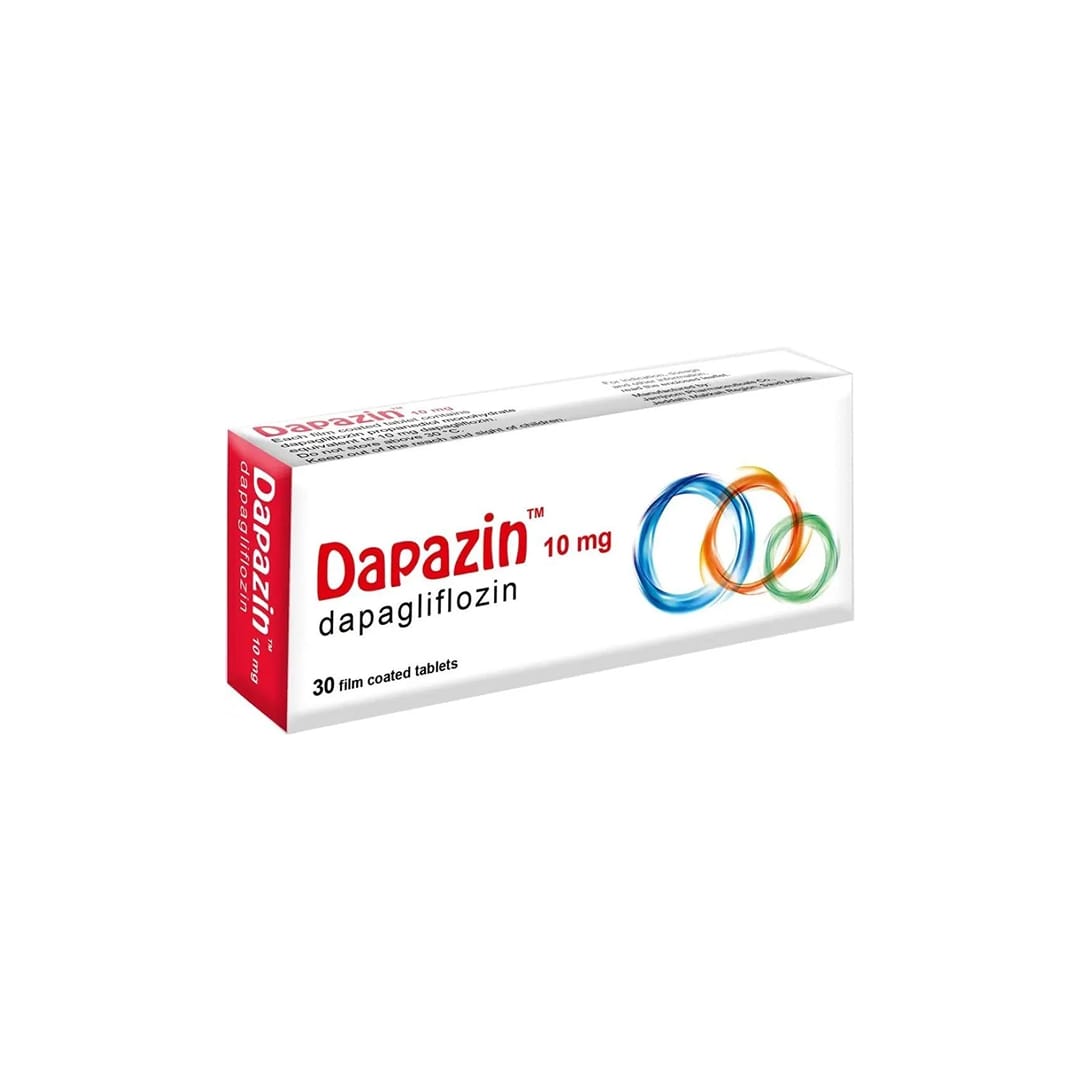
Dapagliflozin
Buy Dapagliflozin Online
Secure Encrypted Payments
Dapagliflozin is an oral SGLT2 inhibitor tablet used for certain adults with type 2 diabetes and, in some cases, heart failure or chronic kidney disease. It can be bought online through BorderFreeHealth, with the dose or strength selected to match the clinician’s directions and the product shown during ordering. Commonly encountered tablet strengths include 5 mg and 10 mg, and the active ingredient is also sold under brand names such as Farxiga and Forxiga in different markets.
Dapagliflozin Price, Strength, and Ordering Basics
The dapagliflozin price can vary by strength, quantity, manufacturer, and whether the order is for a generic or brand-name version. When viewing current product choices, match the tablet strength to the directions you were given rather than choosing based only on cost. The most familiar strengths are dapagliflozin 5 mg tablets and dapagliflozin 10 mg tablets.
Many people compare dapagliflozin 10 mg cost with the cost of Farxiga 10 mg or Forxiga 10 mg. Those names can refer to the same active ingredient, but packaging, country of origin, manufacturer, and tablet appearance may differ. If the active ingredient, strength, or directions do not match what you expected, ask for clarification before taking the medicine.
BorderFreeHealth works with licensed pharmacies and supports US delivery from Canada for eligible medication orders. When documentation or order details need clarification, our team may help route the information so the pharmacy can complete its checks. For approved orders, participating pharmacies arrange prompt, express shipping in line with medication-handling requirements.
Quick tip: Keep the medication name, strength, and directions together when discussing refills or substitutions.
How Dapagliflozin Works and What It Treats
Dapagliflozin belongs to a class called SGLT2 inhibitors. These medicines help the kidneys remove extra glucose through urine, which can lower blood sugar in adults with type 2 diabetes. Because the medicine acts through the kidneys, kidney function and hydration status matter when deciding whether it fits a treatment plan.
Approved uses can include type 2 diabetes, certain people with heart failure, and some adults with chronic kidney disease. The reason for treatment affects expectations, monitoring, and which strength may be appropriate. Dapagliflozin is not used to treat diabetic ketoacidosis, and it is generally not a fit for type 1 diabetes.
For diabetes care, this medicine may be used alone or with other glucose-lowering therapies. It does not replace nutrition planning, activity changes, blood sugar monitoring, or follow-up labs when those are part of care. People reviewing broader medication categories can browse diabetes care products for context around related treatment choices.
Brand Names, Generic Name, and Market Differences
Dapagliflozin is the generic name of the active ingredient. Farxiga and Forxiga are brand names used in different markets for medicines containing dapagliflozin. A label may show the brand name, the active ingredient, or both, so the strength and directions are the most important practical details.
Searches for the dapagliflozin brand name, other name, or trade name usually lead to Farxiga or Forxiga. These brand names are not separate drug classes. They refer to branded versions of dapagliflozin, while generic versions may be available depending on the market and supply channel.
Country-specific naming and generic availability can differ. That does not change the need to match the active ingredient and strength on the bottle to the intended therapy. If substitution is acceptable, the dispensed product may look different from a previous fill while still containing dapagliflozin.
Dosage and Daily Use Basics
Dapagliflozin tablets are usually taken once daily, with or without food, according to the directions provided with the medicine. The chosen dose depends on the condition being treated, kidney function, and the rest of the medication plan. Do not split, double, or change the dose unless a clinician tells you to do so.
A consistent routine can make it easier to notice changes after starting therapy. Because dapagliflozin increases glucose removal through urine, some people notice more urination or thirst, especially early in treatment. Mild dizziness can also occur, particularly if fluid intake is low or other medicines lower blood pressure.
If a dose is missed, follow the instructions provided with the medicine or ask a healthcare professional for guidance. Taking extra tablets to make up for a missed dose can increase side effect risk. Blood sugar checks, symptom tracking, and scheduled lab work still matter even when the tablets are taken correctly.
Tablet Strengths and Form
Dapagliflozin is supplied as oral tablets. The strengths most commonly encountered are 5 mg and 10 mg. Availability can vary by manufacturer and market, so tablet color, shape, markings, and packaging may differ between fills.
| Strength | Form | Practical note |
|---|---|---|
| 5 mg | Tablet | Used when a lower tablet strength matches the treatment directions and clinical plan. |
| 10 mg | Tablet | Commonly used when the higher labeled strength is appropriate for the treatment goal. |
Strength selection should follow the directions associated with your therapy, not tablet appearance alone. A dapagliflozin 10 mg tablet from one manufacturer may not look like another manufacturer’s tablet. If you use a pill organizer, keep the original container available so the name, strength, lot, and expiry information are easy to verify.
Storage, Handling, and Travel
Store dapagliflozin tablets at room temperature in the original bottle or carton unless the package directions say otherwise. Keep the medicine dry, away from excess heat, and out of reach of children. A hot car, damp bathroom cabinet, or unlabeled container can make storage and identification less reliable.
Travel is easier when tablets remain in labeled packaging. The label helps with clinic visits, medication lists, and border or security questions. If the seal is damaged, the label is unreadable, or tablets look swollen, chipped, or discolored, ask a pharmacist before taking them.
Bring enough medication for the trip and keep it with your carry-on items when possible. If illness, vomiting, diarrhea, fever, or poor fluid intake occurs during travel, seek medical guidance because dehydration can change the safety picture for SGLT2 inhibitors.
Side Effects, Warnings, and Monitoring
The most common side effects of dapagliflozin often relate to its urinary glucose effect. More frequent urination, thirst, mild dizziness, genital yeast infections, and urinary tract symptoms can occur. Genital symptoms may include itching, redness, irritation, or unusual discharge; urinary symptoms may include burning, urgency, fever, or back pain.
- Common effects: increased urination, thirst, mild dizziness
- Genital symptoms: itching, redness, soreness, unusual discharge
- Urinary symptoms: burning, urgency, fever, back pain
- Urgent symptoms: nausea, vomiting, belly pain, confusion, fast breathing
Some reactions need urgent attention. Ketoacidosis is a serious problem involving excess blood acids and can occur even when blood sugar is not extremely high. Warning signs can include nausea, vomiting, stomach pain, unusual tiredness, confusion, fruity-smelling breath, or trouble breathing.
Severe dehydration is another concern, especially during vomiting, diarrhea, fever, low fluid intake, or heavy sweating. Dizziness, fainting, very dry mouth, or rapid weakness should not be ignored. Rare but serious infections around the genital or perineal area, severe allergic reactions, or rapidly worsening swelling also need prompt medical evaluation.
Low blood sugar is not usually the main issue when dapagliflozin is used by itself, but risk can rise when it is combined with insulin or sulfonylureas. If glucose readings fall too low, symptoms may include shakiness, sweating, hunger, confusion, or a fast heartbeat. Keep an updated medication list so clinicians can judge whether other treatments raise that risk.
Kidney monitoring matters because dapagliflozin works through the kidneys. The medicine is not simply “hard on the kidneys” for everyone, but kidney function, dehydration, acute illness, and other medicines can affect safety. If you are trying to distinguish medication effects from high blood sugar symptoms, type 2 diabetes articles can help you organize questions for a clinical visit.
Interactions and What to Avoid
Important interactions often involve additive effects rather than a direct clash. Diuretics, sometimes called water pills, can increase urination and may raise the chance of dehydration or low blood pressure. Blood pressure medicines may also contribute to dizziness in some people, especially after standing.
Insulin and sulfonylureas can increase the risk of hypoglycemia when used with dapagliflozin. Heavy alcohol use, prolonged fasting, very low carbohydrate intake, major surgery, or serious infection may raise the chance of ketoacidosis. During acute illness, clinicians may give temporary instructions about holding or restarting SGLT2 inhibitor therapy.
Tell a healthcare professional about recurrent genital infections, severe urinary infections, prior ketoacidosis, kidney problems, pregnancy, breastfeeding, or major upcoming procedures. Nonprescription medicines and supplements also matter when they affect hydration, blood pressure, or kidney function. Avoid assuming a new symptom is harmless just because it begins after starting a medicine.
How It Compares With Related Diabetes Medicines
Dapagliflozin is different from metformin. Metformin mainly reduces glucose production in the liver and improves insulin sensitivity, while dapagliflozin helps remove glucose through urine. They may be used together in some treatment plans, but kidney function, side effects, and overall goals guide that decision.
Jardiance is another SGLT2 inhibitor, but it contains a different active ingredient. Same-class medicines can share some risks, including genital infections, urination changes, dehydration, and ketoacidosis warnings. They also have their own labeling, dosing decisions, and clinical considerations.
Other medication classes, such as DPP-4 inhibitors or GLP-1 receptor agonists, work differently. A GLP-1 receptor agonist is an incretin-based medicine that affects appetite, insulin response, and digestion. The best option depends on A1C patterns, kidney status, heart or kidney goals, weight considerations, tolerability, and what treatments are already being used.
Questions to Ask Before Choosing a Strength
Strength choice should connect to the reason dapagliflozin is being used. For type 2 diabetes, the plan may focus on blood sugar targets and combination therapy. For heart failure or chronic kidney disease, the expected benefits and monitoring may be different.
Useful questions include whether recent kidney labs are needed, how often blood sugar should be checked, and what symptoms should prompt urgent care. It is also worth asking how to handle vomiting, diarrhea, fever, fasting, or a planned procedure. These situations can change hydration and ketoacidosis risk.
People living with diabetes may also want to discuss blood pressure, weight changes, and infection history. Some people experience modest weight loss because glucose calories are lost in urine, but weight response varies and should not be the only reason for use. The safest choice is the strength that matches the treatment goal and clinical context.
Authoritative Sources
For plain-language medication information, see MedlinePlus dapagliflozin drug information.
For a clinical description of uses and side effects, review Mayo Clinic dapagliflozin oral route information.
For brand-label dosing context, consult FARXIGA dosing information.
This content is for informational purposes only and is not a substitute for professional medical advice.
Blood Glucose Unit Converter
Convert glucose readings between mg/dL and mmol/L without changing the clinical value.
mg/dL
-
US reporting unit
mmol/L
-
International reporting unit
These calculations are for education only and do not replace clinical advice, diagnosis, or treatment. Always confirm medical decisions with a qualified healthcare professional.
HbA1c & eAG Calculator
Convert between HbA1c percentage and estimated average glucose using the ADAG relationship.
HbA1c
-
percentage
eAG mg/dL
-
estimated average glucose
eAG mmol/L
-
estimated average glucose
These calculations are for education only and do not replace clinical advice, diagnosis, or treatment. Always confirm medical decisions with a qualified healthcare professional.
CGM Time-in-Range Summary
Summarise CGM percentages across very low, low, in-range, high, and very high glucose bands.
Entered total
-
should equal 100%
Below range
-
very low plus low
Above range
-
high plus very high
Summary
-
common adult CGM targets vary by patient
These calculations are for education only and do not replace clinical advice, diagnosis, or treatment. Always confirm medical decisions with a qualified healthcare professional.
eGFR Calculator
Estimate kidney filtration using the 2021 CKD-EPI creatinine equation.
eGFR
-
mL/min/1.73 m2
G category
-
requires clinical context
These calculations are for education only and do not replace clinical advice, diagnosis, or treatment. Always confirm medical decisions with a qualified healthcare professional.
Urine Albumin-Creatinine Ratio Calculator
Calculate urine albumin-creatinine ratio from spot urine albumin and creatinine values.
uACR
-
mg/g
uACR
-
mg/mmol
Category
-
A1/A2/A3 albuminuria range
These calculations are for education only and do not replace clinical advice, diagnosis, or treatment. Always confirm medical decisions with a qualified healthcare professional.
Express Shipping - from $29.99
Shipping with this method takes 3-5 days
Prices:
- Dry-Packed Products $29.99
- Cold-Packed Products $39.99
Shipping Countries:
- United States (all contiguous states**)
- Worldwide (excludes some countries***)
Standard Shipping - $19.99
Shipping with this method takes 5-10 days
Prices:
- Dry-Packed Products $19.99
- Not available for Cold-Packed products
Shipping Countries:
- United States (all contiguous states**)
- Worldwide (excludes some countries***)
Is dapagliflozin the same as Farxiga?
Dapagliflozin is the active ingredient. Farxiga and Forxiga are brand names used in different markets for medicines that contain dapagliflozin. Always match the active ingredient, strength, and directions on the label.
What is the most common side effect of dapagliflozin?
Common effects include increased urination, thirst, mild dizziness, genital yeast infections, and urinary tract symptoms. Burning urination, fever, back pain, worsening genital irritation, or unusual swelling should be assessed promptly.
What should I avoid while taking dapagliflozin?
Avoid dehydration, heavy alcohol use, prolonged fasting, and very low carbohydrate intake unless your clinician has specifically guided you. Illness with vomiting, diarrhea, fever, or poor fluid intake can increase safety risks.
Is dapagliflozin hard on the kidneys?
Dapagliflozin works through the kidneys, so kidney function matters. It is not automatically harmful to the kidneys for everyone, but dehydration, acute illness, advanced kidney problems, or interacting medicines can change the safety plan.
Can dapagliflozin help with weight loss?
Some people may lose modest weight because glucose is passed in urine, but results vary. Dapagliflozin should be used for its approved treatment goals, not as a stand-alone weight-loss medicine.
Rewards Program
Earn points on birthdays, product orders, reviews, friend referrals, and more! Enjoy your medication at unparalleled discounts while reaping rewards for every step you take with us.
You can read more about rewards here.
POINT VALUE
How to earn points
- 1Create an account and start earning.
- 2Earn points every time you shop or perform certain actions.
- 3Redeem points for exclusive discounts.
You Might Also Like
Select options
This product has multiple variants. The options may be chosen on the product page
Select options
This product has multiple variants. The options may be chosen on the product page
Select options
This product has multiple variants. The options may be chosen on the product page
Select options
This product has multiple variants. The options may be chosen on the product page