
Please note: a valid prescription is required for all prescription medication.
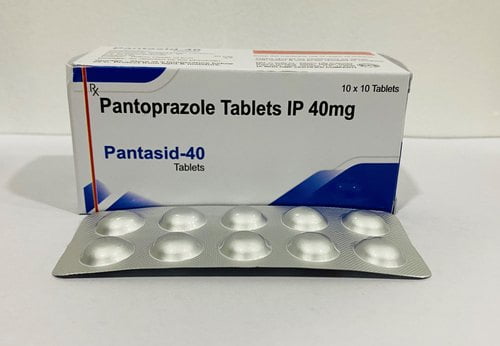
Pantoprazole
Buy Pantoprazole Online
Secure Encrypted Payments
Pantoprazole is a proton pump inhibitor used to lower stomach acid in conditions such as frequent heartburn, acid reflux, GERD, and erosive esophagitis. You can order Pantoprazole online and choose the available strength that matches the directions from your clinician. Many customers compare Pantoprazole 40 mg price, 20 mg price, and cash-pay quantities when planning ongoing reflux care.
This medicine is the generic active ingredient used in Protonix®. It is commonly supplied as delayed-release or enteric-coated tablets, a design that helps the tablet pass through the stomach before releasing the medicine. Because acid-related symptoms can overlap with more serious conditions, new or worsening symptoms should be discussed with a healthcare professional.
Pantoprazole Price, Strengths, and Ordering
Pantoprazole is available in delayed-release tablet strengths commonly used for acid suppression, including 20 mg and 40 mg. During ordering, select the strength and quantity that match the treatment plan you were given. If your clinician changes your daily schedule or duration, update the strength or fill size accordingly instead of adjusting tablets on your own.
Cash-pay customers often compare Pantoprazole cost by tablet strength, total quantity, and refill frequency. A larger fill may reduce per-tablet expense for some people, but it should still match the intended treatment duration. If you are paying out of pocket for Pantoprazole, reviewing current Canadian pricing alongside local pharmacy quotes can help you plan a consistent supply.
BorderFreeHealth can arrange US delivery from Canada for eligible store orders through licensed pharmacy channels. When needed for safe processing, order details may be reviewed before the medicine is released. For broader digestive-health browsing, the Gastrointestinal category includes other acid-related medicines and supportive treatment choices.
What Pantoprazole Is Usually Used For
Pantoprazole treats conditions linked to too much stomach acid. It is used for gastroesophageal reflux disease, often called GERD, where stomach acid flows back into the esophagus and causes heartburn, regurgitation, cough, or irritation. It is also used to help heal erosive esophagitis, which is acid-related damage to the lining of the esophagus.
Clinicians may also use pantoprazole in care plans for peptic ulcer disease risk, ulcer healing support, or rare high-acid conditions such as Zollinger-Ellison syndrome. The exact reason matters because treatment length can differ. Short courses may be enough for some reflux flares, while erosive disease or excess-acid syndromes may require closer monitoring and longer management.
If your main symptoms are burning after meals, sour taste, or nighttime reflux, the acid reflux condition section explains how reflux symptoms are commonly described. For people diagnosed with chronic reflux, the GERD section provides additional context on recurring symptoms and esophageal irritation.
How This Acid-Reducing Medicine Works
Pantoprazole belongs to a class called proton pump inhibitors, or PPIs. PPIs reduce acid production by blocking the H+/K+-ATPase enzyme system, often called the proton pump, in the stomach lining. This action lowers acid at its source rather than simply neutralizing acid after it is already present.
Lower acid levels can reduce heartburn and give irritated esophageal tissue time to heal. Symptom relief may begin within several doses, but healing of erosive esophagitis generally takes longer. Daily consistency is important because PPIs work best when taken on a regular schedule rather than only after symptoms begin.
Pantoprazole is the generic medicine associated with Protonix®. Generic Pantoprazole 40 mg and Protonix 40 mg tablets contain the same active ingredient, although inactive ingredients, tablet appearance, packaging, and market availability can vary by manufacturer and country.
How to Take Delayed-Release Tablets
Follow the directions provided with your medicine. Pantoprazole delayed-release tablets should be swallowed whole with water. Do not split, crush, or chew them because the tablet coating is designed to protect the medicine until it reaches the right part of the digestive tract.
Many treatment plans use once-daily dosing before a meal. Some high-acid conditions may require a different schedule under medical supervision. If your symptoms are controlled, your clinician may later consider step-down therapy, a lower effective dose, or another acid reducer depending on your diagnosis and symptom pattern.
If you miss a dose, take it when you remember on the same day unless it is close to the next scheduled time. Skip the missed dose if the next dose is near. Do not take two doses together to make up for one missed tablet.
Quick tip: Keep a simple reflux log with meal timing, symptoms, and missed doses so follow-up conversations are more useful.
What to Avoid or Discuss While Taking It
Alcohol, late heavy meals, high-fat foods, peppermint, chocolate, coffee, and acidic foods can trigger reflux for some people. These triggers do not affect everyone, so it helps to identify your own pattern rather than follow a long restriction list. Lying down soon after eating can also worsen nighttime reflux.
Some medicines need stomach acid for proper absorption. Pantoprazole may reduce absorption of ketoconazole, itraconazole, and certain iron products. It should generally be avoided with rilpivirine-containing HIV medicines because reduced stomach acid can lower rilpivirine exposure. Atazanavir and high-dose methotrexate require special caution, and warfarin users may need additional monitoring when acid-suppressing therapy is started or stopped.
Tell a healthcare professional about all medicines, vitamins, and supplements you use, including St. John’s wort. If you have severe liver disease, a history of allergic reaction to PPIs, prior acute interstitial nephritis, or unexplained low magnesium, ask whether this class remains appropriate for you.
Side Effects, Warnings, and Monitoring
Common side effects may include headache, diarrhea, constipation, nausea, abdominal pain, gas, dizziness, rash, itching, vomiting, or joint pain. These effects are often mild, but persistent or bothersome symptoms should be reported. New severe abdominal pain, repeated vomiting, black stools, or trouble swallowing should not be ignored because these symptoms may need urgent evaluation.
Serious reactions are uncommon but important. Pantoprazole and other PPIs have been associated with acute interstitial nephritis, severe diarrhea related to Clostridioides difficile infection, low magnesium, vitamin B12 deficiency with long-term use, and a possible higher fracture risk with prolonged high-dose therapy. Rare immune-related skin reactions and lupus-like reactions have also been reported.
Seek urgent help for swelling of the face or throat, trouble breathing, severe rash, persistent watery diarrhea, muscle spasms, irregular heartbeat, seizures, or signs of kidney trouble such as reduced urination. People using long-term therapy may need periodic magnesium, B12, kidney, or bone-health discussions depending on age, other medicines, and health history.
Why it matters: PPIs can be very helpful, but long-term use should stay tied to a clear treatment reason.
Storage, Travel, and Handling
Store Pantoprazole tablets at room temperature in a dry place away from moisture, heat, and direct light. Keep the medicine in its labeled container and out of reach of children and pets. Bathrooms are usually poor storage locations because humidity can affect tablets over time.
For travel, carry the labeled bottle in hand luggage rather than checked baggage. Keeping the original container helps identify the medicine if questions arise during travel. If your trip crosses time zones, ask how to keep your dosing interval consistent without doubling doses.
Pantoprazole tablets do not require pens, needles, sharps containers, or cold-chain handling. Orders that include medicines needing special handling may use prompt, express shipping when appropriate, but Pantoprazole tablets are generally straightforward to store compared with temperature-sensitive products.
How Pantoprazole Compares With Other Acid Reducers
Pantoprazole is one PPI option among several. Omeprazole, esomeprazole, lansoprazole, and dexlansoprazole also reduce acid by acting on proton pumps, but release design, timing, interaction profile, and individual response may differ. A person who does not respond well to one PPI may respond differently to another.
H2 blockers, such as famotidine or cimetidine, reduce acid through a different pathway and may be used for milder or intermittent symptoms in some care plans. PPIs are often chosen when stronger acid suppression or healing of erosive esophagitis is needed. The right choice depends on diagnosis, symptom timing, other medicines, and prior response.
People with ulcer-related questions may find the peptic ulcer disease section useful for understanding acid injury and ulcer terminology. For rare high-acid disorders, the Zollinger-Ellison syndrome section provides context on why more intensive acid suppression may be considered.
When to Reassess Symptoms
Reflux that improves and then returns after stopping therapy may need a follow-up discussion. Your clinician may look at meal timing, body weight changes, alcohol use, other medicines, and whether symptoms are truly acid-related. Some people need endoscopy or additional evaluation if symptoms are severe, persistent, or accompanied by warning signs.
Warning signs include difficulty swallowing, painful swallowing, vomiting blood, black stools, unexplained weight loss, persistent chest pain, or anemia. Chest pain should be treated cautiously because heart-related pain can mimic reflux. Seek urgent care if chest discomfort is severe, crushing, occurs with shortness of breath, or radiates to the arm, jaw, back, or neck.
Lifestyle steps can support medication therapy. Smaller evening meals, avoiding food close to bedtime, elevating the head of the bed, and identifying personal triggers may reduce breakthrough symptoms. These steps do not replace medical treatment for erosive disease, but they can improve day-to-day reflux control.
Practical Cost-Saving Considerations
If you are comparing Pantoprazole price without insurance, focus on the strength, quantity, and expected duration of treatment. Pantoprazole 20 mg tablets may be used in some maintenance plans, while Pantoprazole delayed-release 40 mg is common for healing phases. The best value is the one that matches the actual plan rather than the largest or lowest-priced fill.
Ask whether your treatment goal is short-term symptom relief, healing of erosive esophagitis, prevention of recurrence, or management of an excess-acid condition. That answer helps determine whether a one-time fill, repeat supply, or later step-down approach makes sense. Refill reminders can also reduce missed doses and unplanned gaps.
Customers interested in product origin may browse the Canada country-of-origin section. For digestive-health articles and updates, the gastrointestinal articles category can help place reflux therapy in a broader care context.
Questions to Ask Before Starting or Continuing
- What diagnosis is Pantoprazole treating in my case?
- Which strength should I use, and for how long?
- Should I take it before breakfast or at another time?
- Do any of my medicines interact with reduced stomach acid?
- When should we consider a lower dose or different acid reducer?
- Do I need magnesium, vitamin B12, kidney, or bone-health monitoring?
- Which symptoms would require urgent medical attention?
Authoritative Sources
These references provide additional medical and labeling information about pantoprazole and Protonix®:
This content is for informational purposes only and is not a substitute for professional medical advice.
Express Shipping - from $29.99
Shipping with this method takes 3-5 days
Prices:
- Dry-Packed Products $29.99
- Cold-Packed Products $39.99
Shipping Countries:
- United States (all contiguous states**)
- Worldwide (excludes some countries***)
Standard Shipping - $19.99
Shipping with this method takes 5-10 days
Prices:
- Dry-Packed Products $19.99
- Not available for Cold-Packed products
Shipping Countries:
- United States (all contiguous states**)
- Worldwide (excludes some countries***)
What is Pantoprazole usually used for?
Pantoprazole is usually used to reduce stomach acid in GERD, frequent acid reflux, heartburn related to reflux, erosive esophagitis, and some ulcer or excess-acid conditions. The reason for use affects strength, schedule, and treatment length.
What are the worst side effects of Pantoprazole?
Serious but uncommon risks include severe allergic reaction, kidney inflammation, persistent watery diarrhea from C. difficile, low magnesium, vitamin B12 deficiency with long use, and rare lupus-like reactions. Seek urgent care for severe rash, breathing trouble, ongoing watery diarrhea, muscle spasms, irregular heartbeat, or reduced urination.
What should I avoid when taking Pantoprazole?
Avoid crushing, splitting, or chewing delayed-release tablets. Discuss medicines that depend on stomach acid, such as certain antifungals, iron products, rilpivirine, atazanavir, high-dose methotrexate, and warfarin. Reflux triggers such as late meals, alcohol, coffee, high-fat foods, or lying down after eating may also worsen symptoms for some people.
What is the difference between omeprazole and Pantoprazole?
Both are proton pump inhibitors that reduce stomach acid, but they are different active ingredients. They may differ in interactions, release timing, individual response, and how a clinician chooses them for a specific history. One is not automatically better for every person.
How long does Pantoprazole take to work?
Some people notice heartburn improvement after several doses, but healing erosive esophagitis can take longer. Consistent daily timing is important. If symptoms persist, return quickly after stopping, or include warning signs such as trouble swallowing or unexplained weight loss, medical reassessment is needed.
Rewards Program
Earn points on birthdays, product orders, reviews, friend referrals, and more! Enjoy your medication at unparalleled discounts while reaping rewards for every step you take with us.
You can read more about rewards here.
POINT VALUE
How to earn points
- 1Create an account and start earning.
- 2Earn points every time you shop or perform certain actions.
- 3Redeem points for exclusive discounts.
You Might Also Like
Select options
This product has multiple variants. The options may be chosen on the product page
Select options
This product has multiple variants. The options may be chosen on the product page
Select options
This product has multiple variants. The options may be chosen on the product page
Select options
This product has multiple variants. The options may be chosen on the product page