

Please note: a valid prescription is required for all prescription medication.
Palladia
Buy Palladia Tablets Online
Secure Encrypted Payments
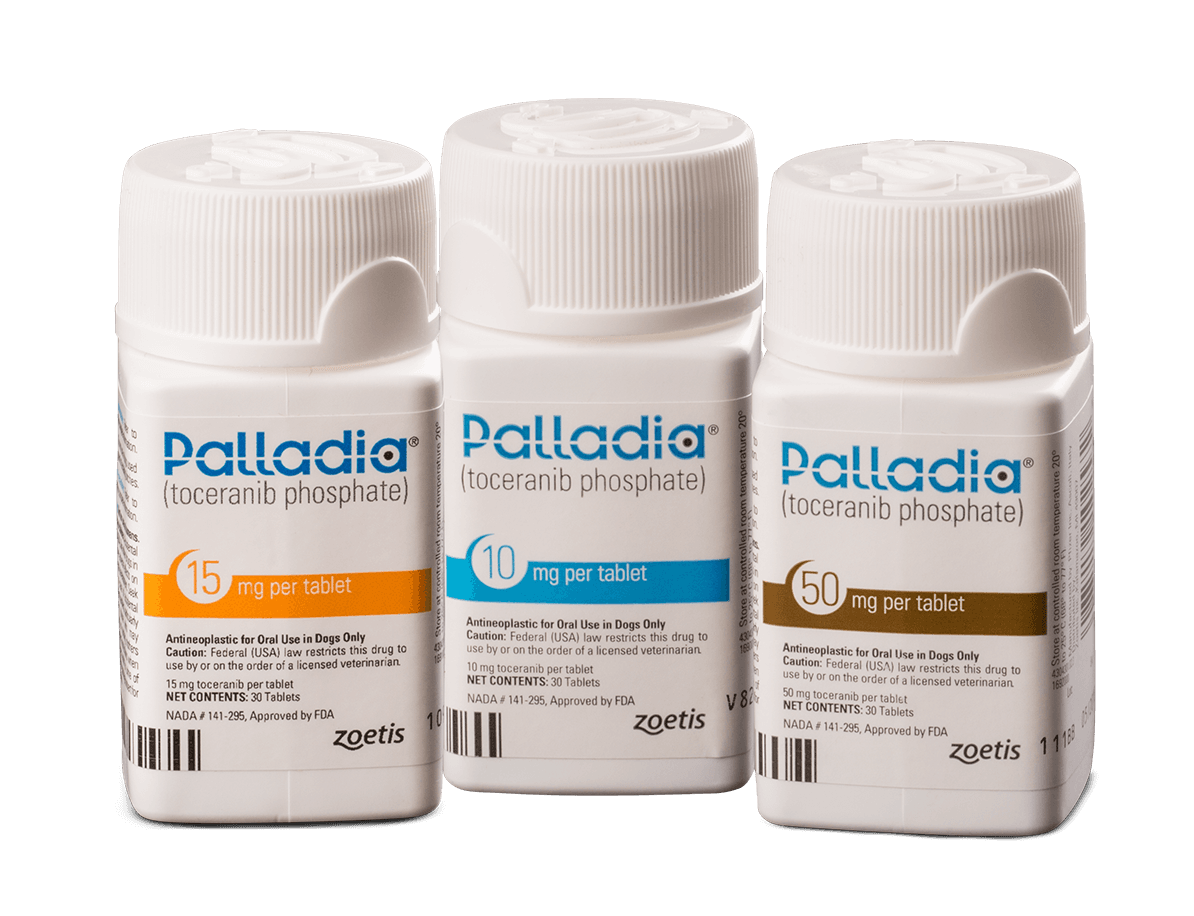
Palladia is a veterinary cancer medication for dogs with certain mast cell tumors. You can buy Palladia online, view the current Palladia price by tablet strength, and choose the strength and quantity that match your dog’s clinic directions. Palladia tablets are available in commonly used strengths such as 10mg, 15mg, and 50mg, and careful selection matters because oncology plans may use one strength or a combination of strengths.
Palladia medication contains toceranib phosphate, a targeted tyrosine kinase inhibitor used in canine oncology. BorderFreeHealth offers cash-pay, cross-border ordering for U.S. customers, with US delivery from Canada for completed orders. Keep your veterinary clinic’s most recent instructions nearby when choosing tablets, especially if monitoring visits have changed the treatment plan.
Palladia Price and Tablet Strength Selection
The Palladia price depends on the tablet strength and quantity chosen during ordering. Palladia 10mg, Palladia 15mg, and Palladia 50mg tablets each contain a different amount of toceranib, so the lowest bottle total may not be the right match for your dog’s schedule. The practical goal is to choose the exact tablet strength or strength combination your clinic has directed.
Palladia cost can also depend on how long a bottle lasts under the current plan. Some dogs stay on a stable schedule, while others need pauses or adjustments after lab work, appetite changes, stool changes, or tumor response. If your dog’s plan recently changed, use the updated clinic directions rather than an older bottle label or past routine.
Quick tip: Match the milligram strength, tablet count, and dosing calendar before comparing totals.
| Selection point | What to match before checkout |
|---|---|
| Strength | Use the exact mg strength named by the veterinary team. |
| Quantity | Compare the tablet count with the expected treatment interval. |
| Schedule | Follow the clinic’s current calendar, including any pauses. |
| Combination plans | Confirm each strength if more than one tablet size is used. |
For Palladia without insurance, focus on the cash-pay cost for the strength your dog actually needs. A different strength may look similar online, but it can change the amount of active medicine per tablet. Do not substitute Palladia 50mg tablets for Palladia 10mg tablets, or the reverse, unless your veterinary team has specifically changed the plan.
How to Order Palladia Online
Start by choosing the Palladia tablets that match the current clinic directions for your dog. Enter the quantity needed, review the strength carefully, and make sure the shipping address and contact information are accurate. If the veterinary team has recently paused treatment because of vomiting, diarrhea, bloodwork, or appetite concerns, clarify whether another supply should be purchased now.
We may review order details when needed to help ensure the tablet strength, quantity, and customer information are complete before pharmacy supply. For broader browsing across animal health products, the Pet Medications category keeps pet therapies separate from human medications while you assess related veterinary needs.
Palladia Ships from Canada to US for completed cross-border orders. Prompt, express shipping may be available for some orders, but treatment planning should not depend on an assumed arrival date. Keep enough time for clinic monitoring, order processing, and home handling preparation.
What Palladia Treats in Dogs
Palladia tablets for dogs are used in veterinary oncology for certain canine mast cell tumors. Mast cell tumors are cancers involving mast cells, which are immune-system cells found in the skin and other tissues. The role of Palladia depends on the tumor’s grade, stage, location, surgical history, spread, and your dog’s overall health.
Toceranib Palladia therapy works by blocking selected tyrosine kinase signals. In plain language, it interferes with pathways that may help some tumor cells grow or build blood supply. This makes Palladia a targeted cancer medicine rather than a general supplement or routine anti-inflammatory tablet.
Dogs may receive surgery, local treatment, systemic medication, or a combination of approaches. Some tumors are removed first, while others may require ongoing medical therapy because they cannot be fully removed, have returned, or have features that raise concern. The Mast Cell Tumors collection can help you browse related site categories, and Palladia for dogs offers additional owner-focused context to discuss with your clinic.
Palladia for cats appears in some online searches, but treatment in cats is a separate veterinary decision. Do not use canine oncology information to self-select therapy for a cat or any other pet. Species, diagnosis, weight, organ function, and monitoring needs can differ substantially.
Tablet Form, Handling, and Storage
Palladia pills are film-coated oral tablets. The coating helps reduce direct contact with the active ingredient during normal handling, but the medicine still requires careful household precautions. Keep tablets in the original labeled bottle when possible so another caregiver can identify the medication and avoid mix-ups.
Store the bottle at room temperature in a secure, dry place away from children, other animals, food-preparation areas, and damp locations. Avoid placing tablets in an unlabeled organizer if that increases the chance of confusion or direct contact. For travel, carry the bottle in a crush-resistant container and bring the clinic’s current schedule.
Do not split, crush, moisten, or break tablets unless the official directions and your veterinary team clearly support that handling plan. Damaged tablets can increase exposure risk. If a tablet breaks, wear disposable gloves and ask the clinic or pharmacist how to dispose of the pieces and any contaminated materials.
People who are pregnant, trying to become pregnant, or breastfeeding should avoid handling Palladia tablets and contaminated waste. Gloves are often recommended when giving cancer medicines at home and when cleaning vomit, stool, urine, bedding, or other soiled materials from a treated pet. Wash hands after handling the bottle, gloves, or waste.
Side Effects, Warnings, and Monitoring
Palladia for dogs can cause side effects, and early reporting helps the veterinary team respond before problems become severe. Common concerns include vomiting, diarrhea, decreased appetite, tiredness, weight loss, lameness, and changes around tumor sites. Some dogs tolerate treatment well, while others need supportive care, temporary pauses, or a different oncology plan.
Serious problems can include gastrointestinal bleeding or perforation, dehydration, high blood pressure, kidney or liver changes, protein loss, and low blood cell counts. Black stool, bloody vomit, severe diarrhea, collapse, marked weakness, or refusal to eat should be treated as urgent signs. Contact the veterinary team promptly if these symptoms occur.
Monitoring is part of responsible Palladia canine treatment. Clinics may recommend baseline bloodwork, urine testing, blood pressure checks, and repeat visits during therapy. These tests can help identify organ changes, dehydration, protein loss, or blood-count problems before they are harder to manage.
- Track appetite, stool quality, energy, weight, and vomiting.
- Call the clinic for black stool, bloody vomit, collapse, or severe diarrhea.
- Keep scheduled bloodwork, urine testing, and blood pressure checks.
- Ask whether a dose should be held after vomiting or appetite loss.
- Do not restart after a pause without clinic direction.
Why it matters: Safety findings can affect whether the next supply is appropriate for your dog.
Dogs with uncontrolled gastrointestinal ulceration, significant bleeding problems, severe organ dysfunction, recent serious wounds, infection, or unexplained bleeding may need extra review before continuing treatment. Breeding, pregnant, or lactating animals should not receive this medicine. Tell the veterinary team about all medicines and supplements your dog receives, including pain medicines, steroids, antibiotics, antifungals, stomach medications, and other cancer treatments.
What Owners May Notice Over Time
Response to Palladia chemotherapy for dogs varies. Some dogs may have tumor shrinkage, some may have stable disease for a period of time, and others may not receive enough benefit to continue. The treatment goal should be defined by the veterinary team using tumor measurements, physical exams, quality-of-life notes, and laboratory results.
A simple home log can make follow-up conversations easier. Record appetite, stool quality, energy, weight, vomiting, dosing days, and visible tumor changes. Photos may help document changes in skin tumors, redness, swelling, or discharge between visits.
How long a dog stays on Palladia depends on benefit, tolerability, tumor behavior, and quality-of-life goals. Do not repeat a vomited dose, change the schedule, or restart after a pause unless the clinic gives specific direction. These decisions depend on timing, symptoms, hydration, and current health status.
Interactions and Clinic Questions Before Reordering
Toceranib dog treatment may interact with medicines that increase gastrointestinal risk or affect how the body processes drugs. Nonsteroidal anti-inflammatory drugs, corticosteroids, certain antibiotics, antifungal medicines, other oncology drugs, and some supplements may require extra attention. Keep a current medication list and update it whenever another clinic adds or removes a product.
Before reordering Palladia tablets, ask which signs require same-day contact and which can wait for the next business day. Clarify whether treatment should continue if your dog develops diarrhea, vomiting, appetite loss, lameness, or unusual tiredness. Knowing the plan ahead of time helps you avoid buying a supply that may not be used if reassessment is needed.
Useful questions include the treatment goal, how tumor response will be measured, when lab work is due, and whether anti-nausea or stomach-protective medicines are part of the plan. Keep those answers with the dosing log so every caregiver follows the same instructions.
Comparing Related Veterinary Cancer Options
Palladia drug therapy is one option within a broader cancer-care plan. Alternatives or companion treatments may include surgery, radiation therapy, injectable chemotherapy, pain support, anti-nausea therapy, wound care, or other medicines. The best comparison depends on the tumor type, grade, stage, location, and the pet’s overall health.
For some oncology protocols, a clinic may discuss injectable chemotherapy such as Vincristine. Vincristine is not interchangeable with Palladia tablets. Administration route, appointment needs, monitoring, side-effect profile, and handling precautions differ.
Another veterinary oncology medicine that may appear in treatment conversations is Procytox. Comparing it with Palladia requires clinic guidance because cancer type, dosing approach, monitoring requirements, and risk profile are not the same. When weighing choices, focus on the practical home routine: whether medicine is given at home or in clinic, which tests are needed, how side effects are managed, and what outcome is realistic for your dog.
Authoritative Sources
Official labeling provides detailed information on Palladia’s approved use, dosing framework, adverse reactions, monitoring, and safe handling. The DailyMed Palladia label is a useful source for product-specific safety details.
Regulatory and manufacturer materials describe the medicine broadly, while your dog’s plan depends on diagnosis, monitoring, response, and quality-of-life goals. Use authoritative labeling together with the veterinary team’s directions, especially if side effects or lab changes occur during treatment.
This content is for informational purposes only and is not a substitute for professional medical advice.
Express Shipping - from $29.99
Shipping with this method takes 3-5 days
Prices:
- Dry-Packed Products $29.99
- Cold-Packed Products $39.99
Shipping Countries:
- United States (all contiguous states**)
- Worldwide (excludes some countries***)
Standard Shipping - $19.99
Shipping with this method takes 5-10 days
Prices:
- Dry-Packed Products $19.99
- Not available for Cold-Packed products
Shipping Countries:
- United States (all contiguous states**)
- Worldwide (excludes some countries***)
What is Palladia used for in dogs?
Palladia is used in veterinary oncology for certain canine mast cell tumors. Its role depends on tumor diagnosis, grade, stage, surgical history, spread, and the dog’s overall health, so use should be directed by a veterinary team.
How do I choose between Palladia 10mg, 15mg, and 50mg tablets?
Choose the exact tablet strength and quantity that match your dog’s current clinic directions. The milligram strength changes the amount of toceranib in each tablet, so do not substitute one strength for another unless the veterinary team has changed the plan.
What side effects should owners watch for with Palladia?
Common concerns include vomiting, diarrhea, reduced appetite, tiredness, weight loss, lameness, and tumor-site changes. Urgent signs include black stool, bloody vomit, severe diarrhea, collapse, marked weakness, or refusal to eat.
Can Palladia tablets be split or crushed?
Do not split, crush, moisten, or break Palladia tablets unless the official directions and veterinary team specifically support that handling plan. Broken tablets can increase household exposure to the cancer medicine.
Is Palladia the same as chemotherapy for dogs?
Palladia is a targeted cancer medicine called a tyrosine kinase inhibitor. It is used in canine oncology, but it differs from many traditional injectable chemotherapy drugs in how it is given, how it is monitored, and the side effects owners may need to watch for.
Can Palladia be used for cats?
Palladia for cats is a separate veterinary decision. Do not use canine treatment information to choose therapy for a cat, because species, diagnosis, dosing, organ function, and monitoring needs can differ.
Rewards Program
Earn points on birthdays, product orders, reviews, friend referrals, and more! Enjoy your medication at unparalleled discounts while reaping rewards for every step you take with us.
You can read more about rewards here.
POINT VALUE
How to earn points
- 1Create an account and start earning.
- 2Earn points every time you shop or perform certain actions.
- 3Redeem points for exclusive discounts.
You Might Also Like
Select options
This product has multiple variants. The options may be chosen on the product page
Select options
This product has multiple variants. The options may be chosen on the product page
Select options
This product has multiple variants. The options may be chosen on the product page
Select options
This product has multiple variants. The options may be chosen on the product page