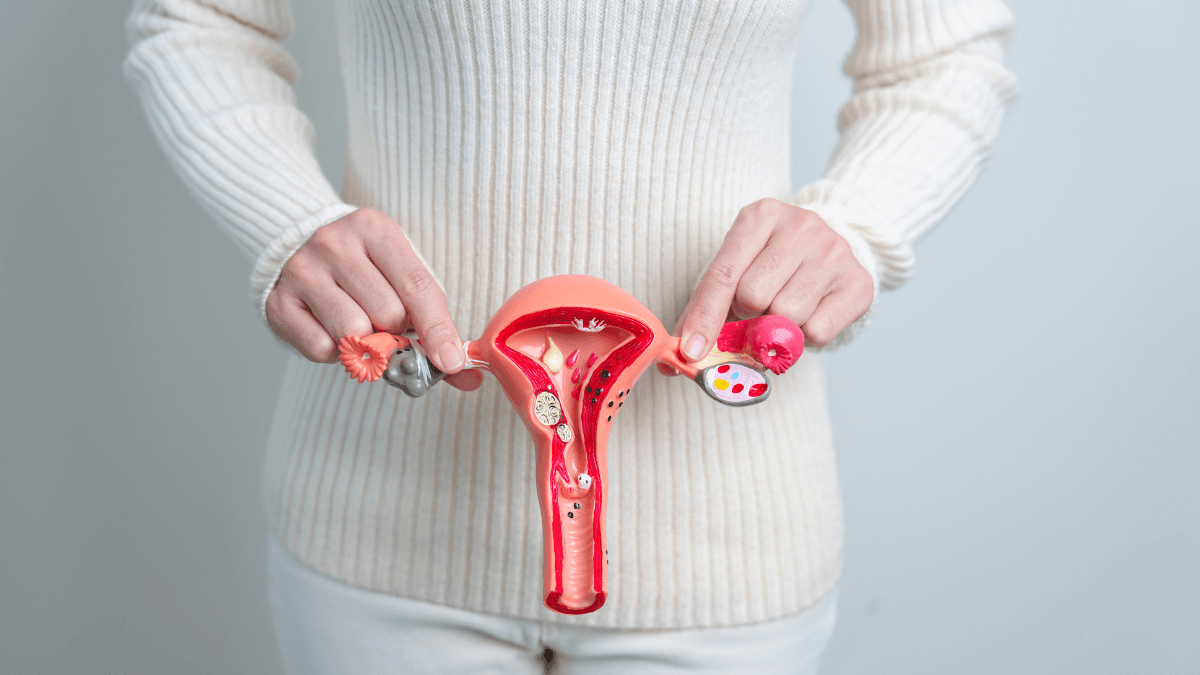
Imvexxy uses center on treating moderate to severe painful sex after menopause when it is related to vulvar and vaginal atrophy, now commonly discussed under genitourinary syndrome of menopause (GSM). It is a prescription vaginal estradiol insert designed to act locally on vaginal tissues, not a whole-body menopause treatment.
That distinction matters. Vaginal dryness, burning, irritation, and pain with sex can be deeply disruptive, but they can also overlap with infections, skin conditions, pelvic floor tension, and urinary concerns. A careful diagnosis helps prevent the wrong treatment path.
Key Takeaways
- Main use: Treats menopause-related painful sex linked to vaginal tissue changes.
- Local action: Delivers estradiol directly to vaginal tissues.
- Not for hot flashes: It is not meant for systemic menopause symptoms.
- Routine matters: Treatment often starts with a loading phase, then maintenance.
- Safety review: Bleeding after menopause needs medical evaluation.
If you want broader context on midlife reproductive health, the Women’s Health collection can help you explore related education in one place.
What Imvexxy Treats in Genitourinary Syndrome of Menopause
Imvexxy is used for moderate to severe dyspareunia (painful sex) after menopause when the pain is due to vulvar and vaginal atrophy. Vulvar and vaginal atrophy describes thinning, dryness, and fragility of genital tissues after estrogen levels fall. GSM is the broader term many clinicians use because changes can involve the vulva, vagina, urethra, and lower urinary tract.
In plain language, the problem may feel like dryness that does not improve, burning, tearing, soreness after sex, or a sense that penetration has become difficult. Some people also notice urinary urgency, irritation around the urethra, or recurring discomfort that feels like a urinary tract infection. These symptoms deserve evaluation because similar sensations can come from yeast, bacterial vaginosis, lichen sclerosus, contact dermatitis, or pelvic floor muscle guarding.
Imvexxy uses do not include treating hot flashes, night sweats, mood changes, or sleep disruption from menopause. Those are systemic symptoms, meaning they involve the whole body. A local vaginal estrogen product is aimed at local tissue comfort.
Why it matters: Naming GSM can reduce shame and make symptoms easier to discuss.
For sexual comfort topics that include intimacy, communication, and symptom awareness, you can also browse the Sexual Health collection.
How Local Estradiol Works in Vaginal Tissue
Local estradiol works by supplying estrogen directly where low-estrogen tissue changes occur. Estradiol is a form of estrogen that helps maintain vaginal thickness, elasticity, moisture, and a more typical acidic environment. When estrogen declines after menopause, tissue may become thinner, drier, and more prone to friction-related pain.
The insert is placed in the vagina so the medication can contact local tissue. This route generally produces lower whole-body exposure than oral or transdermal estrogen, but it is still estrogen therapy. That is why labeling includes warnings, contraindications, and instructions to use the lowest effective dose for the appropriate duration under medical supervision.
Some people search for Imvexxy reviews because they want to know how quickly comfort may return. Experiences vary. Tissue changes often improve gradually, and pain with sex may also involve lubrication habits, anxiety after prior pain, pelvic floor tension, or relationship factors. Medication may be one part of care, not the whole plan.
For a broader look at menopause-related body changes, see Menopause and Beyond.
Who May Benefit, and Who Needs Extra Caution
People may be considered for local vaginal estrogen when menopause-related painful sex is moderate to severe, persistent, and linked to tissue changes. A clinician may ask about the location of pain, bleeding, discharge, urinary symptoms, prior cancer history, clotting history, and current medicines. A pelvic exam may help confirm whether GSM is likely or whether another condition needs treatment.
Extra caution is important for anyone with unexplained vaginal bleeding, known or suspected estrogen-dependent cancer, active or past blood clots, stroke, heart attack, liver disease, or pregnancy. Product labeling for estrogen therapies also includes serious warnings about cardiovascular disorders, dementia, breast cancer, and endometrial cancer. These warnings do not mean every person has the same risk. They do mean the decision should be individualized.
Bleeding after menopause should never be brushed off as a normal side effect. It can have several causes, including benign ones, but it needs prompt clinical assessment. New chest pain, sudden shortness of breath, severe headache, one-sided weakness, vision changes, or painful leg swelling also warrants urgent care.
If non-hormonal options are preferred or required, moisturizers and lubricants may still help. Vaginal moisturizers are used regularly to support baseline comfort. Lubricants reduce friction during sexual activity. These products do not rebuild tissue the same way estrogen may, but they can be useful alone or alongside prescribed care.
Starter Pack, Maintenance Use, and Practical Routine Questions
The starter pack and maintenance pack support different phases of treatment. Many vaginal estradiol plans begin with more frequent use for a short initial period, then shift to a less frequent maintenance schedule. The exact schedule should come from the prescription label and the prescriber’s instructions.
Packaging can confuse people because the first carton may not look like later refills. An Imvexxy starter pack reflects the initial treatment phase. Maintenance packaging is intended for ongoing use after that start-up period. If the carton, pharmacy label, or prescriber instructions do not match, contact the pharmacy or clinician before guessing.
How long you can stay on local vaginal estrogen depends on your symptoms, risks, and follow-up plan. Some people continue long term with periodic reassessment. Others stop or change therapy if symptoms improve, adverse effects appear, or a new health issue changes the risk-benefit balance. Do not change the schedule on your own without discussing it with the prescriber.
Quick tip: A calendar reminder can make the maintenance routine easier to follow.
If you need to review the product format before a visit, the Imvexxy listing provides a basic product reference without replacing medical guidance.
How to Use Vaginal Inserts Comfortably
Comfort starts with clean hands, a relaxed position, and gentle placement. Imvexxy is designed for manual vaginal insertion rather than use with an applicator. Many people prefer bedtime because lying down may reduce awareness of leakage or residue.
Do not force insertion. Pain during placement may reflect severe dryness, vulvar irritation, pelvic floor muscle tightness, or another condition. A small amount of discharge or residue can occur as the insert softens and disperses. Strong odor, worsening burning, significant itching, or unusual discharge should be discussed with a clinician because infection or dermatitis may need separate treatment.
People often ask how long it takes for the insert to dissolve. Dissolving can vary with placement, body temperature, and vaginal moisture. The more useful question is whether symptoms, comfort, and side effects are being tracked over time. A simple symptom note can help at follow-up: pain level, dryness, spotting, urinary discomfort, and whether sex or insertion remains difficult.
Alcohol does not have a widely recognized direct interaction with local vaginal estradiol. Still, alcohol can affect sleep, arousal, irritation, or bladder symptoms in some people. If you notice a pattern, mention it at follow-up rather than assuming it is unrelated.
Ingredients, Myths, and Generic Questions
Imvexxy contains estradiol as the active ingredient. Inactive ingredients form the softgel and help it release after placement. People with allergies or sensitivities should check the patient information leaflet and pharmacy label because excipients can matter, especially if prior vaginal products caused burning or irritation.
A common myth is that this type of product is made from horse urine. Imvexxy is an estradiol vaginal insert, not a conjugated estrogen product historically associated with pregnant mare urine sourcing. If product sourcing matters to you, ask the pharmacist to review the specific medication and manufacturer information.
People also search for Imvexxy generic or Imvexxy vs estradiol. Estradiol is the active hormone. Imvexxy is one branded vaginal insert form that delivers estradiol locally. Other estradiol vaginal products may differ by form, inactive ingredients, insertion method, approved use, and dosing instructions. A generic or alternative is not automatically interchangeable in how it feels to use, so pharmacy substitution questions should be handled by the prescriber and pharmacist.
If you are comparing generic estradiol tablet options for vaginal dryness, Generic Vagifem offers related background on another local estradiol approach.
Side Effects and Warning Signs to Watch
Imvexxy side effects can include local irritation, vaginal discharge, spotting, or discomfort. Some people may report breast tenderness, headache, nausea, abdominal discomfort, or yeast-like symptoms. Hair loss and weight gain are not usually the main concerns discussed with local vaginal estrogen, but any new or distressing symptom should be reviewed rather than dismissed.
Serious symptoms need faster action. Seek urgent care for chest pain, sudden shortness of breath, coughing blood, severe headache, weakness or numbness on one side, sudden vision changes, or painful swelling in one leg. Contact a clinician promptly for any postmenopausal bleeding, new breast lump, severe pelvic pain, or signs of an allergic reaction.
The label warnings for estrogen therapy can feel alarming. They exist so patients and clinicians can weigh risks carefully, especially when there is a history of cancer, blood clots, stroke, heart disease, liver disease, or unexplained bleeding. If any of these apply, ask what non-estrogen or lower-exposure options may fit your situation.
How It Compares With Other Vaginal Estrogen Options
Vaginal estrogen products differ by form, dose, insertion method, residue, and routine burden. The best fit is often the one a person can use consistently and comfortably. That can depend on dexterity, pelvic pain, sensitivity to inactive ingredients, comfort with applicators, and preference for daily, twice-weekly, or longer-wear routines.
A common comparison is Imvexxy and Vagifem. Both involve local estradiol, but Vagifem is a vaginal tablet typically used with an applicator, while Imvexxy is a softgel insert placed manually. Some people like avoiding an applicator. Others prefer the structure of an applicator or feel more confident with tablet placement.
Vaginal rings and creams offer different tradeoffs. A ring can reduce how often someone handles medication, but it requires comfort with placement and removal. A cream may help when vulvar tissue also needs attention, but it can feel messier and may involve measuring doses. These are practical differences, not proof that one option is best for everyone.
| Option | Typical experience | Questions to ask |
|---|---|---|
| Softgel insert | Manual placement, no applicator | Will insertion feel comfortable? |
| Vaginal tablet | Often applicator-based | Is applicator use easy or irritating? |
| Vaginal ring | Longer-wear routine | Am I comfortable with placement? |
| Vaginal cream | Flexible but may feel messier | Do I need vulvar application too? |
For product-format comparison, review Vagifem Vaginal Tablets, the Vaginal Estradiol Ring, or Premarin Vaginal Cream before discussing options with a clinician.
People also compare estrogen types. Conjugated estrogen cream is not the same as estradiol, and it may be used differently. For more background on that therapy in menopause care, see Premarin for Hot Flashes and Vaginal Dryness.
Access, Refills, and Questions for Your Clinician
Before starting or refilling any vaginal estrogen, it helps to prepare focused questions. Ask what symptom the medication is meant to treat, how success will be judged, when follow-up should happen, and what side effects should trigger a call. Also ask whether non-hormonal moisturizers, lubricants, pelvic floor therapy, or evaluation for infections should be part of the plan.
If cost or access affects your choices, compare product forms neutrally with your care team. BorderFreeHealth connects U.S. patients with licensed Canadian partner pharmacies, and prescription details may be verified with the prescriber when required before dispensing. Cash-pay, cross-border prescription options may be available for patients without insurance, depending on eligibility and jurisdiction.
To compare broader product categories without treating the list as medical advice, browse Women’s Health Options.
Authoritative Sources
For official product details, see the DailyMed label for estradiol vaginal inserts.
For menopause society patient education, review The Menopause Society patient resources.
For general clinical background on vaginal estradiol, see Mayo Clinic information on vaginal estradiol.
Recap
Imvexxy uses are specific: it is a local estradiol vaginal insert used after menopause for moderate to severe painful sex related to vulvar and vaginal atrophy. It may help GSM-related tissue changes, but it is not intended for whole-body menopause symptoms such as hot flashes.
The best next step is a focused conversation with a clinician. Bring your symptoms, bleeding history, cancer and clot history, current medicines, and practical concerns about insertion or adherence. A treatment plan should fit both your medical history and your real life.
This content is for informational purposes only and is not a substitute for professional medical advice.