
Please note: a valid prescription is required for all prescription medication.
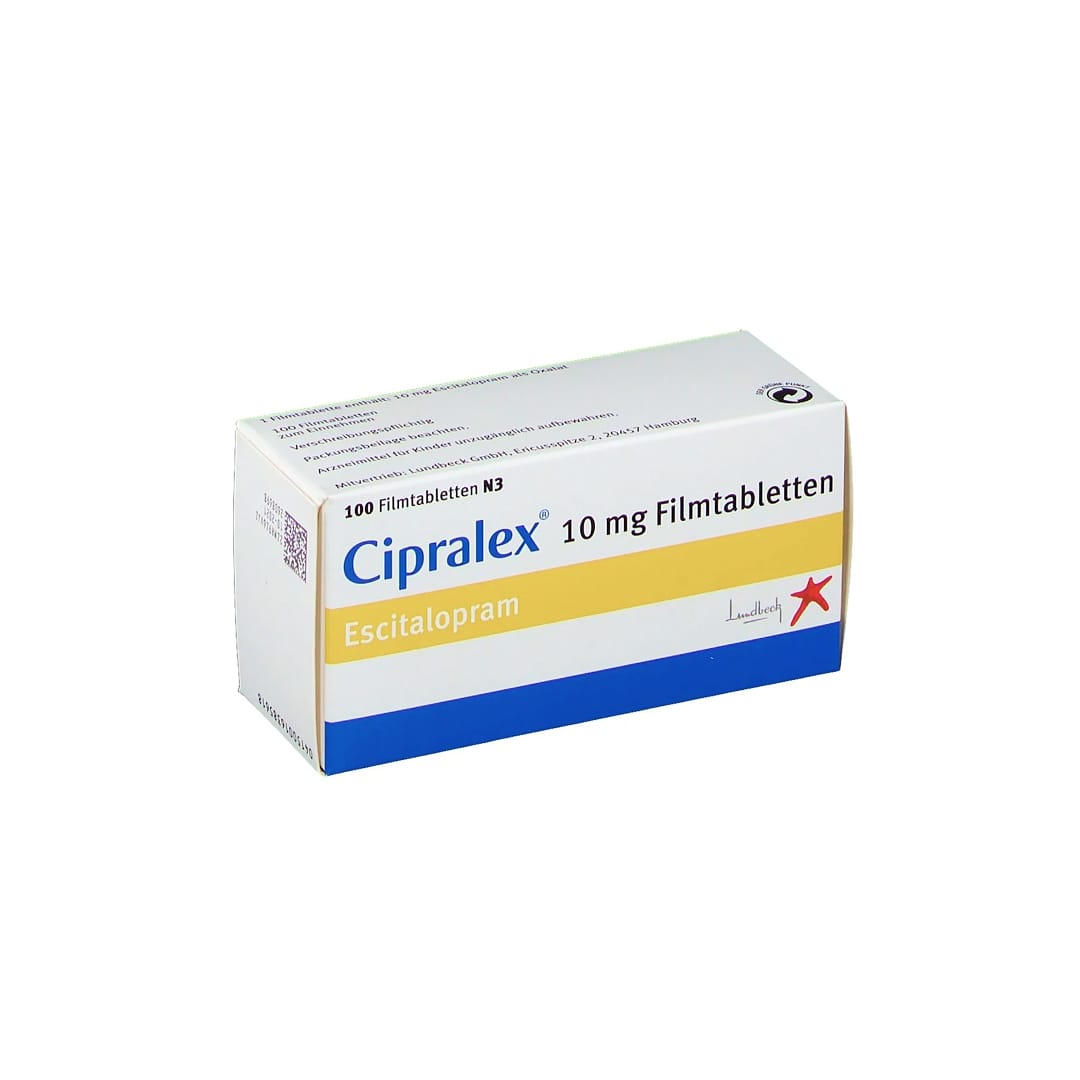
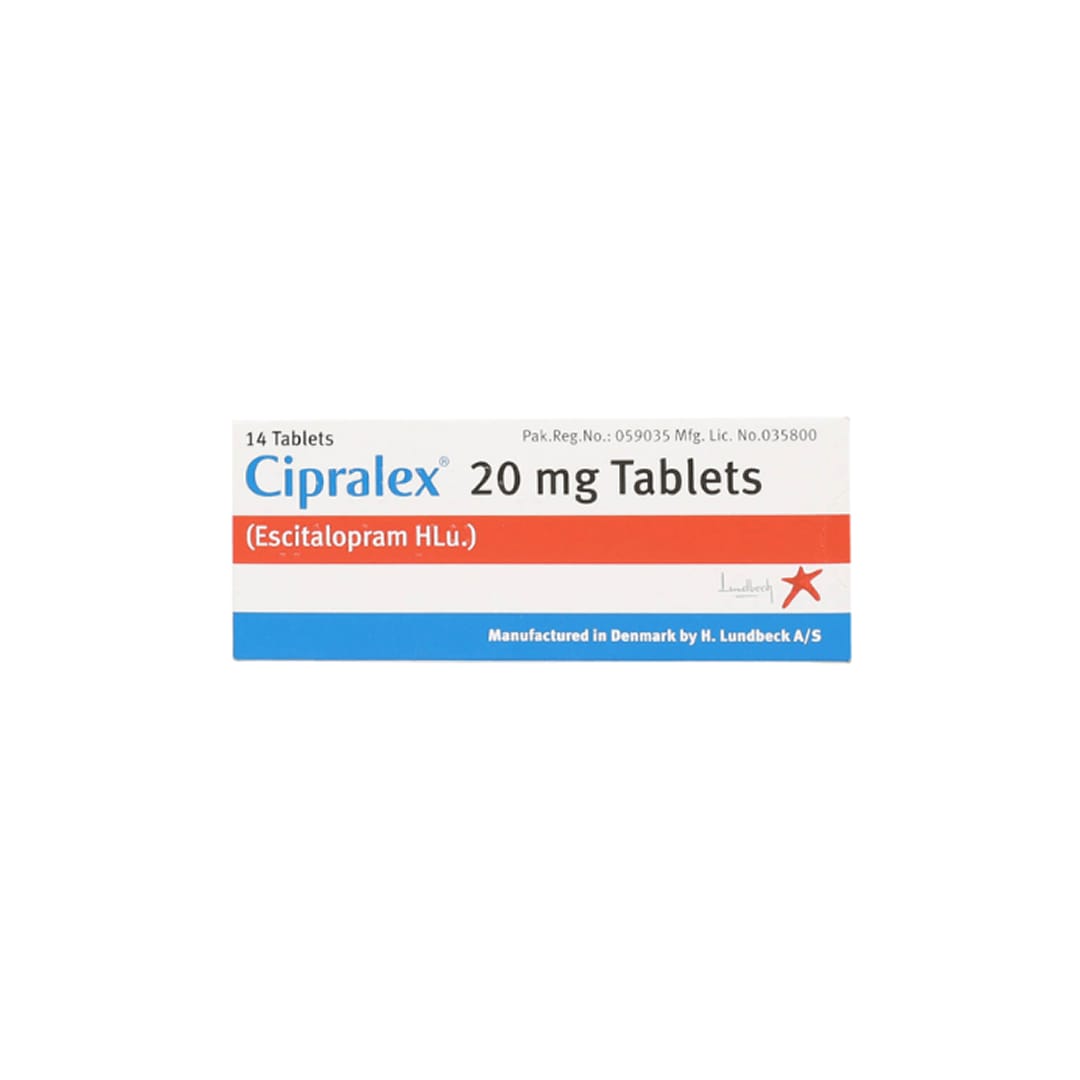
Cipralex (Lexapro)
Buy Cipralex (Lexapro) Online
Secure Encrypted Payments
Cipralex (Lexapro) is an escitalopram medicine used for major depressive disorder and generalized anxiety disorder. It can be ordered online through BorderFreeHealth, with US delivery from Canada available as part of the service. Choose the dose or strength shown during ordering and match it to the directions from your clinician.
Cipralex and Lexapro are brand names used in different markets for escitalopram, a selective serotonin reuptake inhibitor, or SSRI. The same active ingredient can appear under different brand or generic names, so the most important details to match are the drug name, strength, form, and daily directions.
Cipralex Price, Strength Selection, and Ordering Basics
Cipralex price can vary by brand or generic supply, strength, quantity, and cash-pay needs. The ordering screen is the best place to view current cost information before you choose the strength that matches your treatment directions. Common search interest often centers on Cipralex 10 mg and Cipralex 20 mg tablets, but your actual selection should follow the strength shown for the product and the instructions you were given.
Escitalopram is usually taken once daily. Some people take it in the morning, while others take it in the evening if it feels sedating. Consistency matters more than the clock time for many patients, unless a clinician gives a specific timing instruction.
Before placing an order, keep your medication list close by. Escitalopram can interact with other antidepressants, migraine medicines, pain medicines, blood thinners, supplements, and alcohol. Clear information about current medicines, allergies, and prior reactions helps reduce avoidable safety problems.
- Active ingredient: escitalopram.
- Brand names: Cipralex and Lexapro are market-specific names for escitalopram.
- Strength choice: match the dose or strength shown during ordering to clinician directions.
- Daily use: escitalopram is commonly taken once each day.
What Cipralex Is Used For
Cipralex is used to treat depression and generalized anxiety disorder. Depression may involve persistent low mood, loss of interest, sleep changes, appetite changes, fatigue, guilt, poor concentration, or thoughts of self-harm. Generalized anxiety disorder often involves ongoing worry that is hard to control, with symptoms such as restlessness, muscle tension, irritability, sleep trouble, or difficulty concentrating.
Escitalopram belongs to the SSRI class. SSRIs affect serotonin signaling in the brain, which can help improve mood and reduce anxiety symptoms over time. They are not immediate calming medicines, and early side effects may appear before the full benefit becomes clear.
People exploring treatment categories may find the Depression and Generalized Anxiety Disorder sections useful for understanding how escitalopram fits among other mental health therapies. Those sections can help you prepare better questions about symptoms, goals, and tolerability.
Why it matters: A medicine that helps one person with anxiety or depression may not be the right fit for another person’s history.
Cipralex and Lexapro: Same Active Ingredient
Cipralex and Lexapro both refer to escitalopram. The name seen on a package can depend on the country, manufacturer, and market labeling. When you compare Cipralex and Lexapro, focus on the active ingredient, strength, form, and directions rather than the brand name alone.
Escitalopram is related to citalopram but is not the same medicine. Escitalopram contains the active S-enantiomer of citalopram, and the two products are dosed differently. Do not swap between citalopram and escitalopram based only on name similarity.
If your prior bottle says Lexapro and the new package says Cipralex, the active ingredient may still be escitalopram. The label should still be checked carefully so the strength and instructions align. If a tablet looks different after a refill, ask the supplying pharmacy to identify it before taking it.
How to Take Escitalopram Safely
Escitalopram is typically taken once daily, with or without food. Taking it at the same time each day can make missed doses less likely. If nausea occurs, taking the medicine with food may be more comfortable for some people, as long as the label does not instruct otherwise.
Do not increase, skip, or stop escitalopram suddenly without medical guidance. Stopping abruptly can cause dizziness, irritability, headache, sleep disturbance, nausea, electric-shock sensations, or other discontinuation symptoms. A planned taper may be needed when treatment changes.
If a dose is missed, follow the package instructions or ask a pharmacist how to proceed. Doubling up later can raise side effect risk and usually is not the safest response. Keep the original labeled container until the next refill so the strength remains easy to confirm.
Alcohol deserves caution. It can worsen sleepiness, judgment, coordination, and depression symptoms. Alcohol can also make it harder to tell whether fatigue, mood changes, or sleep problems are from the medicine, the condition being treated, or both.
Side Effects, Warnings, and Monitoring
Escitalopram side effects are often most noticeable during the first days or weeks. Common effects include nausea, headache, dry mouth, sweating, dizziness, sleepiness, insomnia, stomach upset, and sexual side effects. Some people also feel more restless or anxious when starting treatment.
There is no single biggest side effect for every person, but nausea is one of the commonly reported early complaints. Sexual side effects can also be important because they may affect adherence. Tell a clinician if side effects are persistent, severe, or making it hard to continue treatment.
Serious symptoms need urgent attention. Seek help for suicidal thoughts, severe agitation, new or worsening panic, unusual behavior changes, fever with confusion or stiff muscles, fainting, seizure, severe allergic reaction, unusual bleeding, or a sudden shift into mania. Family members or trusted contacts may notice worsening mood or risky behavior before the patient does.
Escitalopram carries important caution in children, teenagers, and young adults because antidepressants may increase suicidal thoughts or actions in some people, especially early in treatment or after dose changes. Monitoring is also important for older adults, who may be more vulnerable to low sodium. Low sodium can cause confusion, weakness, severe headache, unsteadiness, or seizures.
Escitalopram is not usually described as being hard on one organ in a simple way. However, liver function, heart-rhythm history, seizure history, bleeding risk, bipolar disorder, pregnancy, breastfeeding, and other medicines can change how carefully treatment should be monitored. People with a history of mania or bipolar disorder need special evaluation because an antidepressant can trigger manic symptoms in some cases.
- Common early effects: nausea, headache, sweating, dizziness, dry mouth, and sleep changes.
- Common ongoing concerns: sexual side effects, fatigue, or insomnia.
- Urgent concerns: suicidal thoughts, severe agitation, seizure, fainting, mania, or serotonin syndrome symptoms.
- Monitoring issues: mood changes, low sodium, bleeding risk, heart rhythm, and medication interactions.
Interactions and What to Avoid
Escitalopram should not be combined with monoamine oxidase inhibitors, also called MAOIs. This includes some older antidepressants and certain other medicines such as linezolid or methylene blue in specific contexts. Combining MAOIs with escitalopram can cause dangerous serotonin toxicity.
Other serotonergic medicines can also raise serotonin syndrome risk. Examples include some migraine medicines, tramadol, lithium, other antidepressants, and St. John’s wort. Symptoms can include agitation, sweating, diarrhea, fever, tremor, muscle stiffness, confusion, or rapid heart rate.
Bleeding risk may increase when escitalopram is taken with aspirin, nonsteroidal anti-inflammatory drugs such as ibuprofen or naproxen, warfarin, or other blood thinners. This does not always mean the combination is forbidden, but it does mean bruising, nosebleeds, black stools, or unusual bleeding should be taken seriously.
Heart-rhythm concerns also matter. Escitalopram can affect the QT interval in some patients, especially at higher exposure or when combined with other QT-prolonging medicines. People with fainting episodes, known rhythm problems, low potassium or magnesium, or significant heart disease should make sure those risks are part of the treatment discussion.
Quick tip: Keep one updated list of medicines, supplements, and occasional pain relievers in your phone.
Storage, Refills, and Travel
Store tablets at room temperature in the original packaging, away from moisture, heat, and direct light. Bathrooms and hot cars are poor storage places. Keep the label attached so the medicine can be identified quickly if questions come up.
During travel, carry the labeled container and a copy of the medication record if available. Do not mix tablets with other medicines in an unlabeled bottle. Children, teens, visitors, and pets should not be able to reach the container.
If tablets look chipped, discolored, damp, or different from the prior supply, contact the pharmacy before taking them. Manufacturer changes can happen, but the active ingredient and strength still need to match. For logistics, prompt, express shipping may be available after order details are completed.
Comparing Escitalopram With Other Mental Health Options
Escitalopram is one treatment option within the broader mental health category. It is often compared with other SSRIs, such as sertraline, and with non-SSRI medicines used for depression or anxiety. The right choice depends on the condition being treated, prior response, side effects, sleep pattern, sexual side effects, weight concerns, and other health conditions.
SSRIs are commonly used for both depression and anxiety disorders, but they can cause sexual side effects, nausea, sweating, and sleep changes. Bupropion works differently and may be considered when sedation or sexual side effects are a concern, though it can be activating and is not used the same way as an SSRI. Buspirone is sometimes used for anxiety but is not usually treated as a direct antidepressant substitute.
The Mental Health category can help with broader medication browsing, while Mental Health Articles can support deeper reading about symptoms, treatment tradeoffs, and patient questions. Use those materials to prepare for a focused conversation about benefits, side effects, and goals.
| Option | Class | Why it may be discussed | Important distinction |
|---|---|---|---|
| Escitalopram | SSRI | Used for depression and generalized anxiety disorder | May cause nausea, sleep changes, sweating, or sexual side effects |
| Sertraline | SSRI | Often considered for depression or anxiety disorders | Side-effect pattern and dosing approach differ |
| Bupropion | NDRI antidepressant | May be discussed when SSRI sexual side effects are a concern | Can be stimulating and may not suit seizure-risk histories |
| Buspirone | Anxiolytic | Sometimes used for anxiety symptoms | Not usually a full substitute for depression treatment |
Questions to Discuss Before Starting or Continuing
Good treatment decisions start with a clear symptom picture. Mention whether anxiety, depression, panic, sleep changes, alcohol use, trauma symptoms, or concentration problems are most disruptive. Also share any prior antidepressant response, including agitation, emotional blunting, sexual side effects, weight changes, or withdrawal symptoms after stopping.
Medical history can change the risk-benefit balance. Important topics include bipolar disorder or manic episodes, seizures, liver disease, low sodium, bleeding disorders, heart-rhythm problems, glaucoma risk, pregnancy plans, breastfeeding, and planned surgery. A complete medicine and supplement list is just as important as the mental health history.
Ask what changes should trigger follow-up. Worsening depression, suicidal thoughts, severe restlessness, confusion, fainting, unusual bleeding, or symptoms of serotonin syndrome should not wait for a routine appointment. If escitalopram helps but side effects remain difficult, there may be ways to adjust timing, manage symptoms, or consider a different medication plan.
Authoritative Sources
For official patient information about escitalopram uses, warnings, and safety counseling, see MedlinePlus escitalopram drug information.
For detailed prescribing warnings, contraindications, adverse reactions, and interaction information, see the FDA-approved Lexapro prescribing information.
For a clinician-reviewed summary of escitalopram use and common effects, see the Mayo Clinic escitalopram overview.
This content is for informational purposes only and is not a substitute for professional medical advice.
QTc Calculator
Calculate corrected QT interval from measured QT and heart rate.
QTc
-
milliseconds
RR interval
-
seconds
These calculations are for education only and do not replace clinical advice, diagnosis, or treatment. Always confirm medical decisions with a qualified healthcare professional.
Express Shipping - from $29.99
Shipping with this method takes 3-5 days
Prices:
- Dry-Packed Products $29.99
- Cold-Packed Products $39.99
Shipping Countries:
- United States (all contiguous states**)
- Worldwide (excludes some countries***)
Standard Shipping - $19.99
Shipping with this method takes 5-10 days
Prices:
- Dry-Packed Products $19.99
- Not available for Cold-Packed products
Shipping Countries:
- United States (all contiguous states**)
- Worldwide (excludes some countries***)
Are Cipralex and Lexapro the same?
Yes. Cipralex and Lexapro are brand names used in different markets for escitalopram. When comparing them, confirm the active ingredient, strength, form, and directions rather than relying on the brand name alone.
What is Cipralex 10 mg used for?
Cipralex contains escitalopram, an SSRI used for major depressive disorder and generalized anxiety disorder. The right strength depends on individualized treatment directions and tolerability.
What is the most common side effect of Lexapro or Cipralex?
There is no single side effect that affects everyone, but nausea is one of the commonly reported early effects. Headache, sweating, dry mouth, sleep changes, dizziness, and sexual side effects can also occur.
What should I avoid while taking Cipralex?
Avoid adding MAOIs, other serotonergic medicines, St. John’s wort, or blood-thinning medicines without medical guidance. Alcohol can worsen sleepiness, judgment, and mood symptoms, so it deserves caution.
Is Lexapro hard on any organ?
Lexapro is not usually described as hard on one organ in a simple way. However, liver disease, heart-rhythm history, low sodium risk, seizure history, and bleeding risk can affect monitoring and medicine choice.
Rewards Program
Earn points on birthdays, product orders, reviews, friend referrals, and more! Enjoy your medication at unparalleled discounts while reaping rewards for every step you take with us.
You can read more about rewards here.
POINT VALUE
How to earn points
- 1Create an account and start earning.
- 2Earn points every time you shop or perform certain actions.
- 3Redeem points for exclusive discounts.
You Might Also Like
Select options
This product has multiple variants. The options may be chosen on the product page
Select options
This product has multiple variants. The options may be chosen on the product page
Select options
This product has multiple variants. The options may be chosen on the product page
Select options
This product has multiple variants. The options may be chosen on the product page