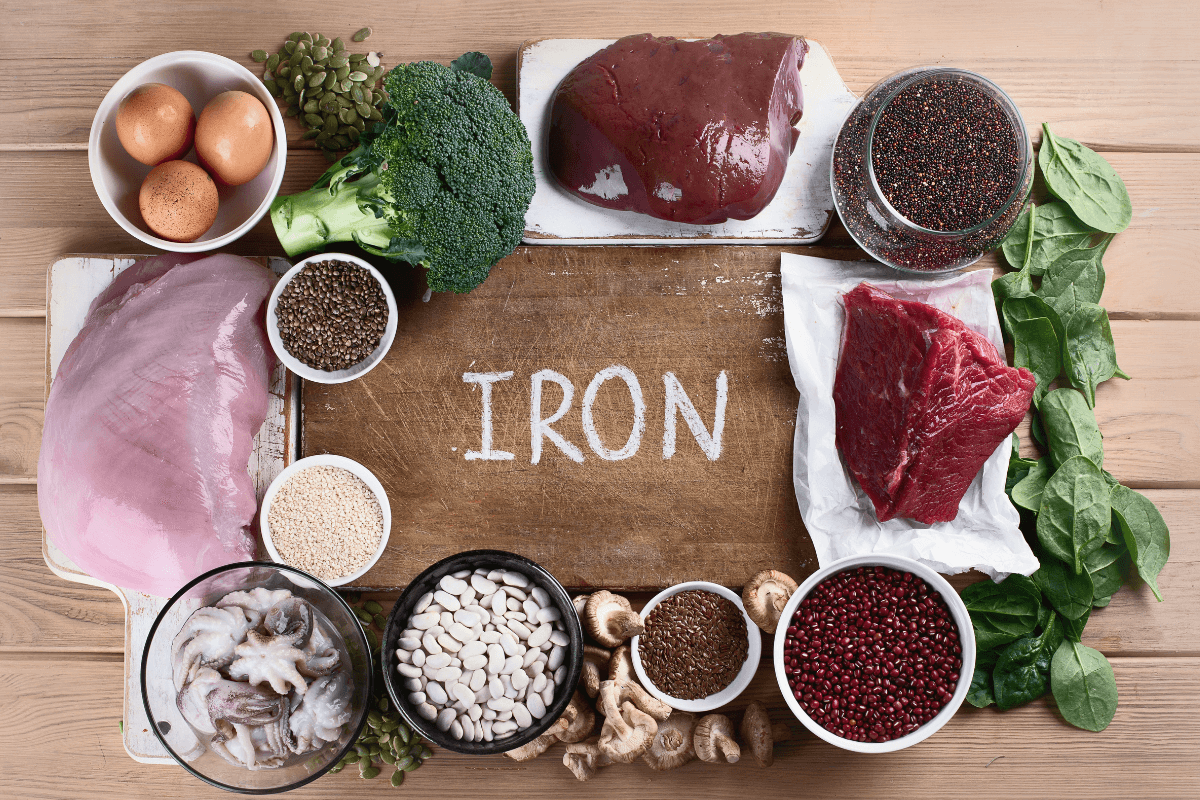
Iron-rich foods can support iron deficiency anemia by helping your body rebuild iron stores, but food is only one part of care. The most helpful plan combines high-iron meals, vitamin C pairings, and attention to absorption blockers such as tea, coffee, and large calcium servings. Just as important, a clinician should look for the reason iron is low.
Iron deficiency anemia means the body does not have enough iron to make healthy red blood cells. This can lead to fatigue, weakness, shortness of breath, dizziness, headaches, brittle nails, or restless legs. Diet changes may help, but ongoing blood loss, pregnancy, digestive conditions, or medication timing can change what you need.
Key Takeaways
- Food can help: Meat, seafood, legumes, tofu, seeds, greens, and fortified grains can raise iron intake.
- Absorption matters: Vitamin C helps non-heme iron, while tea, coffee, and calcium can reduce absorption.
- Cause still matters: Heavy periods, pregnancy, bleeding, and gut absorption issues need clinical review.
- Plants can work: Vegetarian meals need consistent iron sources and smart pairings.
- Supplements differ: Do not start, stop, or change iron therapy without clinician guidance.
How Iron-Rich Foods Fit Into Anemia Care
Iron rich foods iron deficiency anemia planning works best when it supports, not replaces, medical evaluation. The body uses iron to make hemoglobin, the protein in red blood cells that carries oxygen. When iron runs low, red blood cells may become smaller and carry less oxygen than usual.
Why this matters: anemia symptoms can feel vague. Tiredness, brain fog, and shortness of breath may be blamed on stress or aging. Yet low iron can also signal something that needs attention, such as heavy menstrual bleeding or gastrointestinal blood loss. If symptoms persist, ask about hemoglobin, ferritin (stored iron), and other iron studies.
Food choices are still powerful because they create the daily supply. A meal plan does not need to be perfect. It needs to be repeatable, affordable, and matched to your appetite, culture, and cooking capacity.
What food is highest in iron for anemia?
The highest-iron choices often include organ meats, shellfish, red meat, sardines, legumes, tofu, pumpkin seeds, and fortified cereals. But the best food for one person may not be the best for another. Pregnancy, vegetarian eating, kidney disease, digestive disorders, and medication use can all change the safest plan.
Many people look for one “top” food. A better goal is a weekly pattern. Mix easy animal sources, plant sources, and fortified foods when they fit your diet. If you avoid meat, focus on beans, lentils, tofu, tempeh, seeds, quinoa, dark greens, and enriched grains.
Can you raise iron quickly with food?
Food can improve intake right away, but lab improvement may require more than meals. If iron stores are very low, your clinician may recommend oral iron or another treatment. Food can still reduce gaps and make treatment easier to sustain.
Seek prompt medical advice if you have chest pain, fainting, black or bloody stools, severe shortness of breath, or rapidly worsening weakness. Those symptoms need more than a grocery list.
Heme and Non-Heme Iron: Why Absorption Changes by Meal
Iron comes in two main forms: heme iron and non-heme iron. Heme iron comes from animal foods, including meat, poultry, fish, and shellfish. The body generally absorbs it more readily. Non-heme iron comes from plant foods and fortified foods. It can still be valuable, but the meal around it affects absorption more.
Vitamin C can improve non-heme iron absorption when eaten at the same meal. Good helpers include oranges, strawberries, kiwi, tomatoes, bell peppers, broccoli, and lemon juice. A lentil soup with tomatoes, tofu with peppers, or fortified cereal with berries uses this simple pairing.
Some foods and drinks can reduce absorption when taken with iron-focused meals. Tea and coffee contain polyphenols that can bind iron. Large calcium servings or calcium supplements may also interfere. High-bran foods can lower absorption in some meal patterns. This does not mean those foods are “bad.” Timing is the tool.
Quick tip: Keep coffee or tea between meals when your main goal is iron absorption.
Eggs deserve a practical note. Two eggs provide some nutrients, but they are not usually enough iron by themselves for iron deficiency anemia. If eggs are a breakfast staple, add an iron source such as fortified toast or cereal, beans, spinach, or a vitamin C fruit on the side.
Everyday Iron Sources You Can Build Meals Around
The easiest iron rich foods iron deficiency anemia plan starts with foods you already tolerate. Start with two breakfasts, two lunches, and two dinners you can repeat. Then rotate flavor, grains, or vegetables.
| Food Group | Examples | Meal Planning Move |
|---|---|---|
| Heme iron foods | Lean beef, dark turkey meat, sardines, salmon, clams | Add peppers, broccoli, citrus, or tomato-based sides. |
| Plant proteins | Lentils, chickpeas, beans, tofu, tempeh | Use lemon, tomatoes, salsa, or fruit in the same meal. |
| Nuts and seeds | Pumpkin seeds, sesame, tahini, cashews | Sprinkle on oatmeal, salads, bowls, or smoothies. |
| Vegetables | Spinach, kale, peas, broccoli, beet greens | Cook greens to make larger portions easier to eat. |
| Fruits | Dried apricots, raisins, prunes, figs | Use small portions with nuts or iron-fortified foods. |
| Fortified foods | Fortified cereal, enriched bread, fortified plant milk | Check labels because iron content varies widely. |
Fortified foods can be especially helpful when fatigue makes cooking hard. They also help people with smaller appetites. Still, labels matter. A cereal or plant milk may look similar to another brand but contain very different iron amounts.
If you want wider nutrition context, the Vitamins And Supplements collection can help you frame questions about common nutrient gaps. For older adults, Nutritional Needs For Older Adults explains why vitamin and mineral needs can shift with age.
Meal Pairing Formulas for Busy Days
A simple formula keeps anemia meal planning from becoming another source of stress. Choose one iron source, one vitamin C helper, and one satisfying base. This works for home cooking, leftovers, and prepared foods.
- Breakfast bowl: Fortified cereal, berries, and pumpkin seeds.
- Egg breakfast: Eggs with spinach, tomatoes, and enriched toast.
- Lentil lunch: Lentil soup with lemon and a side of fruit.
- Tofu dinner: Tofu with peppers, broccoli, and rice.
- Seafood meal: Sardines with tomato salad and potatoes.
- Bean plate: Chickpeas, quinoa, salsa, and cabbage slaw.
Vegetarian and culturally familiar meals can fit well. Dal with lemon, chana with tomatoes, rajma with peppers, or saag with a citrus side can provide plant iron and vitamin C together. If you eat dairy, keep it in your day if it fits your plan, but consider separating large dairy portions from your most iron-focused meal.
For people managing chronic illness, food planning often needs flexibility rather than strict rules. Diet And Exercise With Chronic Illness offers broader ideas for building routines around energy limits and long-term care needs.
A flexible one-day template
A 7-day anemia diet plan can be useful, but rigid plans often fail when appetite and energy change. Try one strong day first. Then switch the protein, grain, or vegetable.
- Breakfast: Fortified cereal with strawberries, or eggs with tomatoes and enriched toast.
- Lunch: Lentil soup with lemon and a fruit side.
- Snack: Pumpkin seeds with dried apricots or raisins.
- Dinner: Lean meat, tofu, or beans with peppers, broccoli, and rice.
Why it matters: Consistency usually helps more than chasing a single perfect food.
Absorption Blockers, Special Diets, and Common Questions
Most anemia food advice becomes easier when you separate “avoid forever” from “time it better.” Tea, coffee, calcium supplements, large dairy servings, and some high-bran foods may reduce iron absorption when taken with iron-rich meals. Many people can keep these foods by moving them to another part of the day.
If you take thyroid medicine, antacids, acid-reducing medicine, or other long-term prescriptions, ask your clinician or pharmacist about timing. Iron supplements can interact with some medicines, and some medicines can change how minerals are absorbed. Do not adjust prescriptions on your own.
People using appetite-changing medicines, including GLP-1 receptor agonists, may wonder if those medicines cause low iron. Low intake can happen if nausea, smaller meals, or food avoidance limits iron-rich foods. The medicine itself is not the only question. The pattern of eating, bleeding risk, stomach symptoms, and lab results all matter. Bring diet changes and symptoms to your care team.
Pregnancy, heavy periods, endurance training, frequent blood donation, and gastrointestinal symptoms deserve extra attention. Iron needs may increase, and self-treatment can miss the cause. If you are pregnant, avoid liver unless your clinician specifically says otherwise, because of vitamin A concerns.
When Food May Not Be Enough
Iron rich foods iron deficiency anemia strategies may not fully correct anemia when iron loss continues or absorption is poor. Examples include heavy menstrual bleeding, ulcers, inflammatory bowel disease, celiac disease, bariatric surgery history, or other digestive problems. Older adults may have more than one reason for anemia, so testing matters.
Clinicians may recommend oral iron, intravenous iron, or further testing depending on the cause and severity. Side effects and timing can vary. Some people experience constipation, nausea, or stomach upset with oral iron, while others need a different plan. Follow individualized instructions rather than copying a schedule from someone else.
If your care plan includes prescription therapy, access and verification can become part of the process. BorderFreeHealth connects U.S. patients with licensed Canadian partner pharmacies, and prescription details may be confirmed with the prescriber when required before dispensing. That service context is separate from nutrition advice, but it can matter when you are organizing treatment logistics.
Nutrition often overlaps with bone health, aging, and appetite changes. For a broader nutrient lens, Bone Health And Nutrition reviews food patterns that support aging well. For general food-quality ideas, National Nutrition Month offers practical ways to think about balanced meals without perfectionism.
How to Prepare for a Clinician or Dietitian Visit
Good preparation helps your clinician see the pattern behind your symptoms. Bring a short food log, current supplements, prescriptions, menstrual history if relevant, and any digestive symptoms. Include tea, coffee, calcium, antacids, and over-the-counter medicines.
- Ask about labs: Hemoglobin, ferritin, and iron studies may tell different stories.
- Share symptoms: Mention fatigue, dizziness, breathlessness, palpitations, cravings, or hair shedding.
- Review bleeding: Discuss heavy periods, blood donation, black stools, or visible blood.
- List medicines: Include thyroid medicine, antacids, acid reducers, and supplements.
- Discuss diet limits: Vegetarian eating, low appetite, allergies, or budget concerns matter.
- Plan follow-up: Ask how progress will be checked and when to seek care.
This is also where a registered dietitian can help. They can adapt iron-focused meals to diabetes, kidney disease, pregnancy, eating disorder recovery, digestive symptoms, or cultural food patterns. A safe plan should fit the whole person, not just a lab value.
Compare and Related Nutrition Topics
Not all anemia is iron deficiency anemia. Vitamin B12 deficiency, folate deficiency, chronic inflammation, kidney disease, and inherited blood conditions can also affect red blood cells. That is why testing is important before assuming iron is the only issue.
Iron-rich eating also overlaps with general nutrient density. Foods such as legumes, seeds, greens, fish, and fortified grains may support more than one nutrition goal. If you are building a broader health routine, Nutrient Rich Foods may help you think about practical, balanced choices. Keep weight goals separate from anemia treatment unless your clinician has advised otherwise.
For iron rich foods iron deficiency anemia, the main comparison is not “food versus medicine.” It is whether food alone matches the cause, severity, and absorption barriers. Many people need both nutrition changes and clinician-directed treatment.
Authoritative Sources
These sources can help you confirm basics and prepare for a healthcare visit:
- NIH Office of Dietary Supplements on iron
- NHLBI information on iron-deficiency anemia
- American Society of Hematology anemia overview
Recap: choose repeatable iron-rich meals, pair plant iron with vitamin C, and time common blockers away from iron-focused meals when possible. If symptoms continue or labs remain low, ask your clinician to look for the underlying cause.
This content is for informational purposes only and is not a substitute for professional medical advice.