
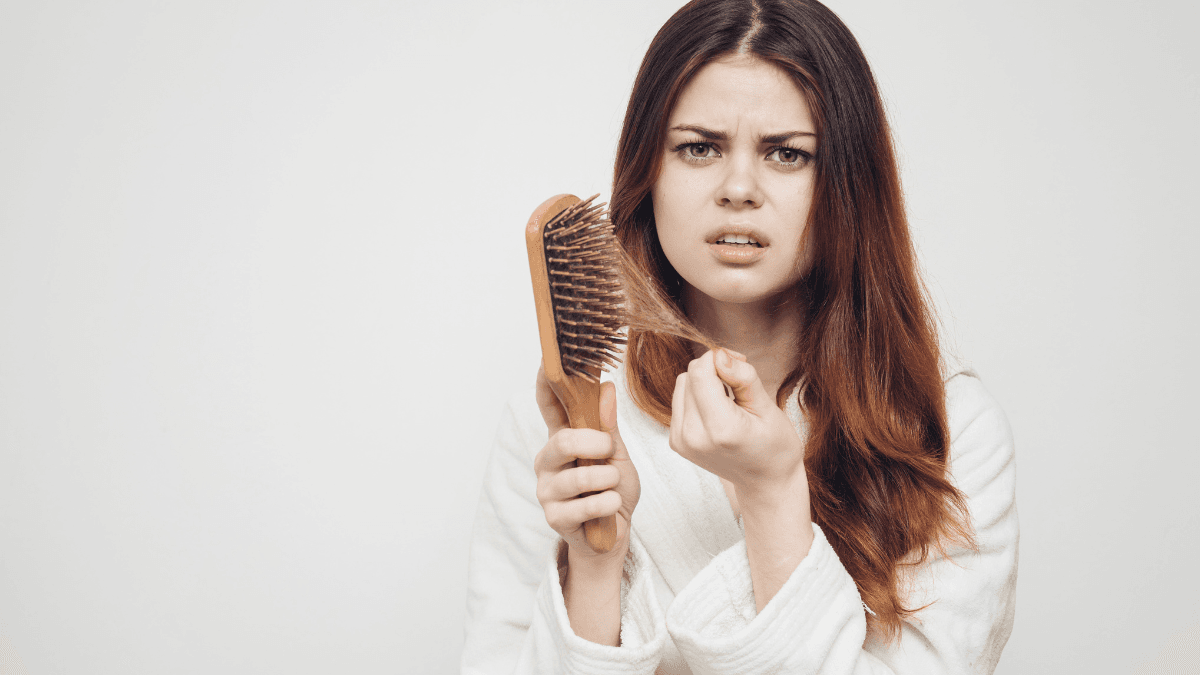
Hair Loss in Young Adults: Why It’s Rising and Next Steps starts with a simple answer: early thinning is usually driven by overlapping factors, not one hidden mistake. Genetics, hormones, stress, nutrition, scalp inflammation, tight hairstyles, illness, and some medical conditions can all contribute. Why this matters: the right next step depends on the pattern, speed, symptoms, and health history. A receding hairline, sudden shedding, round patches, and scaling scalp changes point to different possibilities.
Key Takeaways
- Early thinning has many causes, including genetics, stress, nutrition, hormones, infections, and styling tension.
- Sudden shedding differs from gradual pattern loss, so timing and scalp symptoms matter.
- A clinician may review your history, scalp, medications, nutrition, and blood tests before suggesting care.
- Treatment works best when it targets the cause, not the trend or internet diagnosis.
- Seek care sooner for patchy loss, pain, scaling, scarring, rapid changes, or other new symptoms.
Why Hair Loss Is Rising in Young Adults
Early hair concerns seem more visible because young adults face more overlapping pressures and notice changes sooner. Social media, frequent photos, and close-up video calls can make normal variation feel alarming. At the same time, real contributors may be increasing for some people. These include chronic stress, disrupted sleep, restrictive eating, rapid weight changes, intense styling, scalp irritation, and delayed care for medical symptoms.
This does not mean every young person with thinning has permanent baldness. Some shedding is temporary, especially after illness, major stress, surgery, childbirth, or a significant diet change. Other patterns, such as androgenetic alopecia, can progress gradually without early support. The goal is to separate short-term shedding from ongoing follicle miniaturization, inflammation, infection, or traction damage.
Why it matters: Early assessment can prevent months of guessing and unnecessary products.
Young people may also search for answers earlier than past generations. That can make the issue look like a sudden epidemic. Still, the concern is valid. Hair changes can affect confidence, identity, dating, school, work, and mental health. Taking the concern seriously is not vanity. It is part of whole-person care.
Shedding, Thinning, and Pattern Loss Are Not the Same
The first useful distinction is whether you are shedding more hairs or losing visible density over time. Shedding means more hairs are falling out than usual. Thinning means the scalp looks more visible, the ponytail feels smaller, or the hairline changes. Both can happen together, but they can come from different causes.
Hair grows in cycles. A trigger can push more hairs into the resting phase, leading to telogen effluvium, a form of temporary shedding. Pattern loss usually involves gradual miniaturization, where hairs grow finer over time. Patchy loss can point toward alopecia areata, an autoimmune condition where the immune system affects hair follicles. Tight styles can cause traction alopecia, which comes from repeated pulling on the follicle.
| What You Notice | Common Pattern | Possible Clues |
|---|---|---|
| More hair in the shower or brush | Increased shedding | Recent stress, illness, diet change, childbirth, or medication review |
| Temple recession or crown thinning | Pattern loss | Family history, gradual change, finer hairs in affected areas |
| Round or sharply defined patches | Patchy loss | Smooth patches, nail changes, autoimmune history, sudden onset |
| Breakage near tight styles | Traction or breakage | Braids, extensions, tight ponytails, pain, bumps, or edge thinning |
Hair shedding vs hair loss can feel hard to judge at home. Photos taken in the same light can help show whether density is changing. A drain full of hair after washing is not enough by itself, especially if you wash less often. The broader pattern matters more than one alarming shower.
Common Causes Young Adults Should Discuss
Young adult hair loss causes often overlap, so a single label may not explain everything. A person can have inherited pattern thinning and also experience temporary shedding after stress or illness. Another person may have iron deficiency, thyroid disease, scalp inflammation, or traction damage. This is why a careful history matters.
Genetic and hormonal patterns
Androgenetic alopecia in young adults is common and can affect people of any sex. It often runs in families, but family history is not always obvious. In men, it may show as a receding hairline in your 20s, temple recession, or crown thinning. In women, it may show as widening of the part, reduced volume, or diffuse thinning over the top of the scalp.
Hormonal changes can also influence the hair cycle. Conditions that affect androgens, thyroid hormones, or reproductive hormones may contribute to thinning or shedding. Clues can include acne, irregular periods, new facial hair growth, fatigue, weight changes, heat or cold intolerance, or changes in mood and energy. These signs deserve medical discussion rather than self-treatment.
Stress, illness, and nutrition
Stress related hair loss often means the body has shifted more hairs into a resting phase. This can happen after intense emotional stress, high fever, major illness, surgery, childbirth, or rapid weight change. The shedding may appear after the trigger, which can make the connection easy to miss.
Nutritional deficiency hair loss can occur when the body lacks key building blocks. Iron deficiency is a common concern, especially in people with heavy menstrual bleeding, restrictive diets, low intake of iron-rich foods, or digestive conditions that affect absorption. Vitamin deficiency hair loss is possible, but supplements are not automatically the answer. Too much of some nutrients can be harmful, and not every deficiency causes thinning.
Protein intake, overall calories, and eating patterns matter too. Young adults may experiment with intense diets, fasting, or high-pressure fitness routines. A clinician or registered dietitian can help identify whether nutrition is a likely contributor without turning food into another source of stress.
Scalp, immune, and styling factors
Alopecia areata in young adults can cause round patches or sudden loss in specific areas. It is not caused by poor hygiene or a bad routine. Scalp infections can also cause shedding, scaling, itching, tenderness, or broken hairs. These need proper diagnosis because cosmetic products cannot treat an infection.
Traction alopecia from hairstyles deserves special attention. Tight braids, extensions, buns, ponytails, and repeated edge tension can damage follicles over time. Early traction changes may improve when tension stops. Long-standing traction may become harder to reverse, especially if scarring develops.
Hair practices can also cause breakage without true follicle loss. Bleaching, heat styling, chemical straightening, and harsh brushing can weaken the hair shaft. Breakage often leaves uneven short hairs rather than full strands with bulbs at the end.
What a Hair Loss Evaluation Usually Includes
A good evaluation starts with your story, not a product recommendation. A clinician may ask when the change began, how fast it progressed, whether shedding is diffuse or patchy, and whether the scalp itches, hurts, flakes, or burns. They may also ask about family history, menstrual changes, pregnancy, recent illness, stress, diet, weight changes, medications, supplements, and hair practices.
The scalp exam can reveal important clues. Redness, scaling, pustules, scarring, broken hairs, miniaturized hairs, or sharply defined patches can guide the next step. Some clinicians may perform a gentle pull test, examine the scalp closely, or order blood tests. Common lab discussions may include iron status, thyroid function, and other tests based on symptoms and history.
Example: a student notices sudden shedding after a severe illness and a stressful exam period. Another person notices a slowly widening part and a strong family history of early thinning. These examples can look similar in the shower, but they may need different evaluations.
Seek care sooner if hair loss is sudden, patchy, painful, associated with scaling or sores, or accompanied by fatigue, weight change, fever, irregular periods, or other new symptoms. A dermatologist can be especially helpful when the diagnosis is unclear or the scalp looks inflamed. For broader skin and hair topics, you can browse Dermatology Topics for related educational reading.
Treatment Options Depend on the Cause
The most helpful treatment plan matches the cause and the person’s goals. Temporary shedding may improve as the trigger resolves, but a clinician may still check for deficiencies or medical conditions. Pattern thinning may involve topical options, prescription medicines for selected adults, procedures, or camouflage strategies. Patchy autoimmune loss, infections, inflammatory scalp disease, and traction damage need different approaches.
Topical minoxidil is one commonly discussed option for pattern thinning, but it is not the right answer for every situation. Age, pregnancy plans, scalp irritation, other medicines, and diagnosis all matter. Oral prescription options may be considered for some adults, but they have important safety considerations and are not appropriate for everyone. Do not start, stop, or combine treatments without medical guidance.
For scalp infections, antifungal or other prescription treatment may be needed. For alopecia areata, clinicians may discuss anti-inflammatory treatments or other options depending on the extent and location. For traction alopecia, reducing tension is central. This may mean loosening styles, taking breaks from extensions, avoiding painful hairstyles, and treating scalp inflammation early.
BorderFreeHealth works with licensed Canadian partner pharmacies for eligible U.S. patients.
If a prescribed dermatology medicine becomes part of your care plan, compare only after the diagnosis and prescription are clear. The Dermatology Products hub is a browsable product category, not a substitute for medical evaluation. For some people without insurance, cash-pay access conversations may be relevant, subject to eligibility and local rules.
A Practical Next-Step Checklist
You do not need a perfect answer before asking for help. Bring clear observations and avoid changing too many things at once. That makes it easier to see what is helping and what is not.
- Take baseline photos in consistent lighting.
- Note when shedding or thinning started.
- List recent illness, stress, weight, or diet changes.
- Bring medication and supplement names.
- Describe itching, pain, scaling, or redness.
- Review tight styles, extensions, heat, and chemicals.
- Ask which labs are reasonable for your symptoms.
- Discuss treatment goals and safety concerns.
Prescription details may be checked with the prescriber before pharmacy dispensing when required.
Avoid shaving your head, starting several supplements, changing all hair products, and beginning multiple treatments on the same day unless a clinician recommends it. When everything changes at once, it becomes harder to know what caused improvement or irritation.
How to Protect Hair and Scalp Health Day to Day
Prevention is not about controlling every strand. It is about reducing avoidable stress on the hair cycle and scalp. Gentle hair handling, adequate nutrition, sleep, and prompt care for scalp symptoms can support healthier growth conditions. These steps cannot override genetics, but they can reduce preventable breakage and traction.
Use styles that do not hurt. Pain, bumps, or headaches from a hairstyle are warning signs. Rotate styles when possible, avoid constant tension on the same area, and be cautious with heavy extensions. If you chemically treat or bleach your hair, spacing services and using heat carefully may reduce breakage.
Nutrition should be steady and realistic. Hair is not the body’s top survival priority, so rapid dieting, low protein intake, or untreated deficiencies can show up in shedding. Still, more supplements do not mean more growth. Testing and targeted correction are safer than stacking vitamins based on social media advice.
Sleep and stress support also matter, even when they do not fully explain the problem. Stress can worsen shedding, scalp picking, and inflammation. If hair changes are increasing anxiety, support from a clinician, therapist, or trusted community can be part of care.
The Emotional Side of Early Thinning
Hair changes in your teens or 20s can feel isolating. Friends may dismiss it, while online searches can make every possibility sound urgent. You may feel pressure to hide, over-style, or spend money on products before you know the cause. Those reactions are understandable.
Try to separate appearance concerns from blame. Hair loss is not a character flaw, and it is not proof that you failed at health. A calm plan can protect both your scalp and your confidence. If you remember one point from Hair Loss in Young Adults: Why It’s Rising and Next Steps, make it this: pattern, timing, and symptoms should guide decisions.
Cash-pay cross-border options can depend on eligibility and jurisdiction.
Authoritative Sources
- American Academy of Dermatology Association on diagnosis and treatment
- Mayo Clinic overview of hair loss symptoms and causes
- MedlinePlus consumer resource on hair loss and causes
Further Reading and Recap
Early thinning can come from inherited patterns, temporary shedding, deficiencies, thyroid or hormonal changes, autoimmune conditions, infections, traction, or breakage. The safest next step is to document the pattern, check for symptoms, and seek an evaluation when changes are persistent, sudden, patchy, painful, or distressing.
With the right diagnosis, care can become more focused and less reactive. You do not need to solve it alone, and you do not need to chase every trend before getting a clear assessment.
This content is for informational purposes only and is not a substitute for professional medical advice.


