
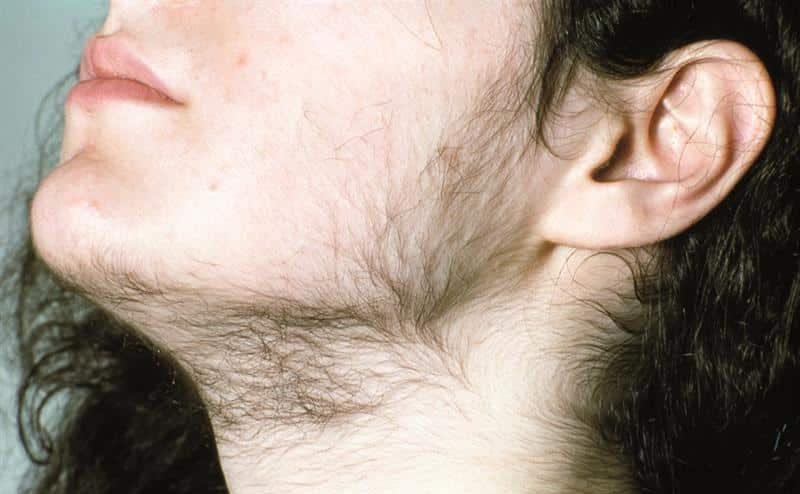
PCOS symptoms often include irregular periods, acne, unwanted facial or body hair, scalp hair thinning, and changes in weight or energy. These signs matter because polycystic ovary syndrome can affect ovulation, skin, fertility, insulin sensitivity, and long-term metabolic health. Symptoms vary widely, so a clear pattern over time matters more than any single symptom.
You are not alone if cycle changes, acne, or hair growth feel confusing or distressing. PCOS is common, and it is manageable with the right evaluation and care plan. This article explains what PCOS means, what to watch for, how diagnosis works, and which care options may help you prepare for a productive clinician visit.
Key Takeaways
- Common signs: irregular cycles, acne, hirsutism, and scalp hair thinning.
- Main drivers: genetics, insulin resistance, and androgen signaling.
- Diagnosis: symptoms, labs, history, and sometimes ultrasound.
- Care options: lifestyle support, cycle regulation, skin treatment, and fertility planning.
- Seek care: sudden severe pain or heavy bleeding needs prompt assessment.
What PCOS Means in Plain Language
PCOS is a hormonal and metabolic condition that can disrupt ovulation and raise androgen effects. Androgens are hormones often called “male-type” hormones, though everyone has them. When androgen activity is higher than expected, skin, hair growth, and menstrual patterns can change.
The full name is polycystic ovary syndrome. The word “polycystic” can be misleading. Some people have many small follicles seen on ultrasound, but not everyone with PCOS has visible cyst-like follicles. Also, having ovarian follicles on imaging does not automatically mean you have PCOS.
In many languages, searches for PCOS meaning, including Hindi or Urdu phrases, point to the same core idea: a pattern involving ovulation, androgen-related symptoms, and metabolic features. The exact words may differ, but the medical concern is similar. Your clinician’s role is to confirm the pattern and rule out other causes.
For broader background on menstrual and hormone-related topics, the Women’s Health collection can help you explore related issues in one place.
Common PCOS Symptoms and How They Feel
PCOS symptoms can feel different from person to person, but several patterns are especially common. Some people mainly notice missed periods. Others first seek help for acne, hair growth, or difficulty conceiving.
Cycle and ovulation changes
Irregular periods are one of the most common clues. Cycles may be longer than expected, unpredictable, very light, or absent for months. Some people also have heavy bleeding when a period finally arrives. These changes can happen because ovulation is infrequent or absent.
Why this matters: infrequent ovulation can affect fertility and may leave the uterine lining exposed to ongoing hormone signals. Regular follow-up helps your clinician decide whether cycle protection or further testing is needed.
Skin, hair, and androgen-related signs
Higher androgen activity can contribute to persistent acne, oily skin, excess facial or body hair, and scalp hair thinning. Excess hair growth is called hirsutism. It often appears on the chin, upper lip, chest, abdomen, or inner thighs. If this is one of your main concerns, our plain-language resource on What Is Hirsutism explains why it happens and how clinicians assess it.
Acne related to PCOS may affect the jawline, cheeks, chest, or back. It may persist beyond the teen years or flare around cycle changes. For skin-specific background, see What Is Acne, which explains common acne drivers and care considerations.
Energy, weight, and mood changes
Some people notice weight gain, stronger hunger cues, fatigue, sleep changes, or mood symptoms. These issues are not “willpower problems.” They may relate to insulin resistance, sleep quality, stress hormones, or the emotional burden of living with visible symptoms.
PCOS can affect people across body sizes. Weight can influence symptoms for some, but it is not the sole cause. A respectful clinician should assess your symptoms, labs, goals, and history without reducing your care to weight alone.
What Causes PCOS and What Can Trigger Flares?
PCOS causes are usually multifactorial, meaning several influences work together. Genetics can play a role, especially when close relatives have irregular periods, type 2 diabetes, infertility, or androgen-related symptoms. Insulin resistance is also common and can increase ovarian androgen production.
Insulin resistance means the body needs more insulin to move glucose from the blood into cells. Higher insulin levels may amplify androgen signaling. This loop can worsen irregular ovulation, acne, hair growth, and weight-related changes in some people.
People often describe “PCOS flare-ups” when symptoms intensify. A flare may follow sleep disruption, stress, weight changes, dietary changes, illness, medication shifts, or a period of less movement. These triggers do not cause PCOS by themselves, but they may make underlying hormone and glucose patterns more noticeable.
Quick tip: Track cycle dates, acne flares, hair changes, sleep, stress, and major routine shifts for two to three months.
Early signs of PCOS can include persistent acne, cycles that remain irregular beyond the first few years after menarche, unwanted hair growth, or darkened velvety skin folds. Darkened folds, called acanthosis nigricans, may suggest insulin resistance. If these signs appear, a clinician can help decide which tests are appropriate.
How Clinicians Diagnose PCOS
A PCOS diagnosis is based on patterns, not one single test. Clinicians usually review your menstrual history, androgen-related symptoms, medical history, family history, medications, and pregnancy goals. They may also assess blood pressure, weight-related trends, skin findings, and signs of excess hair growth.
Blood tests often evaluate androgen levels and look for other conditions that can mimic PCOS. These may include thyroid disease, elevated prolactin, adrenal conditions, pregnancy, or other hormone disorders. Ultrasound may help in some adults, but it is not always required.
Adolescents and young adults need careful interpretation because irregular cycles and acne can be common during puberty. That does not mean symptoms should be dismissed. It means clinicians may use age-specific criteria and follow symptoms over time before confirming a diagnosis.
Bring clear notes to your appointment. Include the age your periods started, your usual cycle length, missed periods, bleeding heaviness, acne pattern, hair growth areas, medications, supplements, and family history. If fertility is a concern, note how long you have been trying to conceive and whether you detect ovulation signs.
Pain, Bleeding, and When to Seek Care
PCOS can be associated with period discomfort, but severe or sudden pain is not typical and should be assessed. Lower abdominal pain may come from many causes, including ovarian cyst complications, infections, endometriosis, gastrointestinal issues, urinary problems, or pregnancy-related concerns.
Seek urgent medical care for sudden severe pelvic pain, fainting, fever, shoulder-tip pain, heavy bleeding, or a positive pregnancy test with pain or bleeding. These symptoms need timely evaluation because they may reflect conditions that require urgent treatment.
Heavy bleeding also deserves attention. This includes soaking pads or tampons very quickly, passing large clots, feeling dizzy, or bleeding that lasts longer than usual for you. If periods are absent for long stretches, ask your clinician how to protect the uterine lining.
Mood symptoms matter too. PCOS can overlap with anxiety, low mood, body image distress, and eating concerns. Emotional support is not optional “extra” care. It can be part of a safer, more sustainable plan.
PCOS Treatment and Self-Care Options
PCOS treatment depends on your main goal. Some people want more predictable periods. Others focus on acne, excess hair growth, fertility, metabolic health, or distress. A good care plan starts with your priorities and checks for safety concerns.
Lifestyle support without blame
PCOS self-care often focuses on steady routines that support insulin sensitivity. Balanced meals with protein, fibre, and unsaturated fats may help energy and glucose patterns. Regular movement can also support mood, sleep, and metabolic health. These habits can help even when weight does not change.
A PCOS treatment diet should not be extreme. Many people do better with consistent meals, higher-fibre carbohydrates, enough protein, and fewer large swings in added sugar. If you have diabetes, kidney disease, pregnancy, a history of disordered eating, or medication-related low blood sugar, ask for tailored nutrition guidance from a qualified clinician or registered dietitian.
If weight tracking is part of your clinician-supported plan, a calculator can help estimate general progress toward a goal. It does not diagnose PCOS or replace medical guidance.
Weight-Loss Progress Calculator
Track percentage body-weight change and progress toward a target weight.
These calculations are for education only and do not replace clinical advice, diagnosis, or treatment. Always confirm medical decisions with a qualified healthcare professional.
Medications and symptom-focused care
Medications may help regulate bleeding, reduce androgen effects, support insulin sensitivity, or induce ovulation when pregnancy is desired. Combined hormonal contraceptives are sometimes used for cycle control and acne or hair symptoms. Anti-androgen medicines may be considered for hirsutism, but pregnancy prevention is important with some options.
Metformin may be discussed when insulin resistance, prediabetes, or metabolic features are part of the picture. GLP-1 receptor agonists may be considered for selected patients with weight or metabolic concerns, depending on clinical context. For a deeper discussion of these medication classes in PCOS care, see GLP-1 Agonists and Metformin.
Some people review hormonal contraception options with their clinician. Product pages such as Yaz, Yasmin, Nextstellis, and Mirena can provide product-specific context, but the right option depends on your health history and contraindications.
PCOS, Fertility, and Pregnancy Planning
PCOS can affect fertility because ovulation may happen less often. It does not mean pregnancy is impossible. Many people with PCOS conceive with lifestyle support, ovulation tracking, medication-assisted ovulation, or reproductive specialist care when needed.
If pregnancy is a goal, your clinician may review cycle frequency, ovulation signs, metabolic labs, thyroid function, medications, and prenatal health factors. They may also discuss partner testing or referral timing if conception has not occurred after an appropriate interval.
Ovulation calculators can estimate fertile windows for people with fairly predictable cycles. With PCOS, cycles may be irregular, so estimates can be less reliable. Use them as a general planning tool, not proof that ovulation occurred.
Ovulation Window Calculator
Estimate ovulation and fertile window from last period date and cycle length.
These calculations are for education only and do not replace clinical advice, diagnosis, or treatment. Always confirm medical decisions with a qualified healthcare professional.
Some fertility treatments use medicines that help induce ovulation. Human chorionic gonadotropin may be part of certain monitored fertility plans. For background on one such medication, see Pregnyl Uses and Side Effects. Decisions about fertility medicines should always happen with clinician supervision.
Egg freezing and fertility preservation can also come up in planning conversations. If you are exploring that topic, Metformin and Egg Cells reviews emerging research context without replacing individualized fertility advice.
Can PCOS Be Prevented or Cured Permanently?
There is no guaranteed way to prevent PCOS, and “cure permanently” claims should be treated cautiously. PCOS is usually managed over time, with goals changing by life stage. Symptoms can improve, recur, or shift depending on sleep, stress, weight changes, medications, pregnancy plans, and metabolic health.
What you can influence is still meaningful. Routine screening can detect blood sugar, cholesterol, blood pressure, and mood concerns earlier. Sustainable movement, sleep routines, balanced nutrition, and stress support may reduce symptom intensity for some people.
PCOD and PCOS are sometimes used interchangeably online. In many settings, PCOS is the more formal clinical term. If someone uses PCOD, ask what they mean and which diagnostic criteria they are applying. Clear language helps avoid confusion, especially when comparing advice from different regions.
PCOS is not usually dangerous in an immediate sense, but it can raise long-term risks if unmonitored. Possible complications include prediabetes, type 2 diabetes, cholesterol changes, high blood pressure, sleep apnea, infertility, and endometrial hyperplasia. Regular follow-up helps reduce risk and supports earlier intervention.
Questions to Bring to Your Clinician
A focused question list can make your visit more useful. It also helps you advocate for care that fits your goals, culture, and comfort level.
- Diagnosis criteria: Which findings support PCOS in my case?
- Rule-out tests: What else should be checked?
- Cycle protection: Do I need help regulating bleeding?
- Skin and hair: Which options fit my priorities?
- Metabolic health: Which labs need repeat monitoring?
- Fertility goals: Should I track ovulation or seek referral?
- Mood support: What resources are appropriate for me?
If prescription access becomes part of your broader care planning, BorderFreeHealth connects U.S. patients with licensed Canadian partner pharmacies, with prescription details verified when required before pharmacy dispensing. This service context does not replace a clinical diagnosis or individualized treatment discussion.
Authoritative Sources
For a concise medical overview, the NIH PCOS health topic explains symptoms, causes, diagnosis, and long-term considerations.
For patient-centered gynecology guidance, ACOG’s PCOS patient FAQ outlines common symptoms and treatment approaches.
For global public health context, the WHO fact sheet on PCOS summarizes clinical features and health impacts.
Recap
PCOS symptoms can involve periods, skin, hair growth, fertility, energy, mood, and metabolic health. The condition is common, but it deserves careful assessment rather than guesswork. Track your patterns, ask about rule-out testing, and discuss care options that match your goals.
With the right plan, many people improve symptoms and reduce long-term risks. Your next step is not to solve everything at once. Start with a clear symptom timeline, a focused appointment, and questions that make your priorities visible.
This content is for informational purposes only and is not a substitute for professional medical advice.


