
Please note: a valid prescription is required for all prescription medication.
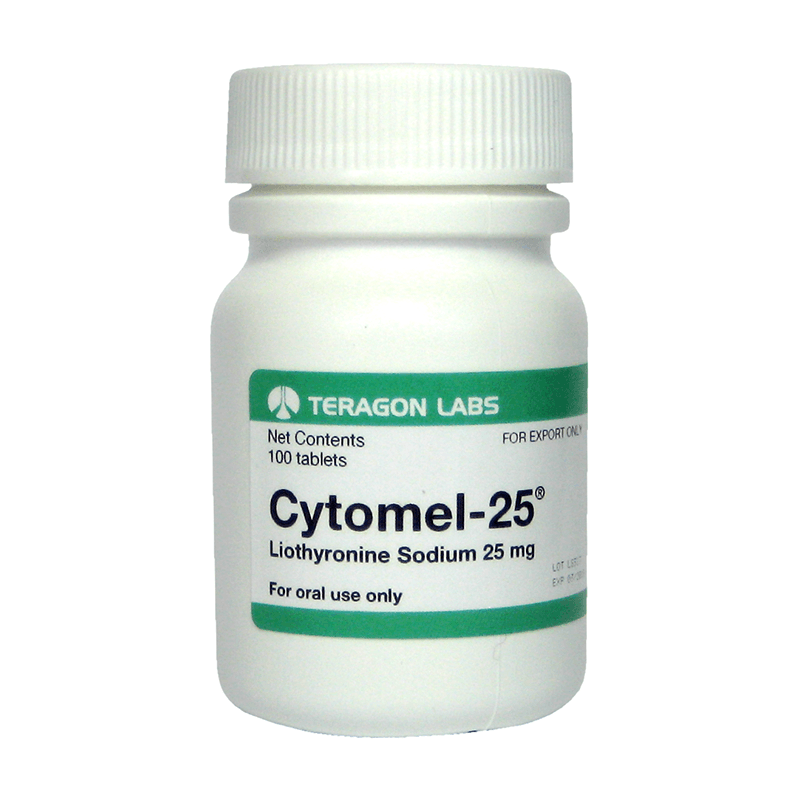
Cytomel
Buy Cytomel Online
Secure Encrypted Payments
Cytomel is liothyronine sodium, a thyroid hormone medicine used for hypothyroidism and certain related thyroid conditions. It can be bought online with US delivery from Canada, and you can choose the tablet strength shown during ordering to match your clinician’s directions. Cytomel tablets contain T3, the active thyroid hormone that helps regulate metabolism, energy use, and body temperature.
Cytomel Price and Strength Selection
The Cytomel price can vary by tablet strength, quantity, sourcing, and current pharmacy supply. During ordering, select the strength and quantity that align with your treatment plan, then review the current cost before checkout. People paying without insurance often look at cash-pay choices for liothyronine because thyroid therapy is commonly taken long term.
Cytomel tablets may be discussed in strengths such as Cytomel 5 mcg, Cytomel 10 mcg, or Cytomel 25 mcg when a clinician is individualizing treatment. Your actual dose may involve one tablet strength or a schedule that changes over time. Do not adjust the amount or frequency on your own, even if symptoms fluctuate.
Quick tip: Keep the tablet bottle label and your clinician’s written instructions together so refills match your daily routine.
Ordering Cytomel From Canada
Order Cytomel by selecting the available tablet strength and quantity that fit your treatment instructions. We may review order details for accuracy before the medication is supplied through licensed pharmacies. If your healthcare professional has recently changed your thyroid plan, use the newest directions when placing a refill.
Cytomel from Canada may be useful for people comparing Canadian pricing with local cash-pay costs. We support US shipping from Canada and provide prompt, express shipping for eligible orders. Keep enough medication on hand so an unexpected travel delay, holiday, or refill timing issue does not interrupt daily therapy.
For broader thyroid browsing, the Endocrine Thyroid category includes related medicines used for thyroid hormone replacement. If you are learning about the condition itself, the Hypothyroidism section gives additional background on underactive thyroid disease.
What Cytomel Treats
Cytomel contains liothyronine, a synthetic form of triiodothyronine, also called T3. It is used to replace or supplement thyroid hormone when the body does not make enough. Labeled uses include primary, secondary, or tertiary hypothyroidism, including some cases related to surgery, radiation, or medicines that affect thyroid function.
Liothyronine is also used for simple, non-toxic goiter and for diagnostic thyroid suppression testing under medical supervision. Because it is an active thyroid hormone, small changes can affect symptoms, heart rate, and laboratory values. Monitoring helps the clinician decide whether the current plan is too low, too high, or appropriate.
Severe untreated hypothyroidism can progress to dangerous states such as myxedema coma. That emergency is different from routine outpatient thyroid replacement, but it shows why thyroid hormone levels matter. For more context, see the Myxedema Coma condition information.
How Liothyronine Works
The thyroid gland normally produces hormones that influence metabolism, temperature regulation, digestion, heart function, and energy use. Cytomel provides T3 directly. T3 is the active hormone that binds thyroid hormone receptors and helps tissues respond when levels are low.
Levothyroxine is T4, a hormone the body converts into T3. Liothyronine is already T3, so clinicians may consider it in selected situations when T4-only treatment is not suitable or when a specific diagnostic use is planned. This difference is important because T3 can have a faster and more noticeable effect on heart rate or nervous-system symptoms in some people.
Cytomel generic questions usually refer to liothyronine sodium tablets. Brand and generic naming can differ by market, and substitution decisions should follow the clinician’s treatment plan and the pharmacist’s professional review. The key product identity is the active ingredient, tablet strength, and the directions being followed.
How to Take Cytomel Tablets
Take Cytomel exactly as directed by your healthcare professional. Many people take thyroid hormone at the same time each day to keep levels steady. Swallow tablets with water, and keep the timing consistent with meals, supplements, and other medicines.
Calcium, iron, aluminum or magnesium antacids, bile acid sequestrants, and some phosphate binders can reduce thyroid hormone absorption when taken too close together. Ask your clinician or pharmacist how far apart to separate these products from Cytomel. Consistent timing can reduce lab variability and may prevent unnecessary dose changes.
If you also use levothyroxine or have questions about thyroid medication timing, the article on proper Synthroid use and timing explains practical habits that often apply to thyroid hormone routines. Use it as general background, not as a replacement for individualized Cytomel directions.
Missed Dose and Daily Routine
If you miss a Cytomel dose, follow the instructions provided by your healthcare professional or pharmacist. In many cases, a missed dose is handled by taking it when remembered the same day, unless the next scheduled dose is close. Do not double doses unless a clinician specifically instructs you to do so.
A daily reminder can help because thyroid hormone replacement depends on consistency. Some people link the dose to a morning routine, while others use a pill organizer or phone alert. If you miss several doses, feel unusually tired, develop palpitations, or notice other new symptoms, contact a healthcare professional for guidance.
Storage, Travel, and Refill Planning
Store Cytomel tablets at room temperature in a dry place away from excess heat, moisture, and direct light. Keep the bottle tightly closed and out of reach of children and pets. Bathrooms are often humid, so a bedroom drawer or another dry storage area is usually more suitable.
When traveling, keep Cytomel in your carry-on bag with the labeled container. A small buffer supply may help if your return is delayed. Crossing borders can be simpler when medication remains in its original packaging with your name and directions visible.
Refill planning matters because thyroid hormone is often used continuously. Place refills early enough to account for processing and transit, especially before holidays or extended travel. Avoid transferring tablets into unmarked containers for long periods, since labels help confirm the medication and strength.
Benefits and Treatment Expectations
When hypothyroidism is treated appropriately, thyroid hormone replacement helps restore hormone levels toward the target range set by the clinician. People may notice improvements in energy, cold intolerance, bowel regularity, skin dryness, or mental focus as levels stabilize. The exact timing and symptom response vary.
Cytomel does not work like a stimulant, and it should not be used for weight loss in people with normal thyroid function. Excess thyroid hormone can cause serious harm, including heart rhythm problems and bone loss. If weight, fatigue, or mood symptoms persist despite treatment, ask for a broader evaluation rather than changing thyroid medicine independently.
Lab monitoring is a normal part of care. Thyroid-stimulating hormone, free T4, total or free T3, and clinical symptoms may all influence treatment decisions. Keep follow-up appointments, especially after starting therapy, changing a dose, adding interacting medicines, or becoming pregnant.
Side Effects, Warnings, and Monitoring
Side effects are often related to excessive thyroid hormone exposure or sensitivity to dose changes. Possible effects include headache, irritability, nervousness, tremor, sweating, diarrhea, sleep disturbance, fast heartbeat, or palpitations. Report symptoms that feel new, persistent, or stronger than expected.
Serious problems can include chest pain, shortness of breath, fainting, arrhythmias, and symptoms of thyrotoxicosis, which means too much thyroid hormone activity in the body. Long-term overtreatment may contribute to reduced bone density, especially in people already at risk for osteoporosis. Seek urgent care for severe chest pain, fainting, or severe breathing difficulty.
Cytomel is not appropriate for people with uncorrected adrenal insufficiency. People with heart disease, angina, prior rhythm problems, or significant cardiovascular risk usually need careful evaluation and monitoring. Older adults may also require cautious titration because thyroid hormone can stress the heart.
Diabetes therapy may need closer monitoring because thyroid hormone can affect blood glucose control. Anticoagulants may have stronger effects when thyroid status changes. Medicines such as some anticonvulsants, rifampin, sertraline, amiodarone, and iodinated contrast agents may affect thyroid hormone levels or thyroid function.
Share a full medication and supplement list with your healthcare team, including vitamins, minerals, antacids, binders, and over-the-counter products. This helps prevent avoidable absorption problems and interaction-related lab changes.
Pregnancy, Lactation, and Special Situations
Thyroid hormone needs can change during pregnancy, after delivery, and during some illnesses. Untreated hypothyroidism can affect both the pregnant person and the developing baby, so thyroid management should be supervised closely. Do not stop thyroid hormone because of pregnancy unless a clinician specifically directs a change.
People who are lactating should also use thyroid therapy under medical supervision. Dose needs may differ from before pregnancy, and lab monitoring helps guide ongoing treatment. If you are planning pregnancy, let your healthcare professional know early so thyroid levels can be assessed and followed.
Children, older adults, and people with pituitary or hypothalamic causes of hypothyroidism may require individualized monitoring. In central hypothyroidism, TSH may not reflect thyroid status in the same way it does in primary thyroid disease, so clinicians may rely on different lab patterns and symptoms.
How Cytomel Compares With Other Thyroid Options
Cytomel provides T3. Levothyroxine products provide T4, which the body converts into T3. Many people with hypothyroidism use T4-only therapy, while selected patients may use T3 or a T4/T3 combination under clinical supervision. The best choice depends on diagnosis, lab results, symptoms, heart risk, and treatment history.
Related T4 choices include Eltroxin. Some patients are also treated with desiccated Thyroid Tablets when appropriate for their situation. Product changes should be coordinated with laboratory follow-up because switching thyroid therapies can alter hormone levels.
Injectable levothyroxine is a different formulation generally used in specific medical settings rather than routine tablet replacement. If you want to understand that distinction, see Levothyroxine Sodium Injection Vial for the separate product context.
Questions to Discuss With a Healthcare Professional
- Which thyroid labs confirm my diagnosis and guide treatment?
- Why is T3 appropriate for my situation instead of T4 alone?
- What strength should I use, and should timing stay the same daily?
- How should I separate Cytomel from calcium, iron, antacids, or binders?
- Which symptoms suggest too much thyroid hormone?
- How often should labs be repeated after a change?
- What should I do if I become pregnant or plan pregnancy?
- Could my diabetes medicine, anticoagulant, or heart medicine interact with thyroid therapy?
Authoritative Sources
Manufacturer product information: Cytomel
Health Canada drug product record: Cytomel
This content is for informational purposes only and is not a substitute for professional medical advice.
Calorie & TDEE Calculator
Estimate resting energy needs and daily calorie range from age, sex, body size, and activity level.
Hold Ctrl or Cmd to select more than one calculator.
BMR
-
estimated calories/day at rest
Maintenance
-
BMR multiplied by activity
Weight loss guide
-
maintenance minus 500 kcal/day
These calculations are for education only and do not replace clinical advice, diagnosis, or treatment. Always confirm medical decisions with a qualified healthcare professional.
BMI Calculator
Estimate adult body mass index from height and weight, with metric and imperial units.
BMI
-
kg/m2 equivalent
Category
-
Adult screening range
These calculations are for education only and do not replace clinical advice, diagnosis, or treatment. Always confirm medical decisions with a qualified healthcare professional.
Weight Loss Timeline Calculator
Estimate a simple timeline from current weight, goal weight, and average daily calorie deficit.
Estimated weekly change
-
based on 3,500 kcal per lb
Estimated time
-
simple arithmetic estimate
Approx. date
-
if average deficit is maintained
These calculations are for education only and do not replace clinical advice, diagnosis, or treatment. Always confirm medical decisions with a qualified healthcare professional.
Weight-Loss Progress Calculator
Track percentage body-weight change and progress toward a target weight.
Weight change
-
current vs starting weight
Body weight change
-
percent of starting weight
Goal progress
-
change achieved toward goal
These calculations are for education only and do not replace clinical advice, diagnosis, or treatment. Always confirm medical decisions with a qualified healthcare professional.
Ideal & Adjusted Body Weight Calculator
Estimate ideal body weight with the Devine equation and adjusted body weight when actual weight is above the estimate.
Ideal body weight
-
Devine equation
Adjusted body weight
-
IBW + 0.4 x excess weight
Difference from IBW
-
actual minus ideal
These calculations are for education only and do not replace clinical advice, diagnosis, or treatment. Always confirm medical decisions with a qualified healthcare professional.
Express Shipping - from $29.99
Shipping with this method takes 3-5 days
Prices:
- Dry-Packed Products $29.99
- Cold-Packed Products $39.99
Shipping Countries:
- United States (all contiguous states**)
- Worldwide (excludes some countries***)
Standard Shipping - $19.99
Shipping with this method takes 5-10 days
Prices:
- Dry-Packed Products $19.99
- Not available for Cold-Packed products
Shipping Countries:
- United States (all contiguous states**)
- Worldwide (excludes some countries***)
What is Cytomel used for?
Cytomel is liothyronine sodium, a synthetic T3 thyroid hormone. It is used for hypothyroidism and certain related thyroid uses, including some goiter and diagnostic suppression testing situations under medical supervision.
Is Cytomel the same as levothyroxine?
No. Cytomel contains T3, the active thyroid hormone. Levothyroxine contains T4, which the body converts into T3. Clinicians choose among T4, T3, or combination approaches based on diagnosis, labs, symptoms, and risk factors.
Can Cytomel be used for weight loss?
Cytomel should not be used for weight loss in people with normal thyroid function. Too much thyroid hormone can cause serious effects, including fast heartbeat, rhythm problems, and bone loss.
What side effects can Cytomel cause?
Possible side effects include nervousness, tremor, sweating, diarrhea, headache, sleep trouble, fast heartbeat, or palpitations. Seek urgent care for severe chest pain, fainting, or severe shortness of breath.
How should Cytomel be timed with supplements?
Calcium, iron, some antacids, bile acid sequestrants, and certain binders can interfere with thyroid hormone absorption. Ask your healthcare professional or pharmacist how far apart to separate them from Cytomel.
How should Cytomel tablets be stored?
Store Cytomel tablets at room temperature in a dry place away from excess heat, moisture, and light. Keep the bottle closed and out of reach of children and pets.
Rewards Program
Earn points on birthdays, product orders, reviews, friend referrals, and more! Enjoy your medication at unparalleled discounts while reaping rewards for every step you take with us.
You can read more about rewards here.
POINT VALUE
How to earn points
- 1Create an account and start earning.
- 2Earn points every time you shop or perform certain actions.
- 3Redeem points for exclusive discounts.
You Might Also Like
Select options
This product has multiple variants. The options may be chosen on the product page
Select options
This product has multiple variants. The options may be chosen on the product page
Select options
This product has multiple variants. The options may be chosen on the product page
Select options
This product has multiple variants. The options may be chosen on the product page