
Please note: a valid prescription is required for all prescription medication.
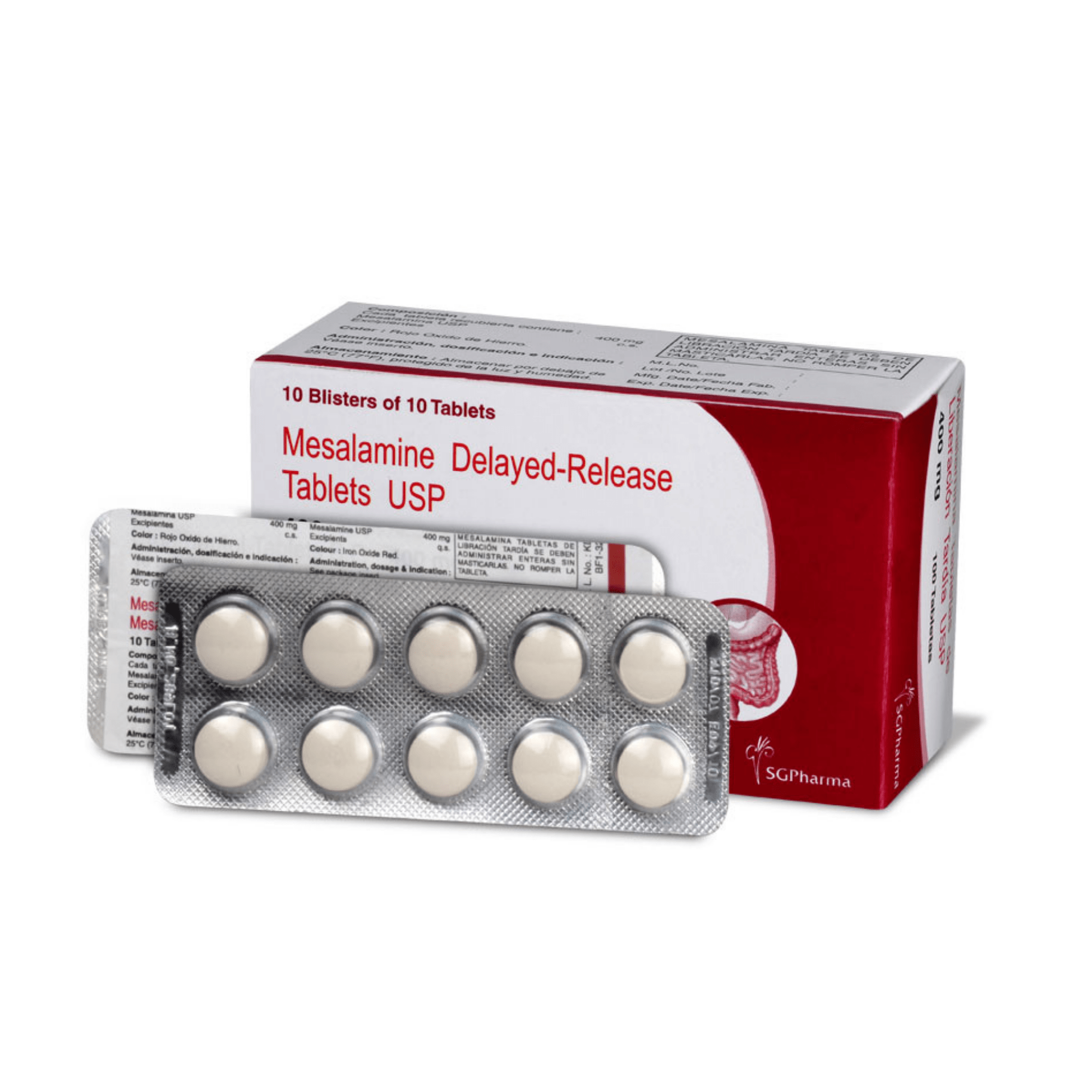
Mesalamine
Buy Mesalamine Online
Secure Encrypted Payments
Mesalamine is a 5-aminosalicylic acid medicine used to treat mild to moderate ulcerative colitis and help maintain remission. It can be ordered online, with the ability to choose the form, dose, strength, and quantity shown during ordering so they match the directions from your healthcare professional. BorderFreeHealth offers cash-pay access with US delivery from Canada through licensed pharmacies.
Mesalamine Price, Forms, and Strength Selection
Mesalamine price can vary by form, strength, manufacturer, and quantity. Oral tablets and capsules may be used for broader bowel coverage, while rectal suppositories and enemas are commonly chosen when inflammation is concentrated in the rectum or left side of the colon. During ordering, choose the dose or strength that matches your treatment plan rather than switching between products on your own.
Commonly referenced mesalamine products include delayed-release tablets, extended-release capsules, multi-matrix tablets, suppositories, and enemas. Search terms such as Mesalamine 400 mg delayed-release, Mesalamine 800 mg tablets, Mesalamine 1.2 g tablets, Mesalamine suppository 1000 mg, and Mesalamine enema 4 g usually refer to different release systems or routes of administration. These forms are not automatically interchangeable because they deliver medicine to different parts of the bowel.
Cash-pay customers often compare generic mesalamine tablets with branded 5-ASA products such as Asacol HD 800 mg, Lialda 1.2 g tablets, Apriso 0.375 g capsules, Delzicol 400 mg, Canasa 1000 mg suppository, and Rowasa 4 g enema. Your healthcare professional can help determine whether an oral, rectal, or combined approach fits your disease location and symptom pattern. For general category browsing, visit gastrointestinal medicines.
How to Order Mesalamine From Canada
You can buy Mesalamine online by selecting the strength and quantity that align with your current directions. Order details may be reviewed before the medicine is supplied through licensed pharmacies, and the final product selection should stay consistent with the form you have been told to use. If a label or prior supply names a brand, active ingredient, and release type, keep that information available when choosing your refill.
US shipping from Canada is available for this product, with prompt, express shipping as a service option. Keep refill timing in mind because ulcerative colitis maintenance therapy is often taken continuously when a clinician recommends it. Running out may increase the chance of missed doses, which can make symptom tracking harder during remission or a flare.
Quick tip: Keep the package or a photo of the label so the form, strength, and release type are easy to match at refill time.
What Mesalamine Treats
Mesalamine is used for ulcerative colitis, a type of inflammatory bowel disease that causes inflammation and sores in the lining of the colon and rectum. It can help treat mild to moderate active disease and may also be used to maintain remission after symptoms improve. Common ulcerative colitis symptoms include rectal bleeding, diarrhea, urgency, abdominal cramping, and frequent bowel movements.
The medicine belongs to the aminosalicylate class, often called 5-ASA therapy. It works mainly at the intestinal lining rather than throughout the whole body. By reducing inflammatory signaling in the bowel wall, mesalamine can help calm irritated tissue and support longer symptom-controlled periods for many people.
Ulcerative colitis extent matters when choosing a form. Proctitis affects the rectum, left-sided colitis extends farther up the colon, and more extensive disease may require broader colonic coverage. For condition background and related treatment context, see ulcerative colitis.
How Mesalamine Works in the Body
Mesalamine acts locally in the gastrointestinal tract. It helps reduce prostaglandins, leukotrienes, and other inflammatory mediators involved in ulcerative colitis activity. The goal is not pain relief in the way an analgesic works; the medicine targets bowel inflammation that can drive bleeding, urgency, and diarrhea.
Different formulations are designed to release the active ingredient in different areas. Delayed-release tablets often use pH-dependent coatings that dissolve later in the digestive tract. Multi-matrix tablets distribute medicine through the colon. Extended-release capsules release gradually through the bowel. Suppositories deliver mesalamine to the rectum, while enemas reach the rectum and part of the left colon.
Because release design affects where the medicine works, a 400 mg delayed-release tablet, a 500 mg capsule, and a 1000 mg suppository are not simple dose-for-dose substitutes. If your symptoms change location or severity, ask your healthcare professional whether your current route still fits your disease pattern.
Common Forms and Strengths
Availability can vary by country, manufacturer, and package size, but mesalamine is commonly supplied in several oral and rectal forms. The right choice depends on disease extent, tolerability, dosing routine, and whether targeted rectal therapy is needed. Always follow the directions that came with your specific medicine.
| Form | Common Strengths | Practical Notes |
|---|---|---|
| Delayed-release tablets | 400 mg, 800 mg | Swallow whole; coating helps control where medicine releases |
| Multi-matrix tablets | 1.2 g | Designed for colonic release; some regimens are once daily |
| Extended-release capsules | 0.375 g, 500 mg | Gradual release through the bowel; follow product-specific directions |
| Rectal suppositories | 1000 mg | Targets rectal inflammation, often used for proctitis |
| Rectal enemas | 4 g per unit | Targets rectal and left-sided disease |
Swallow tablets or capsules whole unless the specific label says otherwise. Crushing, splitting, or chewing coated products can change how they release. Rectal products should be used as directed and retained for the recommended time when possible.
How to Take Mesalamine and What to Expect
Use mesalamine consistently at the times directed for your form. Oral products may be taken with or without food depending on the label and clinical instructions. Rectal enemas are often used at bedtime after a bowel movement, and suppositories are inserted rectally and retained as directed. If your routine is difficult to follow, ask whether a different form or schedule may fit better.
Symptom improvement is usually gradual as inflammation decreases. Some people notice fewer urgent trips to the bathroom, less bleeding, or improved stool frequency over time. Maintenance use may continue after symptoms improve because ulcerative colitis can relapse when inflammation returns. The length of therapy is individualized, and many people remain on 5-ASA treatment long term when it is working and tolerated.
If you miss an oral dose, take it when remembered unless it is close to the next scheduled dose. Skip the missed dose if timing is tight, and do not double doses. For rectal products, use the next dose at the planned time unless a healthcare professional has given different instructions.
Side Effects, Warnings, and Monitoring
Many people tolerate mesalamine, but side effects can occur. Common effects include headache, dizziness, nausea, abdominal discomfort, gas, bloating, diarrhea, rash, itching, and rectal irritation with suppositories or enemas. Mild stomach symptoms can be hard to distinguish from ulcerative colitis itself, so changes after starting or switching a product deserve attention.
Serious reactions are uncommon but important. Seek urgent care for severe abdominal pain, worsening bloody diarrhea, chest pain, shortness of breath, yellowing skin or eyes, severe fatigue, unusual bruising, or signs of kidney problems such as major changes in urination or swelling. Mesalamine intolerance can resemble a flare, with cramping, fever, and bloody diarrhea; prompt clinical review helps separate intolerance from active disease.
Kidney function monitoring is commonly recommended before and during therapy, especially for people with kidney disease risk factors. Liver problems, pancreatitis, myocarditis, pericarditis, and blood disorders have been reported rarely. People with salicylate allergy, prior severe reaction to aminosalicylates, severe kidney disease, or severe liver impairment may need a different approach.
Tell your healthcare professional about all medicines and supplements. Caution is often needed with azathioprine, 6-mercaptopurine, certain NSAIDs, other nephrotoxic medicines, anticoagulants such as warfarin, and products that may affect pH-dependent release. Discuss pregnancy, breastfeeding, G6PD deficiency, and past pancreatitis or heart inflammation before continuing or changing therapy.
What to Avoid While Taking Mesalamine
Avoid crushing or chewing delayed-release and extended-release products unless the specific label allows it. Changing the coating or capsule design can release the medicine too early and reduce delivery to the intended bowel segment. Do not switch between oral tablets, capsules, suppositories, or enemas without clinical guidance, even when the active ingredient is the same.
Use care with NSAIDs such as ibuprofen or naproxen if you have kidney risk factors or have been told to avoid them. Alcohol does not have a universal mesalamine prohibition, but it may worsen gastrointestinal symptoms for some people and can complicate flare tracking. If certain foods, alcohol, or over-the-counter medicines aggravate symptoms, keep a brief log and discuss patterns at follow-up.
Why it matters: The same active ingredient can behave differently when the release system or route changes.
Storage, Travel, and Refill Planning
Store mesalamine at room temperature away from excessive heat and moisture. Keep tablets and capsules in the original container, especially when a desiccant is included. Protect suppositories and enemas from freezing and direct heat. Keep all medicines out of reach of children and pets.
When traveling, keep mesalamine in carry-on luggage to avoid extreme temperatures in checked baggage. Bring the original labeled packaging and enough supply for your trip, plus extra for delays. If you use both oral and rectal forms, pack them together with your medication list so dosing stays organized.
Refill planning is especially important for maintenance therapy. Set reminders before your current supply runs low, and confirm the form and strength before placing another order. If your previous supply came from Canada, the Canada origin information may help you understand sourcing context for certain items.
Mesalamine Compared With Related Options
Mesalamine is one medicine in the 5-ASA class. Some patients use branded or formulation-specific options because their release pattern, dosing routine, or route better matches their disease location. Others may use a generic mesalamine product when the active ingredient and release type fit the care plan.
Oral 5-ASA products may be preferred for broader colonic inflammation, while rectal 5-ASA is often useful for distal disease. A healthcare professional may sometimes recommend using oral and rectal therapy together during active symptoms. If inflammation remains active despite 5-ASA therapy, corticosteroid rectal foam or other ulcerative colitis treatments may be considered.
For broader digestive health categories and educational topics, visit the gastrointestinal articles section. Related choices should be based on the exact diagnosis, disease location, prior response, and tolerability rather than price alone.
Questions to Ask Before Refilling
- Which form best matches the part of my colon or rectum affected by inflammation?
- Should I use oral therapy, rectal therapy, or both during symptoms?
- What kidney or liver monitoring should I keep up with?
- Which side effects should prompt urgent medical attention?
- Could any of my medicines increase kidney, bleeding, or blood-count risks?
- How long should I continue maintenance treatment if symptoms are controlled?
- What should I do if bleeding, urgency, or diarrhea returns?
Authoritative Sources
MedlinePlus: Mesalamine drug information
Mayo Clinic: Mesalamine oral route information
NCBI Bookshelf: Mesalamine clinical review
This content is for informational purposes only and is not a substitute for professional medical advice.
eGFR Calculator
Estimate kidney filtration using the 2021 CKD-EPI creatinine equation.
eGFR
-
mL/min/1.73 m2
G category
-
requires clinical context
These calculations are for education only and do not replace clinical advice, diagnosis, or treatment. Always confirm medical decisions with a qualified healthcare professional.
Creatinine Clearance Calculator
Estimate creatinine clearance using the Cockcroft-Gault equation.
CrCl
-
mL/min estimate
These calculations are for education only and do not replace clinical advice, diagnosis, or treatment. Always confirm medical decisions with a qualified healthcare professional.
Urine Albumin-Creatinine Ratio Calculator
Calculate urine albumin-creatinine ratio from spot urine albumin and creatinine values.
uACR
-
mg/g
uACR
-
mg/mmol
Category
-
A1/A2/A3 albuminuria range
These calculations are for education only and do not replace clinical advice, diagnosis, or treatment. Always confirm medical decisions with a qualified healthcare professional.
Express Shipping - from $29.99
Shipping with this method takes 3-5 days
Prices:
- Dry-Packed Products $29.99
- Cold-Packed Products $39.99
Shipping Countries:
- United States (all contiguous states**)
- Worldwide (excludes some countries***)
Standard Shipping - $19.99
Shipping with this method takes 5-10 days
Prices:
- Dry-Packed Products $19.99
- Not available for Cold-Packed products
Shipping Countries:
- United States (all contiguous states**)
- Worldwide (excludes some countries***)
What does mesalamine do to the body?
Mesalamine works mainly in the bowel lining to reduce inflammation linked with ulcerative colitis. By calming local inflammatory activity, it may help reduce bleeding, urgency, diarrhea, and stool frequency during mild to moderate disease.
How long should you be on mesalamine?
The length of treatment depends on your ulcerative colitis pattern, response, side effects, and monitoring results. Some people use mesalamine during flares, while many continue maintenance therapy after symptoms improve to help reduce relapse risk.
What should you avoid while taking mesalamine?
Avoid crushing, splitting, or chewing delayed-release or extended-release products unless the specific label allows it. Ask a healthcare professional before switching forms or using NSAIDs regularly, because kidney risk and release-system differences may matter.
What is mesalamine 500 mg used for?
Mesalamine 500 mg usually refers to an oral capsule strength used in ulcerative colitis treatment plans. The exact role depends on the product’s release design and your disease location, so it should be matched to the directions you were given.
Is mesalamine the same as Asacol, Lialda, Pentasa, or Apriso?
They all relate to 5-ASA therapy, but they are not automatically the same in practice. Brands and generics can differ by release technology, strength, route, and dosing schedule, which affects where the medicine is delivered in the bowel.
Can mesalamine side effects feel like a flare?
Yes. Mesalamine intolerance can sometimes resemble ulcerative colitis worsening, with cramping, fever, diarrhea, or bloody stools. Contact a healthcare professional promptly if symptoms worsen soon after starting or changing mesalamine.
How should mesalamine be stored?
Store mesalamine at room temperature away from excessive heat and moisture. Keep tablets or capsules in the original container, protect rectal products from freezing or direct heat, and keep all medicines away from children and pets.
Rewards Program
Earn points on birthdays, product orders, reviews, friend referrals, and more! Enjoy your medication at unparalleled discounts while reaping rewards for every step you take with us.
You can read more about rewards here.
POINT VALUE
How to earn points
- 1Create an account and start earning.
- 2Earn points every time you shop or perform certain actions.
- 3Redeem points for exclusive discounts.
You Might Also Like
Select options
This product has multiple variants. The options may be chosen on the product page
Select options
This product has multiple variants. The options may be chosen on the product page
Select options
This product has multiple variants. The options may be chosen on the product page
Select options
This product has multiple variants. The options may be chosen on the product page