
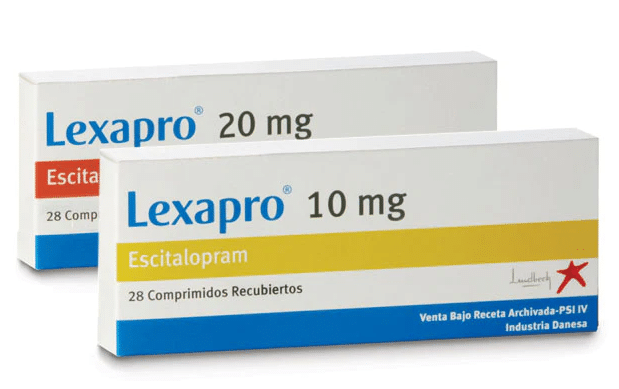
Lexapro vs cipralex is mostly a comparison of brand names, not different active medicines. Both contain escitalopram, a selective serotonin reuptake inhibitor (SSRI) used for depression and some anxiety disorders. The differences usually involve country labeling, packaging, tablet appearance, inactive ingredients, and local prescribing guidance. That matters because patients may see different names on pharmacy labels, travel with medication, or compare advice from U.S. and Canadian sources.
This article explains what is the same, what can vary, and which questions are worth taking to your clinician. It does not replace individualized medical advice.
Key Takeaways
- Same active ingredient: Lexapro and Cipralex both contain escitalopram.
- Brand differences: Labels, packaging, and inactive ingredients may vary by country.
- Dose decisions: Clinicians adjust treatment based on response, tolerability, age, and other medicines.
- Timing can help: Morning or evening dosing may suit different side effects.
- Safety needs planning: Alcohol, missed doses, interactions, and mood changes deserve careful review.
Are Lexapro and Cipralex the Same Medicine?
Yes. Lexapro and Cipralex are brand names for escitalopram. Escitalopram belongs to the SSRI class, which affects serotonin signaling in the brain. Serotonin is one chemical messenger involved in mood, anxiety, sleep, and appetite regulation.
The main distinction is regional. Lexapro is commonly recognized in the United States. Cipralex is commonly recognized in Canada and other markets. A person may also receive generic escitalopram, which contains the same active drug but may come from a different manufacturer.
That does not mean every tablet looks identical. Non-medicinal ingredients, color, imprint, packaging, and patient leaflets may differ. Some people notice these differences when switching pharmacies or countries. Most differences do not change the core therapeutic action, but they can affect practical details like pill recognition or sensitivity to fillers.
Why it matters: If your bottle changes name or appearance, confirm the active ingredient before assuming your treatment changed.
For readers comparing product names, the site also lists Cipralex Lexapro and Escitalopram pages for medication identity and formulation context. These pages should not replace the prescribing information your clinician uses.
What Actually Differs Between the Two Brands?
Lexapro vs cipralex becomes more useful when you separate clinical sameness from practical differences. The active ingredient is the same. The surrounding details may vary.
Labeling and approved uses
Regulators approve medicines within specific jurisdictions. U.S. and Canadian labels may not use identical wording. They may also organize safety warnings, age groups, or indication language differently. A clinician may still make decisions based on the full medical picture, local standards, and current evidence.
For example, both labels discuss depression, anxiety-related use, adverse effects, drug interactions, and warnings about worsening mood or suicidal thoughts, especially in younger people. The exact wording and format can differ.
Inactive ingredients and tablet appearance
Inactive ingredients help form the tablet, preserve stability, or affect coating. They usually do not drive the medicine’s main effect. Still, they can matter for people with allergies, intolerances, or unusual reactions to dyes or fillers.
Tablet color, shape, score lines, and imprint can also change. If a tablet looks different, ask the dispensing pharmacy to confirm it before taking it. That is a safety step, not a reason to panic.
Access and documentation
Access pathways can also differ. BorderFreeHealth connects U.S. patients with licensed Canadian partner pharmacies, and prescription details are verified with the prescriber when required before pharmacy dispensing. This is a service context, not a clinical reason to choose one brand over another.
Dosing Context: Why the Number Matters Less Than the Plan
Escitalopram dosing depends on the person, not the brand name alone. Clinicians consider the diagnosis, previous medication response, age, side effect sensitivity, other health conditions, and interacting medicines. They may start lower for some people and adjust gradually if needed.
Many readers compare 5 mg, 10 mg, or 20 mg discussions online. Those numbers can appear in real prescribing, but they do not answer what is appropriate for one person. A higher number is not automatically better, and a lower number is not automatically ineffective. The goal is symptom improvement with tolerable adverse effects.
People searching for 10 vs 20 mg Lexapro anxiety are usually asking whether a dose change will improve anxiety symptoms. That decision needs clinician guidance because benefits and side effects both matter. Anxiety can also shift during the first phase of SSRI treatment, which makes follow-up important.
If you want more label-based context, review Escitalopram Dosage and Safe Use. For anxiety-specific considerations, Escitalopram for Anxiety discusses common treatment considerations without telling readers how to self-adjust.
Quick tip: Keep a simple symptom and side effect note before follow-up visits.
Timing Your Dose: Morning, Evening, and Sleep
The best time to take escitalopram is usually the time you can take consistently. Some people feel more alert after a dose and prefer mornings. Others feel sleepy, nauseated, or lightheaded and find evenings easier. Your clinician or pharmacist can help you adjust timing safely if side effects interfere with daily life.
People often ask about the best time to take Lexapro for anxiety or the best time to take Lexapro to avoid insomnia. There is no single schedule that fits everyone. If insomnia appears after starting treatment, morning dosing may be discussed. If daytime drowsiness is the issue, evening dosing may be considered.
Consistency matters because escitalopram works best as a steady daily medication. Frequent skipped doses can lead to uncomfortable symptoms or make it harder to judge whether the medicine is helping. If you miss a dose, follow the instructions from your prescription label or pharmacist rather than doubling up without advice.
Side Effects, Safety Signals, and When to Seek Help
Escitalopram can cause side effects, especially when starting or changing doses. Commonly discussed effects include nausea, headache, dry mouth, sweating, sleep changes, fatigue, and sexual side effects. Many early effects may ease, but persistent or distressing symptoms deserve follow-up.
Serious reactions are less common but important. Seek urgent medical help for symptoms such as severe allergic reaction, confusion, high fever, muscle rigidity, fainting, seizures, or thoughts of self-harm. Serotonin syndrome is a rare but serious reaction linked to excess serotonin activity, especially when serotonergic medicines are combined.
Escitalopram may also interact with medicines that affect bleeding risk, heart rhythm, or serotonin. Examples can include some migraine medicines, other antidepressants, certain pain medicines, anticoagulants, and supplements such as St. John’s wort. Bring a full medication list to every visit, including over-the-counter products.
People sometimes ask what organ Lexapro is hard on. The safer answer is that escitalopram is processed by the body through normal liver and kidney pathways, but it is not usually described as targeting one organ in the way some medicines do. However, liver disease, kidney disease, heart rhythm concerns, low sodium risk, and multiple medications can change monitoring needs. Your prescriber can decide whether extra caution applies.
For a focused discussion of common and serious adverse effects, see Escitalopram Side Effects. For broader mental health medication topics, the Mental Health category may help you compare related educational resources.
Alcohol, Missed Doses, and Everyday Risk Decisions
Skipping escitalopram to drink alcohol is not a reliable safety strategy. It can create uneven medication levels and may worsen dizziness, sedation, judgment, or mood symptoms. Alcohol can also complicate anxiety and depression treatment even when no immediate interaction is obvious.
The common question, can I skip a dose of Lexapro to drink, deserves a direct answer: do not make that change without medical guidance. If alcohol is part of your social life, be honest with your clinician before and during treatment. That conversation can cover your usual amount, frequency, driving risk, sleep, and mood patterns.
Missed doses should be handled using label instructions or pharmacy advice. Doubling doses can increase side effects. Repeated missed doses can also lead to discontinuation symptoms, such as dizziness, irritability, flu-like feelings, or sensory disturbances. These symptoms can happen with SSRIs, especially after abrupt changes.
Travel adds another layer. Keep medication in labeled packaging when possible. If your label says Cipralex in one country and Lexapro in another, the active ingredient name, escitalopram, can help clinicians and pharmacists understand the match.
How Escitalopram Compares With Related SSRIs
Lexapro vs cipralex is a same-molecule comparison, while comparisons with Zoloft, Prozac, Celexa, or fluvoxamine involve different medicines. Those differences can affect side effects, interactions, half-life, and individual response. None is universally best for every person.
Escitalopram and citalopram
Escitalopram is closely related to citalopram, sold under brand names such as Celexa. Citalopram contains a mixture of mirror-image forms, while escitalopram is the S-enantiomer. An enantiomer is one of two mirror-image molecular forms. This chemistry helps explain why the medicines are related but not identical.
People asking about the advantage of Lexapro over Celexa or switching from Celexa to Lexapro are usually trying to understand tolerability, response, and side effect differences. These questions are best answered with a prescriber because past response, QT interval concerns, other medicines, and side effects all matter. If you are researching the related product identity, the site includes a Celexa page for basic medication context.
Escitalopram and sertraline
Sertraline, commonly known by the brand name Zoloft, is another SSRI. Some people compare Zoloft vs Lexapro for anxiety, depression, weight change, or sexual side effects. These comparisons can be useful, but online reviews often overrepresent strong positive or negative experiences.
Clinicians may consider sertraline when a different SSRI profile makes sense. They may also consider past family response, interacting medicines, pregnancy-related considerations, or other diagnoses. For medication identity context, see Sertraline HCL.
Escitalopram and fluvoxamine
Fluvoxamine is also an SSRI, but it has a different interaction profile and is often discussed in specific anxiety-spectrum contexts. If you are comparing options beyond escitalopram, Fluvoxamine vs Escitalopram can help frame questions for a clinician.
Questions to Bring to Your Clinician or Pharmacist
A focused conversation can prevent confusion and unsafe changes. Bring the bottle, your medication list, and a short note about symptoms. If the name changed from Lexapro to Cipralex or generic escitalopram, ask whether the active ingredient and intended dose are the same.
- Brand confirmation: Is this escitalopram, despite the label name?
- Side effect pattern: Which effects should improve, and which need a call?
- Timing plan: Should morning or evening dosing fit my symptoms better?
- Alcohol guidance: What limits or precautions apply to me?
- Interaction review: Do my other medicines or supplements raise concerns?
- Follow-up timing: When should response and tolerability be reassessed?
If affordability or continuity is part of the discussion, ask about legitimate prescription options and documentation requirements. Some patients without insurance explore cash-pay, cross-border prescription options, subject to eligibility and jurisdiction.
Authoritative Sources
For patient-friendly medication information, review MedlinePlus information on escitalopram.
For Canadian labeling details, consult the Health Canada Cipralex product monograph.
For antidepressant safety context in younger people, see the FDA discussion of antidepressants and suicidality.
Recap
Cipralex and Lexapro contain the same active ingredient: escitalopram. The differences that matter most are usually regional labeling, inactive ingredients, tablet appearance, access pathway, and the guidance attached to your prescription. Dose, timing, and switching decisions should be based on your clinical situation, not the brand name alone.
If your medication name, tablet appearance, or instructions change, verify the active ingredient with a pharmacist or prescriber. If your mood worsens, side effects feel severe, or self-harm thoughts appear, seek urgent support right away.
This content is for informational purposes only and is not a substitute for professional medical advice.


