
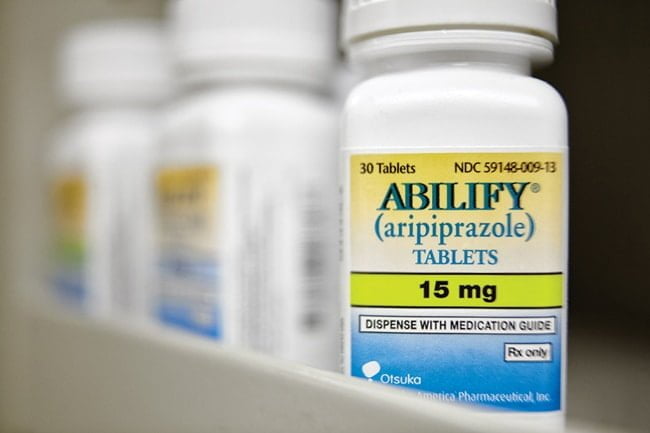
The Abilify generic name is aripiprazole. It is a prescription atypical antipsychotic used for several mental health conditions, depending on diagnosis, age, and formulation. The generic name matters because pharmacy labels, medication lists, and safety information may use aripiprazole instead of Abilify.
If you or someone you support takes this medication, the practical goal is simple: know the name, know why it was prescribed, and know which safety signs deserve prompt medical attention.
Key Takeaways
- Aripiprazole is the active ingredient in brand-name Abilify.
- It may be used in care for schizophrenia, bipolar I disorder, depression support, Tourette syndrome, and certain autism-related irritability.
- Common side effects can include restlessness, sleep changes, nausea, dizziness, or weight changes.
- Serious reactions need prompt care, especially severe stiffness, confusion, fever, fainting, or suicidal thoughts.
- Do not start, stop, or combine aripiprazole with other medicines without prescriber guidance.
Abilify Generic Name and What It Means
Abilify is the brand name. Aripiprazole is the generic, or nonproprietary, name for the same active ingredient. You may see either name on a prescription label, medication guide, discharge summary, or pharmacy record.
Generic Abilify usually refers to aripiprazole products that contain the same active drug as the brand. Inactive ingredients, tablet appearance, and manufacturer details can differ. If a pill looks different after a refill, ask the pharmacist to confirm it before taking it.
For a broader orientation to the brand medication, see What Is Abilify. That context can help you connect the brand name, the drug class, and the conditions it may be used to treat.
| Term | Plain Meaning | Why It Matters |
|---|---|---|
| Abilify | Brand name | Often used in conversation with clinicians or caregivers. |
| Aripiprazole | Generic name | Helps with interaction checks, pharmacy records, and medication lists. |
| Atypical antipsychotic | Drug class | Signals the need for mental health monitoring and metabolic checks. |
| Generic Abilify | Non-brand aripiprazole | May look different, while still containing aripiprazole as the active ingredient. |
Why it matters: A clear medication list reduces confusion during refills, urgent care, and specialist visits.
How Aripiprazole Works in Mental Health Care
Aripiprazole works by adjusting dopamine and serotonin signaling in the brain. Dopamine and serotonin are chemical messengers involved in mood, motivation, perception, and movement. Aripiprazole is often described as a partial agonist, meaning it can activate some receptors while also limiting excessive signaling in certain pathways.
That mechanism is different from simply “sedating” a person. Some people feel more settled. Others may notice restlessness, sleep changes, or a sense of inner agitation. These effects should be discussed early because they can affect adherence and daily functioning.
Aripiprazole is not a cure for a mental health condition. It is one tool that may fit into a wider care plan. That plan can include therapy, crisis planning, sleep support, substance-use care, family education, and regular follow-up.
When aripiprazole is used alongside an antidepressant, the prescriber should explain the treatment goal and monitoring plan. For more context on combination treatment discussions, read Antidepressants With Abilify.
What Generic Abilify Is Used For
Generic Abilify may be prescribed in care for schizophrenia, bipolar I disorder, major depressive disorder as add-on treatment, Tourette syndrome, and irritability associated with autistic disorder. The exact use depends on the person, diagnosis, age, formulation, and product label.
For a condition-by-condition discussion, What Is Abilify Used For explains common treatment contexts in more detail. The most important point is that the same active ingredient can have different roles across different diagnoses.
Schizophrenia and psychosis-related care
In schizophrenia, aripiprazole may be used to help manage symptoms such as hallucinations, delusions, disorganized thinking, or reduced emotional expression. These symptoms can affect safety, relationships, work, and self-care. Follow-up visits help the prescriber assess benefits, side effects, and whether the care plan still fits.
Bipolar disorder and depression support
In bipolar I disorder, aripiprazole may be used for manic or mixed episodes, depending on the clinical situation. In major depressive disorder, it may be used as an add-on when an antidepressant alone has not been enough. This does not mean it is an antidepressant in the same class as SSRIs or SNRIs.
Tourette syndrome and autism-related irritability
Aripiprazole may also be used in certain pediatric or adolescent care settings, such as Tourette syndrome or irritability linked with autistic disorder. These decisions require careful monitoring, caregiver education, and clear expectations about what symptoms are being targeted.
If anxiety is the main concern, aripiprazole is not usually framed as a first-line anxiety medicine. Readers comparing anxiety treatments may find Anxiety Medication Basics useful for class-level context.
Safety Signals: Side Effects, Warnings, and Interactions
Aripiprazole can cause side effects, and the pattern varies from person to person. The most practical approach is to separate common discomforts from warning signs that need urgent attention.
Commonly reported effects may include restlessness, insomnia, sleepiness, nausea, vomiting, constipation, headache, dizziness, anxiety, or weight changes. Some people experience akathisia, a distressing inner restlessness that can feel hard to sit through. If this happens, contact the prescriber rather than stopping on your own.
For a deeper side-effect review, see Abilify Side Effects. If weight change is a specific concern, Abilify Weight Gain covers that question in more detail.
Serious reactions are less common but important. Seek urgent medical help for severe muscle stiffness with fever, confusion, uncontrolled movements, fainting, trouble breathing, allergic swelling, or thoughts of self-harm. These symptoms can signal rare but dangerous reactions that need immediate assessment.
Medication guides also warn that antipsychotic medicines are associated with increased risk of death in older adults with dementia-related psychosis. Abilify is not approved for that use. Families should ask clear questions if an older adult with dementia is prescribed any antipsychotic.
Knowing the Abilify generic name also helps during interaction checks. Aripiprazole can interact with other prescription medicines, over-the-counter products, supplements, alcohol, and substances that affect alertness. Some medicines can change how aripiprazole is processed by the body, which may alter side effects or response.
Pregnancy, breastfeeding, seizure history, diabetes, low blood pressure, movement disorders, and substance use should all be discussed before and during treatment. If pregnancy occurs while taking aripiprazole, contact the prescriber promptly to review risks and benefits. Do not stop abruptly unless a clinician tells you to do so.
Stopping suddenly can lead to symptom return or uncomfortable withdrawal-like effects for some people. If discontinuation is being considered, Abilify Withdrawal offers more context on why supervised changes matter.
Brand, Generic, and Related Medication Questions
The Abilify generic name matters when comparing medications because aripiprazole is not the same as every drug used in mental health care. A brand-versus-generic question is different from a drug-versus-drug question.
Brand-name Abilify and generic aripiprazole share the same active ingredient. A switch between manufacturers may still feel unsettling if the tablet shape, color, or imprint changes. Keep the bottle, label, and medication list available, especially after hospital visits or pharmacy changes.
Aripiprazole also differs from other antipsychotics. Rexulti, for example, contains brexpiprazole, a related but different active ingredient. If you are comparing options in that class, Rexulti Uses can help frame the discussion.
Aripiprazole also differs from antidepressants such as escitalopram. For a class comparison, Lexapro Vs Abilify explains why these medicines are not interchangeable, even when they appear in the same treatment plan.
BorderFreeHealth works with licensed Canadian partner pharmacies.
If you need item-specific context, the Aripiprazole page can help you compare the medication name on your prescription with product-level information. Use that only as a reference point, not as a substitute for clinical advice.
Practical Steps Before and During Treatment
A careful medication conversation can prevent avoidable problems. Bring the full medication list, the diagnosis being treated, and any past side effects to each visit. Caregivers can help by tracking changes in sleep, mood, movement, appetite, and daily functioning.
Quick tip: Keep one updated medication list that includes both brand and generic names.
- Confirm the active ingredient as aripiprazole.
- Ask which symptoms the medicine is meant to target.
- Review common side effects and urgent warning signs.
- Share all prescriptions, supplements, and substance use.
- Ask about monitoring for weight, glucose, and cholesterol.
- Discuss pregnancy, breastfeeding, driving, alcohol, and overheating risks.
- Clarify what to do if a dose is missed.
- Plan follow-up before making any medication changes.
Some people also ask about cash-pay prescription options without insurance. Eligibility, documentation, and jurisdiction still matter, so access questions should stay separate from clinical decisions.
Prescription details are checked with the prescriber when required before pharmacy dispensing.
When you see the Abilify generic name on paperwork, match it with your prescriber’s instructions before assuming a medication has changed. If anything looks unfamiliar, pause and ask the pharmacist or prescribing clinic to verify it.
Authoritative Sources
These references support the medication details and safety framing above.
- FDA Medication Guide for Abilify – patient-focused safety information for aripiprazole.
- MedlinePlus Aripiprazole Drug Information – consumer information on uses, precautions, and side effects.
- Official Abilify Prescribing Information – label-backed clinical details for clinicians and reviewers.
Further Reading and Recap
For broader education, the Mental Health Resources hub collects related condition and medication pages. The Mental Health Products hub is a browseable list for product-level comparison.
To recap, the Abilify generic name is aripiprazole. Knowing both names helps you read labels, prepare for appointments, spot possible interactions, and ask better safety questions. The next step is not to self-adjust treatment, but to bring clear concerns to a qualified clinician.
This content is for informational purposes only and is not a substitute for professional medical advice.


