
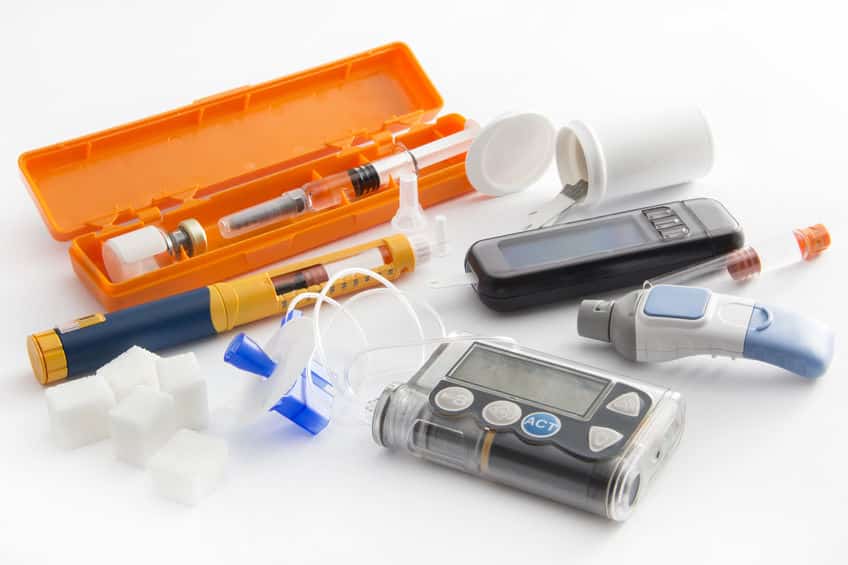
Type 1 diabetes treatment centers on replacing insulin, monitoring glucose, preventing emergencies, and adjusting daily routines around food, activity, illness, and life changes. There is no single plan that fits everyone. The most useful plan is one you can understand, use consistently, and revisit with your diabetes care team.
Why this matters: type 1 diabetes can change quickly when insulin is missed, a pump fails, illness starts, or activity shifts. Clear routines reduce guesswork. They also help you know when a small adjustment is enough and when urgent medical help is needed.
Key Takeaways
- Insulin is essential: Type 1 requires ongoing insulin replacement.
- Basal and bolus differ: Background and mealtime insulin work together.
- Monitoring guides choices: CGM and meters show patterns, not just numbers.
- Safety plans matter: Hypoglycemia and ketones need clear action steps.
- Care is personal: Targets vary by age, pregnancy, activity, and risk.
How Type 1 Diabetes Treatment Works
Type 1 diabetes treatment usually combines insulin, glucose monitoring, nutrition planning, activity support, and emergency preparation. Insulin replaces a hormone the body can no longer make in adequate amounts. Monitoring shows whether insulin, meals, stress, illness, and movement are lining up safely.
Most people use a basal-bolus approach. Basal insulin is background insulin that covers between-meal and overnight needs. Bolus insulin is taken for meals or corrections, often using rapid-acting insulin. This approach may be delivered with multiple daily injections, pens, syringes, or an insulin pump.
The goal is not perfection. The goal is safer glucose patterns with fewer severe lows, fewer prolonged highs, and less daily burden. Your care team may review A1C, time in range, hypoglycemia episodes, ketones, growth or weight trends, blood pressure, cholesterol, kidney health, and emotional stress.
For a deeper look at insulin categories, onset, and duration, see Types of Insulin. If mealtime insulin is a key discussion point, Rapid-Acting Insulin explains how this insulin class is commonly used around meals and corrections.
Type 1 and Type 2 Diabetes: Differences That Shape Care
The main difference between type 1 and type 2 diabetes is the underlying problem. Type 1 is usually autoimmune, meaning the immune system attacks insulin-producing beta cells in the pancreas. Type 2 usually involves insulin resistance, where the body has trouble using insulin effectively, often with gradual insulin production decline over time.
This distinction affects treatment. People with type 1 diabetes need insulin to survive. Many people with type 2 diabetes may use nutrition changes, activity, non-insulin medicines, insulin, or a combination. Comparing family members’ plans can be confusing because the safety risks are different.
Ketosis risk is especially important in type 1 diabetes. If insulin is interrupted, the body may start producing ketones. High ketones can lead to diabetic ketoacidosis, a medical emergency. Pump users need a backup plan because pump therapy uses rapid-acting insulin without a long-acting insulin depot in the body.
If you are unsure which type applies, diagnosis should not rely on a quiz alone. Symptoms, age, body size, family history, antibodies, and C-peptide testing may all help clinicians classify diabetes. For a practical comparison, read Type 1 vs Type 2 Diabetes. If early symptoms are your concern, Type 1 Diabetes Symptoms can help you prepare for a clinical visit.
Insulin Options, Devices, and Daily Fit
The best treatment for type 1 diabetes is the safest workable plan for the person using it. For many people, that means matching insulin delivery to daily routines, comfort with technology, glucose patterns, and support at school, work, or home.
Multiple Daily Injections
Multiple daily injections can be flexible and reliable. A common plan includes long-acting insulin for basal coverage and rapid-acting insulin for meals or corrections. Pens may make dosing easier for people who prefer a portable device. Needle length, injection angle, and site rotation can affect comfort and consistency.
Injection sites need regular rotation. Repeated use of the same area can cause lipohypertrophy, which means thickened or fatty tissue under the skin. Insulin absorbed through those areas may act less predictably. Ask your care team to check injection sites during visits, especially if glucose patterns become unexplained.
Some readers compare long-acting and rapid-acting examples before appointments. Product pages such as Lantus SoloStar and Humalog KwikPen can provide item-specific context, but medication choices and doses should be set with a licensed clinician.
Insulin Pumps and Patch Pumps
An insulin pump for type 1 diabetes delivers rapid-acting insulin through a small infusion set or patch system. Pumps can provide adjustable basal rates and bolus dosing for meals. Some systems connect with continuous glucose monitors to support automated insulin adjustments.
Pumps may help people who need flexible basal patterns, have frequent overnight lows, experience dawn phenomenon, or want smaller dose increments. They also require training and backup planning. Infusion set problems, empty reservoirs, dislodged sites, or device interruptions can raise glucose quickly.
When comparing pump systems, ask about sensor compatibility, alarm settings, activity modes, infusion set changes, waterproof limits, data sharing, and what to do if ketones appear. A pump is a tool, not a cure. Accurate carb entries, site care, and sick-day planning still matter.
Continuous Glucose Monitoring
A continuous glucose monitor, or CGM, measures glucose trends through a sensor. It can show whether glucose is rising, falling, or stable. Trend arrows often help people decide when to recheck, eat carbohydrates, delay exercise, or contact their care team.
CGM data may also reduce reliance on isolated readings. Time in range, time below range, and time above range can reveal patterns that A1C alone may miss. For sensor navigation, a product page such as Dexcom G7 Sensor can help readers understand device terminology before discussing options with a clinician.
Quick tip: Keep a written backup plan for device failures, including meter use, insulin supplies, and clinic contact steps.
Monitoring Targets, Time in Range, and Safety Plans
Monitoring is useful because glucose numbers change with insulin timing, meals, hormones, stress, sleep, illness, and exercise. A safe plan looks beyond a single reading. It uses patterns to guide conversations with your care team.
A1C reflects average glucose over several months, but it does not show daily swings. CGM time in range can show how much time glucose spends within a target window. Your personal range may differ if you are pregnant, older, very young, have hypoglycemia unawareness, or have other medical conditions.
The calculator below can help estimate time in range from CGM readings or time blocks. It is a general tracking aid and does not replace clinical guidance.
CGM Time-in-Range Summary
Summarise CGM percentages across very low, low, in-range, high, and very high glucose bands.
These calculations are for education only and do not replace clinical advice, diagnosis, or treatment. Always confirm medical decisions with a qualified healthcare professional.
Fingerstick meters still have a role. They can help confirm symptoms, check readings when CGM data does not match how you feel, and provide backup during sensor gaps. Ketone checks are also important during illness, persistent high glucose, vomiting, or suspected insulin interruption.
Hypoglycemia means low blood glucose. Symptoms may include shakiness, sweating, confusion, fast heartbeat, hunger, or irritability. Severe hypoglycemia can cause seizures or loss of consciousness. Your care team should explain when to use fast-acting carbohydrates, when to recheck, and when glucagon is appropriate.
Diabetic ketoacidosis, or DKA, can develop when the body does not have enough insulin. Warning signs may include nausea, vomiting, stomach pain, rapid breathing, fruity-smelling breath, confusion, or high ketones. Learn more about warning patterns in Diabetic Ketoacidosis.
Food, Activity, and Sick-Day Decisions
Food planning in type 1 diabetes is about matching insulin to digestion, not following one universal diet. Carbohydrate counting is common because carbohydrates often have the most direct effect on glucose. Protein, fat, fiber, meal timing, and portion size can also change glucose patterns.
Some people use insulin-to-carbohydrate ratios. Others use fixed meal plans or simplified carb ranges. A registered dietitian or diabetes educator can help when meals feel unpredictable, eating patterns change, kidney disease is present, gastroparesis affects digestion, pregnancy begins, or disordered eating concerns appear.
Exercise can lower or raise glucose depending on intensity, timing, insulin on board, recent food, and stress hormones. Aerobic activity may lower glucose during or after movement. Intense intervals or competition can raise glucose in some people. Your team can help you plan checks, snacks, insulin adjustments, and overnight safety steps.
Type 1 diabetes is not currently considered reversible with diet and exercise. Healthy meals and regular activity still matter because they can support heart health, insulin sensitivity, energy, and glucose stability. Be cautious with claims about curing type 1 diabetes without insulin.
Sick-day planning deserves special attention. Illness can raise glucose even when food intake drops. Vomiting, fever, dehydration, pump interruption, or rising ketones can become urgent. Keep a simple sick-day card with insulin instructions from your clinician, ketone steps, hydration reminders, and emergency contacts.
Diagnosis and Early Treatment Questions
Type 1 diabetes is diagnosed through glucose testing, clinical symptoms, and sometimes autoimmune and insulin-production tests. Common symptoms include increased thirst, frequent urination, fatigue, unexplained weight loss, blurry vision, and bedwetting in children who were previously dry at night.
Adults can be harder to classify. Some adults with autoimmune diabetes are first thought to have type 2 diabetes because symptoms may develop more slowly. Clinicians may use antibody tests, such as GAD, IA-2, or ZnT8 antibodies, and C-peptide testing to estimate insulin production.
Early treatment often includes insulin education, glucose monitoring, hypoglycemia training, ketone planning, and nutrition basics. Families may need hands-on practice before leaving the clinic. This includes using pens, meters, sensors, glucagon, and written school or work plans.
Seek urgent care if symptoms suggest DKA, severe dehydration, confusion, persistent vomiting, breathing changes, or inability to keep fluids down. New symptoms in a child, teen, or adult should be assessed promptly because untreated type 1 diabetes can become dangerous.
Care Team, Guidelines, and Practical Follow-Up
Type 1 diabetes treatment guidelines emphasize individualized care. Targets and tools should reflect age, hypoglycemia risk, pregnancy status, access to supplies, mental health, family support, and daily responsibilities. A plan that looks ideal on paper may fail if it is too hard to use.
Regular follow-up helps refine insulin-to-carbohydrate ratios, correction factors, basal settings, sensor alerts, injection technique, and sick-day rules. Bring glucose downloads, meter data, or written notes when possible. Patterns are often more helpful than isolated highs or lows.
Annual or periodic reviews may include kidney screening, eye exams, foot checks, blood pressure, cholesterol, vaccinations, dental care, and mental health support. Diabetes distress is real. Burnout can affect monitoring, meals, insulin timing, sleep, and relationships.
People using insulin also need practical safety planning for driving, travel, school, work, and exercise. Carry low-glucose treatment, backup supplies, medical identification, and a way to contact help. For broad condition navigation, the Type 1 Diabetes collection groups related educational content. The Type 1 Diabetes Condition page can also help readers browse relevant product categories.
BorderFreeHealth connects U.S. patients with licensed Canadian partner pharmacies for eligible prescription options. Where required, prescription details are verified with the prescriber before pharmacy dispensing. This access context does not replace clinical decision-making, especially for insulin changes or device selection.
Authoritative Sources
For current clinical standards and individualized target guidance, review the ADA Standards of Care. These standards are updated regularly and guide many diabetes care decisions.
For plain-language federal information on symptoms, insulin, and daily management, see the CDC type 1 diabetes overview. It explains key safety issues for patients and families.
For diagnosis, insulin therapy, and monitoring basics, the NIDDK type 1 diabetes resource provides a government-backed overview.
Recap
Type 1 diabetes care works best as a coordinated system. Insulin, monitoring, food planning, activity, devices, and safety routines all support each other. The right plan should be medically sound and realistic for daily life.
Keep asking questions when patterns change. Bring data to visits, review backup plans, and seek urgent care for severe lows, high ketones, vomiting, confusion, or breathing changes. Small planning steps can make daily care less reactive.
This content is for informational purposes only and is not a substitute for professional medical advice.


