
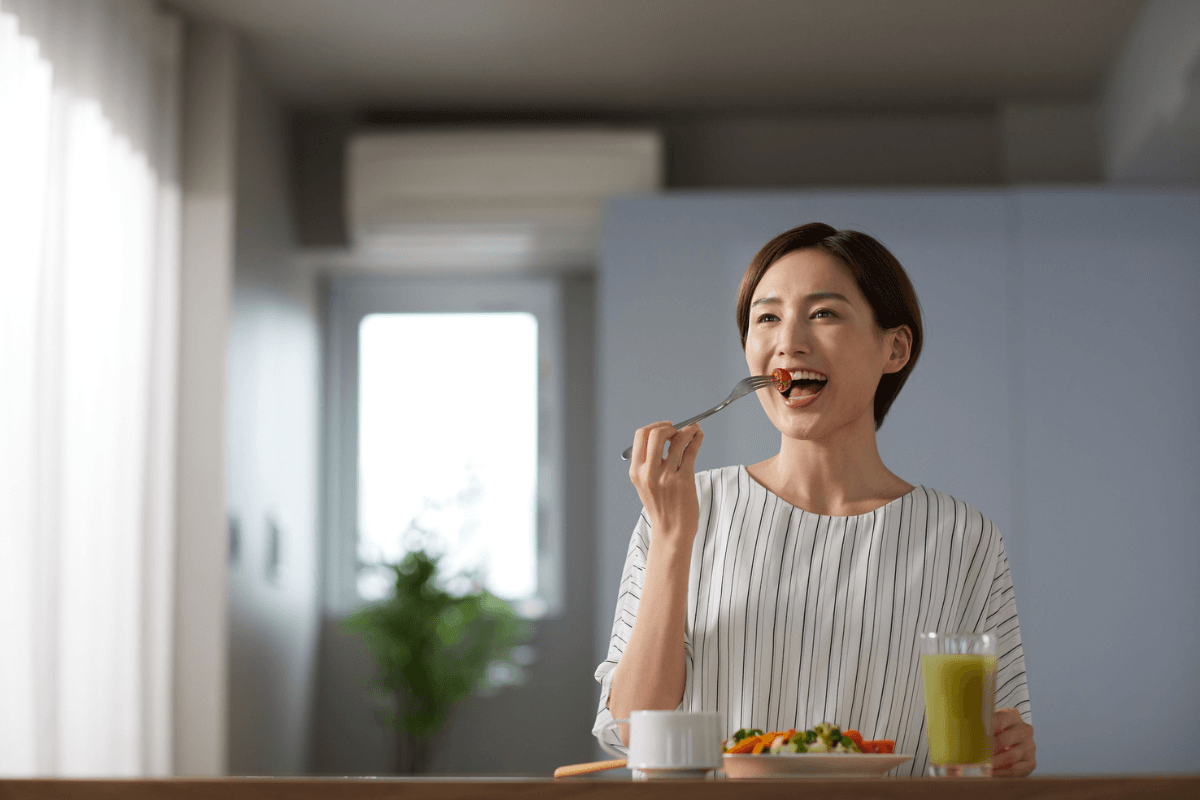
You cannot prevent every cancer, but you can lower the risk of many common cancers by reducing tobacco and alcohol exposure, staying active, eating a plant-forward pattern, protecting your skin, using recommended vaccines, and keeping up with screening. The goal of how to prevent cancer is not perfection. It is to stack several proven, everyday choices in your favor.
Risk also depends on age, inherited genes, infections, work exposures, and chance. That is why prevention includes two tracks: fewer avoidable exposures and earlier detection when screening is available.
Key Takeaways
- No guarantee: Healthy habits lower risk, but cannot remove it completely.
- Biggest levers: Avoid tobacco, limit alcohol, move often, and protect skin.
- Food pattern: Choose more plants, fiber, and minimally processed meals.
- Medical tools: Vaccines and screening can prevent or find some cancers early.
- Family history: Shared patterns can guide earlier screening or genetic counseling.
How to Prevent Cancer: Start With Risk You Can Change
Cancer begins when cells develop changes that let them grow out of control. Those changes can come from random cell copying errors, inherited variants, infections, inflammation, or environmental exposures. So the question “can cancer be prevented?” has a careful answer: some cancers can be prevented, and many risks can be reduced, but no plan gives 100% protection.
Some risk factors are well established. Tobacco smoke, excess alcohol, ultraviolet (UV) radiation, certain infections, and radon exposure can damage DNA or create conditions where abnormal cells are more likely to survive. Other factors, such as age and family history, are not changeable but still matter for screening plans.
That mix explains why two people can make similar choices and have different outcomes. Prevention is not blame. It is practical risk management over years. If you want to compare prevention themes across cancer types, the Cancer Topics collection can help you keep related reading in one place.
Why it matters: The earlier you identify your main risks, the easier it is to choose a realistic next step.
The 7 Lifestyle Tips That Matter Most
The strongest prevention steps are usually ordinary, repeatable habits. If you are wondering what to do to prevent cancer, begin with the changes that reduce known exposures and support metabolic health.
- Do not use tobacco. Smoking, smokeless tobacco, and secondhand smoke are linked with several cancers. If quitting feels difficult, ask about counseling, medications, or structured quit support.
- Limit alcohol. Less alcohol generally means lower cancer risk. If you drink, consider alcohol-free days, smaller servings, or support if alcohol has become a coping tool.
- Move most days. Walking, cycling, swimming, resistance training, and active chores all count. Short movement breaks also reduce long sitting time.
- Support a healthy weight. Focus on sustainable habits, sleep, activity, and meal patterns. Weight is only one marker, but it can affect hormone and inflammation pathways.
- Protect your skin. Use shade, hats, sunglasses, protective clothing, and broad-spectrum sunscreen. Avoid indoor tanning.
- Prevent cancer-linked infections. HPV and hepatitis B vaccination can reduce infection-related cancer risk for eligible people.
- Reduce home and work exposures. Test for radon when appropriate, follow workplace safety rules, and use ventilation around smoke, fumes, or dust.
For people with a smoking history, pack-years can help frame lung cancer screening conversations. This calculator estimates smoking exposure from packs per day and years smoked; it does not decide eligibility or replace clinical guidance.
Pack-Years Calculator
Estimate smoking exposure from cigarettes per day and years smoked.
These calculations are for education only and do not replace clinical advice, diagnosis, or treatment. Always confirm medical decisions with a qualified healthcare professional.
Broader cancer awareness campaigns often focus on these same basics because they apply across many cancer types. For more context, National Cancer Control Month discusses prevention, early detection, and public health action.
Food Choices: What Helps, What Does Not, and What to Limit
No food has been proven to “kill cancer cells” in the body in a safe, selective way. That includes popular claims about special fruits, teas, spices, or supplement blends. A better question is what eating pattern may lower risk over time. For most adults, the answer is a pattern built around vegetables, fruits, beans, lentils, whole grains, nuts, seeds, and balanced protein sources.
When people ask what to eat to prevent cancer, the most useful starting point is fiber-rich, mostly plant-based meals. Fiber supports bowel regularity and the gut microbiome. Plant foods also provide vitamins, minerals, and phytochemicals (plant compounds) that fit into a healthy pattern. Coffee and tea can be part of that pattern for many people, but they are not treatments.
It is also easy to overstate “cancer-causing foods.” Most foods do not work like an on-off switch. Still, some patterns deserve caution. Processed meats, frequent charred meats, heavy alcohol intake, sugary drinks, and highly processed snacks can crowd out more protective choices and may contribute to weight gain or metabolic stress. The practical goal is not a fear-based forbidden list. It is to make the default plate more nourishing.
- Build around plants: Fill half the plate with vegetables or fruit.
- Add fiber daily: Use beans, lentils, oats, barley, or whole grains.
- Choose protein wisely: Rotate fish, poultry, legumes, eggs, dairy, or alternatives.
- Limit processed meat: Keep bacon, sausage, and deli meats occasional.
- Watch alcohol: Replace some drinks with sparkling water or tea.
Quick tip: Change one meal you repeat often before trying to overhaul everything.
Breast, Colon, Lung, and Skin Cancer: Prevention Priorities Differ
Different cancers have different risk patterns, so prevention should not look identical for everyone. The shared foundation is still tobacco avoidance, movement, food quality, alcohol reduction, and sun safety. The next layer depends on sex, age, family history, exposures, and screening eligibility.
Breast cancer risk reduction
If you are asking how to prevent breast cancer, start with modifiable factors. Regular physical activity, limiting alcohol, avoiding smoking, and maintaining a healthy weight after menopause may help lower risk. Breastfeeding, when possible, is also associated with lower risk for some people. Hormone therapy decisions are more individual, especially around menopause symptoms, so they are best discussed with a clinician who knows your personal risk profile.
Screening is also central. Mammography does not prevent every breast cancer from forming, but it can find some cancers earlier. For awareness resources and screening conversation prompts, see Breast Cancer Awareness Month.
Colon and rectal cancer risk reduction
Colorectal cancer prevention often includes both lifestyle and screening. A fiber-rich diet, regular movement, avoiding smoking, and limiting alcohol support lower risk. Screening can also find polyps, which are growths that may become cancer over time. Removing certain polyps is one of the clearest examples of screening acting as prevention.
Lung and skin cancer risk reduction
For lung cancer, avoiding tobacco and secondhand smoke remains the highest-impact step. Radon testing can matter, too, because radon is an invisible radioactive gas that can build up in homes. For skin cancer, avoiding indoor tanning and reducing UV burns are key. A changing mole, a new bleeding spot, or a sore that does not heal deserves medical attention.
For a prevention-focused look at lung cancer awareness, World Lung Cancer Day covers risk reduction and care conversations.
Vaccines and Screening Can Prevent or Find Cancer Early
Vaccines can prevent some infections that raise cancer risk. The HPV vaccine helps protect against human papillomavirus infections that can lead to cervical, anal, penile, vulvar, vaginal, and some throat cancers. Hepatitis B vaccination can reduce the risk of chronic hepatitis B infection, which is linked with liver cancer. Eligibility depends on age, prior vaccination, health history, and local guidance.
Screening is the other major tool. It does not stop every cancer, but it can find precancerous changes or early cancer before symptoms appear. Common examples include cervical screening, colorectal screening, breast imaging, and lung cancer screening for some people with substantial smoking exposure. Prostate screening is more preference-sensitive, because benefits and downsides vary by person.
When considering how to prevent cancer or find it early, bring a simple list to your next visit: your age, sex at birth, major medical conditions, smoking history, family cancer history, and any previous abnormal screening results. That gives your clinician the information needed to match screening to your situation.
If Cancer Runs in the Family
Family history can change your prevention plan, especially when several relatives had the same cancer, cancers occurred at younger ages, or rare cancer patterns appear. If you are asking how to prevent cancer if it runs in the family, the first step is to organize the details. Write down which relatives were affected, the type of cancer, the age at diagnosis, and whether genetic testing was done.
Genetic counseling can help decide whether testing is appropriate. It can also explain what results mean for you and your relatives. A positive result does not mean cancer is certain. A negative result does not remove all risk. The value is a more tailored plan, which may include earlier screening, more frequent screening, or risk-reducing options for people at very high risk.
Family patterns can also reflect shared environments. Smoking in the home, alcohol norms, diet patterns, sun habits, or workplace exposures may cluster across generations. That means the family history conversation should include both genes and lifestyle context.
Stress, Sleep, Immunity, and “Natural” Claims
The immune system helps identify and control abnormal cells, but there is no proven way to “supercharge” it with one supplement or detox. Sleep, movement, vaccinations, balanced nutrition, and chronic disease management are more reliable ways to support normal immune function.
Claims about what stops cancer cells from growing naturally should be treated with caution. Lab studies can show effects in cells or animals that do not translate into safe results for people. Supplements may also interact with medications or cause liver, kidney, or bleeding risks. This matters even more for people receiving cancer treatment, because some products can interfere with therapy.
Stress management still has value. It can support sleep, reduce reliance on alcohol or tobacco, and make healthy routines easier to maintain. Useful tools include walking, therapy, breathing exercises, social support, and structured help for anxiety or depression. These steps support overall health, but they should not be presented as cancer cures.
Warning Signs That Deserve Medical Attention
Prevention should not delay evaluation of symptoms. Many symptoms have non-cancer causes, but persistent or unexplained changes are worth checking. Seek medical advice for a new lump, unusual bleeding, blood in stool or urine, unexplained weight loss, ongoing swallowing trouble, a persistent cough, changing skin lesions, or pain that does not improve.
Also pay attention to changes that are unusual for you. New fatigue, repeated fevers, night sweats, bowel habit changes, or bloating that persists can have many explanations. A clinician can decide whether testing, monitoring, or reassurance is appropriate. Early evaluation is not panic; it is a way to avoid guessing.
Authoritative Sources
The American Cancer Society risk prevention resources outline lifestyle, screening, infection, and environmental risk guidance.
The CDC cancer prevention guidance explains common prevention steps, screening, vaccines, and cancer-linked infections.
The USPSTF preventive services recommendations summarize evidence-based screening recommendations for many adults.
Recap
How to prevent cancer is best understood as a layered plan. Avoid tobacco, limit alcohol, eat a fiber-rich pattern, move often, protect your skin, reduce risky exposures, and use vaccines and screening when appropriate. If your family history is strong, ask whether genetic counseling or earlier screening makes sense.
Start with one change you can repeat this week. Then add another once the first feels normal. Small steps are easier to maintain than a perfect plan that lasts only a few days.
This content is for informational purposes only and is not a substitute for professional medical advice.


