

Please note: a valid prescription is required for all prescription medication.
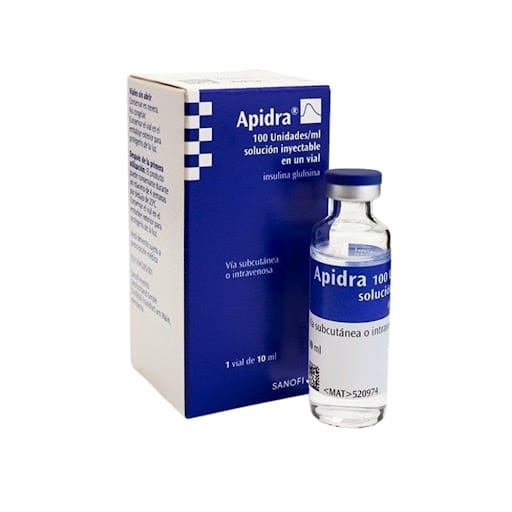


Apidra Vials
Buy Apidra Vials Online
Secure Encrypted Payments
Apidra Vials contain insulin glulisine, a rapid-acting mealtime insulin used to help control blood sugar after eating. Apidra Vials can be bought online in the vial strength shown during ordering, so you can match the product to the directions provided by your diabetes care team.
This insulin is commonly used with a longer-acting background insulin plan. It is taken close to meals and works quickly, so careful glucose monitoring, meal planning, and safe injection technique matter every time it is used.
Apidra Vials Price, Strength, and Ordering
Apidra is supplied as insulin glulisine injection 100 units/mL. The vial format is a multi-dose container, commonly supplied as a 10 mL vial, for withdrawal with a sterile U-100 insulin syringe. During ordering, choose the vial quantity and strength shown, then make sure it matches the directions you already use.
Apidra 10 mL vial price can vary by supply source, quantity, and refill timing. If you pay cash or are managing Apidra vials cost without insurance, look at the total out-of-pocket amount for the quantity you need rather than the single-vial number alone. Planning refills before your current vial runs low can also help avoid rushed replacement orders.
BorderFreeHealth offers Canadian pricing with US delivery from Canada for customers seeking regulated pharmacy supply channels. We may review order details for accuracy, and temperature-sensitive handling is used when required for insulin products.
Quick tip: Keep your insulin name, concentration, and vial quantity consistent with your current treatment plan before completing checkout.
What Type of Insulin Apidra Is
Apidra is a rapid-acting insulin analog. Its active ingredient, insulin glulisine, helps move glucose from the bloodstream into body cells after meals. Rapid-acting insulin is different from long-acting insulin because it is intended to cover food-related glucose rises rather than provide all-day background insulin.
This medicine is used to improve glycemic control in adults and pediatric patients with diabetes mellitus. That includes people living with type 1 diabetes and some people living with type 2 diabetes when a mealtime insulin is part of their care plan. It is not a substitute for a basal insulin when basal insulin is required.
Insulin glulisine binds to insulin receptors and supports cellular glucose uptake. In plain language, it helps sugar leave the blood and enter cells where it can be used for energy. Because it acts quickly, timing around meals is one of the most important practical differences between Apidra and slower insulin products.
Does Apidra Come in Vials and What Units Are Used?
Yes. Apidra comes in vials as insulin glulisine injection 100 units/mL. This is often written as Apidra U-100 vial or Apidra 100 U/mL vial. U-100 means each milliliter contains 100 units of insulin, so the correct syringe type is essential.
Use only U-100 insulin syringes with Apidra vials. Using the wrong syringe can lead to a serious dosing error. The vial solution should be clear and colorless; do not use it if it looks cloudy, has changed color, or contains particles.
Some search results mention other insulin strengths or devices. For Apidra vials, the supported vial concentration in the supplied content is 100 units/mL. If your routine involves a pen instead of a vial and syringe, ask whether a different format is appropriate for your situation.
How Apidra Vials Are Usually Used
Apidra is taken close to food intake. Label guidance describes use shortly before a meal or soon after starting a meal, according to the individualized plan set for the person using it. Carbohydrate intake, current glucose, recent activity, illness, and other medicines can all influence insulin needs.
The vial is typically used for subcutaneous injection into areas such as the abdomen, thigh, or upper arm. Rotate injection sites within the same general area to reduce the risk of skin changes, lumps, or thickened tissue. Do not share needles or syringes, even with another person who also uses insulin.
Some people use rapid-acting insulin in an insulin pump when directed and when the device instructions support that use. Pump users need clear backup steps for infusion set failure, occlusions, or unexplained high glucose. For broader treatment context, browse our diabetes care category.
Storage, Handling, and Travel
Unopened Apidra vials are typically stored in a refrigerator according to label directions. Do not freeze insulin, and discard any vial that has been frozen. Keep vials away from direct heat and light, and store them where children and pets cannot reach them.
After first use, insulin labels often allow storage under defined conditions for a limited time. Follow the storage instructions provided with your vial, including any in-use discard date. Writing the first-use date on the carton can make it easier to know when a vial should be replaced.
For travel, carry insulin and supplies with you rather than packing them in checked luggage. Use an insulated case to reduce exposure to temperature extremes, but do not place the vial directly against frozen gel packs. Bring extra syringes, glucose monitoring supplies, and a sharps plan for used needles. Orders may use prompt, express shipping when appropriate for the product and destination.
Benefits and Practical Fit
Apidra’s rapid onset helps match insulin action to post-meal glucose changes. This can be useful when meals, carbohydrate amounts, and glucose readings are being tracked closely. The vial format also allows individualized dose withdrawal with a syringe when that method fits the person’s routine and training.
Vials may suit people who are comfortable drawing insulin, need variable mealtime dosing, or use a compatible pump system. Pens may suit people who prefer a prefilled device. The best format depends on injection technique, vision, dexterity, dose accuracy, and daily schedule.
Why it matters: A rapid-acting insulin works best when timing, food intake, and glucose monitoring are coordinated.
Side Effects, Warnings, and Monitoring
The most important risk with Apidra is low blood sugar, also called hypoglycemia. Symptoms can include shakiness, sweating, fast heartbeat, hunger, headache, irritability, confusion, or weakness. Severe hypoglycemia can cause seizure, loss of consciousness, or injury and requires urgent treatment.
Common or expected problems can include injection-site redness, itching, swelling, or mild discomfort. Repeated injections in the same spot can contribute to lipodystrophy, which means changes in the fat tissue under the skin. Rotating sites helps reduce this risk and may support more predictable insulin absorption.
- Carry a fast-acting carbohydrate for low glucose episodes.
- Monitor blood sugar as directed by your diabetes care team.
- Keep backup insulin supplies and syringes available when possible.
- Seek urgent help for severe allergic symptoms or persistent vomiting.
- Do not use insulin that is frozen, discolored, cloudy, or contains particles.
Serious but less common risks include severe allergic reactions, low potassium levels, and fluid retention. Signs of a serious allergic reaction may include widespread rash, trouble breathing, wheezing, dizziness, or swelling of the face, lips, tongue, or throat. Low potassium can be dangerous, especially in people using medicines that also affect potassium balance.
Insulin needs may change during illness, major stress, changes in activity, changes in eating patterns, kidney problems, or liver problems. Higher-than-expected readings can occur if a dose is missed, a pump set fails, insulin has been damaged by heat or freezing, or food intake exceeds the insulin plan. Persistent high glucose, ketone symptoms, or signs of ketoacidosis need urgent medical attention.
Interactions and Cautions
Many medicines can change how much insulin is needed. Steroids, some antipsychotics, thyroid medicines, certain antivirals, and some diuretics may raise blood sugar or change insulin requirements. ACE inhibitors, ARBs, salicylates, and some other medicines may increase insulin effect in some people.
Alcohol can make glucose more unpredictable and may increase the risk of delayed hypoglycemia. Beta-blockers and similar medicines can mask warning signs such as fast heartbeat, making lows harder to notice. Thiazolidinediones used with insulin can increase fluid retention and may worsen heart failure in susceptible people.
People with a known hypersensitivity to insulin glulisine or any ingredient in the formulation should not use Apidra. Those with frequent severe lows, reduced awareness of low glucose symptoms, or major changes in kidney or liver function need close monitoring and individualized guidance.
Missed Dose, Late Meals, and Glucose Swings
If a mealtime dose is missed, do not double the next dose to make up for it. Check glucose, consider whether food has already been eaten, and follow the plan established for late or missed mealtime insulin. Rapid-acting insulin can lower blood sugar quickly, so guessing may be unsafe.
Late meals can also create problems. Taking rapid-acting insulin and then delaying food may cause a low. Eating first and delaying insulin may lead to a post-meal spike. Keeping meals, supplies, and glucose treatment nearby can reduce avoidable timing problems.
People using pumps should know how to recognize infusion-site failure. Unexpected high readings, pump alarms, wet skin near the infusion site, or ketones may signal that insulin delivery has been interrupted. A written backup plan helps make those situations less stressful.
Apidra Vials Compared With Other Diabetes Options
Apidra is part of the rapid-acting insulin group. Other mealtime insulins may have similar treatment goals but different onset, duration, device formats, or coverage under a health plan. A change between rapid-acting insulins should be treated as a clinically meaningful change, not a simple brand swap.
Long-acting insulin products serve a different role by helping cover fasting and between-meal glucose needs. Many people use both basal and mealtime insulin. The balance between the two depends on glucose patterns, meals, activity, and the overall diabetes plan.
Some people with type 2 diabetes may also use non-insulin medicines, depending on kidney function, cardiovascular history, weight goals, and tolerance. For condition-focused information, see our type 2 diabetes category posts at type 2 diabetes articles. For type 1 education and related topics, visit type 1 diabetes articles.
Cash-Pay Planning and Refill Tips
Apidra vials cash price and self-pay cost can matter when coverage is limited or inconsistent. Compare the total quantity needed for your refill cycle, including how quickly each vial is used after opening and whether travel or schedule changes may require earlier planning.
Multi-vial purchases may reduce the frequency of orders, but insulin should never be stockpiled beyond what can be stored and used safely. Check refrigerator space, in-use discard timing, and travel plans before choosing a larger quantity. If you need country-of-origin context, our Canada-origin product information may help with browsing.
Set refill reminders before the last vial is nearly empty. Running out of rapid-acting insulin can cause dangerous high glucose, especially for people who rely on it for meals or pump therapy. Keep a record of your usual vial use so future orders better match your routine.
Questions to Discuss With Your Diabetes Care Team
- How close to meals should this insulin be taken?
- What should happen if a meal is delayed or smaller than expected?
- Which glucose readings require urgent action?
- How should exercise change meal planning or monitoring?
- What is the plan for illness, vomiting, or ketones?
- How should injection sites be rotated?
- Is the vial format still the best fit for daily use?
- What backup supplies are needed for travel or pump failure?
Bring recent glucose logs, meal patterns, and any low-glucose episodes to appointments. Those details help the care team evaluate whether timing, site technique, basal insulin, meal coverage, or other medicines may need adjustment.
Authoritative Sources
Official Apidra information | Canadian patient medication information
This content is for informational purposes only and is not a substitute for professional medical advice.
Blood Glucose Unit Converter
Convert glucose readings between mg/dL and mmol/L without changing the clinical value.
mg/dL
-
US reporting unit
mmol/L
-
International reporting unit
These calculations are for education only and do not replace clinical advice, diagnosis, or treatment. Always confirm medical decisions with a qualified healthcare professional.
HbA1c & eAG Calculator
Convert between HbA1c percentage and estimated average glucose using the ADAG relationship.
HbA1c
-
percentage
eAG mg/dL
-
estimated average glucose
eAG mmol/L
-
estimated average glucose
These calculations are for education only and do not replace clinical advice, diagnosis, or treatment. Always confirm medical decisions with a qualified healthcare professional.
HOMA-IR Calculator
Estimate insulin resistance from fasting glucose and fasting insulin values collected from the same blood draw.
HOMA-IR
-
screening estimate, not a diagnosis
Formula used
-
depends on glucose unit
These calculations are for education only and do not replace clinical advice, diagnosis, or treatment. Always confirm medical decisions with a qualified healthcare professional.
Carb Serving Calculator
Convert total carbohydrate grams into carb choices for meal planning and diabetes education.
Carb choices
-
total carbs divided by choice size
Rounded choices
-
nearest half choice
Carb calories
-
4 kcal per gram
These calculations are for education only and do not replace clinical advice, diagnosis, or treatment. Always confirm medical decisions with a qualified healthcare professional.
Corrected Sodium Calculator
Estimate sodium corrected for hyperglycemia using common 1.6 and 2.4 correction factors.
Corrected sodium
-
1.6 factor
Corrected sodium
-
2.4 factor
These calculations are for education only and do not replace clinical advice, diagnosis, or treatment. Always confirm medical decisions with a qualified healthcare professional.
Express Shipping - from $29.99
Shipping with this method takes 3-5 days
Prices:
- Dry-Packed Products $29.99
- Cold-Packed Products $39.99
Shipping Countries:
- United States (all contiguous states**)
- Worldwide (excludes some countries***)
Standard Shipping - $19.99
Shipping with this method takes 5-10 days
Prices:
- Dry-Packed Products $19.99
- Not available for Cold-Packed products
Shipping Countries:
- United States (all contiguous states**)
- Worldwide (excludes some countries***)
What type of insulin is Apidra?
Apidra is a rapid-acting insulin analog. Its active ingredient is insulin glulisine, which helps lower blood sugar around meals by moving glucose from the bloodstream into cells.
Does Apidra come in vials?
Yes. Apidra is available in a vial format. The supplied vial information identifies insulin glulisine injection 100 units/mL, commonly described as an Apidra U-100 vial.
What units does Apidra come in?
Apidra vials are supplied as 100 units/mL insulin glulisine. Use only U-100 insulin syringes with vials to avoid dosing errors.
Does Apidra come in 100 and 200 units/mL?
The Apidra vial information provided here supports 100 units/mL. Do not assume another concentration is interchangeable; insulin concentration changes require guidance from a diabetes care professional.
What are common Apidra side effects?
Common concerns include low blood sugar, injection-site redness or itching, mild swelling, and skin changes from repeated injections. Severe low blood sugar or allergic symptoms need urgent medical attention.
How should Apidra vials be stored?
Unopened vials are typically refrigerated according to label directions. Do not freeze insulin, keep it away from heat and direct light, and follow the in-use discard date after opening.
Rewards Program
Earn points on birthdays, product orders, reviews, friend referrals, and more! Enjoy your medication at unparalleled discounts while reaping rewards for every step you take with us.
You can read more about rewards here.
POINT VALUE
How to earn points
- 1Create an account and start earning.
- 2Earn points every time you shop or perform certain actions.
- 3Redeem points for exclusive discounts.
You Might Also Like
Select options
This product has multiple variants. The options may be chosen on the product page
Select options
This product has multiple variants. The options may be chosen on the product page
Select options
This product has multiple variants. The options may be chosen on the product page
Select options
This product has multiple variants. The options may be chosen on the product page