
Please note: a valid prescription is required for all prescription medication.
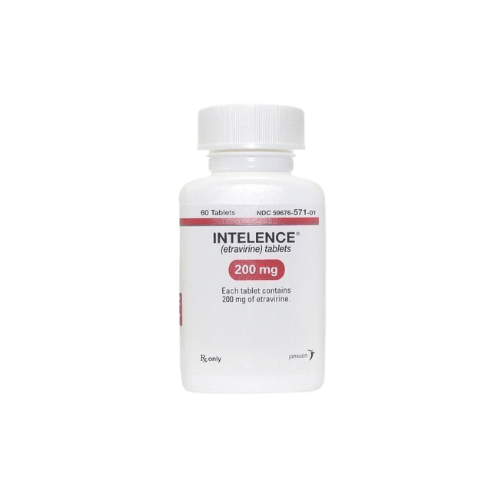
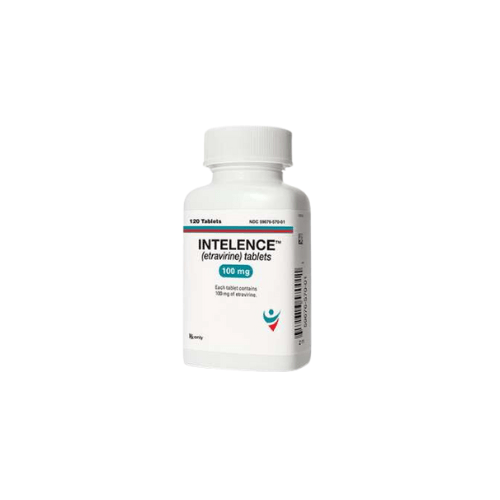
Intelence
Buy Intelence Online
Secure Encrypted Payments
Intelence is an HIV-1 medication containing etravirine, an antiretroviral medicine in the NNRTI class. Intelence tablets can be bought online through regulated pharmacy channels, with the tablet strength matched to the directions from your HIV care team. Current ordering allows you to view the Intelence tablet price, choose the available dose or strength, and keep the medicine aligned with the rest of your antiretroviral regimen.
Etravirine is used only as part of combination HIV treatment. It should not be taken by itself, because incomplete therapy can allow HIV-1 to keep replicating and may increase the risk of drug resistance. If your regimen includes Intelence 200 mg tablets or Intelence 100 mg tablets, the strength, quantity, and timing should stay consistent with the written treatment plan.
Intelence Price, Strengths, and Ordering Basics
The cash price for Intelence can vary by strength, quantity, sourcing channel, and whether the order is for brand Intelence or etravirine tablets. During ordering, choose the Intelence tablets that match your treatment directions rather than changing tablet counts to fit a preferred price. HIV therapy depends on steady drug exposure, so supply planning matters as much as the per-tablet cost.
Some U.S. customers use US delivery from Canada for long-term medicines when their therapy has already been selected by a clinician. Products are supplied through licensed pharmacies, and order details may be reviewed before release. If you are paying without insurance, factor in refill timing, lab appointments, and any upcoming regimen changes before choosing a quantity.
Why it matters: A reliable refill plan helps reduce avoidable gaps in antiretroviral treatment.
What Intelence Is Used For
Intelence HIV medication is used with other antiretroviral agents to treat human immunodeficiency virus type 1, or HIV-1. It is not a cure for HIV. It also does not replace safer-sex practices, viral load monitoring, or other prevention steps recommended by a healthcare professional.
This medicine is generally discussed in treatment-experienced HIV care, where prior therapy, resistance testing, and current lab results influence the regimen. A care team may consider viral load, CD4 count, previous treatment response, liver history, and the other medicines you take. Those factors help determine whether etravirine is a useful part of the complete combination.
For broader condition information and non-urgent appointment preparation, the HIV condition section can help organize questions about HIV terminology, therapy goals, and related treatment topics.
Intelence, Etravirine, and How the Medicine Works
Another name for Intelence is etravirine, the active ingredient in the tablet. Intelence is the brand name, while etravirine is the nonproprietary drug name. In practice, the name on the bottle should be checked against the medicine name and strength your care team intended.
Etravirine is a non-nucleoside reverse transcriptase inhibitor, or NNRTI. Reverse transcriptase is an enzyme HIV uses to copy its genetic material after entering human cells. By blocking that enzyme, etravirine helps reduce HIV-1 replication when paired with other antiretroviral medicines.
An NNRTI is only one possible component of HIV therapy. Modern regimens may also use integrase inhibitors, protease inhibitors, nucleoside or nucleotide reverse transcriptase inhibitors, and booster medicines. The best combination depends on resistance patterns, tolerability, interactions, pregnancy considerations, and other individual factors.
Dosage and How to Take Intelence Tablets
Intelence dosing depends on the full regimen, age, weight when relevant, treatment history, and interacting medicines. A common labeled adult schedule for etravirine is 200 mg twice daily after a meal. Food is important because taking etravirine without food can reduce absorption and may make the regimen less reliable.
Tablets are usually swallowed whole with water. If swallowing tablets is difficult, labeled instructions allow the tablets to be dispersed in water and then mixed with additional liquid as directed. The full mixture should be taken right away so the complete amount is received.
Do not double a missed dose unless a healthcare professional specifically tells you to do so. Use the patient information and your care team’s instructions for missed-dose timing. A pill organizer, phone reminder, or refill calendar may help you keep Intelence aligned with other HIV medicines.
Forms and Tablet Strengths
Intelence is supplied as film-coated etravirine tablets for oral use. Common presentations include etravirine 100 mg and etravirine 200 mg tablets. The tablet strength selected during ordering should match the strength and directions chosen for the complete HIV regimen.
The table below summarizes common tablet presentations associated with Intelence and etravirine therapy.
| Form | Strength | Practical note |
|---|---|---|
| Film-coated tablet | Etravirine 100 mg | May be used to build certain directed doses; do not change tablet counts on your own. |
| Film-coated tablet | Etravirine 200 mg | Often used in adult schedules and taken after a meal according to labeling. |
People often ask whether Intelence has a generic. In many contexts, “generic Intelence” refers to etravirine, the active ingredient. Brand and generic naming, substitution rules, and marketed versions can differ by country and pharmacy source, so the dispensed label should be matched carefully to your treatment plan.
Storage, Refills, and Travel
Store Intelence tablets at controlled room temperature in the original bottle. Keep the cap tightly closed and protect the tablets from moisture. If a desiccant packet is included, leave storage materials in place as directed and avoid transferring tablets into unmarked containers for routine storage.
For travel, carry enough labeled medication for the trip and keep it away from excessive heat, direct sun, and humid bathrooms. Meal timing can affect how etravirine is absorbed, so planning food or snacks may help keep doses consistent. Time-zone changes are best handled by asking your HIV care team how to maintain the interval between doses.
When arranging refills, leave time for order processing, clinical follow-up, and prompt, express shipping. Long-term antiretroviral therapy works best when each component remains available and synchronized with the rest of the regimen.
Quick tip: Keep the original label visible when carrying tablets away from home.
Side Effects, Warnings, and Monitoring
Intelence side effects can include rash, nausea, diarrhea, abdominal discomfort, headache, tiredness, sleep changes, and changes in liver-related lab results. Because several HIV medicines may start or change together, note when symptoms begin, how severe they are, and whether any other medicine or supplement changed at the same time.
Serious skin and hypersensitivity reactions have been reported with etravirine. Seek urgent medical help for widespread rash, blistering, peeling skin, mouth sores, facial swelling, fever, yellowing skin or eyes, dark urine, or trouble breathing. These symptoms can signal rare but important reactions that need prompt assessment.
Liver monitoring may be especially important for people with hepatitis B, hepatitis C, or prior liver disease. Immune reconstitution syndrome can occur after antiretroviral therapy begins, when the recovering immune system reacts to existing infections. Regular lab work and symptom updates help clinicians decide whether the regimen remains appropriate.
Interactions and Medicines to Discuss
Etravirine can interact with many prescription medicines, over-the-counter products, and supplements. It affects liver enzymes involved in drug metabolism, so it may lower or raise levels of other medicines. Interaction checks are especially important when another clinician adds, stops, or changes a medicine.
Medicines that may need careful review include seizure medicines, rifamycin antibiotics, certain antifungals, anticoagulants, hormonal therapies, and other antiretroviral agents. St. John’s wort is a common herbal product often avoided with HIV regimens because it can reduce antiretroviral exposure. Alcohol and recreational substances may also complicate adherence or liver safety.
Do not stop or swap antiretrovirals without professional guidance. Even short interruptions can matter for a virus that can develop resistance. Keeping an updated medication list, including vitamins and occasional products, helps your care team evaluate Intelence safely.
How Intelence Compares With Other HIV Medicines
Intelence NNRTI therapy is one possible part of HIV-1 treatment, not a stand-alone regimen. Other NNRTIs, such as rilpivirine, doravirine, or efavirenz, may be considered in some situations. Many current regimens rely on integrase inhibitors, while others require boosted protease inhibitors or different class combinations because of resistance history.
Comparisons should focus on the complete regimen rather than a single tablet. The relevant questions include prior treatment response, resistance results, pill burden, food requirements, side effect history, pregnancy considerations, kidney or liver factors, and interactions with other medicines. A drug that works well for one person may be unsuitable for another.
Intelence treats HIV-1 infection and is not the same as pre-exposure prophylaxis, or PrEP, which is medicine used before exposure to reduce the chance of acquiring HIV. To browse related therapy categories without treating them as substitutes, see the antiviral medication category. Products connected with Canadian sourcing can also be browsed through the Canada-origin medication section.
Questions to Ask Before You Refill
Before refilling Intelence, ask whether your latest viral load, CD4 count, and resistance history still support the same regimen. Also ask whether any newly added medicine, supplement, or hormonal therapy changes the interaction profile. These questions are especially useful if another specialist has adjusted your treatment since the last fill.
It is also worth confirming whether the intended tablet is Intelence brand or etravirine by active ingredient. If your bottle label, tablet strength, or directions look different from the previous fill, pause and ask for clarification before taking the next dose. HIV regimens often include several products, so a simple label check can prevent duplication or confusion.
People paying cash may want to compare Intelence 200 mg price context with the total monthly regimen cost. The lowest visible tablet price is not the only factor. Continuity, correct strength, food timing, monitoring, and uninterrupted supply all affect responsible long-term treatment.
Authoritative Sources
For official U.S. labeling details, see the Intelence prescribing information.
For patient-focused federal drug information, see the NIH etravirine drug record.
For European regulatory context, see the EMA Intelence medicine overview.
This content is for informational purposes only and is not a substitute for professional medical advice.
Express Shipping - from $29.99
Shipping with this method takes 3-5 days
Prices:
- Dry-Packed Products $29.99
- Cold-Packed Products $39.99
Shipping Countries:
- United States (all contiguous states**)
- Worldwide (excludes some countries***)
Standard Shipping - $19.99
Shipping with this method takes 5-10 days
Prices:
- Dry-Packed Products $19.99
- Not available for Cold-Packed products
Shipping Countries:
- United States (all contiguous states**)
- Worldwide (excludes some countries***)
What is Intelence?
Intelence is an antiretroviral HIV-1 medication that contains etravirine. It is used with other HIV medicines as part of a complete regimen and should not be taken by itself.
What is another name for Intelence?
Another name for Intelence is etravirine, which is the active ingredient. Intelence is the brand name, while etravirine is the nonproprietary drug name used on labels and medical records.
How does etravirine work?
Etravirine is an NNRTI, or non-nucleoside reverse transcriptase inhibitor. It blocks an HIV enzyme called reverse transcriptase, helping reduce HIV-1 replication when combined with other antiretroviral medicines.
What strengths do Intelence tablets come in?
Common tablet strengths include etravirine 100 mg and etravirine 200 mg. The strength and tablet count should match the directions for the full HIV regimen.
What are common Intelence side effects?
Commonly reported side effects can include rash, nausea, diarrhea, abdominal discomfort, headache, tiredness, and sleep changes. Seek urgent care for severe rash, blistering, facial swelling, breathing trouble, or signs of liver problems.
Can Intelence interact with other medicines?
Yes. Etravirine can affect liver enzymes and may change levels of other medicines. Tell your healthcare team about seizure medicines, rifamycin antibiotics, antifungals, anticoagulants, hormonal therapies, supplements, and all other HIV medicines.
How should Intelence be stored?
Store Intelence tablets at controlled room temperature in the original bottle with the cap tightly closed. Protect the tablets from moisture and keep any included desiccant in place as directed.
Rewards Program
Earn points on birthdays, product orders, reviews, friend referrals, and more! Enjoy your medication at unparalleled discounts while reaping rewards for every step you take with us.
You can read more about rewards here.
POINT VALUE
How to earn points
- 1Create an account and start earning.
- 2Earn points every time you shop or perform certain actions.
- 3Redeem points for exclusive discounts.
You Might Also Like
Select options
This product has multiple variants. The options may be chosen on the product page
Select options
This product has multiple variants. The options may be chosen on the product page
Select options
This product has multiple variants. The options may be chosen on the product page
Select options
This product has multiple variants. The options may be chosen on the product page