

Please note: a valid prescription is required for all prescription medication.
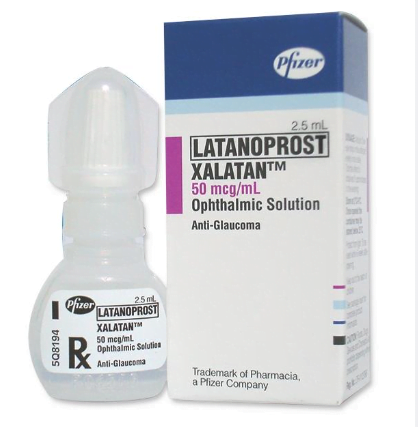
Xalatan Ophthalmic Solution
Buy Xalatan Ophthalmic Solution Online
Secure Encrypted Payments
Xalatan Ophthalmic Solution is a latanoprost eye drop used to lower elevated pressure inside the eye. It can be bought online with US delivery from Canada, and you can choose the available strength and quantity that match your clinician’s directions. Xalatan Ophthalmic Solution 0.005% is commonly used for open-angle glaucoma and ocular hypertension, two conditions where ongoing pressure control helps protect the optic nerve.
This medicine belongs to a class called prostaglandin analogs. It works locally in the eye by improving fluid drainage, which helps reduce intraocular pressure. Because eye pressure usually does not cause symptoms, regular use and follow-up eye exams matter even when your vision feels unchanged.
Price, Strength, and Ordering Details
You can buy Xalatan Ophthalmic Solution and view current pricing before placing an order. The labeled brand product contains latanoprost 0.005% and is commonly supplied as a sterile ophthalmic solution in a multidose bottle. Choose the strength, bottle size, and quantity shown during ordering, then match them to the directions from your eye care professional.
Xalatan eye drops 0.005% price can vary by supplier, bottle size, brand status, and current availability. If you pay cash or do not use insurance, the displayed cost can help you plan refills around your treatment schedule. People also compare brand Xalatan with latanoprost ophthalmic solution when their clinician considers either product appropriate.
BorderFreeHealth supports secure ordering through licensed pharmacy channels. We may review order details for accuracy, and products can ship with prompt, express shipping when routing and handling requirements allow. For broader eye-care browsing, the ophthalmology category includes related treatments used for glaucoma and other eye conditions.
What Xalatan Treats
Xalatan is indicated for reducing elevated intraocular pressure in people with open-angle glaucoma or ocular hypertension. In open-angle glaucoma, the eye’s drainage angle remains open, but fluid does not leave the eye efficiently enough. Over time, increased pressure can injure the optic nerve and lead to permanent vision loss.
Ocular hypertension means eye pressure is higher than expected without confirmed glaucoma damage. Lowering pressure can reduce strain on the optic nerve, but your clinician will weigh your overall risk, eye exam findings, corneal thickness, family history, and response to treatment. Xalatan does not cure glaucoma; it helps control one major risk factor when used consistently.
Why it matters: You may not feel high eye pressure, so monitoring is the only reliable way to know whether treatment is working.
How It Works in the Eye
Xalatan contains latanoprost, a prostaglandin F2α analog. Prostaglandin analogs help aqueous humor, the clear fluid inside the eye, leave through the uveoscleral pathway. Better drainage lowers intraocular pressure and supports long-term pressure control.
The medicine is typically used once daily in the evening. Using it more often than directed may reduce the pressure-lowering effect and may increase irritation. If you use more than one topical eye medicine, spacing drops apart helps prevent one product from washing out another.
Xalatan is often used alone, but some people need additional pressure-lowering medicines. Your eye care professional may add or change drops based on your pressure readings, optic nerve imaging, visual field testing, and tolerability.
How to Use Xalatan Eye Drops
The usual schedule is one drop in the affected eye or eyes once each evening. Follow your clinician’s directions exactly, especially if only one eye is being treated or if Xalatan is part of a multi-drop regimen. Do not change timing, stop treatment, or add other drops without medical guidance.
- Wash your hands before handling the bottle.
- Remove contact lenses before applying the drop.
- Tilt your head back and pull the lower eyelid down to form a pocket.
- Hold the bottle tip downward without touching your eye, eyelid, fingers, or any surface.
- Place one drop into the pocket, then close the eye gently.
- Press the inner corner of the eyelid for one to two minutes if instructed.
- Wait at least five minutes before using another eye drop.
Soft contact lenses may absorb preservatives found in some ophthalmic solutions. If you wear lenses, remove them first and wait 15 minutes before reinserting them unless your clinician gives different instructions. Temporary blurred vision can occur after use, so wait until your vision clears before driving or using machinery.
Missed Dose and Best Time to Use It
The best time to use Xalatan is usually in the evening. Evening dosing is the standard schedule for latanoprost ophthalmic solution and can make adherence easier when tied to a nightly routine. Use it at about the same time each day when possible.
If you miss a dose, apply one drop at the next scheduled time. Do not use two drops to make up for a missed dose. Doubling up can increase irritation and does not improve pressure control. If missed doses happen often, use a phone reminder, a medication calendar, or another routine cue that fits your evening schedule.
Quick tip: Keep the bottle near another nightly habit, but away from children, pets, heat, and bright light.
Benefits of Once-Daily Pressure Control
Once-daily dosing is one reason prostaglandin analogs are commonly used for long-term eye pressure management. A simple schedule may be easier to maintain than drops used several times daily. Consistent use supports the treatment plan your clinician sets after reviewing your pressure targets and glaucoma risk.
Lowering intraocular pressure helps reduce risk to the optic nerve, but it does not replace eye exams. Your clinician may track pressure readings, optic nerve appearance, retinal nerve fiber layer measurements, and visual field changes. These results help determine whether Xalatan remains appropriate or whether another medicine should be added.
Some effects, such as longer or thicker eyelashes, are cosmetic. Others, such as iris darkening, can be permanent. These changes do not mean the medicine is failing, but you should mention them during follow-up visits, especially if treatment is used in only one eye.
Side Effects, Warnings, and Monitoring
Many people tolerate latanoprost eye drops, but side effects can occur. Common reactions include eye redness, burning, stinging, itching, dry eye, foreign-body sensation, blurred vision, eyelid darkening, and eyelash growth. Mild irritation may improve, but persistent discomfort should be discussed with a clinician.
- Eye redness or irritation
- Burning or stinging after application
- Dryness, itching, or gritty sensation
- Temporary blurred vision
- Longer, thicker, or darker eyelashes
- Darkening of the iris or eyelid skin
Less common but more serious concerns include uveitis, macular edema, and reactivation of herpes keratitis in susceptible people. Contact a healthcare professional promptly if you develop severe eye pain, sudden vision changes, marked swelling, light sensitivity, discharge, or signs of infection. People with a history of eye inflammation, recent eye surgery, aphakia, pseudophakia with a torn posterior lens capsule, or macular disease should review risks carefully before and during treatment.
Tell your clinician about all eye medicines, oral medicines, supplements, and medical conditions. Using more than one prostaglandin analog at the same time may reduce the desired effect or increase side effects. If you use other topical ophthalmic products, wait at least five minutes between applications.
Who May Need Extra Caution
Xalatan should not be used by anyone with hypersensitivity to latanoprost or another component of the solution. Extra caution may be needed for people with active eye inflammation, a history of uveitis, risk factors for macular edema, or a history of herpes simplex eye disease. Your clinician may monitor more closely or choose a different therapy depending on your eye history.
Pregnancy, plans for pregnancy, and breastfeeding should be discussed with a healthcare professional. Pediatric use is individualized. Contact lens wearers should confirm the correct timing for lens removal and reinsertion, especially if the bottle contains benzalkonium chloride or another preservative.
Glaucoma care is long term, and treatment choices may change. If pressure remains above target, your clinician may adjust the regimen, add a second medication, or consider laser or surgical approaches. Do not stop Xalatan simply because the eye feels normal; high pressure often has no obvious warning signs.
Storage, Handling, and Travel
Follow the storage instructions on your bottle and pharmacy label. Unopened bottles are often stored refrigerated until first use, while opened bottles may be stored at room temperature for a limited period depending on the product label. Keep the cap tightly closed, protect the bottle from light, and avoid leaving it in a hot car, checked luggage, or direct sun.
Do not touch the dropper tip to the eye, eyelid, fingers, counter, or any other surface. Contamination can increase the risk of eye infection. Do not share your bottle with anyone, even if they use the same medicine. Keep Xalatan out of reach of children and pets.
For travel, keep the bottle in its original carton when possible and carry it with you. Bring enough medicine for the full trip and allow for delays. If your schedule crosses time zones, ask your clinician how to keep evening dosing consistent without taking doses too close together.
Brand Xalatan and Latanoprost Options
Xalatan is the brand name for latanoprost ophthalmic solution. Latanoprost is the active ingredient responsible for the pressure-lowering effect. Some customers evaluate brand and generic versions based on cost, availability, bottle size, tolerability, and clinician preference.
Brand and generic naming, approval status, and supply channels can differ by country. The practical buying decision should focus on the exact active ingredient, strength, form, and directions your clinician intends you to use. If a substitution is being considered, confirm whether it is appropriate for your treatment plan.
Some people are sensitive to preservatives or notice differences in bottle handling. Report new irritation, blurred vision, or adherence problems after any product change. Your clinician can decide whether the reaction is expected, whether technique should be adjusted, or whether another eye drop is better suited.
Related Eye Pressure Treatments
Other prostaglandin-class or related pressure-lowering eye drops may be considered when response, tolerability, or dosing needs differ. Travoprost and latanoprostene bunod are examples used in glaucoma care. If your clinician discusses alternatives, the decision may depend on your pressure target, side effects, eye color changes, insurance or cash-pay needs, and how well you can maintain daily use.
For related product evaluation, Travatan Z is another prostaglandin analog option, while Vyzulta Ophthalmic Solution works through latanoprostene bunod. Combination treatments may be used when one medication is not enough, but they should be selected by a clinician familiar with your eye history.
You can also browse educational eye-care topics in the ophthalmology articles section. These resources can help you prepare questions about glaucoma monitoring, eye-drop technique, side effects, and treatment adherence.
Cost Planning Without Insurance
Xalatan cash price and latanoprost out-of-pocket cost can matter for long-term treatment. Current displayed pricing helps you plan refills before the bottle runs low. If cost is a concern, ask your clinician whether brand Xalatan, generic latanoprost ophthalmic solution, a longer fill, or another glaucoma drop is appropriate for your situation.
Do not stretch therapy by skipping doses to make a bottle last longer. Inconsistent use may allow pressure to rise and can make it harder for your clinician to judge whether the medicine is effective. If affordability or refill timing is becoming a barrier, raise it early so the treatment plan can be adjusted safely.
Canadian-supplied products may show different pricing than local cash-pay options. Country-of-origin details can be useful for customers who want to understand sourcing, and related items may display Canada as country of origin when applicable.
Questions to Ask Your Clinician
- Is Xalatan appropriate for my type of glaucoma or ocular hypertension?
- What eye pressure target are we trying to reach?
- Should I use this drop in one eye or both eyes?
- How should I space it from my other eye medicines?
- What side effects should prompt a call?
- Could iris color, eyelash, or eyelid changes matter for me?
- How often should my pressure, optic nerve, and visual fields be checked?
- Is brand Xalatan or latanoprost ophthalmic solution preferred for my plan?
Authoritative Sources
Official Xalatan prescribing information
Manufacturer patient information
This content is for informational purposes only and is not a substitute for professional medical advice.
Express Shipping - from $29.99
Shipping with this method takes 3-5 days
Prices:
- Dry-Packed Products $29.99
- Cold-Packed Products $39.99
Shipping Countries:
- United States (all contiguous states**)
- Worldwide (excludes some countries***)
Standard Shipping - $19.99
Shipping with this method takes 5-10 days
Prices:
- Dry-Packed Products $19.99
- Not available for Cold-Packed products
Shipping Countries:
- United States (all contiguous states**)
- Worldwide (excludes some countries***)
What is Xalatan Ophthalmic Solution used for?
Xalatan Ophthalmic Solution is used to lower elevated intraocular pressure in people with open-angle glaucoma or ocular hypertension. Lowering pressure helps reduce strain on the optic nerve, but regular eye exams are still needed to monitor response.
What is the best time to use Xalatan eye drops?
Xalatan is typically used once daily in the evening. Use it at about the same time each day and follow your clinician’s directions, especially if you use other eye drops.
What happens if I miss a dose of Xalatan?
If you miss a dose, use one drop at the next scheduled time. Do not double the dose, because extra drops can increase irritation and may not improve pressure control.
What are common side effects of Xalatan eye drops?
Common side effects include eye redness, burning, stinging, dry eye, itching, temporary blurred vision, eyelash changes, and darkening of the iris or eyelid skin. Severe pain, sudden vision changes, swelling, discharge, or light sensitivity should be assessed promptly.
How much does Xalatan cost without insurance?
The cost depends on the current bottle size, brand or generic selection, and supplier pricing. View the displayed Xalatan price before ordering and ask your clinician whether latanoprost ophthalmic solution is suitable if out-of-pocket cost is a concern.
Can Xalatan be used with contact lenses?
Contact lenses should usually be removed before applying Xalatan. Many labels recommend waiting 15 minutes before reinserting soft lenses, especially when the solution contains a preservative. Follow the instructions given with your bottle.
How does Xalatan compare with generic latanoprost?
Xalatan is the brand name for latanoprost ophthalmic solution. Generic latanoprost contains the same active ingredient, but product sourcing, bottle design, preservatives, and tolerability can differ. Ask your clinician whether a substitution is appropriate for your treatment plan.
Rewards Program
Earn points on birthdays, product orders, reviews, friend referrals, and more! Enjoy your medication at unparalleled discounts while reaping rewards for every step you take with us.
You can read more about rewards here.
POINT VALUE
How to earn points
- 1Create an account and start earning.
- 2Earn points every time you shop or perform certain actions.
- 3Redeem points for exclusive discounts.
You Might Also Like
Select options
This product has multiple variants. The options may be chosen on the product page
Select options
This product has multiple variants. The options may be chosen on the product page
Select options
This product has multiple variants. The options may be chosen on the product page
Select options
This product has multiple variants. The options may be chosen on the product page