

Key Takeaways
- Smaller portions help: Large, heavy meals can worsen nausea.
- Fat and sugar matter: Fried foods and sweets often trigger symptoms.
- Hydration is protective: Sipping fluids may ease headaches and cramps.
- Plan for patterns: Track triggers and share them with clinicians.
If you’re searching for foods to avoid with Trulicity, you’re not alone. Many people notice stomach changes soon after starting. The good news is that food timing and meal texture often help.
Trulicity (dulaglutide) is a GLP-1 receptor agonist (hormone-mimicking diabetes medicine). It can support glucose control, but it may also slow digestion. That slower pace is a common reason meals feel “heavier.”
Below, you’ll find practical, non-restrictive ways to eat and drink more comfortably. You’ll also learn what symptoms deserve a call to a clinician.
Foods to Avoid with Trulicity: Common Triggers and Swaps
Some foods are more likely to feel “too much” on Trulicity. That does not mean those foods are forbidden. It means they may be harder to tolerate, especially early on or after dose changes.
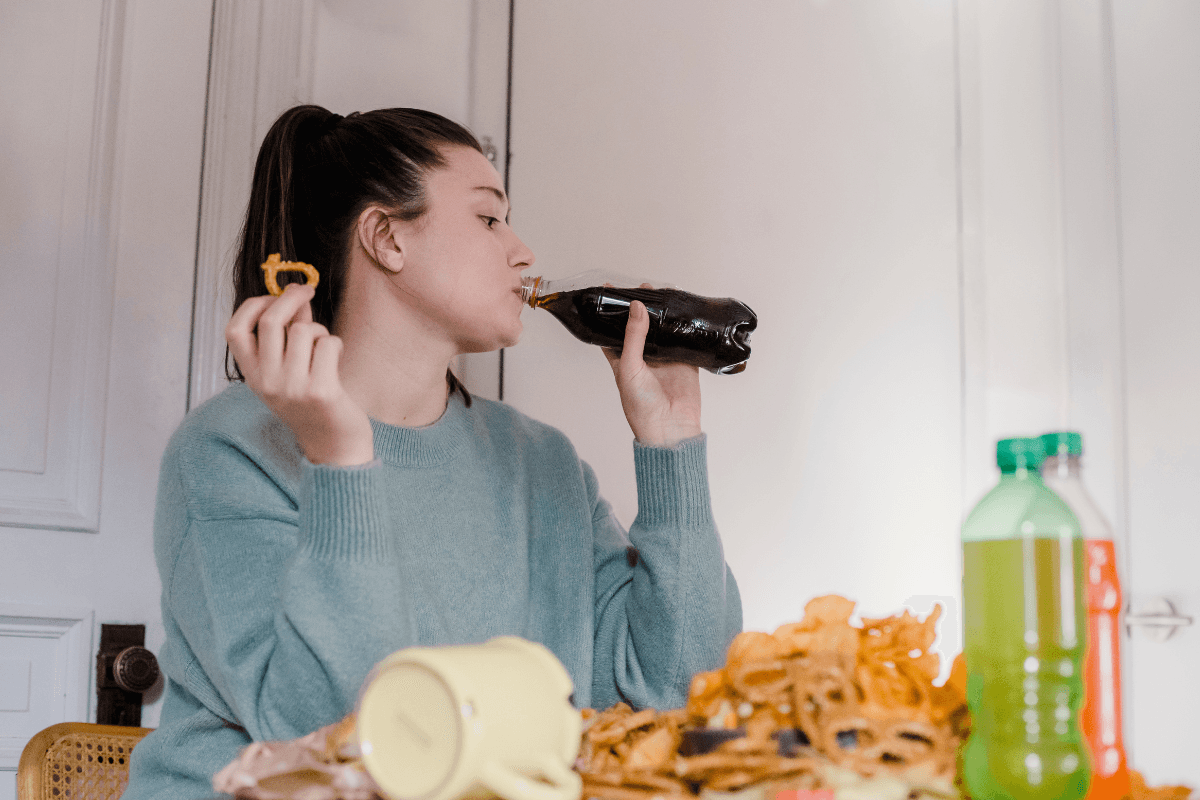
In many people, the biggest troublemakers are large portions, high-fat meals, and concentrated sugars. These can sit in the stomach longer and increase nausea, burping, or reflux. They can also make diarrhea more likely in some people.
Tip: Think “lighter and steadier” for the first few weeks. You can expand choices once your stomach settles.
| Common trigger | Why it may bother you | Gentler swap to try |
|---|---|---|
| Fried or greasy foods | Higher fat can slow emptying and worsen nausea | Baked or air-fried options, smaller portions |
| Very sweet desserts | High sugar may cause queasiness and glucose swings | Fruit with yogurt, smaller treat after a meal |
| Large, late-night meals | More reflux, fullness, and poor sleep | Earlier dinner, lighter evening snack |
| Spicy, acidic dishes | Can irritate reflux and sensitive stomach lining | Milder seasoning, add spice gradually |
| Heavy cream sauces | Dense fat plus volume can feel overwhelming | Broth-based soups, tomato-based sauces |
Texture can matter as much as ingredients. Dry, dense foods (like large steaks or thick bagels) may feel stuck. Softer foods can be easier during the adjustment period, like oatmeal, eggs, soups, or cooked vegetables.
If a favorite food triggers symptoms, try it in a smaller portion. Pair it with protein and fiber. Also eat slowly, with short pauses between bites.
Trulicity (Dulaglutide) and Digestion: Why Meals Feel Different
Trulicity works in several ways that can affect eating. It increases insulin release when glucose is high, reduces glucagon (a hormone that raises glucose), and slows stomach emptying. That slower emptying often supports steadier blood sugar, but it can also increase fullness.
When the stomach empties more slowly, “normal” meals may feel unusually large. You may notice earlier satiety (feeling full sooner), mild nausea, or bloating. These effects can be stronger after higher-fat meals, because fat already slows digestion.
Many people also notice taste changes or lower appetite. That can make it easy to under-eat, then feel weak later. It can also set up a cycle of skipping meals and then overeating at dinner. A steadier rhythm tends to feel better.
For a plain-language overview of dulaglutide’s effects and common reactions, see this neutral medication summary from MedlinePlus before changing routines.
Trulicity Side Effects: Using Food Timing to Feel Better
Trulicity side effects often involve the gastrointestinal tract. Nausea, vomiting, diarrhea, constipation, and stomach pain are commonly reported. For many people, these are most noticeable when starting or increasing the dose, and then may ease as the body adapts.
Food choices cannot remove every symptom, but they can lower the “load” on digestion. Smaller meals help because they require less mixing and movement in the stomach. Eating slowly also gives fullness signals time to catch up.
Try a pattern of three smaller meals with one or two planned snacks. Include protein each time, like eggs, fish, tofu, beans, or chicken. Add gentle carbohydrates, like rice, potatoes, oats, or toast, especially if nausea is present.
If mornings are rough, start with something bland and easy. A half-banana, a small yogurt, or a few crackers can be enough. Then build up later in the day as tolerated.
Symptoms can also affect diabetes self-care. If you’re eating less, your glucose can shift, especially with other diabetes medications. For practical ways to track patterns and reduce discomfort, learn from How To Manage Trulicity Side Effects Safely for symptom-focused strategies.
If vomiting is persistent, you cannot keep fluids down, or pain is severe, reach out promptly. Those situations can lead to dehydration or signal a different problem that needs evaluation.
Beverages and Hydration: What to Watch Day to Day
Drinks can be an overlooked trigger when your stomach is sensitive. Carbonation may increase bloating and burping. Very sweet beverages can worsen nausea and cause sharp glucose rises.
People often ask about what drinks to avoid with Trulicity when nausea is unpredictable. A cautious starting point is to limit sugary sodas, sweetened coffees, energy drinks, and large servings of fruit juice. If you enjoy them, try smaller portions and sip slowly with food.
Hydration helps for two reasons. It replaces fluid losses if diarrhea occurs, and it supports more stable energy. Aim for frequent sips rather than chugging a full bottle at once, which can feel uncomfortable.
If plain water turns your stomach, try cold water, ice chips, or warm tea. Some people tolerate electrolyte drinks better than water during a rough day. Choose low-sugar options when possible, and discuss choices with a clinician if you have kidney or heart conditions.
Snacks and drinks often go together. For snack ideas that support steadier glucose, read Healthy Snacking For Diabetics for balanced combinations that are easier on digestion.
As a simple check, notice whether symptoms worsen after carbonated or very cold drinks. If so, adjust temperature or switch to non-carbonated options for a week.
Coffee, Tea, and Energy Drinks: Caffeine Tips With GLP-1s
Trulicity and caffeine can be a tricky mix for some people, especially early on. Caffeine may increase stomach acid and make nausea or reflux feel worse. It can also raise jitters and reduce appetite, which may lead to missed meals.
If you feel fine with coffee, you may not need to stop it. Instead, consider timing and dose. Try drinking coffee after breakfast rather than on an empty stomach. You can also reduce the serving size for a week, then reassess.
Energy drinks deserve extra caution because they can combine caffeine with sugar alcohols or high sugar. Those ingredients may worsen diarrhea, gas, or palpitations. If you need a boost, a smaller coffee or tea may be easier than an energy drink.
Sleep matters, too. Poor sleep can increase hunger swings and nausea sensitivity. If vivid dreams or restless sleep show up, reducing afternoon caffeine is a gentle first step to discuss with your care team.
Alcohol and Trulicity: Reducing Upset Stomach and Lows
Alcohol affects digestion and blood sugar, even without Trulicity. It can irritate the stomach lining, worsen reflux, and add dehydration risk. It can also raise or lower glucose depending on the drink, timing, and other medications.
Some people notice the side effects of Trulicity and alcohol feel stronger together. That often shows up as more nausea, looser stools, or lightheadedness the next day. If you choose to drink, pairing alcohol with food and spacing drinks out may reduce stomach upset.
Alcohol can increase the risk of hypoglycemia (low blood sugar), especially for people who also use insulin or sulfonylureas. Learning the warning signs helps you respond early. For symptom patterns and safety steps, read Low Blood Sugar Symptoms as a practical reference.
If you ever need fast sugar for a confirmed low, some people keep glucose sources on hand. For examples of measured options, see Dextrose for comparison when planning an emergency kit.
General alcohol guidance for people with diabetes is summarized by the American Diabetes Association with neutral, food-first safety points. Individual advice depends on your medications and health history, so it’s worth checking with a clinician.
If you have repeated lows after drinking, or you drink to manage stress, bring it up without shame. Your care team can help you plan safer routines.
When Diarrhea or Constipation Hits: Gentle Home Support
Bathroom changes can be one of the most disruptive parts of starting Trulicity. Diarrhea may appear after higher-fat meals, high-sugar foods, or large portions. Constipation can happen when appetite drops, fluid intake falls, or fiber changes suddenly.
For many people, Trulicity diarrhea treatment starts with basics: replace fluids, keep meals simple, and avoid greasy foods for a few days. Broth-based soups, toast, rice, bananas, and applesauce can be easier to tolerate. Lactose can worsen diarrhea in some people, even if it never did before.
When constipation is the issue, focus on steady fluids and gentle fiber. Cooked vegetables, oats, chia, and prunes can help, but add them gradually. A sudden jump in fiber can cause cramping and gas, especially when digestion is already slow.
Also watch for “hidden” dehydration. Dry mouth, dizziness, and dark urine can happen even with mild diarrhea. If symptoms last more than a few days, or you feel weak, check in with a clinician to prevent complications.
Note: Seek urgent care for severe belly pain, fainting, or signs of dehydration.
For a safety-focused overview of serious warning symptoms listed for dulaglutide, review the prescribing information with your clinician’s guidance.
Dumping Syndrome-Like Symptoms and Blood Sugar Swings
Some people describe a “racing” feeling after meals, with cramping, sweating, and sudden fatigue. Classic dumping syndrome is most common after stomach surgery, when food moves too quickly into the small intestine. It can be early (within about an hour) or late (one to three hours later), and late episodes may relate to reactive hypoglycemia.
Trulicity slows stomach emptying, so it does not typically cause true dumping syndrome. Still, Trulicity dumping syndrome is a phrase people use when symptoms feel similar. Sometimes the issue is actually a large meal after a low-appetite day, a high-sugar snack, or a blood sugar swing from medication timing.
If you feel suddenly shaky, sweaty, confused, or very weak after eating, pause and assess. Sit down, take slow sips of water, and consider checking glucose if you use monitoring tools. Keeping testing supplies available can help clarify whether symptoms match low blood sugar or stomach sensitivity.
For glucose monitoring supplies you can compare with your current setup, see One Touch Verio Test Strips for compatibility details and pack sizes.
If episodes repeat, write down what happened: meal size, sugar content, timing, and any alcohol. Bring that log to your clinician. Recurrent symptoms can also happen with idiopathic (no clear cause) dumping-like patterns, which deserve a careful workup rather than guesswork.
If you’re looking for broader background on living with diabetes and meal planning, browse Type 2 Diabetes Options for category-level resources and product lists that support monitoring and nutrition.
Missed Doses and Medication Interactions: A Practical Checklist
Missed injections happen, especially during travel or schedule changes. If you’re unsure what to do, use the written instructions from your prescription label and the official medication handout. Avoid doubling up or improvising without clinical guidance.
It also helps to understand how Trulicity can affect other medicines. Because it slows stomach emptying, it may change how quickly some oral medications are absorbed. For many drugs that is not clinically important, but it can matter for medicines that require precise timing.
Low blood sugar risk is another consideration. Trulicity alone is less likely to cause hypoglycemia, but combining it with insulin or sulfonylureas can change that risk. A pharmacist or prescriber can help you plan meals and monitoring around your full regimen.
If you’re comparing options in the same medication family, side-effect profiles can differ from person to person. For a neutral, side-by-side discussion, read Trulicity Vs Ozempic for practical differences people often ask about.
Some people also compare dulaglutide with tirzepatide for appetite and stomach effects. If that’s your situation, review Mounjaro Vs Trulicity Side Effects for how clinicians commonly frame the tradeoffs.
When in doubt, a simple rule helps: ask before adding new supplements, “detox” products, or high-dose vitamins. Even when interactions are unlikely, your care team can help you avoid surprises.
What to Eat Most Days: Comforting, Balanced Patterns
A “best” diet on Trulicity is usually the one you can repeat comfortably. That often means steady protein, moderate fiber, and less greasy cooking methods. Many people do well with a Mediterranean-style pattern, but any balanced approach can work.
Start with meals that are easy to digest. Think scrambled eggs with toast, chicken and rice soup, or yogurt with fruit. Add cooked vegetables like carrots, zucchini, or green beans before raw salads, which can feel rough when nausea is active.
Protein is especially useful when appetite is low. It supports satiety without needing a large volume of food. If meat feels heavy, try fish, tofu, lentils, or cottage cheese. If you use meal replacements, discuss the choice with a clinician to match your glucose goals.
Also protect against the “all day nothing, then big dinner” pattern. A planned afternoon snack can prevent a large evening meal that triggers reflux. Even a small snack counts if it keeps your intake steady.
Finally, be kind to your learning curve. Many Trulicity complaints are really about uncertainty: what is normal, what is temporary, and what needs help. Tracking your meals and symptoms for two weeks often gives clearer answers than online debates.
If symptoms are improving but not gone, that still matters. Small improvements are a sign your plan is working. Share that progress with your clinician, and adjust gradually.
Recap
Eating well on Trulicity usually comes down to portion size, fat content, and meal timing. Many people feel better with smaller meals, less grease, and fewer concentrated sweets. Hydration and gentle, protein-containing foods can make the adjustment easier.
If you notice severe pain, repeated vomiting, dehydration, or frequent low blood sugar symptoms, reach out promptly. Those signals deserve medical attention and personalized guidance. Bringing a short food-and-symptom log can help your clinician spot patterns faster.
This content is for informational purposes only and is not a substitute for professional medical advice for your personal situation.


